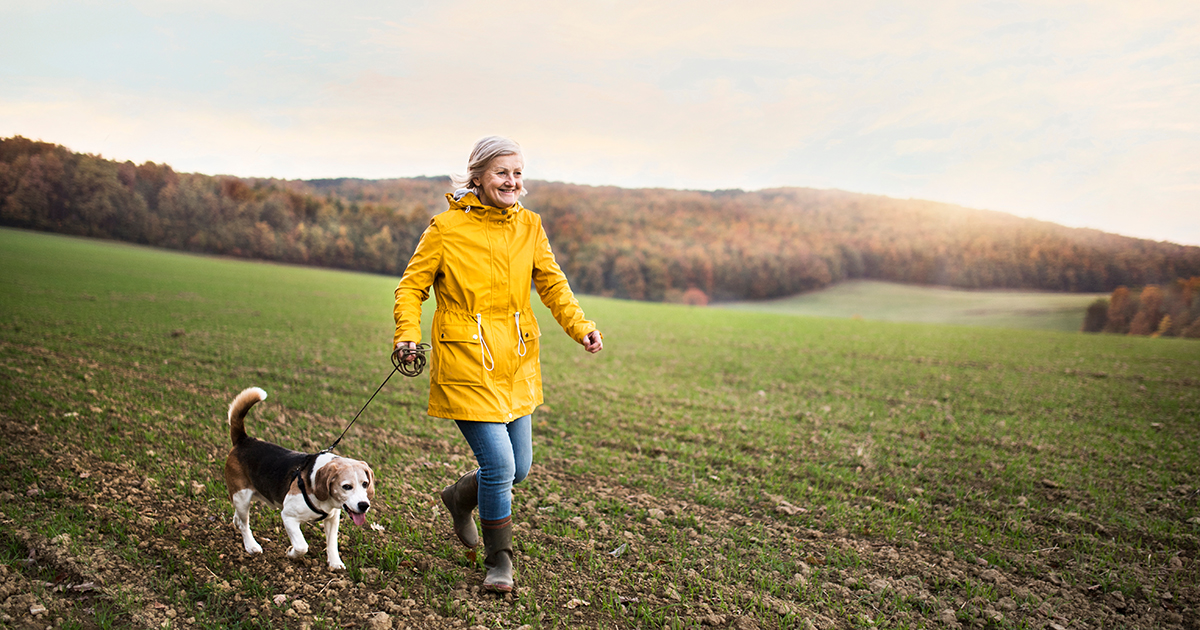

Choosing a dog in your 50s, 60s, or beyond can support mental and physical health, but the breed matters more than most people anticipate. A 2023 study published in Preventive Medicine Reports found that dog owners had a lower risk of dementia compared to non-dog owners, with those who walked their dogs regularly seeing the most significant benefits. A Siberian Husky was built to haul sleds across the Arctic tundra for hours. A Border Collie was built to manage entire flocks across hilly terrain all day. These instincts follow them into the living room, the garden, and every walk you take together.
The 12 breeds below are all wonderful dogs in the right home. They’re on this list because the gap between what they need and what a lower-key lifestyle can realistically offer is significant enough that it deserves an honest conversation before anyone brings one home.
Belgian Malinois
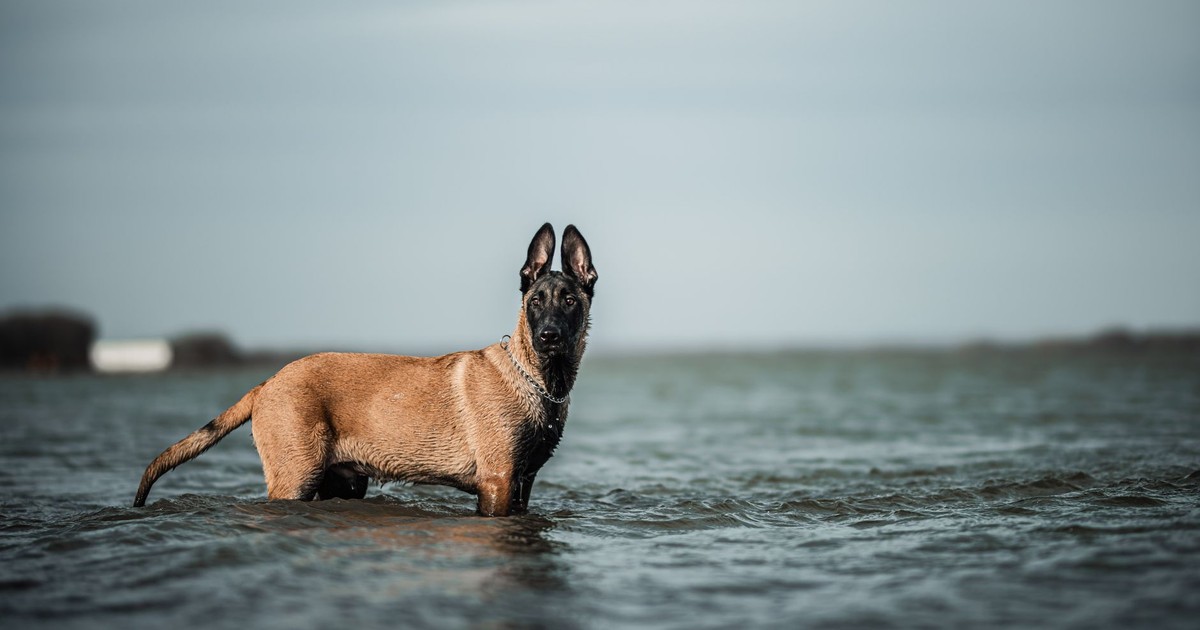
Belgian Malinois are high-energy working dogs that require intense exercise and mental stimulation. “Intense mental stimulation” means structured training sessions, scent work, agility, or task-based activity on a daily basis. Not a walk around the block.
The Malinois requires extensive mental and physical stimulation for practically all their wakeful hours, and if they don’t have a task, they will quickly bore and pick up bad habits. A Malinois that doesn’t get enough exercise might also develop restless or nervous behaviors that can lead to aggression. The hours you would need to invest in keeping one engaged and well-behaved would leave most people, of any age, exhausted.
The Belgian Malinois is an intelligent, energetic breed well-suited to military and police work, and these dogs are fiercely loyal and make exceptional watchdogs. They require strong leaders and extensive physical and mental exercise, and without firm training and guidance from an experienced owner, they’re prone to neurotic and destructive behavior. For someone who has managed other high-drive breeds their whole life and maintains an active outdoor lifestyle, a Malinois can be deeply rewarding. For everyone else, there are easier and equally loving choices.
Siberian Husky
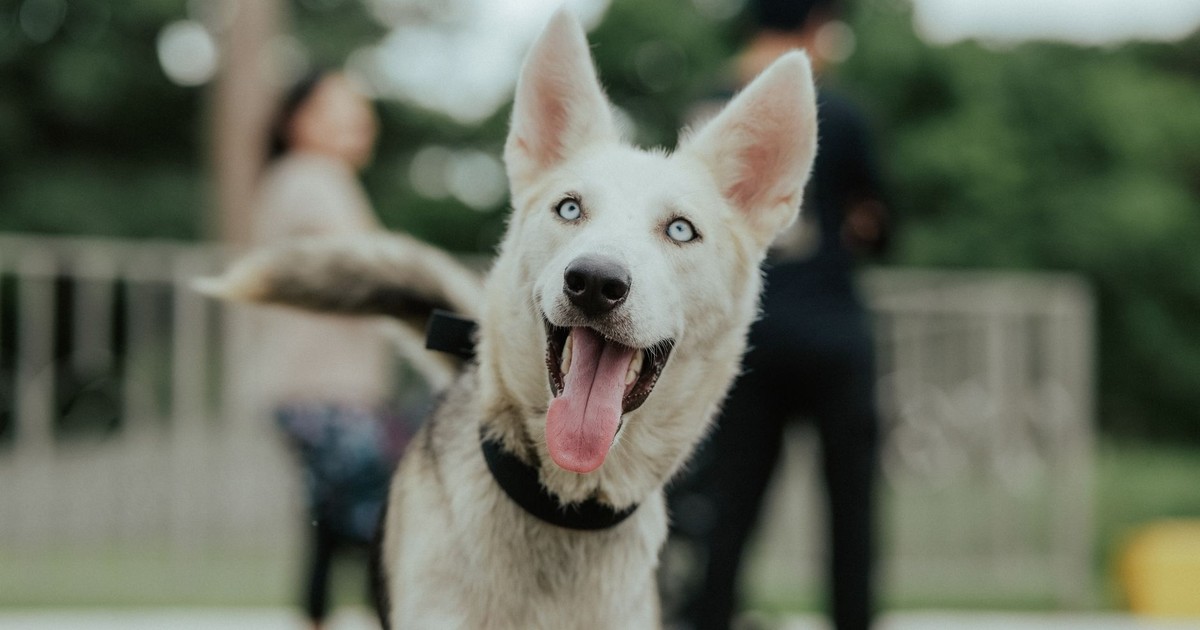
Siberian Huskies are independent, energetic dogs known for their strong prey drive and stubborn personality. They require consistent training and long walks, which may be too physically demanding for many seniors. Their tendency to escape or roam makes them a challenging breed for those who cannot provide strict supervision. Huskies treat fences the way most dogs treat suggestions.
Siberian Huskies love being outside, so a spacious yard is a must-have, but because of their desire to run and Houdini-like ability to escape, a secure fence is also essential. If you have other pets, especially cats or smaller dogs, Huskies have a very strong prey drive. And without lots of attention, they’re prone to chewing, digging, and howling. Huskies are famously vocal. When a Husky has an opinion, the whole neighborhood hears it.
They have a thick double coat that requires regular grooming, which may be difficult for seniors with mobility issues. A double coat that blows twice a year means fur in quantities that defy physics. The grooming commitment alone, brushing and deshedding through the seasonal explosion, is a genuine time and physical investment that compounds an already demanding ownership experience.
German Shepherd
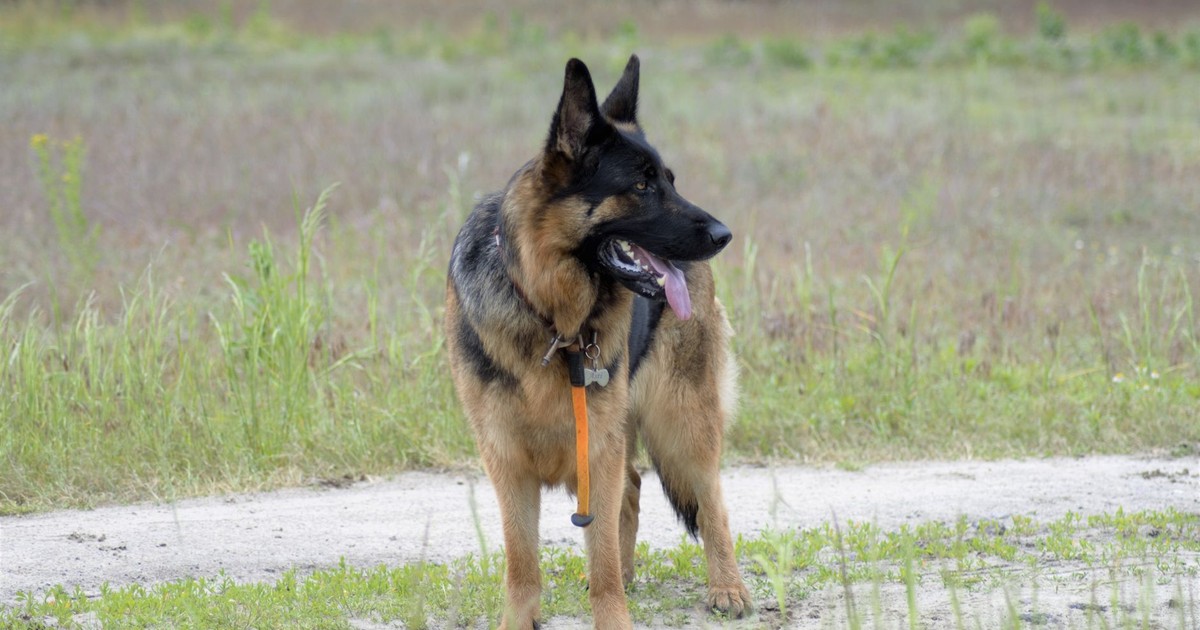
German Shepherds are loyal, intelligent, and among the most capable breeds in the world. Most healthy adult German Shepherds do well with 60 to 120 minutes of exercise daily, split into at least two sessions, alongside daily mental enrichment. Working-line and higher-drive dogs often sit at the top of that range, while lower-drive companion dogs may do fine nearer the bottom, but very few adult German Shepherds thrive on less than an hour total.
German Shepherds are known for their high energy and need for regular exercise, which can challenge seniors with mobility issues or a more sedentary lifestyle. Without sufficient activity, the dog may become restless or develop behavioral problems. An understimulated German Shepherd, a dog that weighs 65 to 90 pounds and has strong protective instincts, can become destructive in ways that are genuinely difficult to manage.
German Shepherds are among the breeds at higher-than-average risk for hip dysplasia, a condition that leads to painful arthritis, bone spurs, muscle atrophy, and limited mobility as it progresses. An owner in their 60s who adopts a German Shepherd puppy may find themselves managing a dog with complex joint and mobility needs during a decade when their own health needs are increasing.
Cane Corso
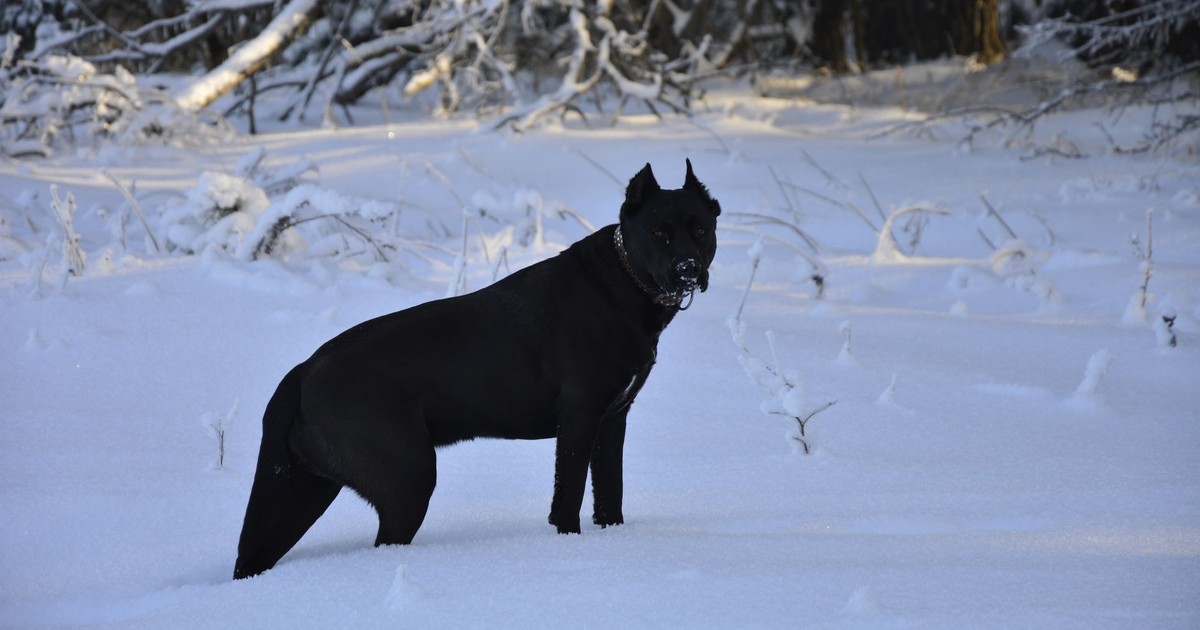
The Cane Corso, or Italian Mastiff, is a smart and affectionate breed known for a large stature and loyal nature. These dogs can weigh over 100 pounds, with males standing up to 27.5 inches tall at the shoulders according to the AKC breed standard. A dog that outweighs many of its owners is not one that can be redirected with a gentle tug on the leash if something catches its attention mid-walk.
Because of their strength and determination, they are not the ideal dog for children or seniors and are also not well suited for multiple-dog households, especially with other dogs of the same sex. The Cane Corso’s working dog heritage means they flourish on regular mental and physical challenges, and without consistent leadership, socialization, and ample exercise, they may develop dominance or destructive behaviors. “Consistent leadership” with a 100-pound dog requires physical confidence and experience that not every dog owner has, and that can diminish with age.
The Cane Corso’s deep chest conformation creates real emergency risk. Gastric dilatation-volvulus, commonly called bloat, is a life-threatening condition in which the stomach fills with gas and twists on itself, a veterinary emergency requiring surgery within hours of onset. Emergency veterinary care for a dog this size, at the speed that bloat demands, is a crisis scenario that any prospective owner needs to plan for realistically.
Border Collie
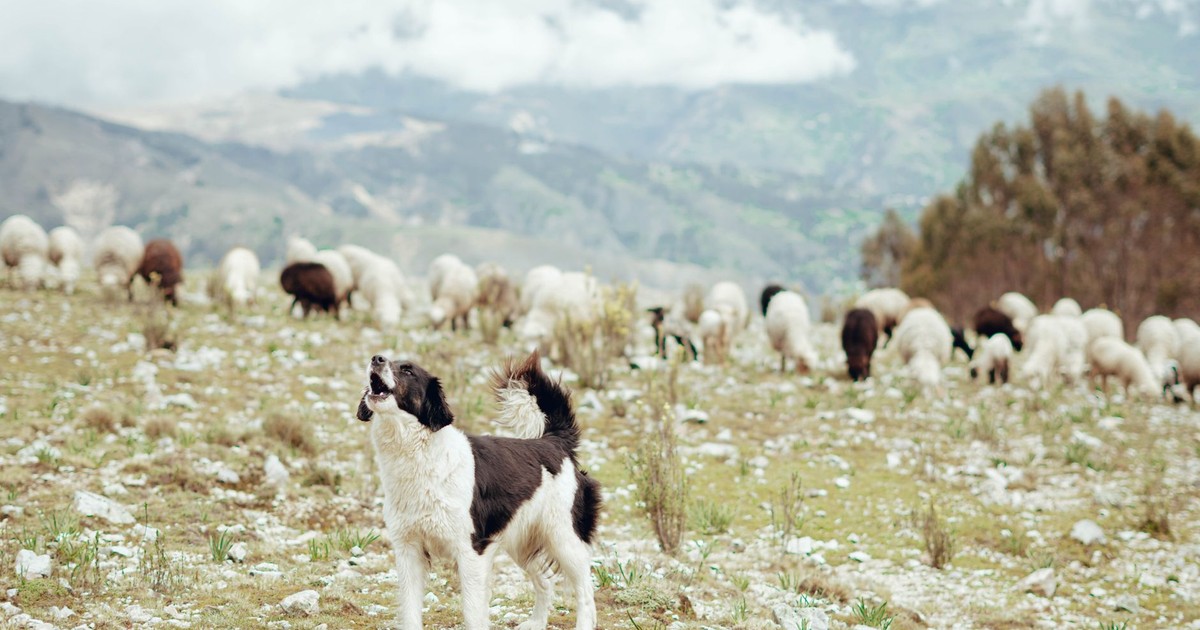
With their sharp minds, boundless energy, and trademark intense stare, Border Collies were bred to herd livestock and remain one of the most agile and intelligent breeds today. Intelligence in a dog sounds like a selling point, and with the right owner it is. For a senior seeking a calm companion, though, that intelligence becomes a liability if it isn’t channeled properly.
Border Collies are highly energetic and intelligent dogs, often considered the most active of all breeds. They require regular intellectual stimulation and vigorous exercise, which may be too demanding for some seniors. Collies also have a tendency to herd, which can lead to nipping at heels and chasing, behaviors that could potentially be hazardous for seniors with balance issues. The herding behavior is instinctive and not something training fully eliminates. A Border Collie that decides to herd a grandchild, another dog, or even its owner around the kitchen is acting on genetics, not malice, and the behavior carries real physical risk regardless of the dog’s intentions.
These dogs were bred to work sheep in the border regions between England and Scotland, and a gentle stroll around the block won’t satisfy them. The mental stimulation requirements alone, puzzle toys, agility training, herding games, structured obedience, can feel like a part-time job. For someone whose retirement vision involves reading, gardening, and unhurried mornings, that is a significant mismatch.
Weimaraner
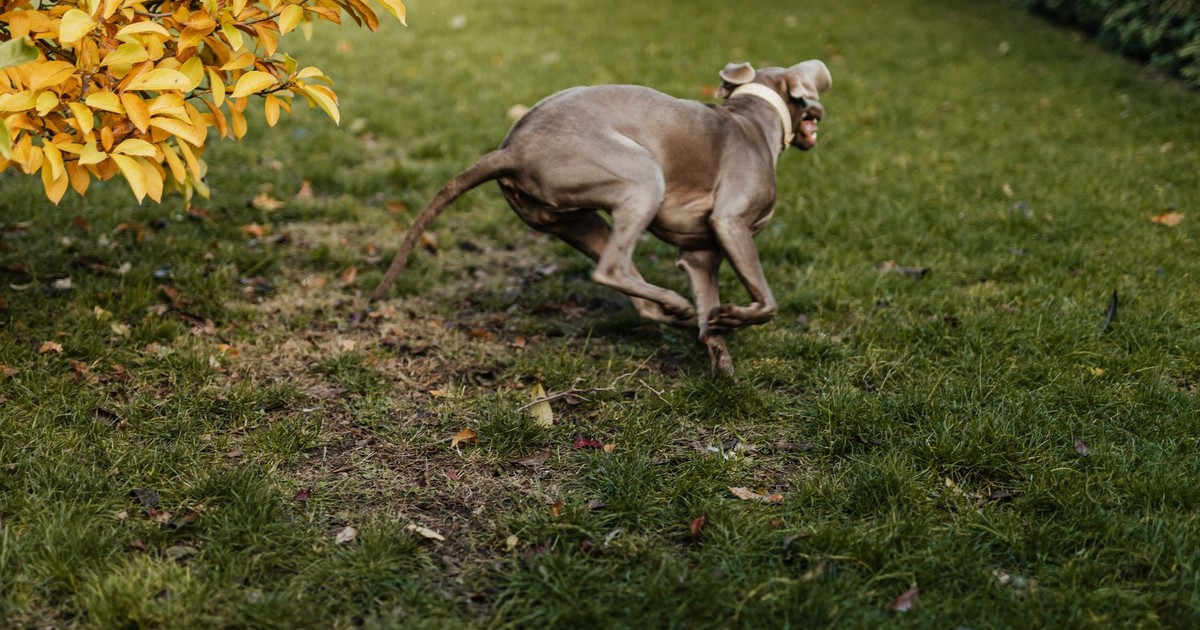
Weimaraners are sleek athletes with restless minds and big feelings. They bond tightly, dislike long solitude, and can develop separation struggles without management. Pent-up energy often explodes into counter surfing, frantic zoomies, and creative redecorating. Exercise expectations are serious: running, field games, tracking, and structured obedience.
Weimaraners struggle with separation anxiety and can become destructive if left alone for long periods without proper exercise. The separation anxiety piece is particularly relevant for seniors who travel, visit family for extended stays, or simply value the freedom to come and go without managing a dog who treats every departure as a crisis. The Weimaraner’s devotion to its owner is genuine and touching, and also relentless.
The breed’s exercise requirements interact badly with retirement patterns that many people look forward to. Slower mornings, afternoon naps, reduced intensity. None of that suits a dog that functions on the assumption of daily runs, field work, and constant human engagement. Older owners who enjoy long mornings outdoors and regular training may connect deeply with a Weimaraner. If you provide exercise, mental games, and calm leadership, a Weimaraner becomes affectionate and fun every day. The right senior owner for this breed is one who genuinely stays active, not in the sense of a daily 20-minute stroll, but in the sense of long outdoor mornings and structured training sessions, day after day.
Great Dane
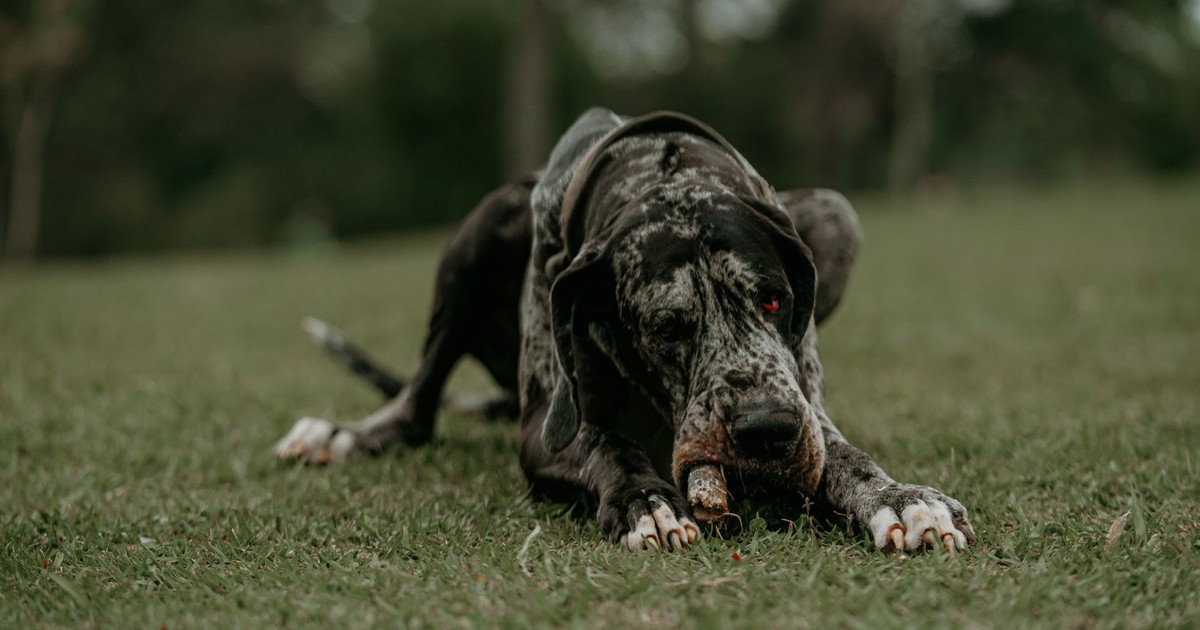
Great Danes have a gentle temperament that earns them the “gentle giant” label, and they are genuinely affectionate dogs who often believe, with complete conviction, that they are lap dogs. The physical reality of their size, however, creates practical challenges that are easy to underestimate. Breeds like the Saint Bernard, Great Dane, and Rottweiler are known for their size and strength. While they might not require as much exercise as high-energy breeds, their sheer size can make them difficult to manage. A large dog pulling on a leash could lead to falls or injuries.
Falls are the leading cause of injury for adults ages 65 and older. A CDC study found that an estimated 86,000 fall injuries associated with dogs and cats occur in the United States each year, with dogs responsible for the large majority, and injury rates highest among adults over 75. A 130-pound dog that decides to lunge at a squirrel while you’re holding its leash on an uneven path is a fall risk in a very real, consequential way.
Great Danes also carry a shorter-than-average lifespan, meaning an owner who adopts one as a young adult dog may face profound grief and significant end-of-life veterinary costs within just a few years. Managing the physical needs of a very large dog as it ages, helping it in and out of cars, keeping it comfortable, lifting or supporting it during mobility difficulty, also demands physical capacity that may be harder to sustain as both owner and dog get older together.
Rottweiler

Rottweilers are fiercely loyal and often deeply devoted to their families. They are also powerful, confident dogs with strong protective instincts that, without consistent and experienced management, can become a liability rather than an asset. Rottweilers are a powerful breed, and while they can be loyal and protective, their size and strength can be overwhelming for seniors.
The training commitment for a Rottweiler is not optional. A well-trained Rottweiler is a pleasure to be around. An undertrained one, at 80 to 130 pounds, is genuinely dangerous in public situations, with strangers, or around smaller animals. That level of ongoing training investment, obedience work, socialization, boundary-setting, requires time, physical presence, and confidence that can be harder to maintain later in life.
Rottweilers can also be reactive to strangers, which complicates visits from home care workers, grandchildren’s friends, delivery drivers, and anyone else who enters the home without the dog already knowing them well. For a senior who may increasingly need people coming and going in their home, that reactivity pattern adds a layer of complexity that is worth weighing carefully.
Dalmatian

Dalmatians occupy an unusual spot in the cultural imagination: the Disney-friendly, fire-station-adjacent, spotted-and-photogenic dog that seems approachable and fun. The reality of the breed is considerably more demanding. Dalmatians were bred to run alongside horse-drawn carriages for hours, an origin story that explains, fairly completely, why a daily walk does not come close to satisfying their exercise requirements.
They are also dogs with a strong independent streak and a history of health complexity. Dalmatians are uniquely prone to a genetic condition affecting uric acid metabolism, which can lead to kidney stones and bladder stones, requiring careful dietary management throughout their lives. That health monitoring and dietary precision is a commitment that adds to the general ownership demands of a high-energy breed.
The breed can also be challenging to train without significant experience. Dalmatians are intelligent, but their independent nature means they require consistent, patient, and experienced handling to become reliably obedient, the kind of sustained training effort that can outlast the energy of even committed owners.
Jack Russell Terrier
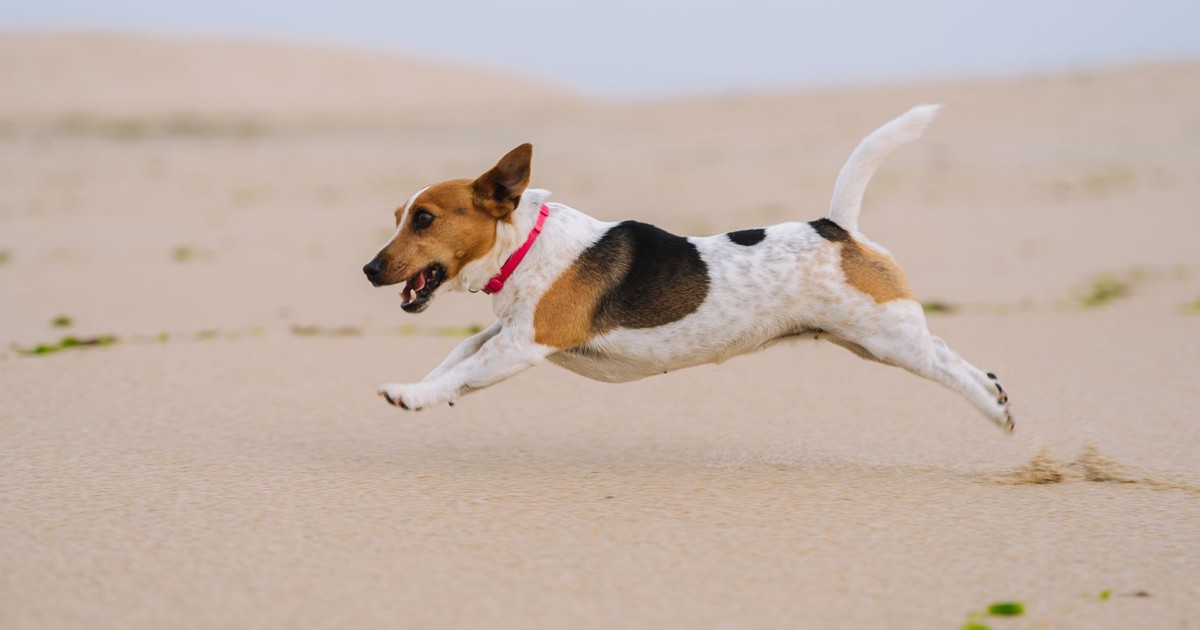
Small dogs frequently get recommended for seniors on the reasoning that small equals manageable. The Jack Russell Terrier is the breed that most comprehensively disproves that reasoning. Smaller breeds such as the Jack Russell Terrier may seem manageable in size, but their intense activity and stubborn streak make them difficult for less active owners.
Jack Russells were bred to hunt foxes, including chasing them into burrows underground. They are fast, determined, fearless, and entirely indifferent to the concept of “enough exercise for today.” A Jack Russell with unsatisfied energy will find its own stimulation, digging, barking, shredding, escaping, with a cheerful commitment that is impressive and exhausting in equal measure.
High-energy breeds including Jack Russell Terriers are known for their intelligence and athleticism, but without adequate activity, they can develop behavioral problems such as excessive barking, chewing, or digging. The barking alone is a significant consideration. Jack Russells are not quiet dogs, and in apartment buildings, retirement communities, or any shared living situation, a vocal terrier can create neighbor relations problems that compound daily.
Alaskan Malamute
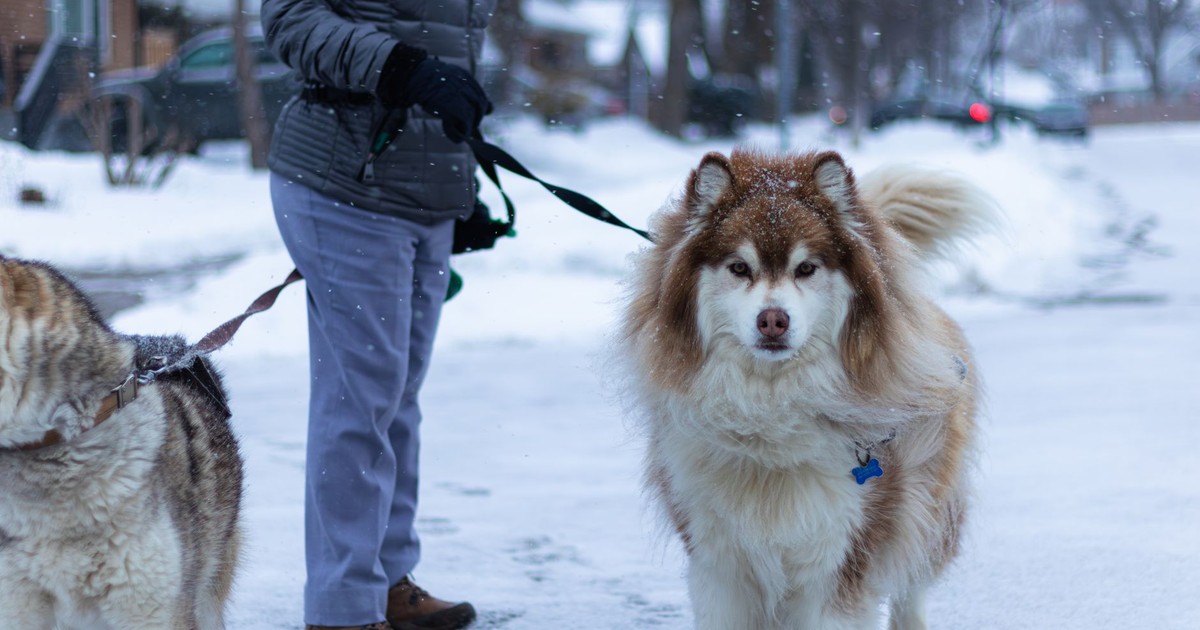
The Alaskan Malamute is frequently confused with the Siberian Husky and carries many of the same challenges, but larger. Malamutes were bred as freight-hauling sled dogs, built to pull substantial weight across vast Arctic distances. They are big, powerful, and built for sustained heavy work, with an independent nature that makes training considerably more demanding than it is with eager-to-please breeds.
Malamutes are diggers by nature and will excavate a yard with impressive speed and thoroughness. They are also dogs that assert themselves with other animals, and multi-pet households can become complicated quickly without experienced management. Like Huskies, they are double-coated and shed heavily, requiring significant grooming investment through seasonal shedding periods.
The physical management challenge with a Malamute is perhaps the most immediate concern for seniors. These dogs can weigh up to 85 pounds and pull with force that reflects their working heritage. Walking a Malamute that is invested in going somewhere other than where you’re headed requires physical strength and confident handling that is a realistic consideration for any dog owner looking at this breed.
Chow Chow
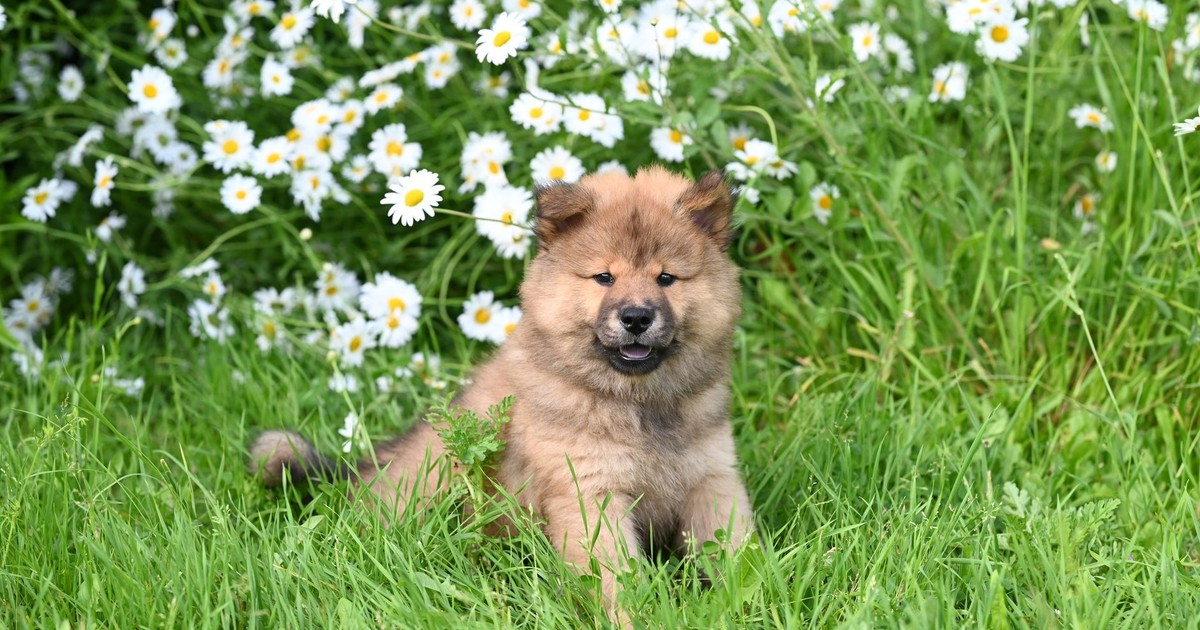
Chow Chows have a reputation for aloofness that people sometimes mistake for low-maintenance temperament. An independent dog must be an easy dog, but that is not quite how it works. The Chow Chow may look like a huggable ball of fluff, but these independent dogs aren’t as lovey-dovey as they appear. They require extensive early socialization, consistent experienced handling, and an owner who understands their particular brand of loyalty and their particular approach to strangers.
Chow Chows can be deeply protective of their primary person and deeply suspicious of anyone else. That protectiveness, in a dog this size, means that introductions to new people, visits from family members the dog doesn’t regularly see, and encounters with strangers in public all require careful, confident management. For a senior who may be gradually expanding their network of helpers and visitors, a dog with strong stranger-wariness is an added logistical complexity.
Their thick double coat also requires consistent grooming, a real physical commitment, particularly during heavy shedding periods. And their brachycephalic facial structure, which gives them their distinctive flat-faced appearance, means they can struggle in heat, requiring careful management during warm weather and limiting the activities they can safely participate in.
The Bigger Picture
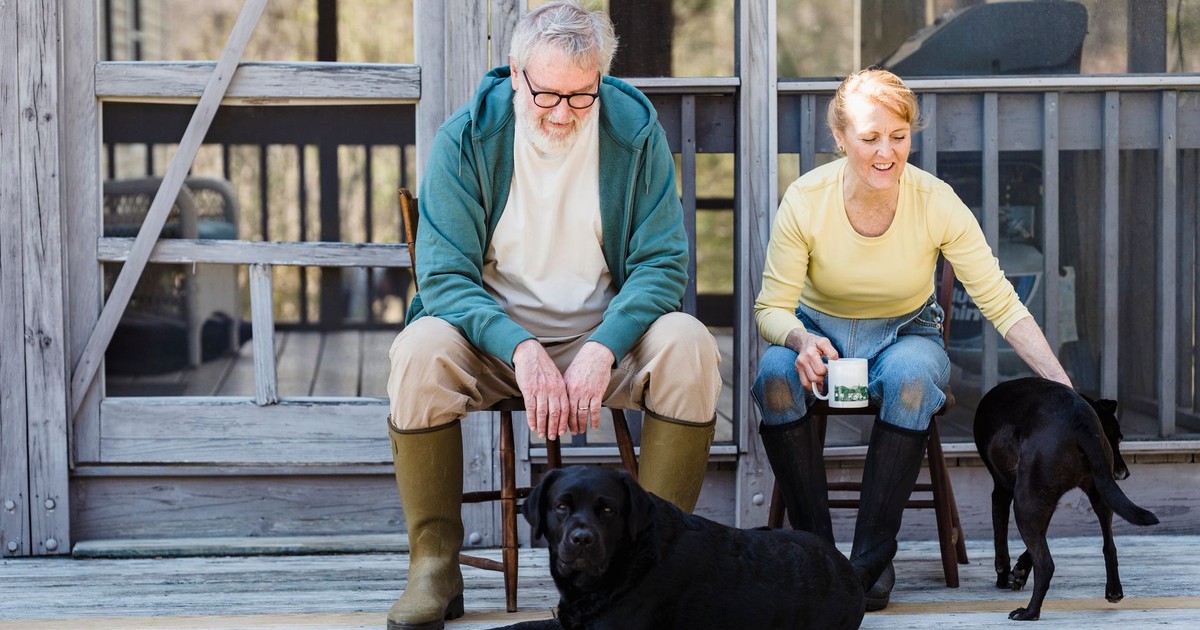
None of these breeds is a mistake in the abstract. They are all here because someone loved them enough to develop and refine them over generations, and many owners of each breed would cheerfully tell you that their dog is the best dog they’ve ever had. The real question, before the puppy eyes make the decision for you, is whether their experience actually maps onto yours. Their daily life, their physical capacity, their home setup. Enthusiasm for a particular breed is not a substitute for that honest audit.
Dog ownership in later life carries real, well-documented benefits. The companionship, the routine, the reason to get outside and move: all of that is genuine. The benefits are only available, though, when the match between dog and owner is honest. A Border Collie that dismantles your house because it needed four hours of exercise you couldn’t provide is not providing companionship. A giant breed that pulls you off your feet on wet pavement is not improving your health.
The best dog for any senior is the one that fits the actual pace of that person’s actual life, not the pace they imagine they might have or the one they had ten years ago. Many wonderful breeds sit outside this list, dogs with gentle dispositions, manageable exercise needs, and the uncomplicated goal of being near the person they love. Finding one of them is worth every minute of research it takes.
AI Disclaimer: This article was created with the assistance of AI tools and reviewed by a human editor.