

Dogs pick their favorite people with a specificity that can feel almost personal. You come home after a rough day, and the dog launches herself at you before your partner has even stood up from the couch. Your spouse, who feeds her half the time, gets a polite tail wag. You get the full-body tremor of delight, the paws on the chest, the I-thought-you-were-gone-forever greeting reserved, apparently, for you alone. It’s not imagination. It’s not coincidence. And it has very little to do with who buys the better treats.
The way dogs form preferential bonds with specific humans is one of the more carefully researched areas of animal behavior, and what the science reveals is both more complicated and more interesting than most people expect. It doesn’t come down to a single factor, and it doesn’t stay static over a dog’s lifetime. It’s an ongoing negotiation between the dog’s history, neurobiology, emotional reads on the humans around her, and a handful of behavioral patterns that certain people naturally demonstrate more than others.
If you have ever suspected that your dog’s devotion is not random, you are right. Here is what is actually driving it.
The Window You Probably Didn’t Know Was Closing
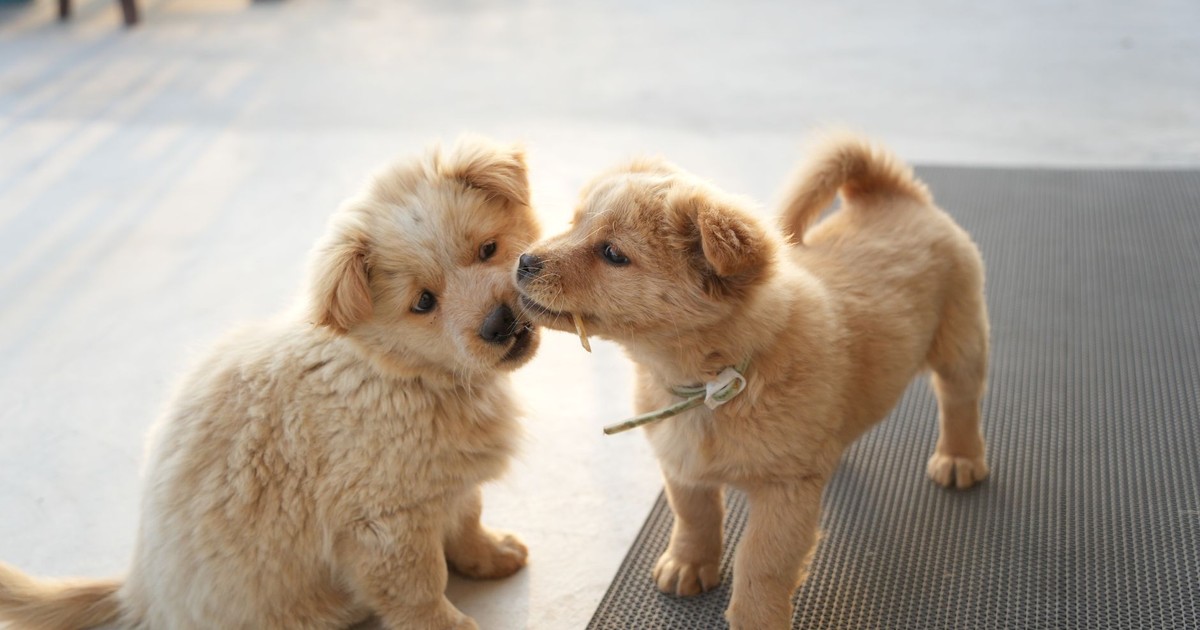
A puppy’s brain does not develop on a flat curve. There is a specific window, roughly the first three to fourteen weeks of life, during which a dog’s brain is neurologically primed to form its foundational relationships with humans. According to UC Davis Veterinary Medicine, the critical social development period for dogs falls between approximately three and fourteen weeks of age, when puppies are most accepting, less cautious, and intensely curious about their environment. Whatever happens in that window doesn’t just inform early behavior. It shapes the template for every human relationship the dog will form for the rest of its life.
Relationships formed during this period become the template for relationships formed later in life. Research by Scott and Fuller, published in their foundational work Genetics and the Social Behavior of the Dog, identified distinct critical periods involving windows of heightened neurological plasticity during which puppies are primed to learn, attach, and form relationships.
This matters for anyone adopting an adult dog, and it matters for any family trying to understand why their puppy glommed onto one particular person from day one. While the prime bonding window closes around 16 weeks, it is not too late to form a strong connection with an older puppy or adult dog. It may take more time and patience, but with consistent effort and positive reinforcement, a lasting bond can be built. The window closing isn’t a sentence. It’s a starting point for understanding why some bonds come easily and others require deliberate effort.
It’s Chemistry – Literally
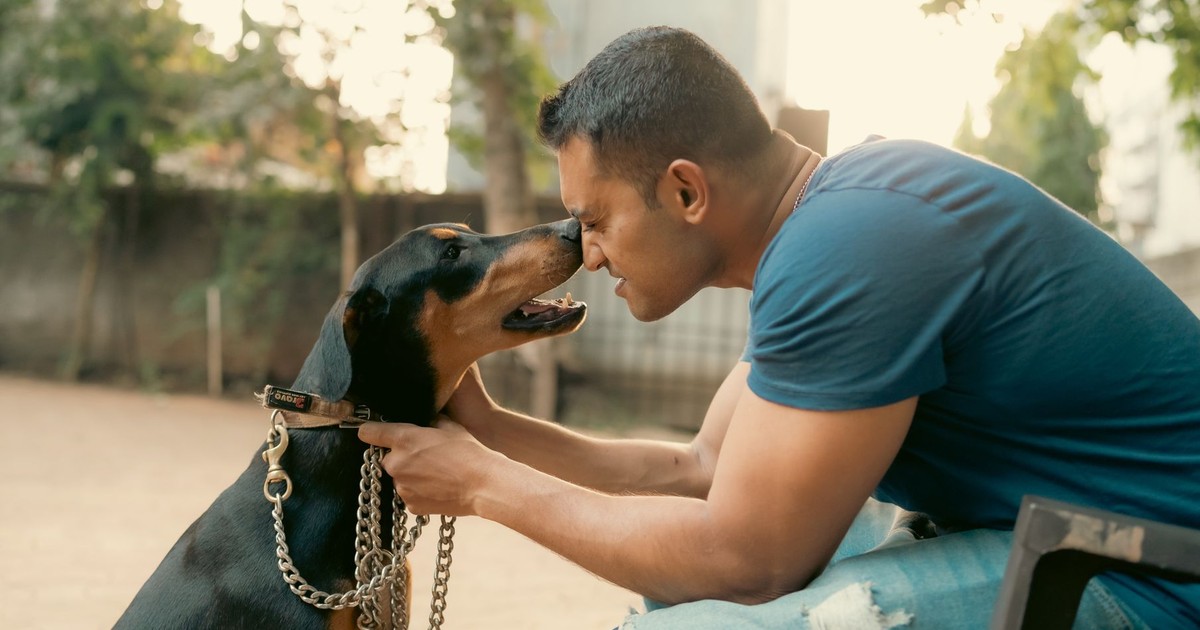
There is a reason looking into your dog’s eyes feels like something. Research published in Science found that gazing behavior from dogs, but not wolves, increased urinary oxytocin concentrations in owners, which in turn increased oxytocin in the dogs themselves. Further, when oxytocin was administered to dogs, it increased their gazing behavior toward owners, which again raised oxytocin in the humans. These findings support the existence of an interspecies oxytocin-mediated positive loop facilitated by gazing, which may have supported the coevolution of human-dog bonding.
Oxytocin, the hormone associated with maternal bonding and trust, loops between you and your dog in real time when you maintain eye contact. The same effect was not found in wolves, which tend to use eye contact as a threat signal rather than a form of social communication with humans. Dogs, over tens of thousands of years of domestication, appear to have co-opted a bonding process that humans use with their own infants and re-routed it across species. That’s not a small thing.
The practical implication is that the humans who make a habit of calm, sustained eye contact with a dog, who let the dog come to them and hold that gaze rather than immediately reaching forward to pet, are building neurochemical credit with that animal whether they realize it or not. The person who greets the dog by crouching down, getting quiet, and letting a two-second look pass between them is doing more relationship work in that moment than the person dumping a full bowl of kibble.
Positive Association Goes Deeper Than Treats
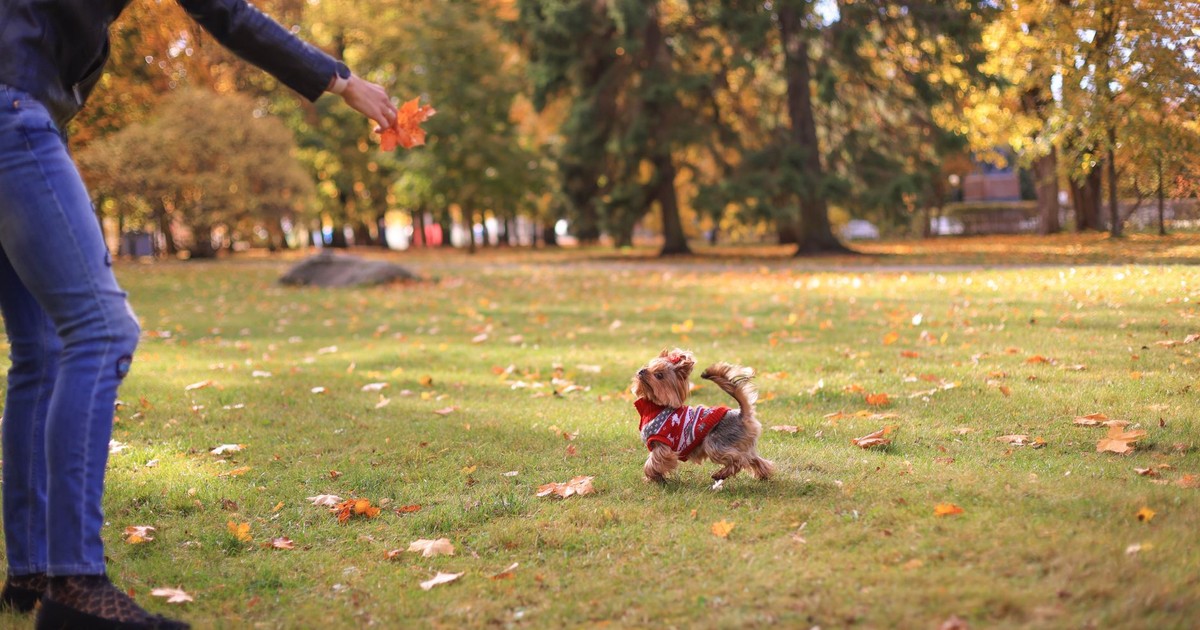
Every dog trainer will tell you food is a powerful tool. What the research fills in is that food is a starting point, not a destination. A dog’s favorite person isn’t always the one holding the treat bag. Dogs also respond to emotional connection, tone of voice, and body language, with preferences shaped by a mix of familiarity, trust, and how well a person understands their needs.
What dogs are actually building, experience by experience, is an association map of the humans around them. Which person’s arrival signals something good? Whose presence makes the world feel navigable? Who reads the room correctly – who notices when the dog is overwhelmed at a party and quietly takes her somewhere quieter, rather than bringing more guests over to say hello?
If a person is stressed, loud, or inconsistent, a dog may be less likely to form a deep bond with them. On the other hand, someone who offers reassurance and stability often earns the title of “favorite” without even realizing it. This is something many people in multi-dog or multi-person households discover with mild bewilderment: the person who seems to be doing the least – the quiet one on the couch who doesn’t make a fuss – is often the one the dog tracks across the house. Calmness reads as safety. Safety reads as love, in dog.
Attachment That Mirrors Human Infants
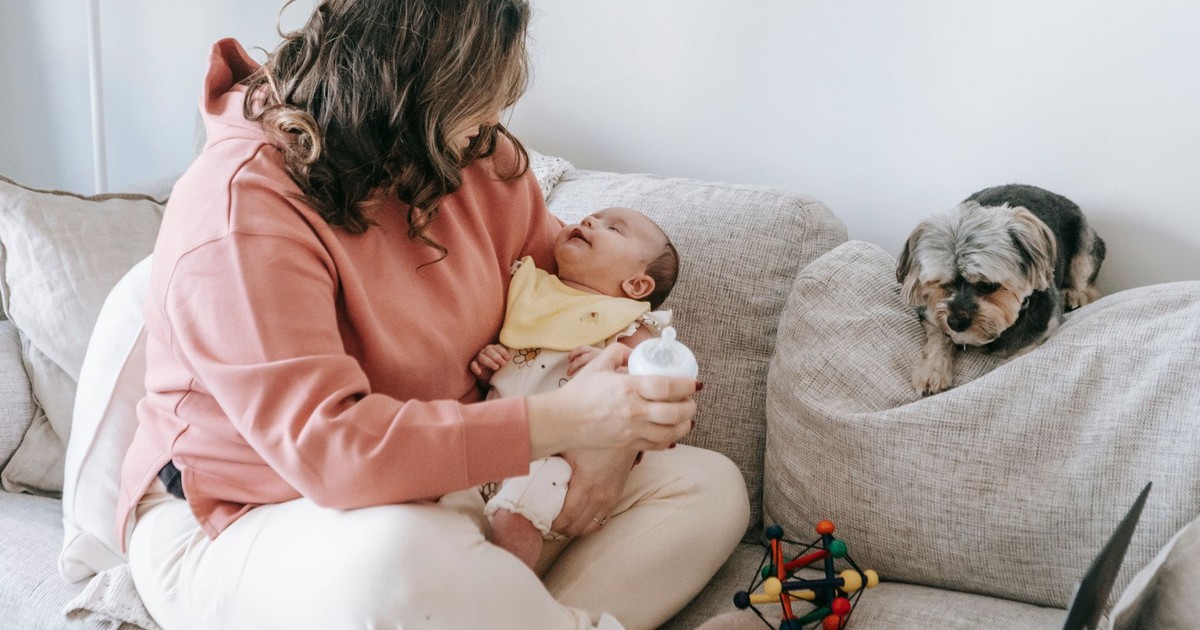
One of the more striking things canine behavior researchers have documented is how closely a dog’s attachment to its primary person mirrors the attachment a human infant forms with a caregiver. Dogs have shown behaviors indicative of an attachment relationship: proximity seeking, where the animal seeks out the attachment figure as a means of coping with stress, as well as the so-called safe haven effect and the secure base effect, where the presence of an attachment figure allows the dog to more freely investigate novel objects.
Studies of dogs in commercial breeding kennels found that the caretaker acted as a secure base when dogs were presented with a social stressor, and that attachment with the caretaker was directly associated with social behavior toward strangers. In other words, how confidently a dog approaches an unfamiliar person isn’t just a personality trait. It’s partly a reflection of how secure the dog feels with its primary person.
There is evidence to suggest that the strength of the social attachment that forms between a human and their pet dog is important for maximizing the therapeutic outcomes of pet dog ownership, more so than other factors. For families, this has a quiet implication: the child or adult who is a dog’s secure base isn’t just the dog’s favorite. They are also the person whose presence most reliably regulates the dog’s whole social world.
Consistency Matters More Than Intensity
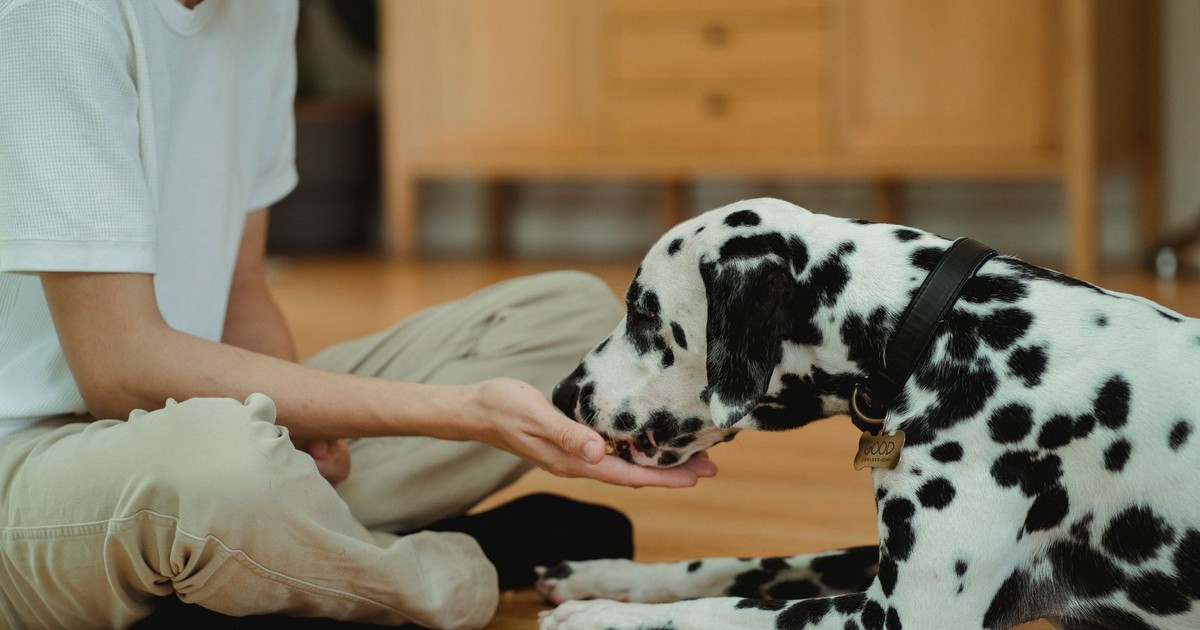
Here is the thing that surprises most people: it isn’t the biggest gesture that counts. It’s not the person who threw the best birthday party for the dog, or who bought the fanciest collar, or who once took her on a five-mile hike. Dogs don’t operate on memorable highlights the way humans do. They operate on patterns.
Dogs make many correct choices throughout the day, but their humans don’t always acknowledge those good decisions. We dole out plenty of praise when dogs are young, but we can become complacent as they mature, even though consistent acknowledgment of behavior reinforces trust and keeps the relationship active. The person who notices the dog, speaks to her on the way to the kitchen, and acknowledges her presence a dozen small times a day is building something more durable than the person who saves all their affection for a single dramatic greeting.
Consistency in tone matters just as much as consistency in attention. A human whose emotional register goes warm one hour, irritable the next, and loud by the weekend is harder for a dog to read than someone who is simply reliably calm. Dogs are not judging the person. They are calibrating risk. Predictability is what makes a human feel like home.
Positive reinforcement training methods build a dog’s confidence and trust in their person. Conversely, punitive techniques can increase a dog’s fear and anxiety and even lead to aggressive behavior toward family members. The way you handle the dog’s mistakes, more than anything else, tells her whether you are safe.
Breed and Personality Both Play a Role
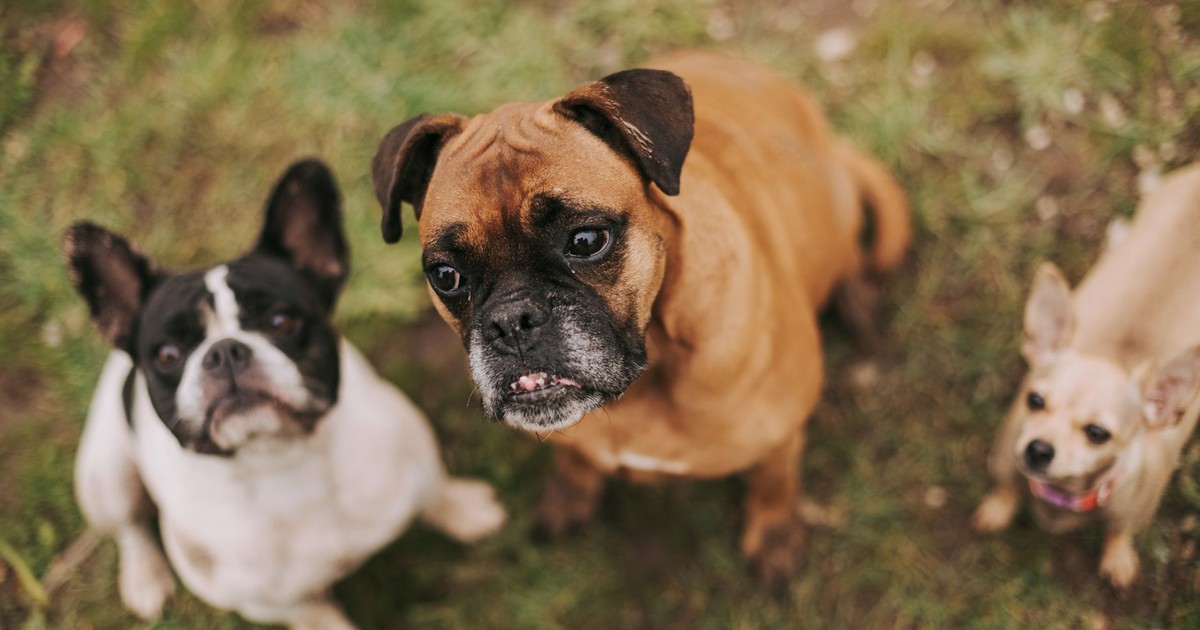
Not every dog bonds the same way, and not every person can expect to be every dog’s person regardless of effort. Breed tendencies are real. Some dogs are hardwired to attach deeply to one human – Akitas, Basenjis, and many herding breeds among them – while others, like Golden Retrievers and Labrador Retrievers, distribute their affection with something closer to democratic generosity. Neither is better. They are just different architectures.
The process of how dogs choose their favorite person involves multiple factors including early socialization experiences, quality of attention received, positive associations formed, and personality compatibility between dog and human. That last factor is underrated. A high-energy dog who gets taken on daily runs by one person and given polite pats by another has made a choice that has very little to do with love and a great deal to do with fit. The dog isn’t judging anyone’s character. She’s noting who moves the way she moves.
Dogs also respond to the energy of a household in ways that go beyond individual interactions. A person who is rarely home but arrives like a weather event – loud greetings, excited wrestling, all-in play – often makes less impression on a dog’s preference than the person who is simply present more often, more calmly, and more reliably attuned.
What You Can Actually Do About It
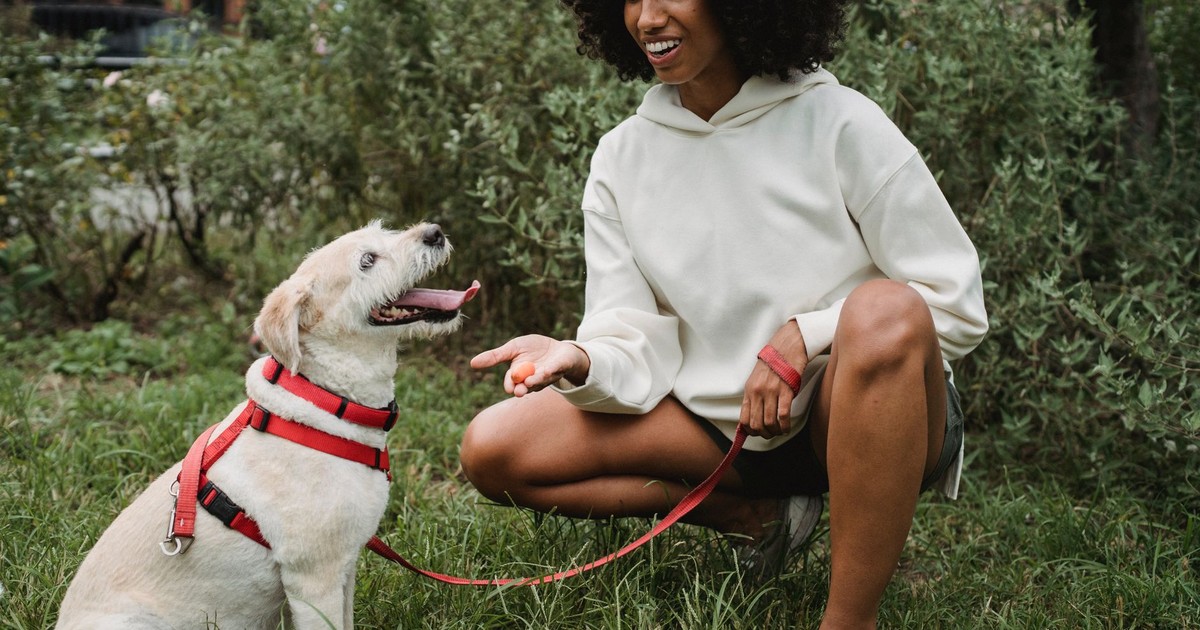
If you are reading this because you are, frankly, a little wounded that your own dog clearly prefers your partner or your kid, that is a reasonable feeling. And it is also a fixable situation, at least partially.
The strategies that genuinely move the needle are not the dramatic ones. The most effective way to build a stronger bond with a dog is to learn to read their facial expressions and body language – because once a person learns what their dog is trying to say, the door to improved understanding and communication opens. It sounds almost too simple, but the act of watching your dog and responding accurately to what you see is, from the dog’s perspective, the whole ballgame.
Take over one feeding. Not because food is the key to love, but because the routine of it puts you in the dog’s daily rhythm. Sit on the floor. Let the dog approach you rather than always going to her. Train something together, even something small: “sit” repeated ten times with a piece of cheese is less about obedience than about the two of you building a shared language. Positive reinforcement enhances the human-animal bond by creating a common language; the dog learns to listen and to respond to the person who taught her, because that person has become legible.
And hold her gaze for a moment when she looks at you. Let it last a second longer than feels natural. The chemistry will do the rest.
Read More: Owner Tells Dog the Cats Got All the Treats, and His Response Has Gone Viral with 200 Million Views
What This Is Really About
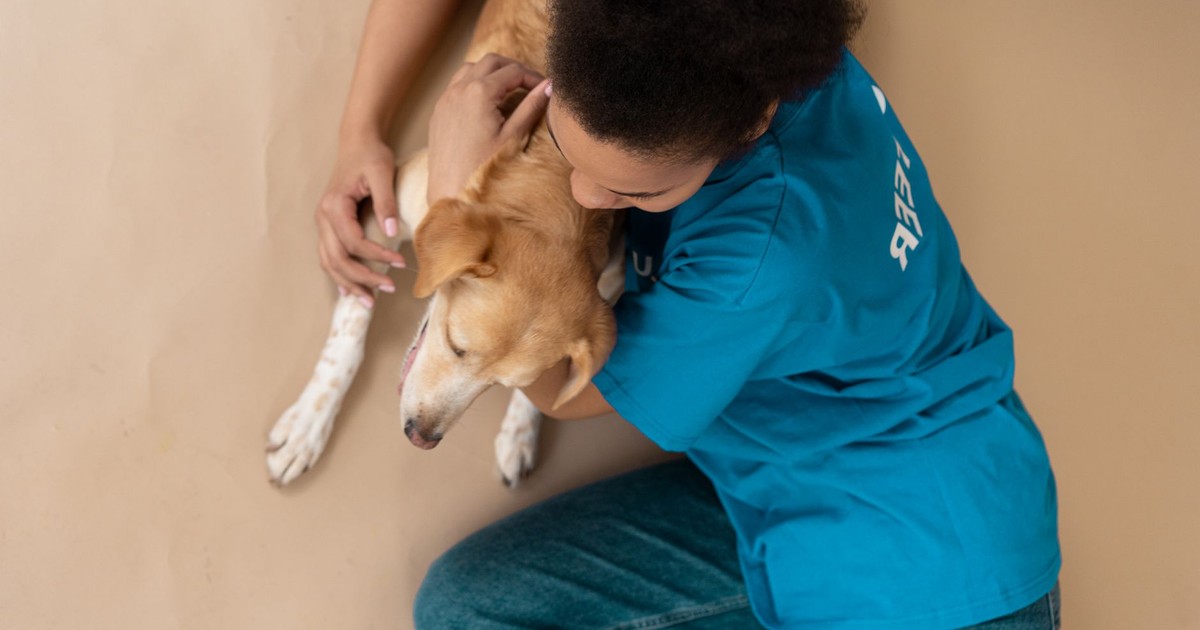
Dogs don’t love randomly and they don’t love equally, any more than people do. The factors that go into a dog’s preference for one person over another turn out to be a fairly honest inventory of what it means to make another creature feel safe: predictability, attunement, calm, reciprocity, and the specific quality of being someone who notices. Not someone who performs, not someone who buys the most expensive things, but someone who simply pays attention and responds to what they see.
Dogs pick their favorite people the way good relationships form in general – not through grand gestures and certainly not through the treat bag alone, but through the accumulation of small, accurate acts of attention. The dog has figured out what many humans spend years trying to articulate: that sustained, accurate attention is its own form of devotion. She already knows who in the room is actually present. She is just polite enough not to make a bigger deal of it than she already does.
AI Disclaimer: This article was created with the assistance of AI tools and reviewed by a human editor.