
Nearly seven million Americans woke up in July 2026 with a notification letter they weren’t expecting – and from a company many of them had nearly forgotten they’d ever done business with. The letter came from AssuranceAmerica, an Atlanta-based auto insurance provider, and it carried the kind of news that requires reading twice: their driver’s license numbers, insurance records, and in many cases their Social Security numbers had been stolen in a cyberattack that occurred back in March. By the time the letters began arriving, the data had been in the hands of an unauthorized third party for nearly four months.
The breach exposed driver’s license numbers for 6.9 million people, making it the largest known spill of Americans’ driver’s license information in 2026, comfortably ahead of the June breach of a Texas government agency that exposed some 3 million licenses and passports. A credential-stealing phishing attack targeting a single employee gave an unauthorized third party access to AssuranceAmerica’s IT environment, a method consistent with the leading cause of insurance sector cyber losses across the industry.
Executive Summary
U.S. insurance provider AssuranceAmerica confirmed a data breach affecting the personal information and driver’s license numbers of 6.9 million people, making it the largest known spill of Americans’ driver’s license information in 2026. AssuranceAmerica detected suspicious activity in its systems on March 17, 2026, tracing back to malicious activity that began the day before, targeting one of the company’s employees. The company engaged external forensic specialists, and its investigation into which files were compromised concluded on June 15, 2026, after which affected individuals began receiving notification letters. AssuranceAmerica operates through a network of over 9,500 independent agents and provides auto and commercial auto insurance coverage across 10 U.S. states.
Who Is AssuranceAmerica – and Why Does It Hold This Much Data?
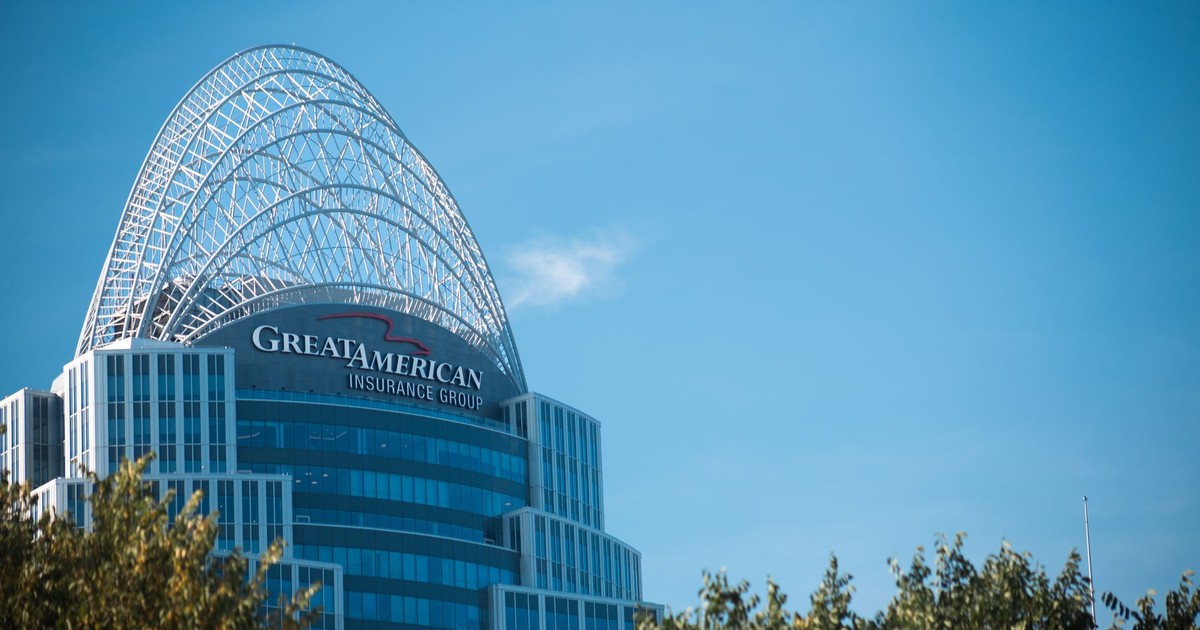
The Atlanta-based company, founded in 1998, provides auto insurance across 10 U.S. states and routinely handles sensitive information tied to policyholders and vehicle drivers. Most people who purchased a policy through one of its independent agents would have done so without ever seeing the AssuranceAmerica name prominently displayed – the company operates largely in the background as a managing general agency, which means it underwrites the coverage that agents sell under various brand arrangements.
That business model has a specific implication for data security. Driver’s license numbers, combined with names and contact information, provide sufficient material for identity fraud, account takeover, and synthetic identity creation. Insurance carriers are attractive targets precisely because they aggregate this class of data at scale, alongside financial and claims history, for large policyholder populations.
The Atlanta-based auto insurance company provides coverage in 10 states, including Alabama, Arizona, Florida, Georgia, Indiana, Missouri, Nebraska, South Carolina, Texas, and Virginia. The firm’s submissions to state regulators indicate that 611,046 South Carolina residents, 500,987 Texas residents, 8,950 Washington state residents, 3,569 Massachusetts residents, and 272 Vermont residents have been affected by the incident.
The Anatomy of the Attack

According to the company’s own data breach notification, the incident came to light after an internal security audit detected unusual data exfiltration patterns originating from a single endpoint. On March 17, 2026, network administrators noticed a massive spike in outbound traffic directed toward a known proxy network frequently utilized by offshore threat actors. Immediate containment protocols were initiated, which included isolating the affected servers and revoking the credentials of the compromised employee account.
Despite these swift containment efforts, forensic analysis later revealed that the attackers had already maintained a persistent foothold in the environment for approximately twenty-four hours, giving them ample time to copy substantial portions of the company’s centralized policyholder database. The firm immediately retained an external cybersecurity firm to conduct a comprehensive digital forensics investigation and determine the precise boundaries of the compromised data.
This forensic review proved to be a meticulous and lengthy process, lasting until mid-June 2026, as engineers painstakingly cross-referenced fragmented system logs to identify exactly which consumer records had been accessed or downloaded.
The Scope of the Regulatory Fallout
Because AssuranceAmerica operates across multiple state lines, the legal ramifications of the breach have triggered a complex web of state-level data privacy investigations. Under existing state statutes, financial and insurance entities are held to stringent data protection standards due to the highly sensitive nature of the information they collect.
In South Carolina and Texas, where the concentration of affected individuals is highest, state attorneys general have already initiated preliminary inquiries into whether AssuranceAmerica maintained adequate administrative and technical safeguards. Investigators are focusing closely on the phishing attack that served as the primary entry point for the hackers, examining whether multi-factor authentication was universally enforced across all employee accounts.
Under the National Association of Insurance Commissioners insurance data security model law, which several affected states have adopted, companies can face severe financial penalties if regulatory bodies determine that a breach was preventable through standard security hygiene. Furthermore, the company faces potential class-action litigation from affected policyholders who allege that the four-month delay between the initial detection of the breach in March and the distribution of notification letters in July left them unnecessarily vulnerable to financial exploitation.
How Stolen Driver’s Licenses Fuel Identity Theft
While public attention often focuses on stolen credit card numbers, cybersecurity experts warn that the theft of millions of driver’s license numbers represents a far more permanent and severe threat to consumer security. Unlike credit cards, which can be instantly canceled and reissued with a new number, a driver’s license number is a permanent identifier that states rarely change unless an individual can prove they have already become a victim of active fraud.
In the hands of sophisticated criminal networks, a valid driver’s license number combined with a full name and address serves as the foundational component for synthetic identity theft. Fraudsters utilize these authentic credentials to construct entirely new, fraudulent credit profiles, allowing them to apply for auto loans, open bank accounts, or secure lines of credit without the victim’s immediate knowledge.
Additionally, because many financial institutions and government agencies rely on a driver’s license as a secondary form of identity verification, possession of this data allows threat actors to bypass standard authentication hurdles when attempting to take over existing legitimate accounts. The inclusion of Social Security numbers in certain portions of the stolen AssuranceAmerica data compounding this risk exponentially, giving identity thieves everything necessary to file fraudulent tax returns or claim government benefits.
Industry-Wide Vulnerabilities in the Insurance Sector
The AssuranceAmerica breach is not an isolated incident but rather part of a accelerating trend targeting the broader insurance industry. Managing general agencies and independent insurance underwriters have increasingly found themselves in the crosshairs of global cybercriminal organizations due to the unique structural nature of their business models. These entities act as massive data aggregators, collecting deep archives of personal, financial, and vehicular information from thousands of independent agents who utilize varied local security practices to submit applications.
This distributed network creates a vast attack surface, where a single weak link or a poorly trained agent can grant attackers a portal into a massive centralized repository. Security analysts note that the insurance sector has historically lagged behind the traditional banking industry in terms of cybersecurity expenditures and the implementation of zero-trust architecture. As ransomware syndicates and data brokers realize that insurance databases contain similarly valuable information with fewer defensive barriers, the frequency of high-impact breaches in this sector is projected to rise.
The vulnerability is further exacerbated by the long retention periods required for insurance underwriting data, meaning that companies often store the sensitive records of individuals who have not been active customers for several years.
Immediate Mitigation Steps for Impacted Consumers
For the millions of Americans affected by the AssuranceAmerica incident, taking immediate and proactive steps is essential to minimize the long-term risk of identity exploitation. Security professionals recommend that all individuals who receive a formal notification letter immediately place a security freeze on their credit reports with the three major credit bureaus, Equifax, Experian, and TransUnion. A credit freeze prevents threat actors from opening new lines of credit or loans in the victim’s name, as financial institutions cannot access the credit file to approve new applications.
Because driver’s license numbers are frequently used in non-credit environments, affected consumers should also regularly monitor their online accounts for unauthorized password reset attempts or unusual communications.
Individuals should utilize the complimentary credit monitoring and identity theft protection services typically offered by companies following a breach of this magnitude, but they should remain aware that these services often expire after one or two years, while the threat from a compromised driver’s license persists indefinitely. Finally, consumers must exercise heightened vigilance against secondary phishing attempts, as scammers frequently leverage the publicity of a known data breach to send fraudulent emails pretending to offer assistance, aiming to trick victims into revealing even more sensitive personal information.
Disclaimer: This information is not intended to be a substitute for professional medical advice, diagnosis, or treatment and is for information only. Always seek the advice of your physician or another qualified health provider with any questions about your medical condition and/or current medication. Do not disregard professional medical advice or delay seeking advice or treatment because of something you have read here.
AI Disclaimer: This article was created with the assistance of AI tools and reviewed by a human editor.