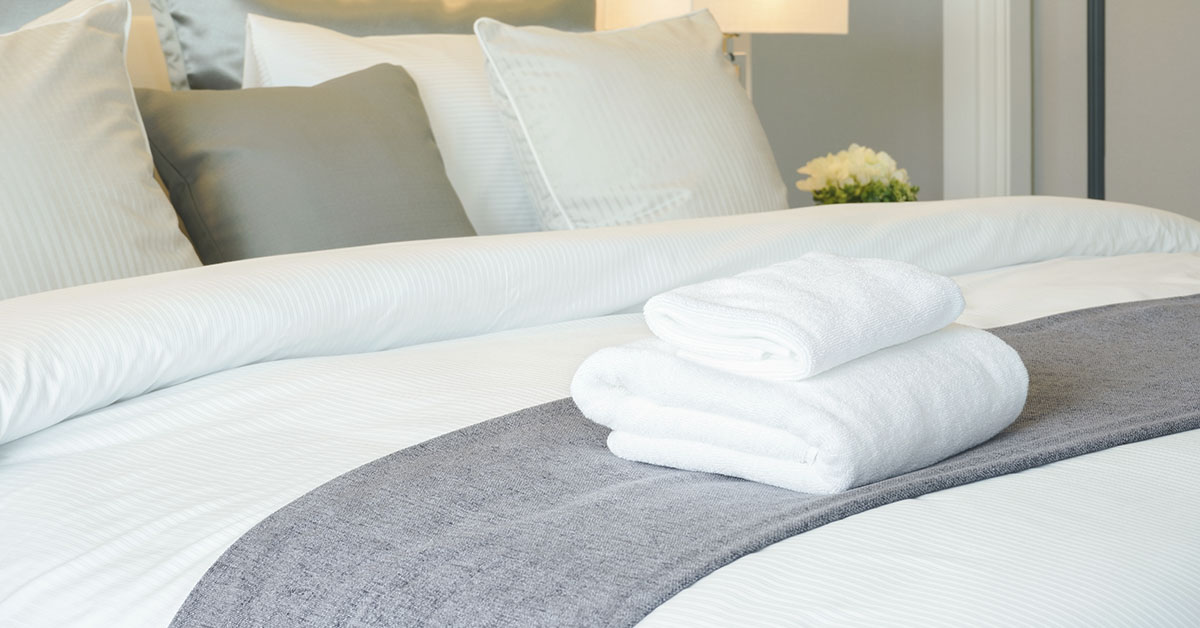

Walk into a hotel room, and your brain starts scoring it fast. The bed looks crisp, the bathroom looks staged, and the space looks ready. Hotels know guests make decisions in minutes; therefore, they build rooms for first impressions. Yet those impressions come from systems, not luck. They come from linen choices, lighting plans, cleaning routines, and materials that survive constant use. They also come from small details most guests never question. This article starts with the most misunderstood detail of the bed.
It sits in plain sight, yet it carries more purpose than people assume. From there, the article lifts the lid on other hotel “invisible” choices. You will learn why hotels rely on white linens, how sleep setups stay consistent, and why rooms use layered lighting. You will also see why toiletries arrive in small bottles, how hotels reduce noise, and how housekeeping routes save minutes. It also explains why furniture stays minimal and secured, how room temperature gets managed quietly, and why mini-bars cost more than guests expect.
The bed cloth runner at the foot of the bed
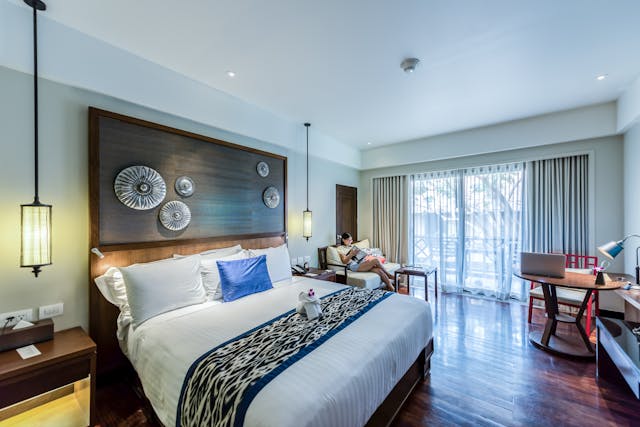
Hotels call it a bed runner, and some call it a bed scarf. Guests notice it because it breaks up the sea of white. It looks like décor, yet hotels do not buy décor that only sits there. They buy items that protect bigger costs and reduce extra work. The runner sits where guest behavior concentrates. People sit on the edge to lace their shoes. People drop a jacket and a handbag after traveling. People rest a suitcase for unpacking, then drag it off again. That repeated contact creates friction, dust transfer, and stray marks. One linen supplier explains the “functional side” directly, stating, “It keeps your duvet cover from being soiled by dirty shoes.”
The runner also acts like a small, fast swap when something goes wrong. A duvet cover takes time to strip, wash, dry, and remake. A runner is smaller; therefore, housekeeping can replace it quickly and keep the bed looking sharp. It also creates a built-in visual checkpoint during inspection. If the runner sits skew, the whole bed looks careless. Fixing the runner takes seconds; therefore, the room looks finished again. Suppliers also point out the branding role. One hospitality textile company notes the runner “adds a touch of colour and style,” while also protecting the duvet from “mucky shoes or luggage.” That combination is the real secret. The runner earns its place by protecting the core linens, supporting speed, and keeping the bed photo-ready.
Why hotels use white bedding and linens
White linens are not a timid choice. They are a loud choice, because they reveal everything. That is exactly why hotels keep choosing them. Alsco explains the operational advantage: “It makes spotting stains, damage, and other similar issues easier.” When stains show, staff cannot miss them during checks. That pushes faster removal of damaged items and more frequent laundering. It also reduces the chance that a marked sheet slips back into rotation. Guests read white as honest, so the room signals cleanliness at first sight.
White also simplifies the work behind the scenes. Housekeeping can bundle loads without color sorting; therefore, laundry runs stay efficient. Laundries can use approved whitening processes to keep linens bright, even after heavy use. Inventory becomes more flexible because sheets can move between rooms without clashing. That matters during high occupancy weeks, when stock turns fast. White also photographs well, which helps marketing stay consistent across locations. Hotels then add character with a runner, cushions, or a throw. The base stays the same; therefore, the operation stays smoother across every floor.
The purpose of mattress toppers and pillow menus
Hotels want a bed that performs the same way in every room. Mattresses age unevenly, even inside one building. A topper helps smooth those differences and protects the mattress from sweat and minor spills. It also supports hygiene routines, because many toppers and pads are designed for frequent washing. When hotels can refresh the sleep surface quickly, they reduce complaints and reduce room moves. Comfort becomes less dependent on which room a guest gets. Toppers also protect against sagging impressions, so the bed keeps a supportive shape longer.
Pillows create a different problem. One guest wants firm support, another wants soft loft, and allergies add another layer. A pillow menu solves that with choice. One hotel describes the idea, stating, “Choose your preferred shape, filling, and level of support.” That promise sounds simple, yet it prevents late-night frustration. It also helps long-stay guests, who notice small discomfort quickly. When hotels offer options, they reduce returns at the front desk. They also protect reviews, because sleep quality drives ratings. Choice also limits improvised fixes, like stacking cushions, which can look messy and strain housekeeping.
Why rooms have multiple types of lighting and hidden climate controls
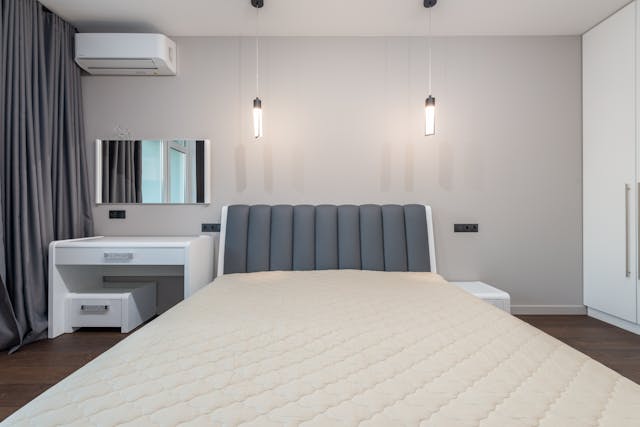
A hotel room must handle many roles in a small space. Guests may work at the desk, read in bed, or unpack after midnight. One lighting guide explains the approach: “There are four basic layers of lighting: General lighting, also called ambient, accent lighting, task lighting, and decorative lighting.” Layered light lets a guest brighten one area without blasting the whole room. That keeps glare down and makes the room easier to use. It also reduces the need for bulky lamps that steal surface space. Separate switches and dimmers also cut annoyance, because guests can control the light without getting up.
Climate control works in a similar way, even when guests do not see the system. Many hotels use centralized systems with room-by-room control, supported by sensors. A Minnesota report notes: “A guest room energy management system (GREMS) provides occupancy-based control of the room HVAC unit and even lighting to save energy.” Guests still get thermostat control while present, yet the room can ease back when empty. Energy Star also gives the plain instruction: “Avoid heating/cooling unoccupied spaces.” These systems protect comfort and reduce waste. They also limit extreme settings that strain equipment. Some systems also precondition rooms before arrivals, so guests avoid walking into stale air.
Why toiletries are small, branded, and sometimes disappearing
Toiletries look like tiny gifts, yet they serve multiple jobs at once. They support hygiene, signal quality, and reinforce brand identity. Cornell researchers describe the brand pressure behind amenities, stating that brand managers focus on “maintaining consistent brand standards systemwide.” That consistency is not abstract. It can show up in scent, packaging, and product texture. Hotels also choose formulas that suit many skin types. Fragrance strength, allergens, and irritation risk can trigger complaints. When a guest sees the same amenity style across properties, the brand looks more reliable. It also helps guests know what to expect on repeat stays.
Small bottles also limit mess and simplify restocking. Sealed minis make it easy to replace only what is missing. Minis also reduce shared-use concerns, because each guest gets a fresh seal. Yet plastic waste has pushed change, especially in regulated markets. California law defines a “Small plastic bottle” as one “with less than a 6-ounce capacity.” The same law explains that these bottles can be prohibited in hotels under set timelines. Many properties now switch to dispensers, which cut plastic but require strict cleaning routines. Hotels also use locking mounts to prevent tampering. Groups like Clean the World also focus on waste reduction by recycling hotel soap into new bars. The goal stays the same: hygiene that looks orderly, with less waste left behind.
Why noise-reducing practices exist
Guests forgive a small room more easily than a sleepless night. Noise control, therefore, sits near the center of hotel design. Psychiatrist David Halperin wrote that “Environmental noise, especially that caused by transportation means, is viewed as a significant cause of sleep disturbances.” That research aligns with guest behavior. When noise interrupts sleep, people complain, request moves, or leave poor reviews. Those outcomes cost money and staff time, so hotels treat sound like a service issue.
Many solutions are physical and unglamorous. Hotels use tighter door seals, heavier doors, and double glazing where possible. Carpets and soft finishes help absorb corridor echo. Curtains can also reduce outside noise while blocking early light. Some buildings lean on a steady background sound from HVAC, which can mask sudden spikes. Hotels also control where they place guests. Families, groups, and event attendees may be clustered away from light sleepers. The goal is simple: keep noise from traveling, and keep guests from waking.
How housekeeping schedules are optimized and why furniture stays minimal
Housekeeping is a timed operation with little room for delay. Rooms must be ready by check-in, therefore teams work in planned sequences. Standard procedures often separate daily tasks from deeper cleaning cycles. One housekeeping SOP notes, “Regular cleaning includes the following: … Shampoo for carpets and upholstery.” That kind of scheduling prevents a property from drifting into visible wear. It also keeps labor predictable, because deep cleaning takes longer. When managers plan those tasks, they reduce last-minute room blocks.
Furniture choices support the same efficiency. Hotels often avoid too many loose pieces because every object slows down cleaning and increases damage risk. Some items are also secured for safety and control. A safety guide states: “You need to anchor it to the wall. Period.” Anchoring reduces tip-over risk, especially in family travel. It also discourages guests from shifting heavy furniture and scuffing floors. Fewer movable items mean fewer surprises during turnover. The room still looks polished, but the design stays practical for cleaning.
Read More: 8 Hotel Secrets Your Guests Are Probably Surprised to Hear
Why mini-bars are priced high
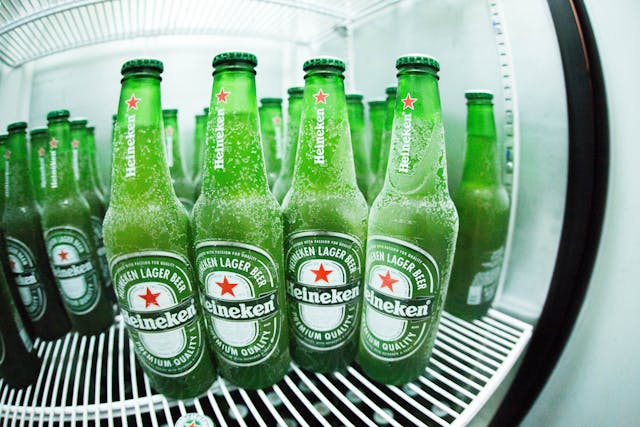
Mini-bars look like a simple shelf of snacks, yet they create a control problem. Stock disappears easily, and disputes can get awkward. A hospitality cost-control text explains: “Many modern minibars record liquor sales electronically as products are removed by guests.” That technology adds cost, and it still needs oversight. The same text warns that those records “must be carefully monitored” so items are not “lost to employee theft.” Monitoring, restocking, and reconciling charges all require labor.
Pricing also reflects convenience. A guest pays for instant access at any hour, without delivery time. Hotels also price in spoilage risk, especially for snacks with short shelf lives. They replace dented packaging because presentation influences trust. They also carry the cost of shrinkage, because not every missing item gets paid for. Once those costs stack up, higher prices become predictable. The mini-bar is not priced like a corner shop. It is priced like a tightly controlled service running inside a private room.
Conclusion
Hotels work best when a room looks effortless, yet every detail is managed. The bed runner, sometimes called a scarf, sits where grime and handling concentrate. A linen supplier explains its job plainly. It “keeps your duvet cover from being soiled by dirty shoes.” That strip protects bedding and speeds turnover. It keeps the presentation consistent, because staff can straighten it at a glance. When it stays crisp, the bed looks cared for. Hotels keep it because it performs, not because it looks pretty. The same logic explains white linens, which reveal stains and simplify high-volume laundering. It explains toppers and pillow options, because poor sleep triggers complaints and room moves. Lighting comes in layers so guests can read or work without harsh overhead glare.
Toiletries stay small and branded to streamline restocking and keep a house style consistent. Quiet building choices, plus smart room placement, reduce night disruptions that trigger refunds. Housekeeping routes run on tight timing, so teams clear checkouts fast for arrivals. Furniture stays minimal and secured, so cleaning stays quick, and damage stays low. Energy systems use room controls and sensors to cut waste when guests leave. Mini-bars cost more because of monitoring and shrinkage, plus convenience pricing, sit behind that tiny fridge. None of these choices looks dramatic, yet each removes friction from the stay for staff and guests alike. Hotels design rooms for thousands of nights, so durability and speed drive decisions. Next time you check in, notice the small cues working quietly in your favor.
A.I. Disclaimer: This article was created with AI assistance and edited by a human for accuracy and clarity.