

Many people think relationships collapse only after loud fights or long nights of arguing. However, Dr. John Gottman learned that a tiny moment on someone’s face might predict divorce with surprising accuracy. The moment is so quick that couples often miss it unless they know what they are looking for. Gottman kept seeing the same expression again and again while studying partners in his Love Lab, and he later found it could predict divorce at a rate most people never imagined.
The expression is contempt. This discovery also stood out in the work of psychologist Paul Ekman, who spent decades studying universal emotional expressions across different cultures. Ekman found that contempt is one of the few expressions that slips out even when someone tries to hide frustration. That discovery helped researchers understand why this look can shift the emotional tone of a conversation so fast.
Vanessa Van Edwards, who studies communication and micro expressions, teaches that contempt signals emotional superiority. She also notes that it can show up long before a couple speaks about what is actually hurting them. Together, the work of Gottman, Ekman, and Van Edwards helps explain why a single look can reveal so much about a relationship and why facial expressions that predict divorce play a major role. Their research shows that contempt is not only a feeling, it is a signal about the health of the connection itself.
The Research Behind Gottman’s Accuracy
Gottman built what many people later called the Love Lab. Couples came in and sat together, talked, argued, and did normal things, while sensors recorded their emotional and physical responses. He watched them interact like he was watching small windows into their daily lives. Over the years, he gathered a massive amount of patterns that helped him understand what couples do before their connection falls apart.
Again and again, contempt showed up in couples who separated later. When he went through the data, he realized he could predict divorce with more than 93 percent accuracy. That number made people pay attention. Although there are many reasons for divorce, contempt stood alone as the strongest single predictor.
Gottman once said contempt feels like sulfuric acid poured on love. It slowly dissolves the bond even when people think the message is small or harmless.
What Contempt Looks Like
Contempt is easy to miss unless you know the signs. The clearest cue is a one-sided lip raise. Sometimes the eyes tighten or the person gives a slight smirk that carries judgment. Van Edwards describes it as a smirk that says I am better than you, and once you learn it, the expression becomes hard to ignore.
Contempt also appears in daily habits. Eye rolling is one of the most common signs. Mocking tone, mimicking a partner, or dismissive hand gestures show it too. Sometimes it shows up as loud sighs or sarcastic laughter. These cues seem small, but they signal deeper emotional tension. They are also among the most recognizable facial expressions that predict divorce when they appear regularly.
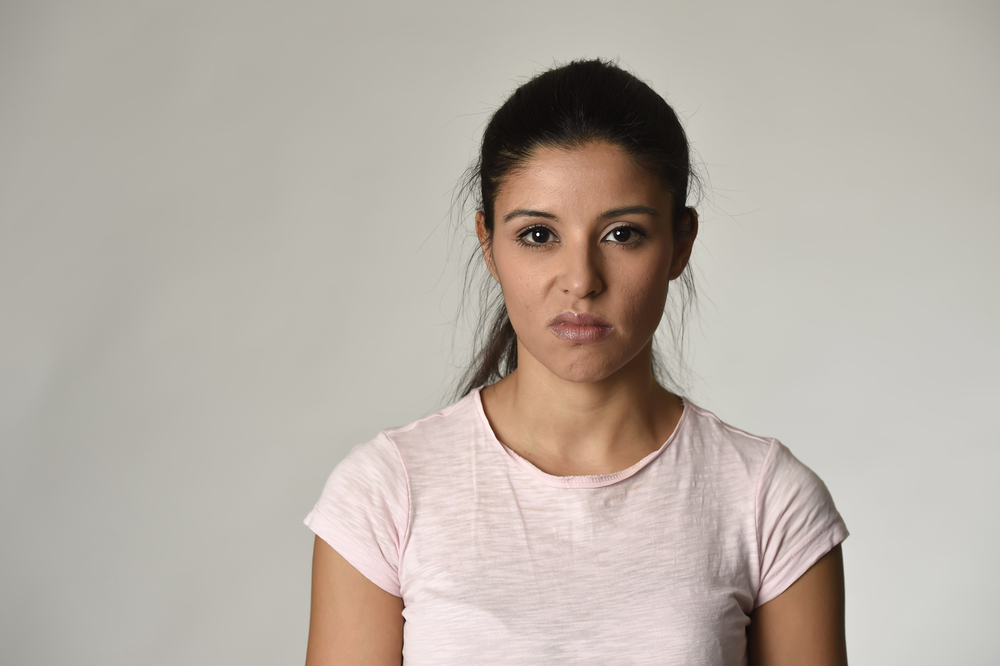
Why Contempt Hurts So Much
Contempt is harmful because it expresses superiority rather than hurt. Anger says I am upset, but contempt says you are beneath me. Once a partner feels this shift in tone, emotional safety begins to erode.
Contempt also kills empathy. Healthy couples try to understand each other even when they disagree. When contempt enters the conversation, that curiosity fades. A partner who feels superior often stops trying to understand or care. This makes conflict harder to repair and increases emotional distance.
There is a physical cost too. Gottman found that couples exposed to contempt deal with more stress related health problems. The body absorbs the tension. Small emotional injuries can turn into heavy emotional loads.
Paul Ekman and the Science Behind Micro Expressions
Paul Ekman changed how researchers understand the hidden signals people send during emotional moments. His work showed that the face reveals feelings faster than speech, and often without any intention. He spent years studying people across different cultures and found that certain expressions appear the same everywhere. That discovery helped create a scientific structure for reading emotions more accurately.
Ekman built the Facial Action Coding System, which breaks facial movement into tiny parts. These movements can reveal emotions even when someone tries to stay calm. His system also explains why contempt is such a powerful signal. Contempt shows up as a small, one sided lift in the lip or cheek. Even when someone tries to stay polite, this expression slips out when they feel frustration or moral judgment.
One of Ekman’s most important findings was that these quick expressions can change the emotional tone of a conversation instantly. The brain reacts to contempt the moment it appears. The reaction happens fast because contempt blends tension and superiority in a way that feels socially threatening. Many people feel this shift before they fully understand what happened.
Ekman’s research shows that the face can reveal loyalty, frustration, respect, or disconnection long before a person says anything. That is one reason contempt plays such a big role in predicting long-term relational problems.
Van Edwards Supporting Research
Vanessa Van Edwards studies microexpressions and communication patterns. Her work supports both Gottman’s and Ekman’s findings. She teaches that contempt is a major red flag in romantic, social, and professional settings. It creates distrust and shifts the tone of conversations quickly.
She explains that contempt may be quick, but it carries serious meaning. It communicates disrespect and judgment. People who see it often feel ignored or belittled. When this pattern repeats, it becomes one of the clearest reasons for divorce.
Why Contempt Predicts Divorce More Than Arguments
A surprising idea from Gottman’s research is that arguing is not the problem. Couples who argue can still be strong if they respect each other. Conflict is normal. It does not destroy love unless disrespect enters the picture.
Once contempt becomes part of how partners speak or look at each other, the emotional foundation changes. Gottman found that contempt made it very easy to predict divorce because it removed warmth and kindness. These details helped him reach his high accuracy levels.
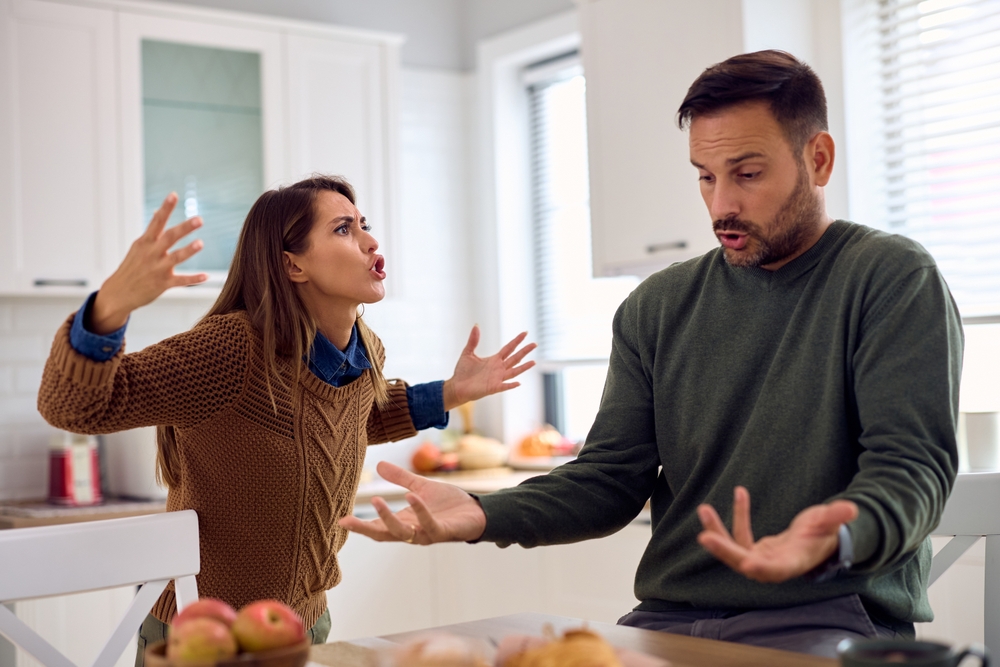
How Gottman Reached His Conclusion
Gottman used many kinds of data in his studies. He listened to tone, watched expressions, tracked heart rates, and studied how couples tried to repair tension. Even with all the data, contempt stood out again and again. Couples who later separated showed contempt much more often than couples who stayed together.
Gottman also used something he later called the Four Horsemen of the Apocalypse to understand how couples break down. These patterns are criticism, defensiveness, stonewalling, and contempt. Each one harms the connection in its own way, but contempt stood out the most. It carried a level of judgment that the other patterns did not. When he saw contempt appear with the other horsemen, he knew the relationship was under real strain. This helped him see why contempt became the strongest clue in his long term predictions.
Although there are many reasons for divorce, contempt proved to be the strongest clue. It pointed toward relationship decline even when other behaviors seemed normal.
Examples of Contempt in Real Life
Verbal Signs
Comments like “you never understand anything,” or “you always mess things up,” are examples. The tone often feels sharp, sarcastic, or belittling. The message tries to place the other partner below the speaker.
Nonverbal Signs
Eye rolling, smirking, loud, dramatic sighs, or mocking body movements also show contempt. Small acts like mimicking a partner’s voice during an argument can reveal deeper frustration. These cues are some of the strongest facial expressions that predict divorce.
The Deeper Psychology Behind Contempt
Contempt rarely appears out of nowhere. It usually grows from small hurts that were never resolved. Maybe one partner feels unheard or unimportant. Maybe they carry old resentment from earlier conflicts. Contempt becomes a shield, a way to protect themselves by rising above instead of reaching across.
It builds slowly, sometimes over months or even years. A partner might start hiding their disappointment. They might swallow frustrations until they become heavy. Over time, small unspoken injuries become emotional distance. When that distance grows, contempt slips in and fills the space with judgment instead of connection.
Sometimes people learn contempt from their upbringing. If they saw adults use sarcasm or mockery during conflict, they may repeat the same patterns without meaning to. The emotion becomes a habit more than a choice.
How Contempt Develops in Everyday Situations
Contempt often shows up in quiet moments. Maybe someone rolls their eyes when their partner mentions a work problem. Maybe they sigh when asked for help or make a teasing joke that cuts a little deeper than intended. Even a tiny look during chores or a dismissive shrug during a disagreement can leave a mark.

These moments seem harmless at first. But when they repeat, partners start expecting disrespect instead of warmth. A simple task like choosing dinner or discussing plans can trigger a quiet spike of contempt. Over time, the relationship begins to feel tense even on calm days.
The Difference Between Annoyance, Anger, and Contempt
Annoyance is a natural reaction to small frustrations. It rises and fades quickly. Anger appears when someone feels blocked, hurt, or misunderstood. Anger can sometimes lead to solutions because it carries energy and clarity.
Contempt is different. It judges the partner, not the situation. Annoyance says this moment bothers me. Anger says this hurts me. Contempt says something is wrong with you. That shift in meaning is what makes contempt so dangerous.

Image credit: Shutterstock
The Neuroscience Behind Contempt and Connection
Contempt affects the brain in ways many people do not realize. The amygdala reacts to contempt as a social threat. The brain reads a contemptuous look much faster than it reads words. It treats that look almost like an alarm.
The brain uses mirror neurons to interpret expressions. When someone shows contempt, the partner may absorb the feeling without understanding why. Their body reacts with tension, stress, or sadness. These moments get stored as emotional memories. The brain remembers humiliation much stronger than neutral events, which explains why contempt leaves a long mark. When contempt happens often, the brain may start expecting danger during conversations, even before anyone speaks.
How Childhood Experiences Shape a Person’s Response to Contempt
People react to contempt differently based on how they grew up. Someone raised in a home with sarcasm or criticism may see contempt as normal. They may even laugh it off because it feels familiar. Another person raised in a kinder environment may feel crushed by the smallest sneer. Their body reacts faster because it is not used to that type of emotional tone.
Attachment style plays a role. People with secure attachment often recover faster from conflicts. Those with anxious or avoidant patterns may struggle more. If a partner fears abandonment, contempt may feel like a warning signal that the relationship is collapsing. If they avoid conflict, they may shut down completely. These childhood experiences shape the way adults handle tension.
Read More: 7 Things That Can End Relationships and Unknowingly Lead to Divorce
The Role of Stress and Daily Pressure in Creating Contempt
Contempt does not always come from deep emotional wounds. Sometimes it appears during stressful seasons. When people are tired, overwhelmed, or stretched thin, their patience shrinks. Work deadlines, money pressure, or parenting stress can create short tempers. A partner may snap or roll their eyes without meaning to. The reaction is not always about the relationship. It is about exhaustion.
Burnout plays a part too. When someone runs on empty, even small requests can feel heavy. They may show irritation without realizing how it looks. Sleep loss, health issues, or constant responsibilities also make contempt more likely. Sometimes couples blame each other when the real problem is stress.
What Healthy Couple Communication Looks Like
Healthy couples are not perfect. They get annoyed and frustrated like everyone else. The difference is how they repair moments of tension. They use gentle language or ask for clarity. They take breaks during heated conversations and show affection even during conflict.
Validation is a key part. Saying things like I get why you feel that way helps defuse tension. Small touches or kind tones matter too. Humor helps when used kindly. These actions protect the relationship from sliding into contempt. They create emotional safety. They show respect even during disagreements.
How Contempt Influences Parenting and Family Atmosphere
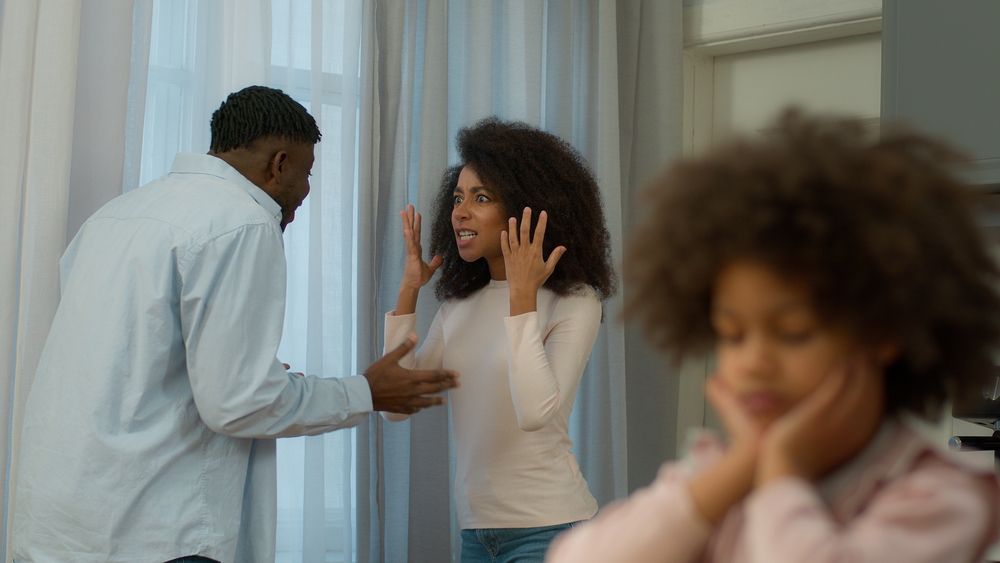
Contempt affects more than partners. It shapes the entire atmosphere of a home. Children notice small expressions. They sense tension even when no one explains it. When they see eye rolls or hear sarcastic remarks, they learn these patterns as normal communication. This can shape how they handle future relationships.
Contempt also affects co-parenting. When partners show disrespect, teamwork becomes difficult. Everyday tasks feel heavier. Decisions turn into conflicts. The emotional climate of the home shifts. A calm house becomes unpredictable. Kids may feel anxious or confused. This is why reducing contempt helps the whole family, not just the couple.
How Contempt Affects Intimacy and Attraction
Contempt slowly drains intimacy. When someone feels judged or mocked, they pull away. They may stop sharing feelings because they expect dismissal. Physical closeness becomes harder, too. Desire often fades when emotional safety disappears. Many couples describe feeling alone even when they sit in the same room.
Over time, contempt changes how partners see each other. Admiration fades. Trust weakens. Small moments of connection feel forced. This emotional coldness becomes one of the clearest reasons for divorce.
How Couples Can Rebuild Respect When Trust Feels Damaged
Relationships can recover from contempt when both partners want to repair the bond. Rebuilding respect usually starts with small acts. A thank you, a moment of eye contact, or a gentle tone during conflict. These tiny shifts help restore emotional balance.
Curiosity helps too. Asking questions instead of assuming creates room for understanding. Listening without interrupting builds trust. Repair attempts like pausing or trying humor can soften tension. Sometimes deeper hurt needs the help of counseling. Hidden resentment might sit beneath the contempt. When partners open up, they often feel lighter. Respect becomes possible again.

Final Thoughts
A small facial expression may look harmless, but Gottman’s research shows that contempt carries powerful weight. It is one of the strongest facial expressions that predicts divorce. It signals disrespect, blocks empathy, and hurts connection. Yet when couples notice it early, they gain a chance to rebuild trust and respect before deeper wounds form. Sometimes the smallest look can carry a quiet warning, and noticing it may help partners understand what is hurting their relationship before it becomes one of the major reasons for divorce.
Read More: Divorce Lawyer Says Women Should Avoid These 5 Professions in a Husband