

A seventeen-year-old boy from Florida went to a park with his siblings on the first day of June 2026. He came home with a scratch on his leg. Two days later, he was in emergency surgery, fighting to keep his leg and his life.
Joziah Thompson spent June 1 swimming with his siblings at Lion’s Park in Niceville, Florida. Within two days, a minor scratch on his leg became a life-threatening emergency. There was no dramatic wound, no obvious warning at the water, nothing to mark the moment as anything other than a routine summer afternoon. The family went home, made dinner, and went to sleep. By Wednesday, their world had collapsed around a patch of red skin on a teenager’s shin.
By Wednesday, Joziah had a full-body fever, chills, and bone pain. When his mother Tirzah pulled up his pants leg, the skin was angry, tight, hot to the touch, and seeping. She knew this was not a regular infection. They took him to HCA Florida Twin Cities Hospital, where he was immediately transferred to Studer Family Children’s Hospital at Ascension Sacred Heart in Pensacola. Doctors confirmed Joziah had contracted Vibrio vulnificus and rushed him into emergency surgery to remove the infected tissue.
What Is Vibrio Vulnificus – and Why Is It Called “Flesh-Eating”?

Doctors confirmed Joziah contracted Vibrio vulnificus, a naturally occurring bacteria found in warm, brackish coastal waters. The name “flesh-eating bacteria” is slightly misleading. The bacteria does not literally consume flesh. It triggers a condition called necrotizing fasciitis, attacking the layer of tissue directly beneath the skin, called the fascia, destroying it and cutting off blood supply to surrounding tissue. Once that process starts, it moves fast.
The bacteria spread through the fascia, producing toxins that limit blood flow and cause tissue death. Those toxins can also damage other organs. Because blood supply to the tissues is cut off, the body’s immune system cannot fight the infection effectively, and antibiotics alone are not enough. Surgery is required to stop the spread and remove dead tissue.
Necrotizing fasciitis is rare, with an incidence of roughly 0.40 cases per 100,000 adults in the United States. The people who get it are not a category of person with obvious risk factors. They are children at parks in the middle of the afternoon.
A Week in the Hospital, Multiple Surgeries, and the Long Road Home
Joziah, who is autistic, endured multiple surgeries to remove infected tissue at Studer Family Children’s Hospital in Pensacola. His recovery required wound care, a wound vacuum, ongoing monitoring, and additional procedures as doctors worked to save his leg. Beyond the leg, his body was fighting on multiple fronts, including a rapid heart rate and dangerous blood pressure fluctuations as his immune system responded to the infection.
After a week in the hospital and multiple surgeries, Joziah was able to go home on June 10. He is on an aggressive antibiotics course and still faces the risk of infection, heart issues, and possible amputation.
Joziah’s prognosis looks positive since doctors caught the infection early and he is responding to antibiotics. “He is currently under observation to ensure no infection was left behind and that he doesn’t spike any more fevers,” Tirzah said. “His body is still swollen, and he is sleeping more to regain energy due to what his body has been through.”
The Numbers Behind the Fear

CDC data show that even with treatment, up to 1 in 5 people die from necrotizing fasciitis. The delay between symptom onset and surgery is one of the key factors in whether someone survives, loses a limb, or walks away. The bacteria does not wait.
In 2025, 33 people in Florida contracted the bacteria and five of them died. Between 150 and 200 cases of Vibrio vulnificus are reported to the CDC each year, and the bacteria carries a mortality rate of more than 50 percent in severe bloodstream infections. A 2025 CNN investigation found that warming coastal water temperatures are expanding the geographic range of Vibrio vulnificus, with infections in the Eastern United States increasing eightfold between 1988 and 2018. Health officials have also noted spikes of Vibrio following extreme weather events, when warm, low-salinity waters create ideal conditions for the bacteria.
Joziah is not the only person from his region dealing with this. One year before his infection, Genevieve Gallagher contracted Vibrio vulnificus while swimming in Santa Rosa Sound off Quietwater Beach in Escambia County in July 2025. The infection entered through a small cut on her leg, and she nearly lost the limb and her life. She was still recovering at the time Joziah was hospitalized. Two people, same coastline, same tiny entry point, same bacterium, one year apart.
Why This Is So Hard to Catch Early
Early symptoms of a flesh-eating bacteria infection do not announce themselves as an emergency. They typically start within 24 hours of a minor injury and resemble the flu: fever, body aches, chills. In a teenager in summer, those symptoms are easy to attribute to a stomach bug. By the time the skin shows visible signs, the infection has often been moving through the tissue for hours.
The patient’s pain is typically out of proportion to what the wound looks like, which means a doctor or parent looking only at the wound might not see anything that justifies the level of agony the patient describes. This is one reason people get misdiagnosed with cellulitis, a far more common and far less dangerous skin infection. The delay between symptom onset and surgery is one of the key factors in whether someone lives, loses a limb, or walks away. Necrotizing fasciitis can spread rapidly, and multiple surgeries are not unusual.
The warning signs look ordinary right up until they don’t. Tirzah Thompson’s instinct – looking at Joziah’s leg and saying “we need to go now” – may well be the reason he came home at all. Teenagers have died from bacterial infections that started with signs just as easy to dismiss.
Who Is Most at Risk
Although rare, anyone can get necrotizing fasciitis. Diabetes, liver disease, and compromised immune function raise the danger significantly. The CDC identifies individuals with liver disease, diabetes, and immunocompromising conditions as being at higher risk for severe Vibrio vulnificus wound infections, including those that lead to necrotizing fasciitis.
Joziah, at 17, does not fall into the highest-risk categories, and that is exactly what frightens people about his case. He is young, otherwise healthy by all outward appearances, and physically large, and he still very nearly lost his leg. His mother put it plainly: “My son is 5-foot-11 and 225 pounds. What if this was a 5-year-old who doesn’t have the strength to fight something off like this?”
The Advocacy Her Son’s Survival Started
Tirzah Thompson did not come home from the hospital and go quiet. As Joziah continues recovering, his family is urging greater public awareness of Vibrio vulnificus in local waters. Tirzah has been vocal in interviews, on the family’s fundraising page, and in conversations with local officials about the absence of any real-time public water monitoring or notification system. She wants officials to create a system for tracking bacteria levels so families can make informed choices before swimming.
Their family consists of nine people, and Tirzah is the primary provider. She owns a local spa and closed her massage schedule indefinitely to remain at the hospital with Joziah, while household expenses, rent, utilities, groceries, travel, and medical costs continued with their primary income on hold.
The GoFundMe campaign the family launched lays out the situation with an honesty that is hard to read and impossible to argue with. “Sitting beside his hospital bed, listening to monitors, watching him endure pain, surgeries, and fear, is something no mother is ever prepared for,” Tirzah wrote.
What Every Parent Should Know Before Summer Swimming
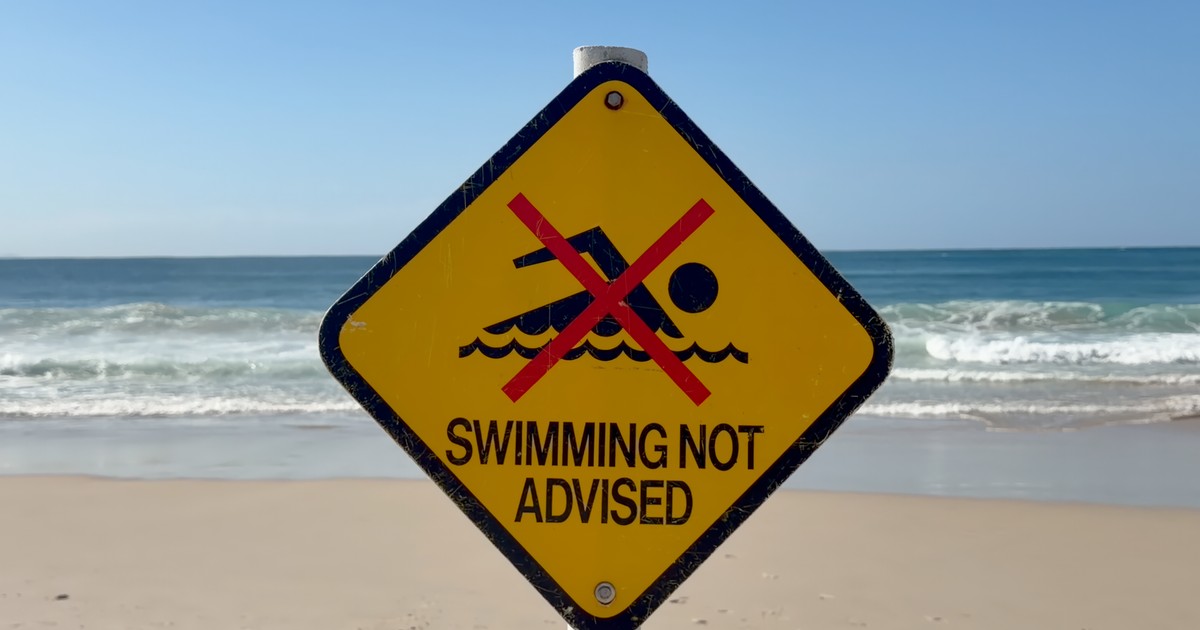
Any wound, even a tiny scratch, should be thoroughly washed with soap and clean running water, according to the CDC. If your child has an open wound – a fresh scrape, a healing cut, a broken blister – keeping them out of warm coastal, brackish, or salt water until the skin has closed is the single most effective precaution. A waterproof bandage is better than nothing, but an open wound is an open door.
If someone has been in coastal water and develops severe flu-like symptoms alongside pain or redness near a wound site, that combination warrants a trip to the emergency room, not a wait-and-see approach. Time is the variable that determines outcomes in necrotizing fasciitis more than almost anything else. “A misdiagnosis can be a death sentence,” one survivor told CNN. “It really can.”
What Tirzah Thompson Wants You to Remember
Joziah’s family could have waited another day. Tirzah could have chalked the pain up to muscle soreness from swimming. A doctor could have sent him home with antibiotics for what looked like minor cellulitis. The bacteria does not account for any of those decisions. It keeps moving while they are being made.
Tirzah Thompson’s response to surviving the unsurvivable has been to push for accountability. “That’s why I’m pushing for a system put in place to know the bacteria levels in local waters. I don’t want this to happen to any other children,” she said.
Joziah is home, still under daily monitoring, still carrying the risk of complications that could require further surgery or amputation. He got there because his mother looked at his leg and did not hesitate. That kind of instinct cannot be systematized. But awareness that Vibrio vulnificus is a real, present, and increasingly common danger in warm coastal water can be – and Tirzah Thompson is determined to make sure it is.
Disclaimer: This information is not intended to be a substitute for professional medical advice, diagnosis, or treatment and is for information only. Always seek the advice of your physician or another qualified health provider with any questions about your medical condition and/or current medication. Do not disregard professional medical advice or delay seeking advice or treatment because of something you have read here.
AI Disclaimer: This article was created with the assistance of AI tools and reviewed by a human editor.