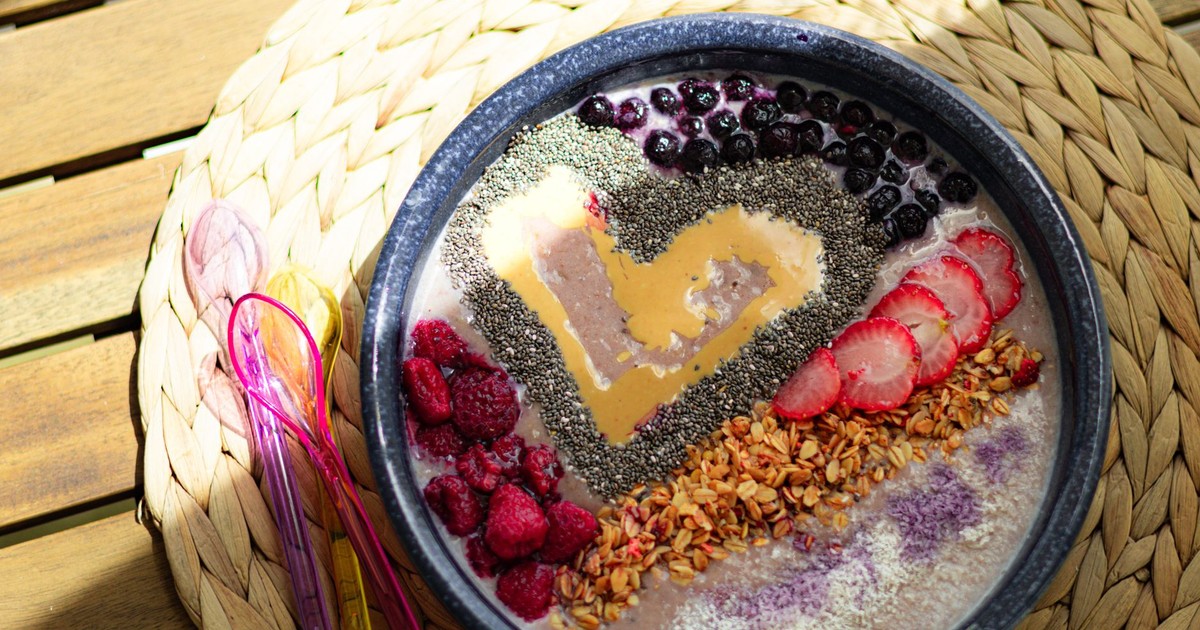

Oatmeal gets dismissed as the breakfast you eat when you’ve given up on breakfast. Too beige, too virtuous, too much of a statement that you are now the kind of person who reads food labels and goes to bed before ten. The American Heart Association, however, keeps returning to it as one of the most consistently supported foods for cardiovascular health in the entire research literature.
Eating “well” has become such an abstract instruction that it can feel meaningless. Eat more plants, cut the processed stuff, take it easy on sodium. Fine. But which plants, eaten how, doing what exactly inside the body? The research has been filling in real detail on precisely those questions, and the answers are more specific and more actionable than the usual advice suggests.
Poor diet quality is strongly associated with elevated cardiovascular disease morbidity and mortality risk, which is the clinical way of saying that what’s on your plate right now is already making decisions about your future that you may not have signed off on. The foods capable of shifting that equation aren’t obscure or expensive. Most of them are already in your grocery store.
1. Oatmeal
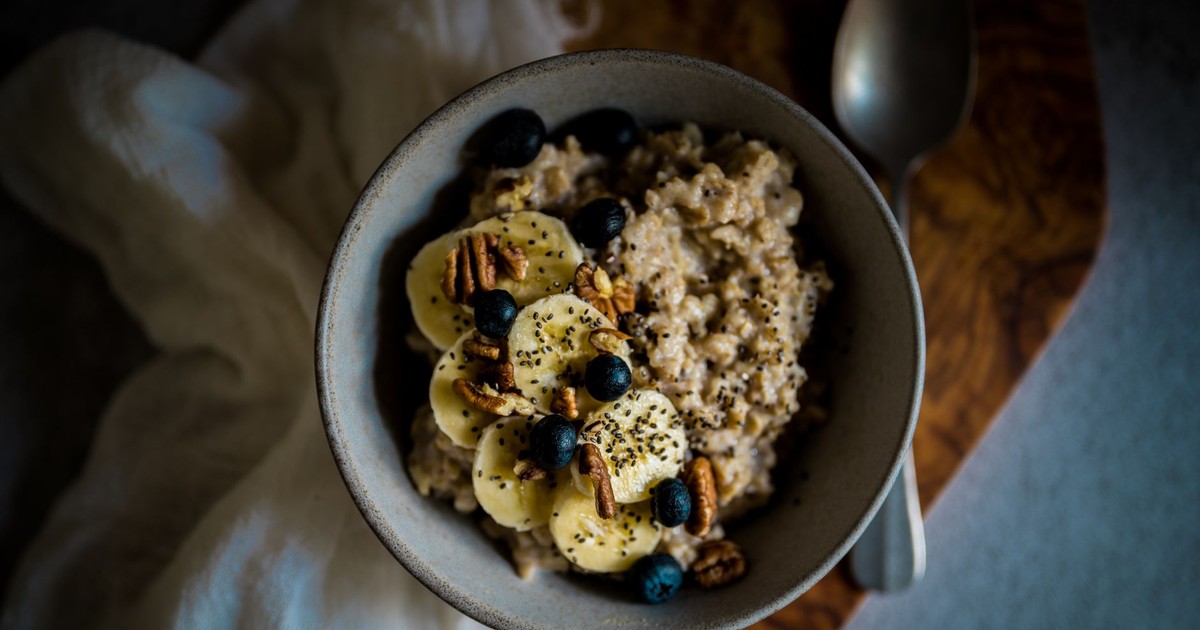
A clinical trial from the University of Bonn found that people with metabolic syndrome who followed an oat-based eating plan for just two days saw their harmful LDL cholesterol drop by 10%, along with modest weight loss and lower blood pressure. The cholesterol benefits were still visible six weeks later.
LDL cholesterol accumulates in artery walls and contributes to blockages, so a 10% reduction is not a trivial number. Beta-glucans, a type of soluble fiber in oatmeal, interact with the gut in ways associated with improved cholesterol metabolism. The University of Bonn research showed that gut bacteria break down compounds in oats into phenolic metabolites, particularly ferulic acid.
The findings suggest that eating a higher amount of oats for two days may be more effective than eating small amounts over a longer period, though nutritionists who commented on the study noted that regular, moderate oat consumption remains the practical and sustainable version. A bowl three or four mornings a week, with plain rolled oats rather than the flavored instant packets loaded with sugar, captures most of the benefit without requiring two days of extreme dietary monotony.
2. Fatty Fish

Fatty fish like salmon, tuna, and trout are high in omega-3 fatty acids, which reduce inflammation in blood vessels. When arterial walls are chronically inflamed, they become more vulnerable to the buildup of plaque, the fatty deposits that narrow arteries and set the stage for heart attacks and strokes. Omega-3 fatty acids interrupt that process, which is why two or more servings of fatty fish per week are a consistent feature of heart-healthy dietary guidance.
Fatty fish also provide monounsaturated and polyunsaturated fats that help balance cholesterol levels. Heart health is rarely about one number in isolation. LDL, HDL, triglycerides, blood pressure, and inflammation are all in conversation with each other, and fatty fish tends to move several of those markers in a favorable direction simultaneously. Canned salmon and sardines count just as well as a restaurant fillet and are considerably cheaper.
3. Leafy Green Vegetables
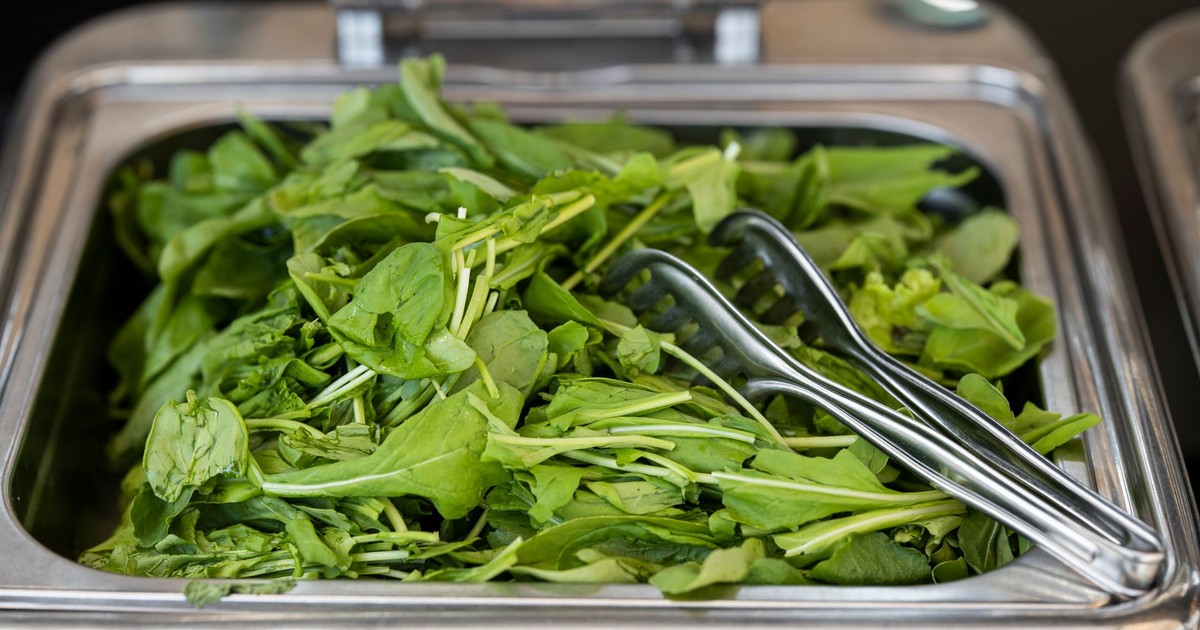
Leafy greens like spinach and kale are high in nitrates and antioxidants that help lower blood pressure. Dietary nitrates, which the body converts into nitric oxide, cause blood vessels to relax and dilate, a process that blood pressure medications also target. This does not mean leafy greens replace medication for anyone who needs it, but it does explain why this category of vegetable receives consistent attention in cardiovascular nutrition research.
The category includes collard greens, Swiss chard, arugula, and romaine, all of which carry varying concentrations of the same beneficial compounds. The 2026 AHA scientific statement on cardiovascular health identifies eating plenty of vegetables and fruits and choosing a wide variety as a central feature of a heart-healthy dietary pattern. Variety matters because different leafy greens concentrate different micronutrients. Spinach, for instance, is particularly rich in magnesium, which is linked to better blood pressure regulation.
The bag of pre-washed baby spinach survives a week in the refrigerator and disappears into a smoothie, an egg scramble, or a pasta without requiring any preparation. The goal is frequency, not culinary ambition.
4. Berries
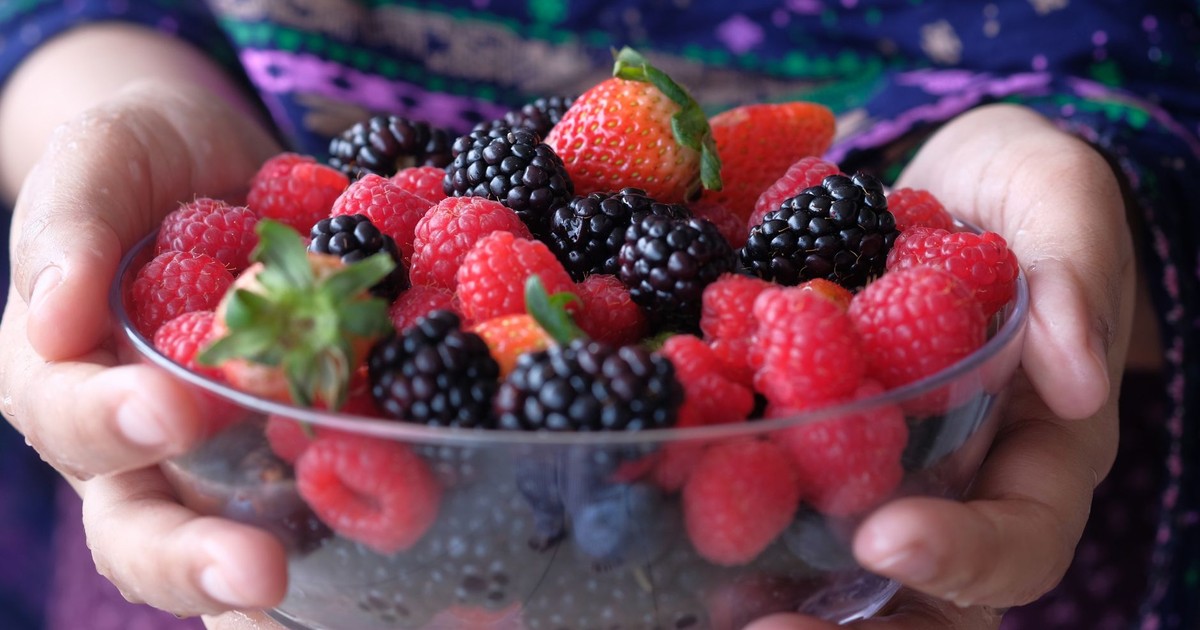
Researchers at King’s College London published a study in BMC Medicine suggesting that regularly consuming foods and drinks rich in polyphenols, natural antioxidant compounds found in plant-based foods, may protect the heart. As polyphenol metabolites rose in participants, blood pressure and cholesterol improved, signifying a lower risk for cardiovascular disease.
Berries (blueberries, strawberries, blackberries, raspberries) are among the richest dietary sources of polyphenols available. According to the study’s senior author, Professor Ana Rodriguez-Mateos, professor of human nutrition at King’s College London, “long-term adherence to polyphenol-rich diets can substantially slow the rise in cardiovascular risk as people age.” The protective effect isn’t a short-term fix; it’s a cumulative benefit that compounds over years of consistent eating.
Frozen berries are nutritionally equivalent to fresh and cost a fraction of the price year-round.
5. Legumes
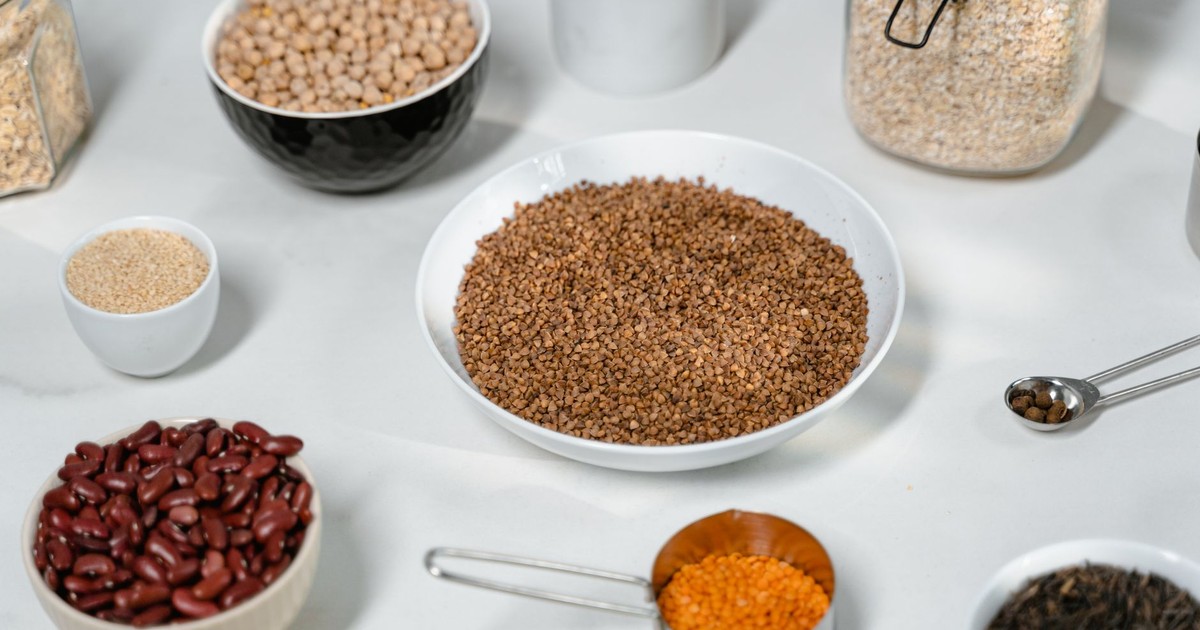
Legumes (lentils, black beans, chickpeas) are full of fiber and potassium, both of which help manage cholesterol and blood pressure. They also happen to be among the most underrated foods in the average American kitchen, which tends to treat beans as a side dish rather than a primary protein source.
The fiber in legumes works in two directions simultaneously. Soluble fiber binds to cholesterol in the digestive system and escorts it out of the body before it can enter the bloodstream. Insoluble fiber feeds the gut microbiome, and a healthy microbiome is increasingly associated with better cardiovascular outcomes. The potassium content is the other side of the equation: most Americans consume far too much sodium and far too little potassium, a ratio that puts consistent upward pressure on blood pressure. Legumes help correct that imbalance without requiring any dramatic dietary overhaul.
A cup of lentils added to a soup, a scoop of black beans on a grain bowl, or hummus eaten instead of a saltier dip are small substitutions with measurable long-term consequences.
6. Whole Grains
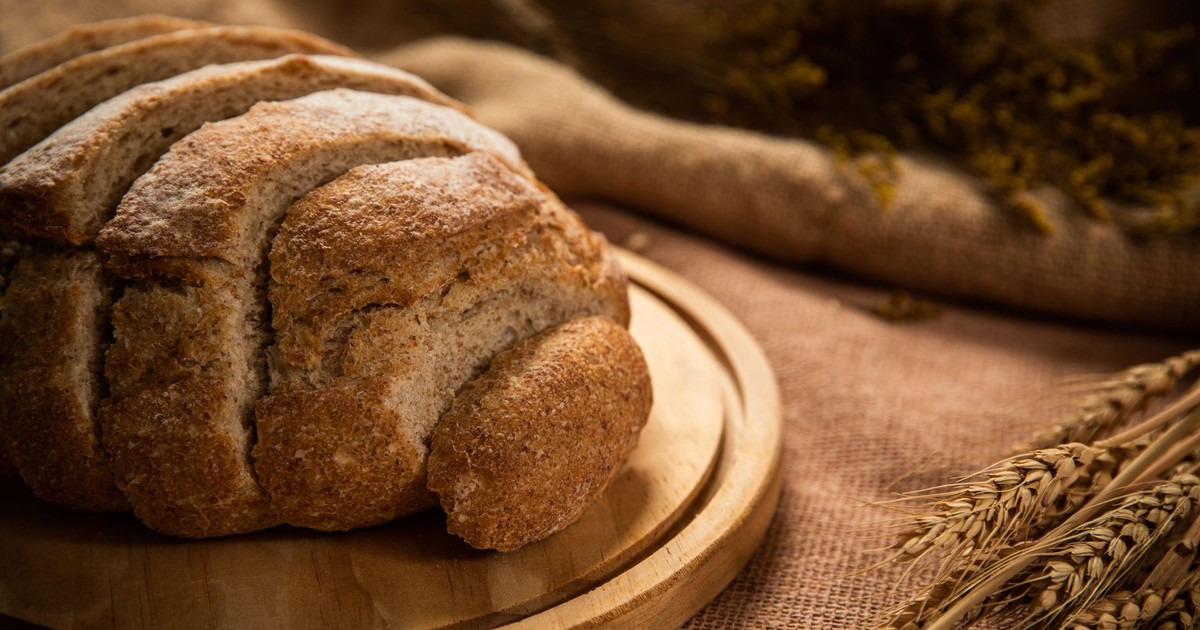
Whole grains like oats and quinoa are fiber-rich and support maintaining healthy blood pressure and weight. But oats aside, this category deserves its own entry because the rest of the whole grain family (brown rice, barley, farro, whole wheat) carries distinct benefits that people often overlook when they default to oats as their single grain.
The 2026 AHA guidance identifies choosing foods made mostly with whole grains rather than refined grains as one of the core features of a heart-healthy dietary pattern. Refined grains (white bread, white rice, most commercially processed cereals) have had the fiber-rich bran and germ removed, leaving starch that spikes blood sugar quickly and provides little of what the cardiovascular system actually needs. Whole grains keep all three parts of the grain intact, which means slower digestion, more sustained energy, and the fiber content that does the heavy lifting for cholesterol management.
Barley is one of the two cereals, alongside oats, with the highest beta-glucan fiber concentrations among common grains — research places barley at 2.5–11.3% and oats at 2.2–7.8% — making it a strong choice for anyone who wants to rotate their whole grain options. The swap from white rice to brown rice at dinner is one of the least disruptive dietary changes a person can make, and one of the most consistently supported by the evidence.
7. Nuts and Seeds
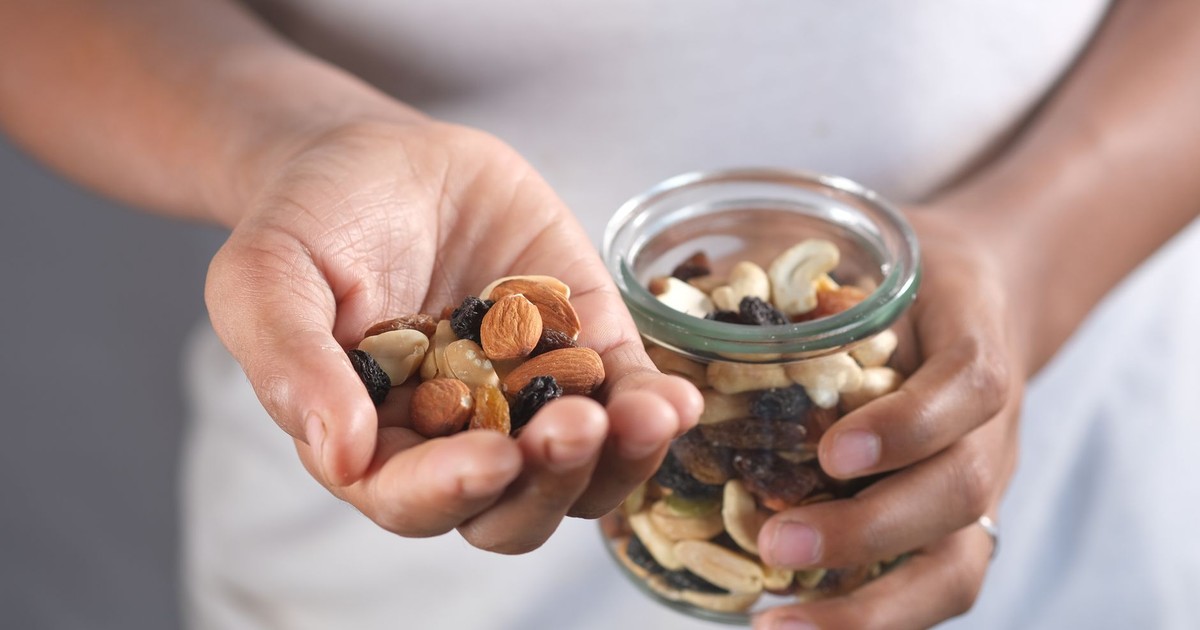
Nuts (walnuts, almonds, pistachios) and seeds like flaxseed, chia, and hemp are concentrated sources of the unsaturated fats that cardiovascular nutrition guidance consistently recommends in place of saturated fat. They also deliver fiber, plant-based protein, and a range of micronutrients, including magnesium and vitamin E, that support arterial health.
Walnuts are high in alpha-linolenic acid, the plant-based precursor to the same omega-3 fatty acids found in fatty fish. For anyone who doesn’t eat fish, walnuts become an especially important part of the picture. A small handful (roughly an ounce) is enough to deliver the benefit without pushing calorie intake into territory that creates other problems. The same goes for ground flaxseed, which is easy to stir into oatmeal, yogurt, or a smoothie and provides both fiber and omega-3s.
Chia seeds absorbed into water or stirred into breakfast have a clinically meaningful amount of soluble fiber. The evidence for nuts and seeds as food for heart health is among the most consistent in the nutrition literature, across population studies and controlled trials alike.
Read More: Lifesaving Cholesterol Discovery Could Prevent Heart Disease and Stroke
What the Research Actually Adds Up To

No single food works on its own. The oatmeal is not going to save you if everything around it is processed and salt-heavy. The berries don’t undo the rest. But taken together, these seven categories, rotated through your week without drama or a complete lifestyle reinvention, represent the actual evidence-based foundation.
The foods on this list are not specialty items. They are not expensive, hard to find, or reserved for people with particular resources or time. A bowl of oats with frozen blueberries. A can of lentil soup with whole grain bread. A piece of salmon on a bed of spinach with a handful of walnuts on the side. That is not a difficult or miserable way to eat. It is also, according to the evidence available in 2026, one of the most effective interventions a person can make for their cardiovascular future, without a prescription, without a dramatic overhaul, and without giving up anything that actually matters.
Some of these patterns go back further than any single study. The consistency across decades of research (different populations, different study designs, different outcomes measured) is precisely what gives the research community the confidence to keep naming the same foods. It’s not that nutritional science is stuck. It’s that the foods earning repeated validation are the ones that genuinely hold up to scrutiny, year after year.
Disclaimer: This information is not intended to be a substitute for professional medical advice, diagnosis, or treatment and is for information only. Always seek the advice of your physician or another qualified health provider with any questions about your medical condition and/or current medication. Do not disregard professional medical advice or delay seeking advice or treatment because of something you have read here.
AI Disclaimer: This article was created with the assistance of AI tools and reviewed by a human editor.