
Funerals are one of those events where most people walk in genuinely trying to do the right thing and still manage to say or do something they’ll cringe about for years afterward. It isn’t usually bad intent. It’s more that grief makes rooms strange, and the usual social scripts don’t quite fit. The things that feel supportive in an ordinary moment – sharing news, snapping a photo, offering your honest opinion – can land very differently when someone is standing next to a casket.
Funeral etiquette has also shifted in ways that catch people off guard. Cremation services, celebrations of life, and hybrid memorial formats have changed what respectful attendance looks like, but the underlying rules haven’t changed as much as people think. Disrespect at a funeral almost always comes down to the same thing: making a moment about yourself when it belongs entirely to someone else’s loss.
This list covers the 20 behaviors that consistently cause offense, hurt, and lasting awkwardness at funerals – from the obviously wrong to the ones that feel totally innocent right up until they’re not.
1. Arriving Late Without Warning

Funerals run on exact timing. The officiant, the music, the pallbearers – all of it is coordinated around a schedule that the family spent grief-soaked days arranging. Walking in after the service has started draws every eye in the room at the exact moment those eyes should be on something else. If there is any chance you’ll be delayed, contact the funeral home or a family representative in advance. Arriving a few minutes early is always the right move; slipping in during a eulogy is not.
If you do arrive late through unavoidable circumstances, enter as quietly as possible, find the nearest available seat toward the back, and do not attempt to locate a better seat once you’re settled. The back of the room is not a slight to the deceased – it’s an act of consideration for every person already seated.
2. Wearing Inappropriate Attire
The rules around funeral attire have relaxed in some contexts – some families explicitly ask guests to wear a specific color to honor the deceased’s personality – but those are family-directed exceptions, not a general license. In the absence of explicit instructions from the family, the safe and respectful choice remains dark, subdued, and modest. The goal is to dress in a way that keeps attention on the service rather than on yourself.
According to Funeralwise, respecting the somber nature of the occasion means wearing modest, dark-colored clothing, and funeral attire does not have to be all-black, but it should be subdued and respectful. Tight, sheer, or heavily branded clothing falls into the same category as neon and sequins – it pulls focus. You can read more about colors to avoid at funerals if you’re unsure where the line is.
3. Using Your Phone During the Service
There is almost nothing that cannot wait ninety minutes. Checking messages, scrolling, responding to work emails – all of it can pause for the duration of a funeral service. A phone screen lighting up in a darkened chapel is jarring enough on its own, but a ringtone during a eulogy is its own kind of horror. Limiting your use of mobile devices during a funeral is essential. Constantly checking your phone, texting, or using social media can be seen as disrespectful and can divert attention away from the significance of the occasion.
The phone goes on silent before you enter the venue, not when you remember to do it five minutes in. If you are waiting on a genuinely urgent call – a medical situation, someone in labor – step outside before the service begins and position yourself near the exit so you can leave without disrupting the room. Telling the person next to you about this ahead of time is courteous. Glancing at your screen every three minutes while someone speaks about their mother is not.
4. Taking Photos Without Permission

If the family has not addressed photography, the safest approach is to not take photos during the ceremony. During the visitation or reception, discreet photos of the memory displays or group photos with the family’s permission are usually fine. Never take a photo of the body in the casket without explicit permission from the family.
This is one of those rules that feels obvious stated plainly but gets broken constantly because people reach for their phones on instinct. The impulse to capture a meaningful moment is deeply human, and at a funeral there are genuinely meaningful moments – a photo display, a flower arrangement, a gathering of people who rarely share the same room. The difference between documenting the loss and honoring it is real. Taking a photo of the casket or the deceased without the family’s blessing falls firmly into the first category, regardless of intention.
5. Livestreaming or Posting During the Service

If the funeral home is livestreaming the service, that is the family’s decision and it is handled by the staff. Do not livestream the service yourself on social media unless the family has specifically asked you to. This applies even if you think you’re doing it for the benefit of people who couldn’t attend. The family has already made whatever arrangements they wanted for remote viewers. Producing your own unofficial broadcast, however well-meaning, introduces a technology layer into a sacred space that the family never approved.
Posting during the service itself – location check-ins, a photo of the flowers, a quote from the eulogy – belongs in the same category. The service is not content. The grief in that room is not content. The family did not consult you on whether to make this moment public.
6. Announcing the Death on Social Media Before the Family Does
Word of a death can travel across social media before a family can even place calls to close friends – all because someone posted first. As Time magazine reports, grief has unwritten rules about who gets to post, when, and how — and those closest to the deceased are widely understood to have first claim. Posting before the family has spoken publicly removes that control from the people who need it most. Never post anything, however well-intentioned, until you’re sure those closest to the deceased have been informed.
This is a mistake that cannot be undone once it’s made. Grief has a hierarchy, and the people at the center of it – a spouse, a parent, a child – deserve to be the ones who control how and when the news reaches their circles. Posting a tribute, sharing the obituary, or even changing your profile picture in memoriam before the family has spoken publicly removes that control from the people who need it most. Wait for the family to lead. Then follow.
7. Saying “They’re in a Better Place” or Other Empty Phrases

The phrases that feel most comforting to say are often the least comforting to receive. “Everything happens for a reason,” “At least they lived a long life,” “They wouldn’t want you to be sad,” and “God needed another angel” are all attempts to reframe loss in ways that make the speaker feel less helpless. What they actually do is ask the grieving person to agree with an interpretation of their loss that they haven’t reached yet – and may never reach. Phrases like “You should do this” or “If I were you, I would…” can appear insensitive or presumptuous during such a vulnerable time.
The simplest and most honest thing you can say is “I’m so sorry.” If you knew the person well, you can add one specific memory – one real thing that you’ll miss. That is infinitely more useful than a philosophical reframe that puts the burden of reassurance back on the bereaved. If you don’t know what to say, a hand on the shoulder and genuine eye contact says more than a rehearsed line ever will.
8. Making It About Your Own Grief

This one requires some sensitivity because grief is real and complicated and it doesn’t stay in neat lanes. If you also loved the person who died, your grief belongs in the room. But there’s a difference between being visibly moved and repositioning yourself as the primary mourner. The person whose parent, spouse, or child just died should not find themselves comforting you about your feelings during the receiving line.
When offering condolences, try not to bring up your own personal hurts. Keep the focus on the family. You may feel tempted to engage in “troubles talk” to find common ground, but by talking about your own troubles, you turn the focus to your pain, not theirs. The time to process your own grief about this loss is with a friend, not in a conversation with the immediate family at the service itself.
9. Gossiping About the Deceased or the Family

A funeral has a way of gathering people who haven’t been in the same room in years, and sometimes those reunions come loaded with history. Old tensions, unresolved stories, complicated family dynamics – they don’t disappear because someone died. What they need to do is wait. A funeral is not the time to air the deceased’s private life or revisit controversies. As Funeralwise notes, gossip can tarnish the honored person’s memory and deeply hurt those left behind, and the privacy of the deceased and the family must be respected.
“Did you hear why they weren’t speaking?” is not a conversation for this room, on this day. Neither is relitigating the will, speculating about the cause of death, or reviewing the deceased’s life choices with the benefit of hindsight. The parking lot after the service is not much better, frankly – someone who needed to hear none of that will always be just around the corner.
10. Attending a Private Service Uninvited
If the obituary says “private service” or “family only,” that language is not a formality and it is not an invitation to assess how close you were and whether you qualify for an exception. The family chose that format deliberately, usually because they need to grieve without managing a room full of people. You shouldn’t attend the funeral if your attendance would cause conflict, commotion, pain, or disruption for any family member. The family and their needs are at the center of funeral etiquette.
If you were close to the deceased and feel genuinely excluded, the way to address that is a private note to the family – not arriving at the venue. The family may follow up with a separate memorial or reception at which your presence would be welcome. Let them extend that invitation.
11. Leaving Before the Service Ends

Walking out mid-service is disruptive in a way that’s hard to understate, particularly in smaller venues where every movement is visible. Funerals are not events you duck out of early because you have somewhere to be. If you have a genuine conflict – a flight, a medical obligation – plan your attendance so you either stay for the full service or attend the visitation beforehand instead.
If an emergency requires you to leave mid-service, slip out from the most discreet exit available, move slowly, and do not lean over to explain your departure to the people around you. The explanation can wait.
12. Sitting in Reserved Family Seating
The front rows at funeral services are reserved for the immediate family, full stop. In the past, good etiquette suggested strict funeral seating, with close family in the front and everyone else in the back. While the tradition started as a way to honor the closest kin, keeping everyone segregated has the unintended consequence of isolating the family. The front rows are still reserved for the family and should be marked as such.
If there are no explicit markers and you genuinely don’t know where to sit, look for a funeral home staff member and ask. They will tell you. What you should not do is claim a front-row seat because you arrived early and didn’t see a sign. If a family member has to ask you to move right before the service begins, everyone in the room will notice and no one will forget.
13. Bringing Uninvited Guests
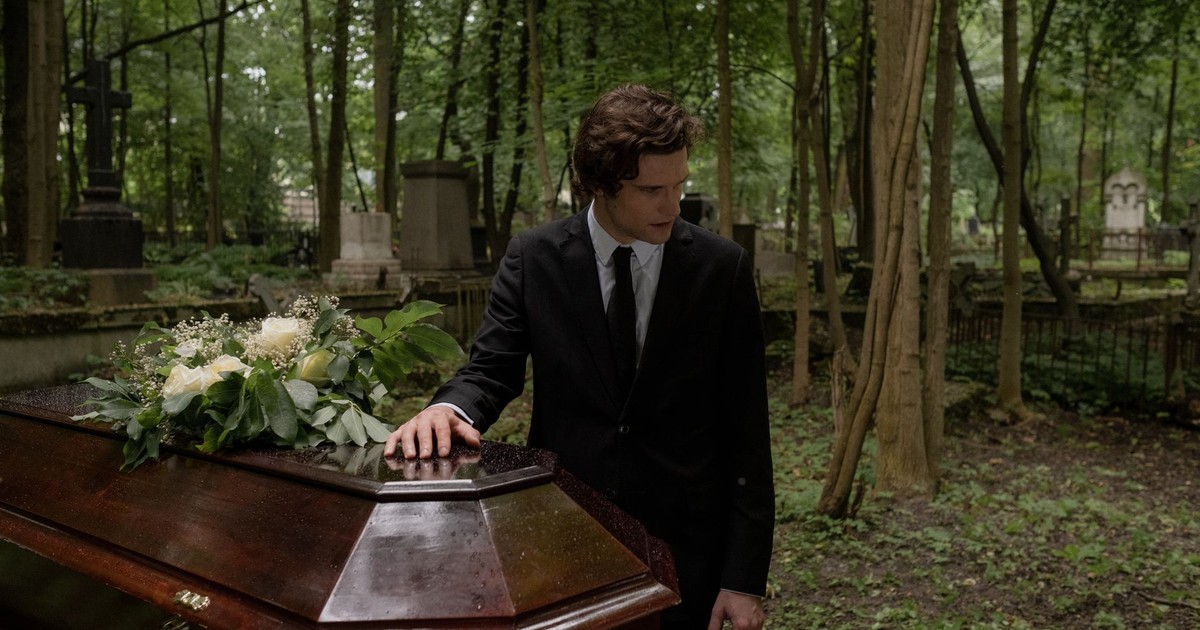
This one seems rare until you consider how often it happens: someone brings a partner the family has never met, a friend who “really wanted to come,” or a child because the babysitter fell through. A funeral is not an event where you extend a plus-one to yourself. If the deceased didn’t know the person you want to bring, that person almost certainly should not be there. If there’s any ambiguity, reach out to a family member in advance and ask directly. They’ll either say yes or tell you it’s a small, private service – both answers are useful.
The same applies to children who may not be ready for a funeral environment. Bring them if they were close to the deceased and the family welcomes it. Leave them elsewhere if there’s any chance they’ll become a source of disruption during the service itself.
14. Ignoring the Obituary’s Requests

The obituary is the family’s instructions, not a formality. The most respectful move is to read the obituary and do what the family asked. “In lieu of flowers” isn’t a suggestion – it’s a request that usually reflects values, space limitations, or what would actually help. When families ask for donations to a specific charity instead of flowers, they mean it. When they specify no food at the reception, they mean that too. Overriding those requests – even with something beautiful and well-intentioned – creates work for people who are already exhausted.
If you’re unsure whether your specific gesture falls within the spirit of what the family asked, err on the side of doing less rather than more. A handwritten note acknowledging what you appreciated about the deceased costs nothing and breaks no requests.
15. Giving Unsolicited Advice About Grief
Someone in the early days of loss does not need a roadmap for how to do it correctly. They certainly don’t need a timeline. “You should really think about grief counseling,” “You need to get out of the house more,” and “They’d want you to move on” are all forms of advice that belong somewhere other than a funeral. The person receiving them is in the first hours of a loss they haven’t even begun to absorb. Your projection of what they need is not what they need.
The role of a funeral guest is to witness and to support – not to coach. If the family member in front of you has clearly been crying for days, the correct response is to say you’re sorry, to ask if they need anything specific, and then to let them lead the conversation wherever they want to take it. Listening is almost always more useful than speaking.
16. Drinking Too Much at the Reception

Post-funeral receptions, and especially celebrations of life, often include alcohol. According to Evergreen Funeral Service’s 2026 guide to funeral etiquette, the basics of respectful attendance still hold regardless of how casual the format has become. A more relaxed atmosphere does not change the fact that the occasion centers on loss. Getting visibly intoxicated shifts attention to your behavior rather than to the person being honored, and the family has enough to manage without also managing a guest who needs to be driven home.
Getting visibly intoxicated at a funeral reception is one of those things that gets remembered. Not warmly. The family has enough to manage without also managing a guest who needs to be driven home.
17. Touching the Casket or Urn Without Invitation

Most people understand instinctively not to touch a casket. What fewer people think about is the urn, which has become significantly more common as cremation rates have risen. According to the National Funeral Directors Association’s 2025 Cremation and Burial Report, the U.S. cremation rate is projected to reach 63.4% in 2025, more than double the projected burial rate of 31.6%. With more services featuring an urn as the focal point, more guests find themselves near one – and the same rules apply. If you’re attending a service with an urn present, treat it the same way you would treat a casket: with quiet respect. Don’t touch the urn unless the family or staff invites you to. Don’t ask detailed questions about the ashes in a public receiving line.
The urn, the casket, the floral arrangements resting on either – all of it belongs to the family and to the occasion. Touching any of it without invitation is an intrusion, even if you mean it as a gesture of connection.
18. Starting Arguments or Raising Conflicts With Other Attendees
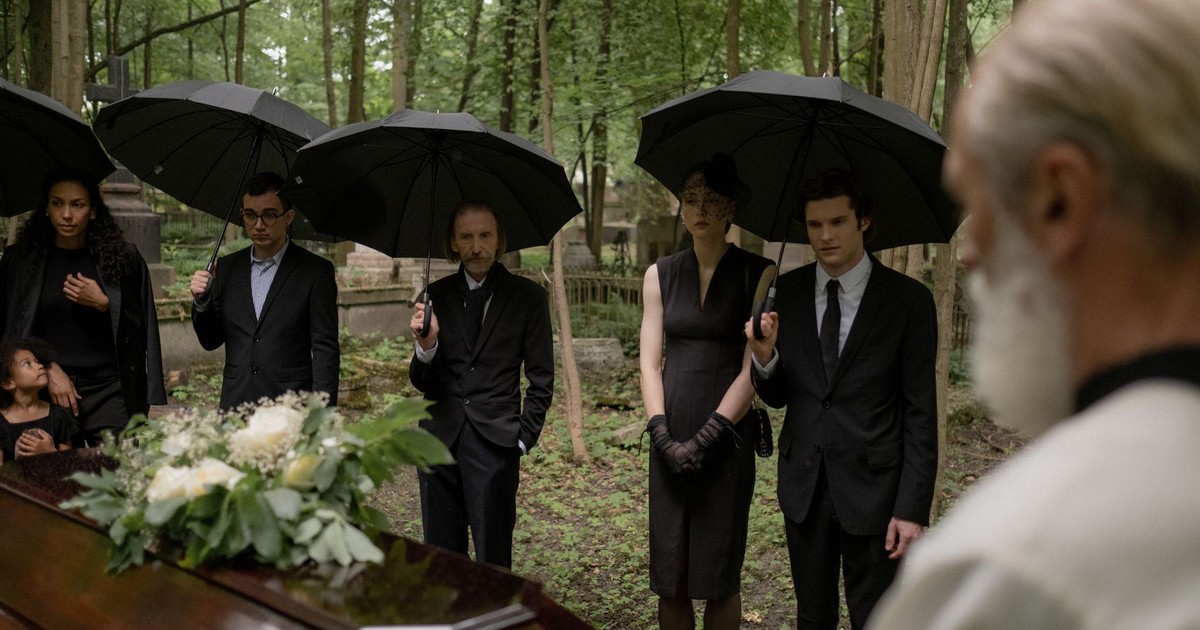
Funerals gather people who may not get along. Estranged relatives, complicated friendships, family members carrying decades of unresolved tension – all of them wind up in the same room, often for the first time in years. The fact that there is a death does not dissolve any of that. What it does is create a shared obligation to set it aside, at least for the duration of the service. Funerals are not the place for political, religious, or personal debates. Avoid discussing topics that could lead to arguments or discomfort, including critiquing the religious or cultural elements of the service.
If someone you have a conflict with is also attending, acknowledge them with basic civility and then give each other space. Whatever needs to be said between you can be said on a different day, in a different room, when neither of you is standing near a grieving family.
19. Critiquing How the Family Chose to Hold the Service

How a family chooses to memorialize someone is entirely their business. A cremation service instead of a burial, a celebration of life instead of a traditional funeral, a secular ceremony instead of a religious one – each of these choices belongs to the family alone. Voicing your opinion about those choices to other guests, or worse, to the family themselves, is a profound overstep. Whatever the family decided about the format, the tone, the flowers, the music, the casket, or the dress code, respect it. Even if you would have done it differently. Even if you think a traditional funeral would have been more appropriate than a celebration of life.
“I just think she would have wanted a church service” is not a compassionate observation. It’s an implicit criticism dressed up as sentiment. The family spent their worst days making these decisions. Your approval was not part of the process.
20. Disappearing After the Service and Never Following Up

This last one is the most forgettable offense and probably the most common. People attend the funeral, sign the guestbook, give the family a hug at the door, and then go back to their lives. The family goes home to a house full of casseroles and an inbox full of messages, and then, about two weeks later, all of that stops. The sympathy evaporates, the calls dry up, and grief – which doesn’t peak at the funeral, but often comes in much later – arrives in complete silence.
The family is often left alone with their grief, which is frequently worse, not better, than it was on the day of the funeral. The people who reach out after the funeral is over are the ones families remember most. A text three weeks later. A card on what would have been the deceased’s birthday. An invitation to coffee when you know the first major holiday is approaching. These are not grand gestures. They are just follow-through, and they are rarer than they should be.
Read More: Your Mother’s Funeral Will be The Day You Realize You Lost A Best Friend
What You’re Really There to Do
Funeral etiquette isn’t a test, and it’s not a performance. It’s the accumulated logic of what helps grieving people feel less alone and more held on one of the worst days of their lives. Most of the things on this list come down to the same underlying failure: treating a funeral as an event you’re attending rather than a loss you’re bearing witness to. When you’re uncertain about what to do or say, that principle is the only compass you need. Ask yourself whether the thing you’re about to do centers the family or centers yourself, and the answer will almost always tell you what to do next.
The family in that room did not choose to be there. They are not hosting you. They are surviving the worst news they’ve received, in public, while managing catering and seating arrangements and thanking people for coming. The best thing you can do – the only thing, really – is make sure that when you leave, you have reduced their burden in some small way, rather than added to it.
Some of these behaviors feel so minor in the moment that they barely register. A quick glance at your phone. A comment to the person next to you. An opinion that slips out before you’ve thought it through. But grief magnifies everything in that room, and the family will remember far more than you expect them to. You don’t need to be perfect. You just need to be there for someone else, rather than for yourself, for the hour or two that the service lasts. Most people can manage that – and most of the time, the ones who don’t simply weren’t thinking. Now you are.
Disclaimer: This information is not intended to be a substitute for professional medical advice, diagnosis, or treatment and is for information only. Always seek the advice of your physician or another qualified health provider with any questions about your medical condition and/or current medication. Do not disregard professional medical advice or delay seeking advice or treatment because of something you have read here.
AI Disclaimer: This article was created with the assistance of AI tools and reviewed by a human editor.