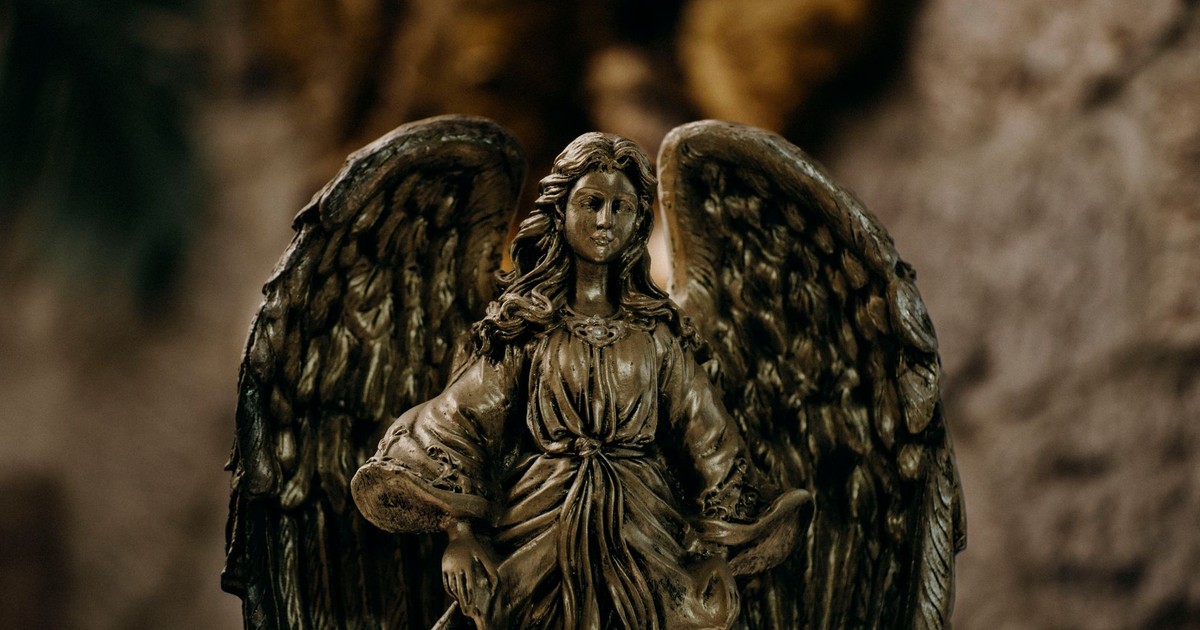

Every culture that has ever existed arrived independently at the same idea: that you are not entirely alone in this world, that something unseen moves alongside you, watches the road ahead, and occasionally intervenes in ways you can’t quite explain.
Pull the camera back a few thousand years and you find the same belief etched into Assyrian palace walls, woven into Persian prayer, whispered in Greek philosophy, and encoded in the Torah, the Quran, and the Vedas. The form changes. The function almost never does.
The guardian of Islamic theology is not the guardian of Shinto practice. The Roman genius is not quite the Christian angel, though they share the same ancient bloodline. Across nine cultures, the details diverge in ways that reveal everything about what each civilization believed a human life actually needed.
Ancient Mesopotamia: The First Recorded Guardians
The oldest written evidence of Guardian Angel beliefs doesn’t come from the Bible. It comes from the palaces of ancient Babylon and Assyria, where colossal winged protective figures — the shedu and lamassu — flanked palace gates and city entrances, their physical presence meant to ward off malevolent forces. A figure of a guardian angel recovered from an Assyrian palace resides in the British Museum. Nabopolassar, father of Nebuchadnezzar the Great, wrote that the god Marduk “sent a tutelary deity of grace to go at my side” – a king crediting a celestial guardian for his political and military successes.
These protective figures were conceived as divine buffers between humans and chaos. They were assigned to individuals, to homes, to kingdoms – a model that would ripple forward through every tradition that came after it. The impulse to name the protector, to carve it in stone, to invoke it in written prayer: Mesopotamia did all of this first.
Ancient Judaism: Malachim and the Watching Angels
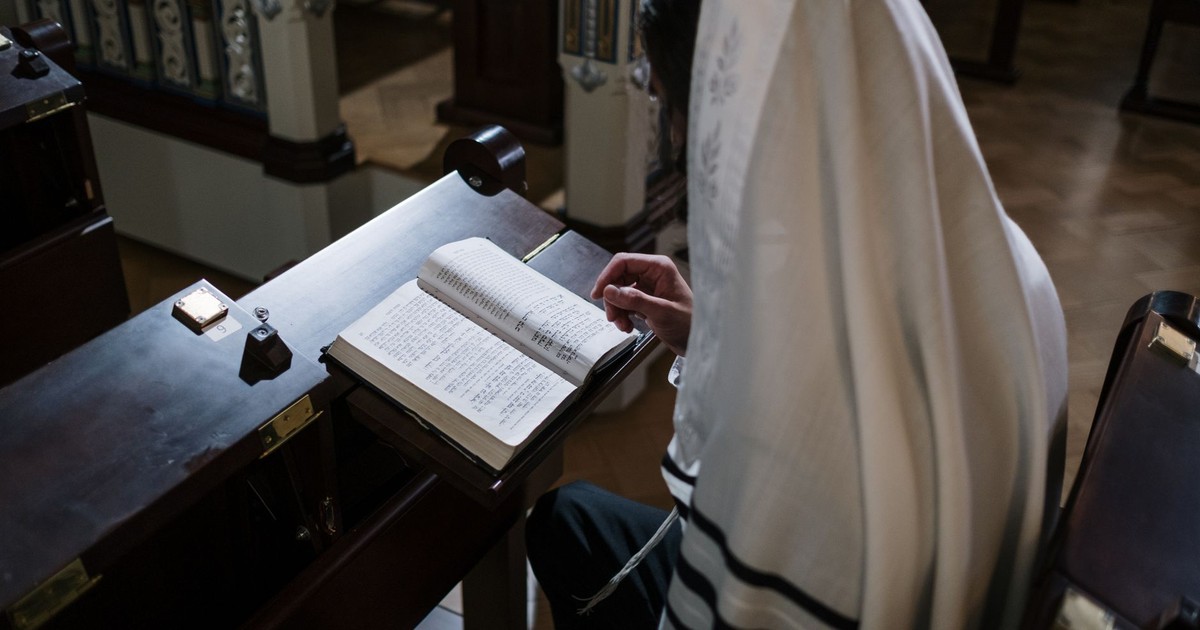
In Judaism, angels are referred to as malachim, meaning messengers. These angels are ranked in a hierarchy, and their existence is understood as dependent on performing specific tasks; once a task is finished, the angel disappears. Those tasks range from delivering prophecy to facilitating the natural laws of the world.
The Hebrew Bible contains multiple scenes in which angels intervene in individual human fates – protecting Daniel in the lion’s den, guiding Lot out of Sodom, wrestling with Jacob through the night. The Book of Daniel explicitly describes angels assigned to watch over entire nations. By the time of the Second Temple period, Jewish theology had developed a detailed study of angels in which guardian figures played a central, active role in human affairs. The malachim were not background characters. They were participants.
The Jewish tradition places its emphasis on purpose rather than permanence. An angel exists for a reason, fulfills it, and is done. There’s something almost economical about that – a divine arrangement that assigns exactly what is needed and no more.
Christianity: The Angel at Your Shoulder
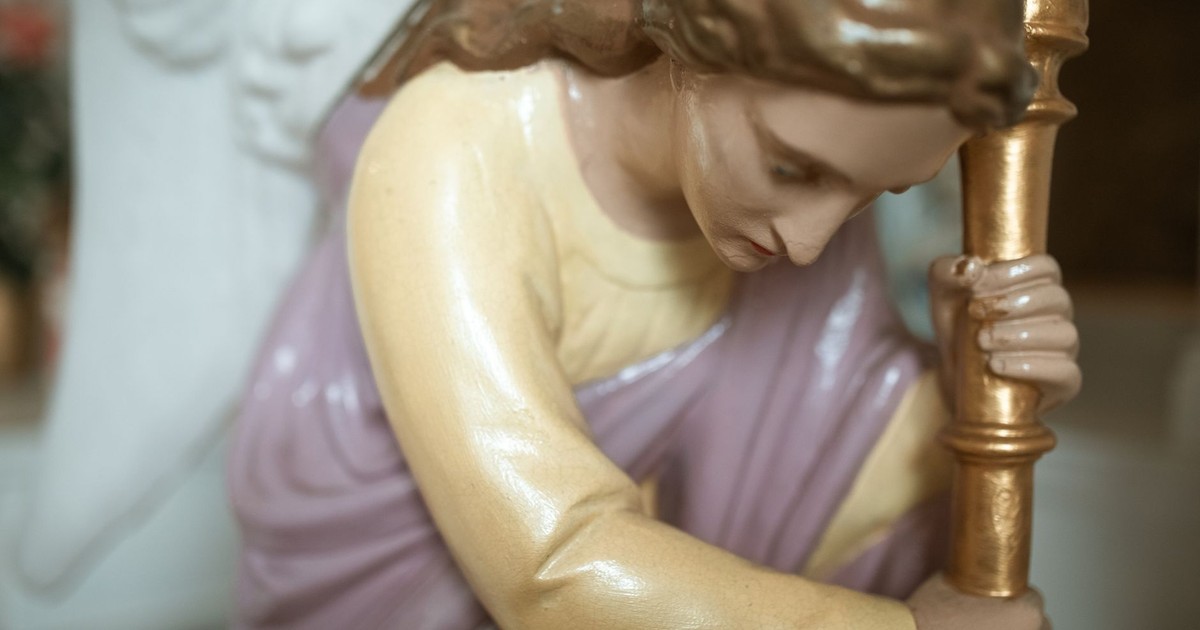
By the Middle Ages, the idea that every person had a guardian angel had become widespread within Christianity. Theologians like Thomas Aquinas argued that angels were immaterial, rational beings assigned to individuals to help guide their moral decisions and protect them from spiritual danger.
The celebrations of guardian angels in the Catholic Church stretch back to the 11th century, and the belief gained a formal foothold around the 12th century. The Feast of Guardian Angels was first authorized in 1608 by Pope Paul V. Pope Clement X later made October 2 the official date for the Feast of Guardian Angels in the 1670s.
The Christian framing is perhaps the most familiar in the Western imagination: a winged being, radiant and benevolent, assigned to a specific soul from birth. In the 5th century, the theologian known as Pseudo-Dionysius the Areopagite constructed elaborate celestial hierarchies – a detailed ranking of heavenly beings – placing angels at the lowest tier, closest to humans. Lowest in the heavenly hierarchy, but closest to the people who needed them most.
Islam: The Hafaza, Guardians Who Also Keep Score
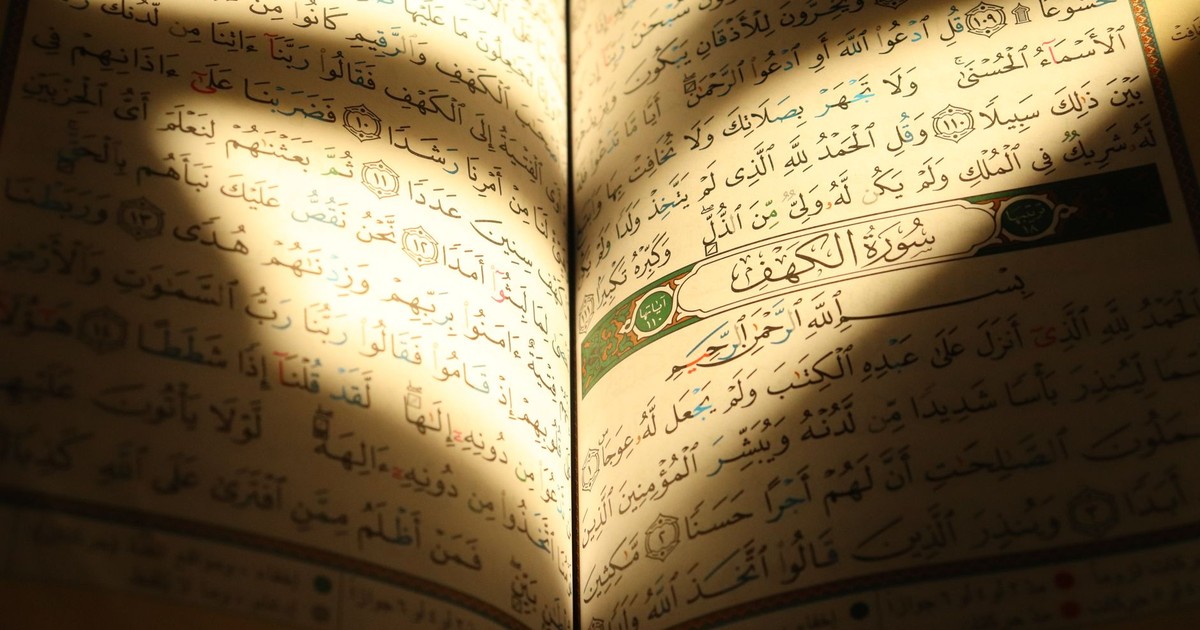
Islam’s approach to Guardian Angel beliefs has a precision that distinguishes it from most other traditions. Quran 13:11, a verse recited during devotion, describes guardian angels as protectors: “For each person, there are angels in succession, before and behind him: They guard him by command of Allah.”
Muslims sometimes recite the greeting “Assalamu alaykum” while looking at their left and right shoulders, as it is commonly believed that guardian angels reside on each shoulder – a belief that stems directly from the Quran. It is considered appropriate to acknowledge their presence during daily prayers.
The angels in question – the Hafaza – are not simply protectors. According to Islamic understanding, these angels not only guard human beings but also preserve a written archive of every action one commits during the course of their entire life. Each person is assigned four Hafaza angels, two of which keep watch during the day and two during the night. The dual function – protection and documentation – gives Islamic guardian angels a moral weight that the more purely protective versions in other traditions don’t carry. You are watched over, yes. You are also watched.
Zoroastrianism: The Fravashi, Your Divine Other Self

In Zoroastrianism, each person has one guardian angel, called the Fravashi. They protect human beings and other creatures and also express the energy of God. The Fravashi is something more philosophically unusual than a standard guardian: it is understood as the ideal, pre-existent form of each individual soul – the divine blueprint of who you are meant to become.
The Fravashi is the Avestan term for the Zoroastrian concept of a personal spirit of an individual, whether dead, living, or yet-unborn. The Fravashi of an individual sends out the urvan (the soul) into the material world to fight the battle of good versus evil. On the morning of the fourth day after death, the urvan returns to its Fravashi, where its experiences are collected to assist the next generation in their fight between good and evil.
Zoroastrianism recognizes various classes of spiritual beings besides the Supreme Being: the Amesha Spentas (the highest divine attributes, literally “Beneficent Immortals”), the Yazatas (divine beings “worthy of worship”), and the Fravashis. In practice, Zoroastrians choose a patron angel for their protection and throughout their lives observe prayers dedicated to that angel. The first month of the Zoroastrian calendar is named after the Fravashis, and a festival celebrating them falls each spring. When a tradition names a month after something, it is not a peripheral belief.
Ancient Greece: The Daimon That Chose You
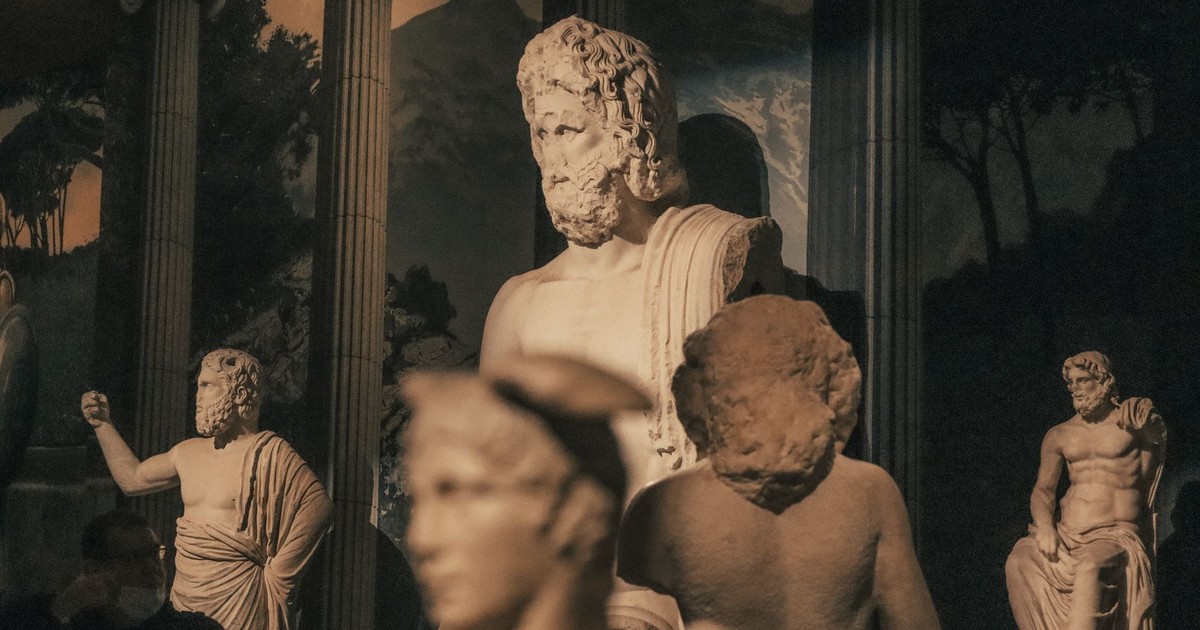
Far from being demonic in the modern sense, the Greek daimon was a morally neutral or even benevolent being, often acting as a go-between for mortals and gods. Philosophers like Plato described daimones as occupying the space between the divine and the human.
Plato, in the “myth of Er” that closes the Republic, described souls choosing their daimon after death, for the life to come – understood as a combination of guardian angel, spiritual double, and life pattern. The daimon, then, accompanies and guides rather than being imposed from above, and the soul’s prior choice shapes the partnership it will have in its next life. Plato left open whether that makes the relationship more intimate or more demanding.
Socrates described his own daimon as an inner voice that warned him against wrong decisions and stayed silent when his course was correct. Platonists regarded this sign-giver as a high-ranking daimon, a divine spirit being that acted as the philosopher’s personal guardian spirit. It cost Socrates his life – the charge of introducing a new religious entity was one of the accusations that led to his execution in 399 BCE. The Greeks took their guardian spirits seriously enough to kill over them.
Ancient Rome: The Genius That Lived With You
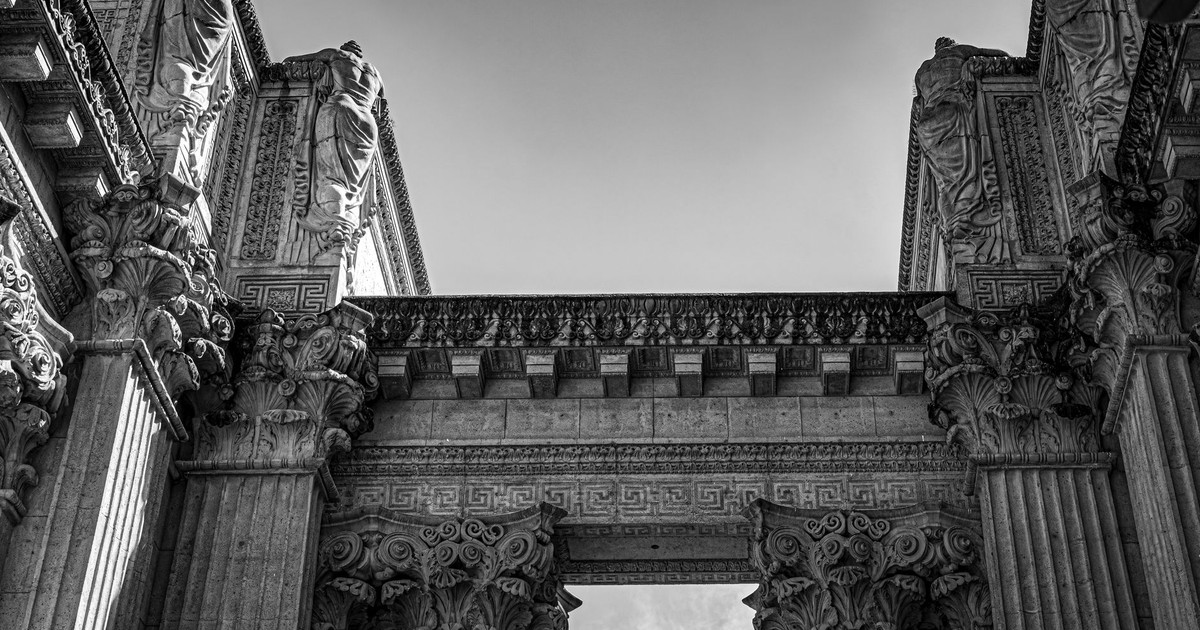
In Roman religion, the genius functioned as the personal protective deity of an individual from birth to death – a role so similar to the guardian angel that later Christian writers made the comparison explicitly. Where the Greek daimon was philosophical and somewhat abstract, the Roman genius was practical and domestic. Every man had one. Every family had a collective spirit called the Lares who watched over the household. Every location had a genius loci, a spirit of the place.
One famous anecdote involves the Roman general Mark Antony. According to Plutarch, after struggling against Octavian, Antony consulted Egyptian Magi to understand his misfortunes. The Magi replied that Caesar was protected by a powerful genius, and that this genius appeared fearful and subdued whenever it approached Octavian’s.
The Greek word daimon was eventually rendered as daemon in Latin and became synonymous with the Roman genius. As Christianity spread through the Roman world, the darker associations of the daemon were separated out into what became the Christian demon, while the benevolent, protective function carried forward into the guardian angel tradition. The names changed as the theology shifted. The underlying need being answered – accompaniment, protection, witness – did not.
Shinto Japan: Kami as Guardian Presence

Japan’s indigenous spiritual tradition, Shinto, does not have “guardian angels” in the Abrahamic sense, but the functional equivalent is deeply embedded in everyday practice. In Shinto, there is a belief in Kami – spirits or deities believed to protect and guide individuals. These spirits are often associated with natural elements and are revered in ways that echo the reverence for guardian angels in Western cultures.
Kami are not distant. They inhabit mountains, rivers, trees, particular rocks, and specific locations. A person does not simply have one guardian; they exist within an entire ecosystem of protective presences. Shrines, maintained with daily offerings and seasonal rituals, are the point of contact between human life and these guardians. The relationship is reciprocal – attentiveness earns protection, inattention risks losing it. Guardian Angel beliefs in the Shinto tradition are less about what watches over you from above and more about what you are woven into here below.
Indigenous Cultures: Ancestors and Animal Guides

Across Indigenous traditions from the Americas to sub-Saharan Africa to the Pacific Islands, protective spirits are not a minor theological detail – they are the organizing structure of the relationship between the living and the unseen. In most cultures, an “angel” implies some status as a messenger between humanity and a higher power, though many Indigenous cultures hold a more polytheistic view. The spirits of animals or ancestors may still bring messages to people, especially in dreams or on a vision quest. In many cultures, each person may have a totem or guardian spirit.
The ancestor-guardian is perhaps the most emotionally immediate form of protective belief across these traditions: the idea that someone who loved you in life continues to watch over you in death. It transforms grief into continued relationship. It places the beloved dead not in a remote heaven but still adjacent to daily life, still invested in what happens to you.
If you want to read a first-person account of what another kind of spiritual encounter feels like from the inside, the story of a woman who was clinically dead for six minutes and describes what she witnessed is worth reading alongside these traditions.
What This Reveals About All of Us
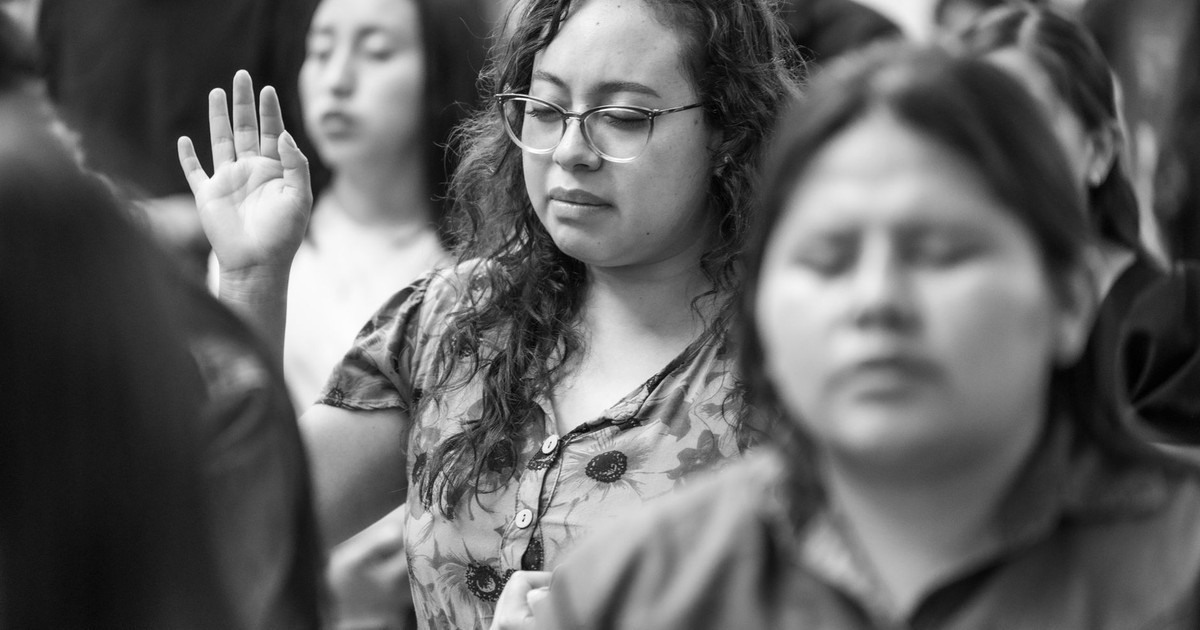
The spread of Guardian Angel beliefs across cultures that had no contact with each other – no shared scripture, no common language, no trade routes between Babylon and ancient Japan – suggests something about human beings that is harder to dismiss than any single religious claim. People across every era, at every longitude, arrived at the same answer to the same question: is something looking out for me? And the answer was yes, almost everywhere, almost always.
That doesn’t resolve the theological question of whether any of this is literally true. That’s yours to work out. But it does say something about why the belief survives every era of rational challenge, every Enlightenment, every age of science. The need it addresses is not a theological need. It is a human one – the need to feel accompanied in a world that can, without much warning, become very dark and very lonely. Some traditions dress that companionship in wings. Some in fire. Some in the spirit of a grandmother who died before you were old enough to know her. The form has always been secondary to the function.
Almost none of these traditions conceive of the guardian as simply a protector. The Islamic Hafaza record your deeds. The Zoroastrian Fravashi is the ideal you are striving toward. The Greek daimon is the pattern chosen for the life ahead. Most of these frameworks are not asking you to be passive, to simply receive protection and move on. They are asking you to be in relationship with something, to live in a way that the relationship can hold. Whether that’s theology or psychology, or both at once, is a question the next thousand years will not likely settle either.
Disclaimer: This information is not intended to be a substitute for professional medical advice, diagnosis, or treatment and is for information only. Always seek the advice of your physician or another qualified health provider with any questions about your medical condition and/or current medication. Do not disregard professional medical advice or delay seeking advice or treatment because of something you have read here.
AI Disclaimer: This article was created with the assistance of AI tools and reviewed by a human editor.