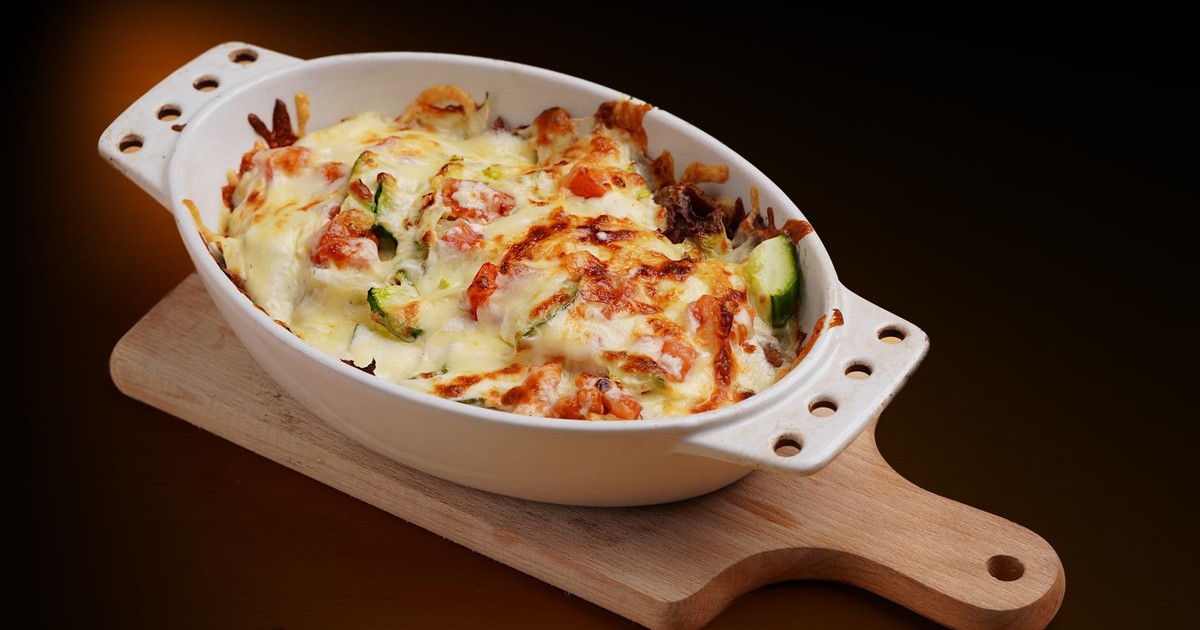

Casseroles have a reputation problem. Somewhere between the cream-of-something-soup era and “clean eating” Instagram, the humble baked dish got lumped in with everything we were supposed to feel guilty about. One pan. An hour in the oven. The whole family fed without negotiating three separate preferences at the dinner table. The casserole is one of the most efficient cooking formats ever invented.
What makes a casserole heavy or light has almost nothing to do with the format and everything to do with what goes inside it. Swap the condensed soup for a homemade olive oil-based sauce. Build the bulk of the dish around legumes, vegetables, and whole grains instead of processed starches. Reach for salmon or lean chicken instead of ground beef. Heart disease is the leading cause of death in the US, which makes the stakes of everyday food choices more real than any wellness influencer’s content calendar.
The 13 heart-healthy casserole recipes below are built around ingredients that cardiologists and dietitians consistently point to as cardioprotective: leafy greens, fatty fish, beans, whole grains, olive oil, and generous amounts of herbs and spices in place of excess sodium. None of them require a culinary degree. Most are genuinely manageable on a weeknight.
1. Salmon and Spinach Brown Rice Bake
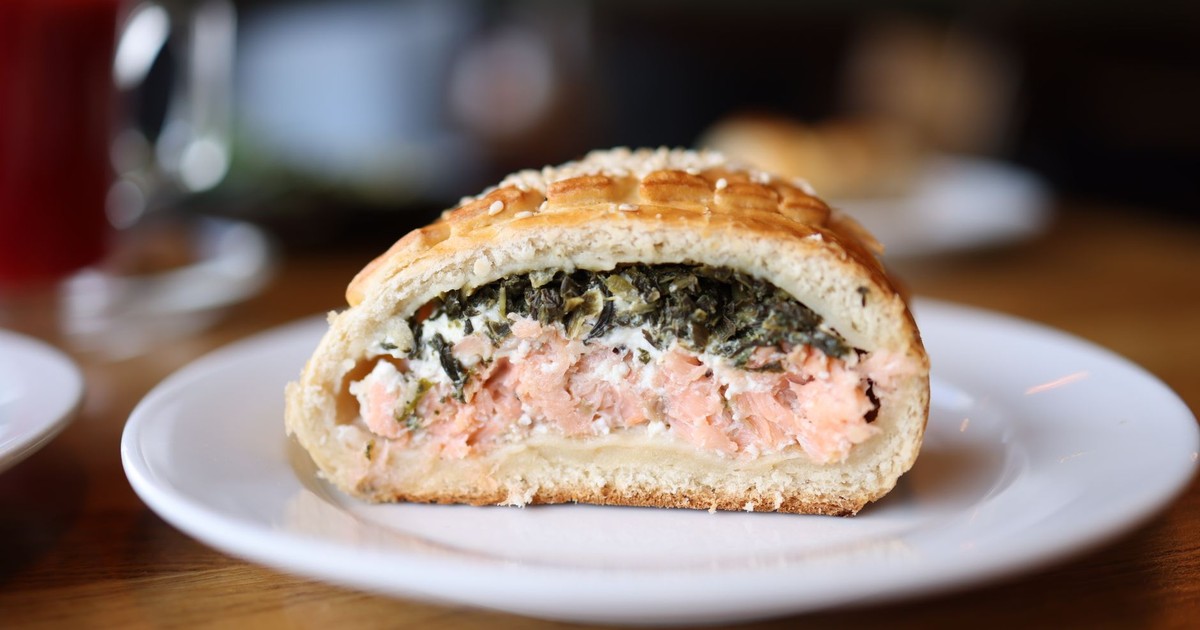
Salmon is one of the most powerful heart-protective ingredients you can put in a casserole dish. According to the Mayo Clinic, fatty fish like salmon are packed with omega-3 fatty acids, which lower triglycerides, reduce inflammation, and help keep blood pressure in a healthy range. Layer flaked salmon fillets over a base of cooked brown rice, baby spinach, and thinly sliced shallots, then pour over a mixture of low-sodium vegetable broth, a tablespoon of Dijon mustard, and a squeeze of lemon. Cover with foil and bake at 375°F for 25 minutes until the rice has absorbed the broth and the salmon is tender.
The brown rice provides soluble fiber, which binds to cholesterol in the digestive tract before it can be absorbed. The spinach adds magnesium and potassium, both of which are associated with healthier blood pressure.
2. White Bean and Kale Casserole with Tomatoes
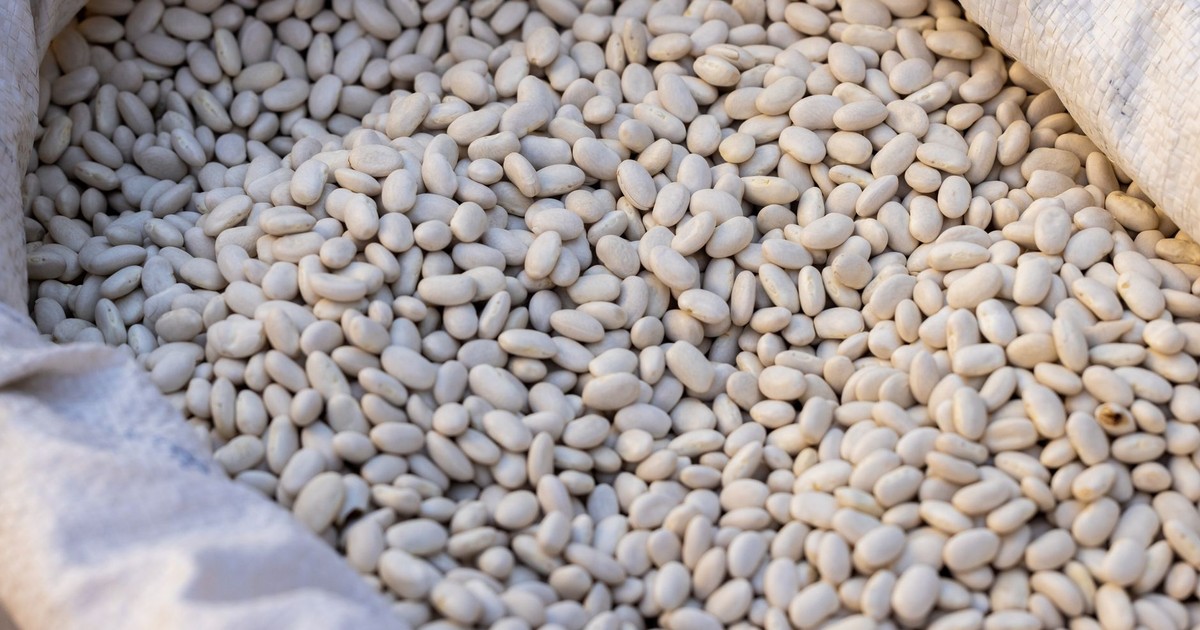
White beans are an underutilized powerhouse. According to the Victor Chang Cardiac Research Institute, legumes are heart-friendly and serve as a nutritious alternative to red meat — chickpeas, lentils, black beans, and green peas are high in fiber, helping to keep you feeling full. White beans fit squarely in that category, and combined with curly kale and crushed tomatoes, they form the base of a deeply satisfying, entirely plant-based casserole.
Sauté one diced onion and four garlic cloves in two tablespoons of extra-virgin olive oil. Add two cans of drained white beans, one 28-ounce can of crushed tomatoes, a generous handful of chopped kale, smoked paprika, oregano, and a pinch of red pepper flakes. Transfer to a baking dish, top with a small amount of crumbled feta, and bake at 375°F for 30 minutes. The tomatoes soften into a thick, savory sauce and the kale loses its raw edge without going limp. Serve with a wedge of crusty whole-grain bread on the side.
3. Mediterranean Chicken and Chickpea Bake
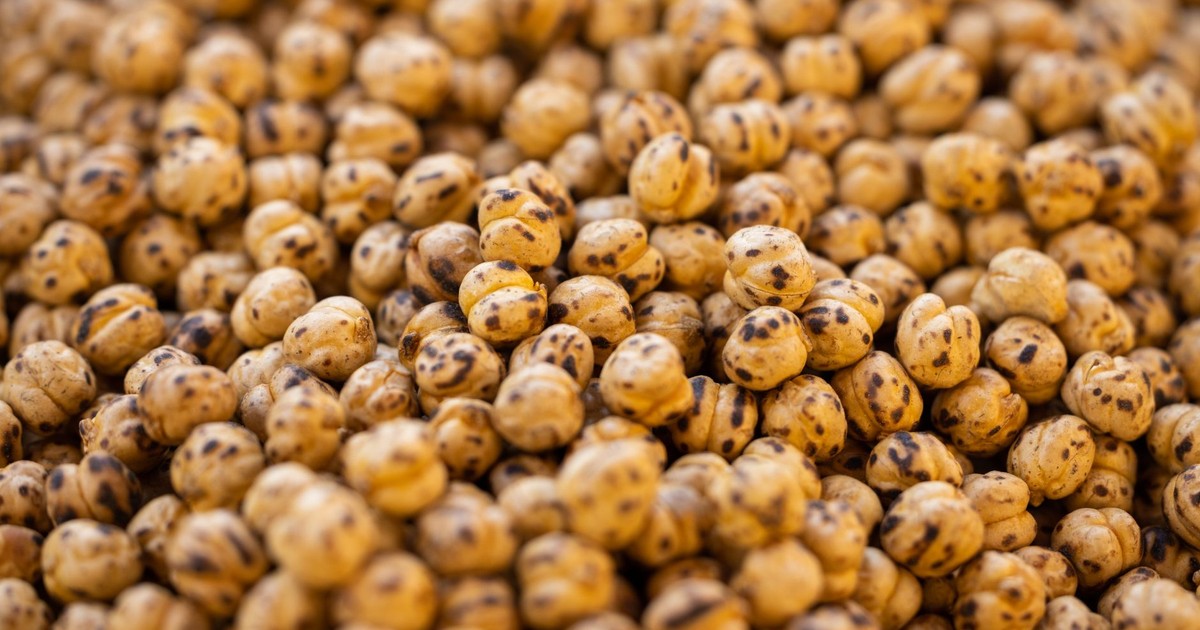
Chicken thighs (skin removed, bone-in) are arranged over a bed of chickpeas, halved cherry tomatoes, sliced red onion, and kalamata olives. Drizzle with olive oil, dust with cumin, coriander, turmeric, and a generous amount of dried oregano, then roast at 400°F for about 45 minutes.
The chickpeas take on the roasting juices and the tomatoes collapse into something almost sauce-like. Garlic, oregano, cumin, and coriander offer anti-inflammatory benefits, which means the spice blend here is pulling genuine weight beyond flavor. Herbs and spices are one of the most effective tools for reducing sodium in a dish without making it taste like it’s missing something.
4. Lentil and Sweet Potato Shepherd’s Pie
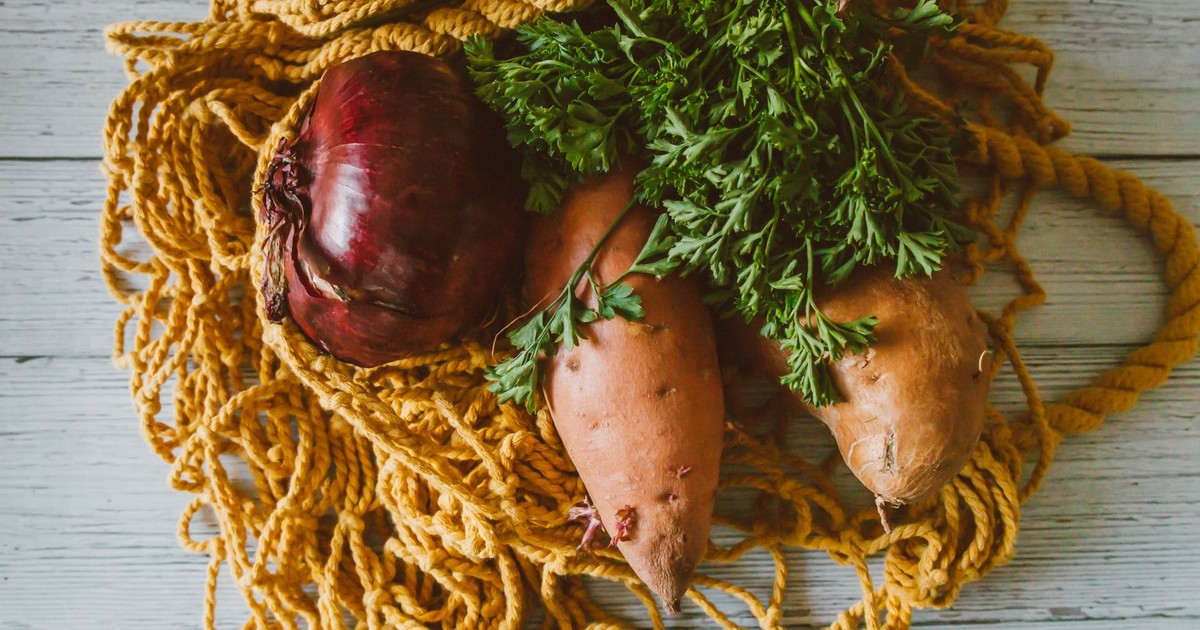
The traditional shepherd’s pie (minced lamb, buttery mashed potato crust, a lake of gravy) arrived in a different era of nutritional understanding. This version keeps the logic of the original and rebuilds it with lentils instead of lamb and sweet potato in place of the white potato crown.
Cook green or brown lentils with diced carrots, celery, onion, garlic, low-sodium vegetable broth, a tablespoon of tomato paste, and fresh thyme until the mixture is thick and the lentils are tender. Spread into a baking dish. Top with mashed sweet potato (made with a splash of low-fat milk and a tablespoon of olive oil rather than butter) and bake at 375°F until the top is lightly golden. Vegetables like sweet potatoes are high in potassium, magnesium, and nitrates, all of which contribute to cardiovascular health. This dish is also one of the best casseroles for batch cooking – it holds well in the fridge and gets better as the lentils absorb the liquid.
5. Baked Tuna Noodle Casserole (Lightened Up)
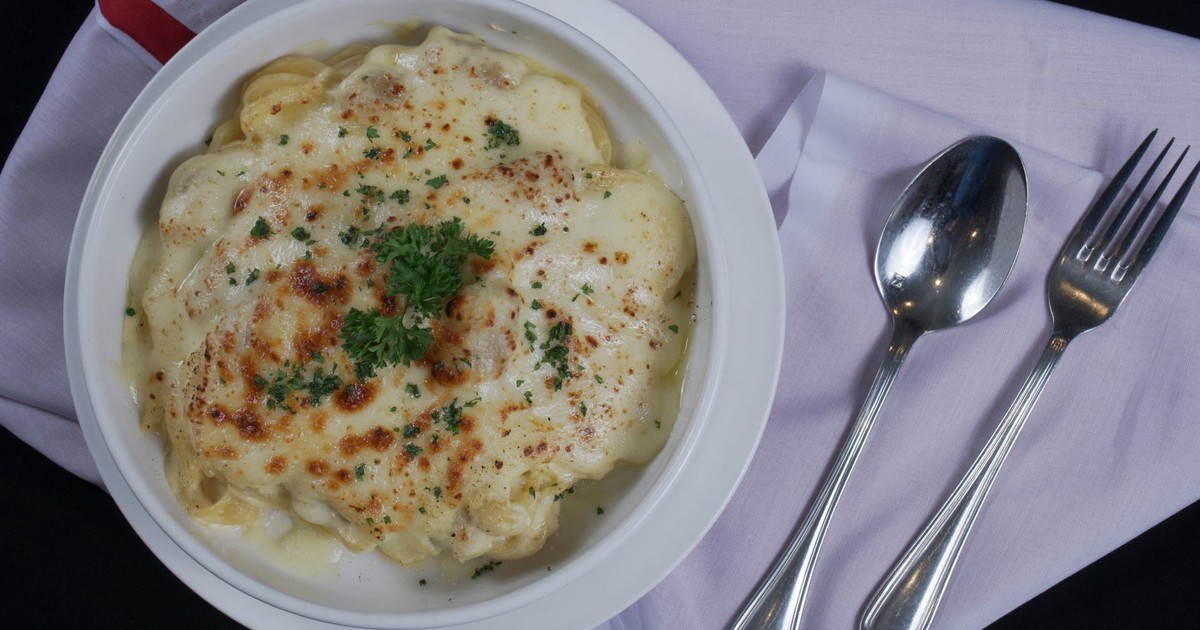
Tuna noodle casserole is one of the most comforting things in the American culinary canon. The classic version leans on canned cream-of-mushroom soup, egg noodles, and a butter-laden cracker topping. This version swaps those elements without losing the soul of the dish.
Use whole-wheat pasta. Make a light white sauce with olive oil, a small amount of flour, low-fat milk, low-sodium chicken broth, a spoonful of Dijon, and a small amount of sharp cheddar (enough cheese to deliver flavor, not enough to overwhelm). Fold in two cans of light tuna in water, frozen peas, and diced celery. Top with a handful of whole-wheat breadcrumbs toasted in olive oil. Bake at 375°F for 25 to 30 minutes. Soluble fiber helps reduce LDL by binding to cholesterol in the digestive tract, which is why the whole-wheat pasta swap is worth making even though it is a small one.
6. Roasted Vegetable and Farro Casserole
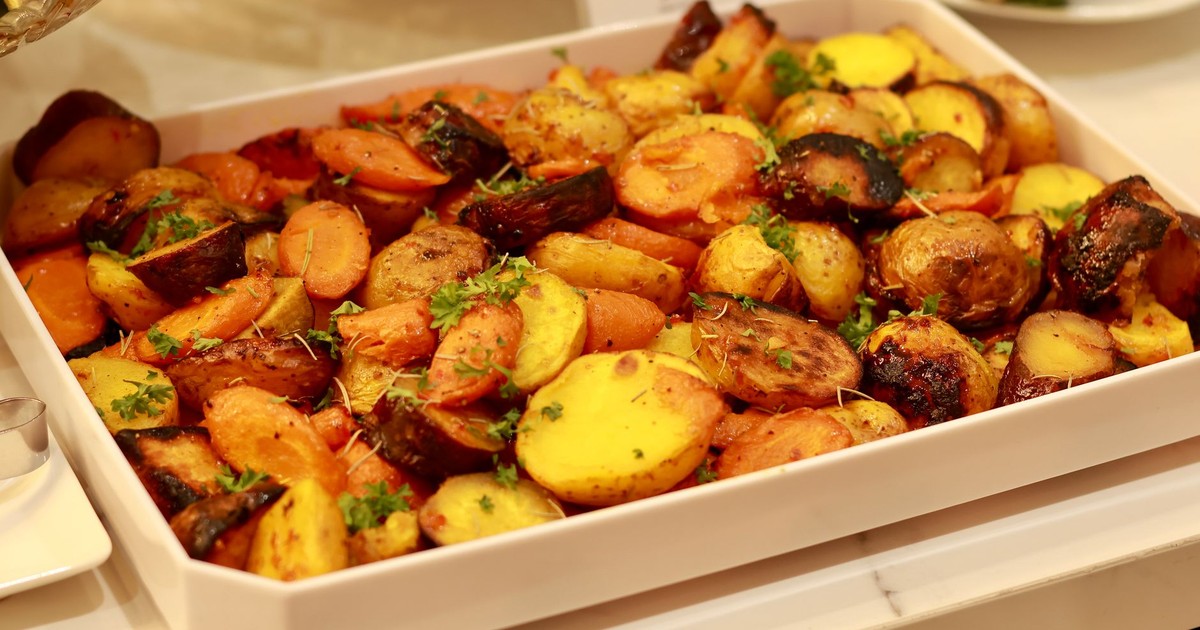
Farro (an ancient whole grain with a pleasantly chewy texture) holds up beautifully in baked dishes, absorbing liquid without going to mush, and its nuttiness pairs naturally with roasted vegetables. This casserole starts with a full sheet pan of roasted vegetables: zucchini, bell peppers, red onion, eggplant, and cherry tomatoes all tossed in olive oil and dried herbs at 425°F for 20 minutes.
Fold the roasted vegetables into par-cooked farro, add a ladleful of low-sodium vegetable broth, a handful of fresh basil, and a tablespoon of red wine vinegar for acidity. Transfer to a casserole dish and bake covered at 375°F for another 25 minutes. The vinegar brightens the roasted sweetness and keeps the flavor profile from going flat. Colorful fruits and vegetables are loaded with polyphenols and antioxidants that protect cells from oxidative stress, and a dish this densely packed with produce is about as good a delivery system for those compounds as you’ll find in a weeknight dinner.
7. Turkey and Quinoa Stuffed Pepper Casserole
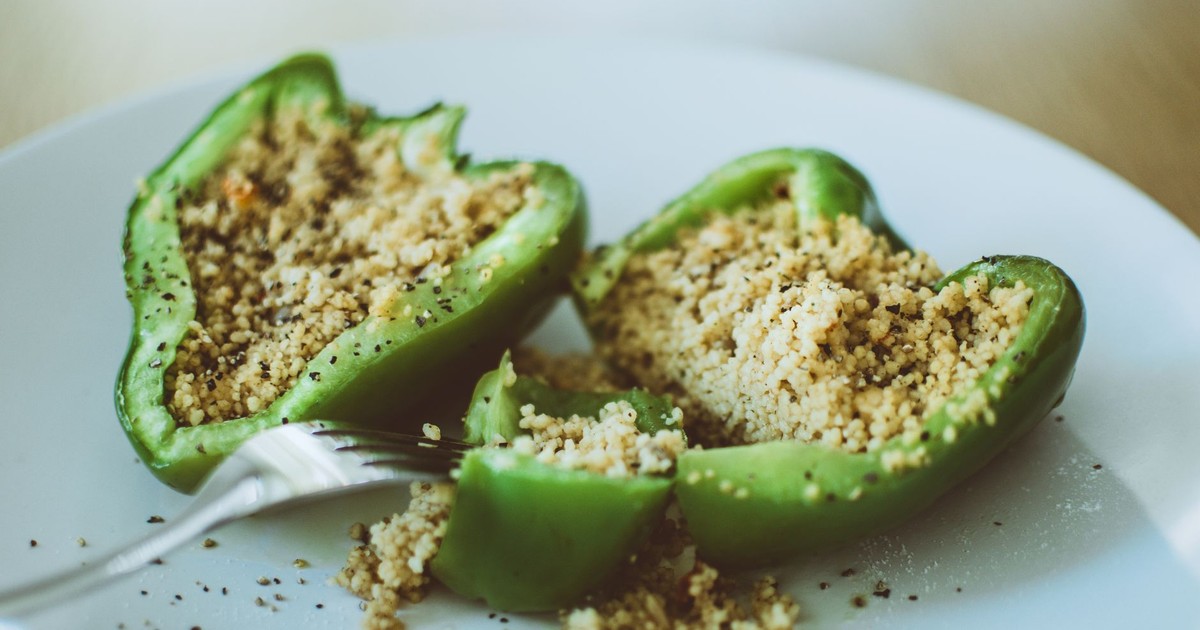
This is a deconstructed stuffed pepper (all the flavor, none of the fiddly work of hollowing out individual peppers and hoping they stand up in the pan). Brown lean ground turkey with onion, garlic, diced tomatoes, and chili powder. Stir in cooked quinoa, black beans, and corn. Transfer to a large baking dish, scatter sliced bell peppers across the top, add a small amount of reduced-fat shredded cheese, and bake at 375°F for 30 minutes.
Quinoa is one of the few plant-based proteins that is a complete protein, meaning it contains all nine essential amino acids. The black beans add fiber and plant-based iron. The bell peppers (especially the red and yellow ones) bring a concentrated hit of vitamin C, which supports the absorption of the non-heme iron from the beans. The dish is also genuinely appealing to children, which is not always a given.
8. Greek-Style Baked Fish with Olives and Tomatoes
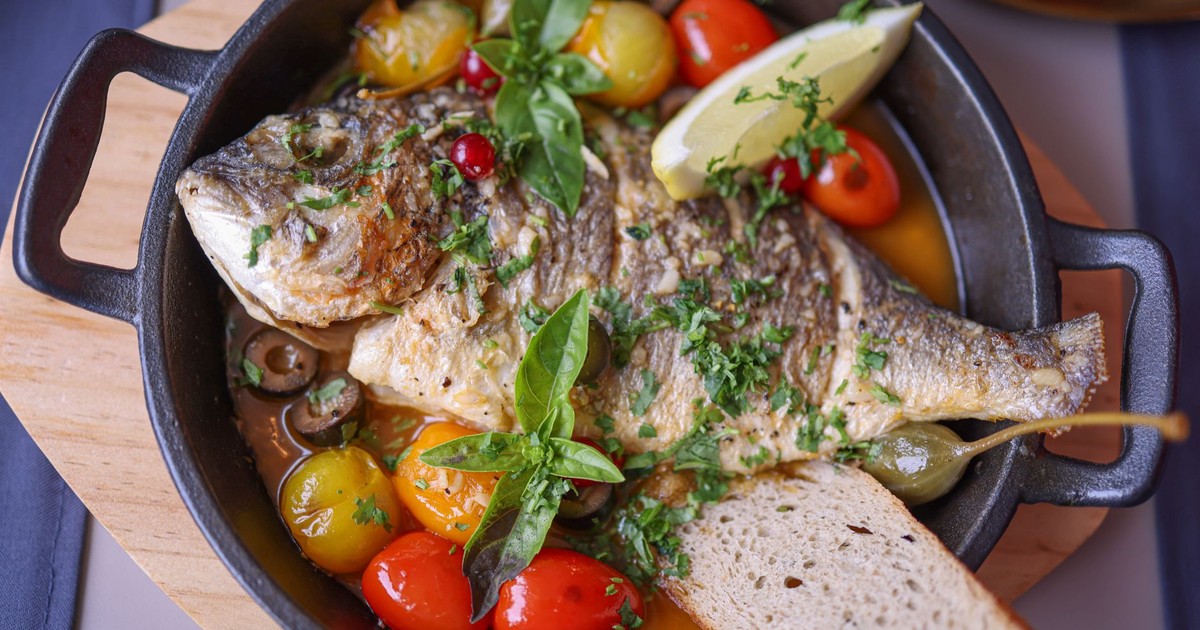
This is the casserole version of a dish that appears on nearly every Greek home table in some form. Firm white fish (cod, haddock, or halibut) is arranged in a baking dish over a base of sliced tomatoes, thinly sliced onion, kalamata olives, capers, and a generous amount of olive oil. Season with dried oregano, black pepper, and a squeeze of lemon. Bake at 400°F for 20 to 25 minutes until the fish is flaky and the tomatoes have softened into a light, bright sauce.
Extra-virgin olive oil contains monounsaturated fats and antioxidants that support healthy cholesterol levels. The olives add more monounsaturated fat and a salty, briny depth that means you don’t need to reach for the salt shaker. This is also one of the fastest casseroles on the list (from fridge to table in under 35 minutes), which makes it a genuinely practical weeknight option rather than a weekend project.
9. Chicken, Broccoli, and Wild Rice Casserole
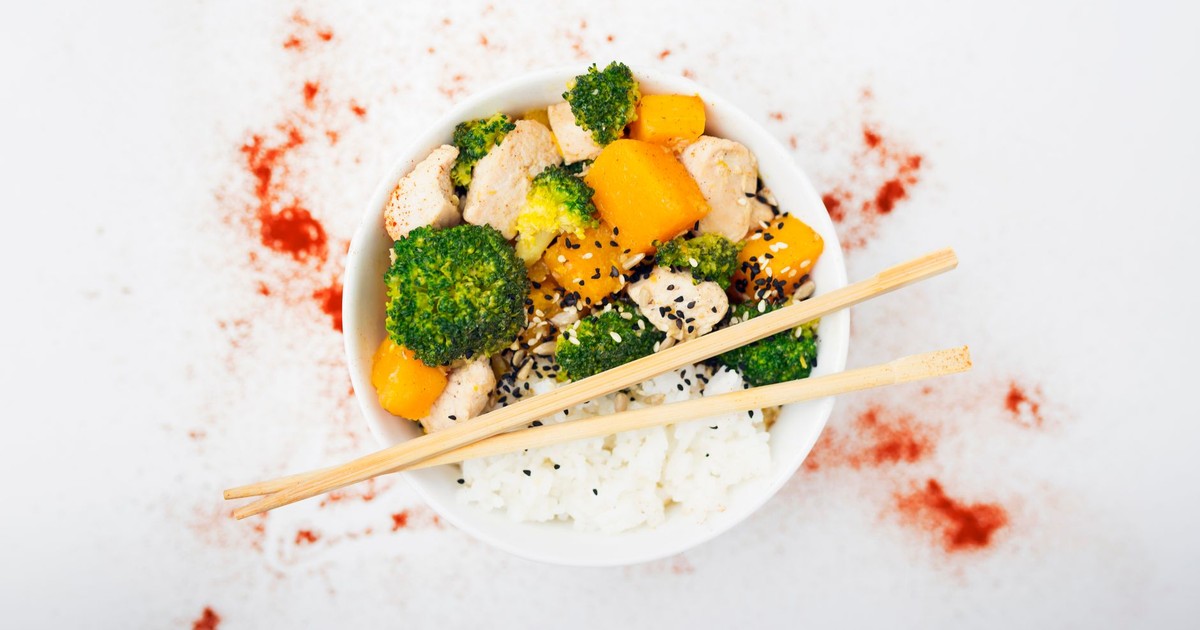
Wild rice is not technically rice (it’s the seed of an aquatic grass), and it’s substantially higher in protein and fiber than white rice. For a casserole, that matters: it holds its texture under heat far better than refined grains and contributes more nutritional density per forkful. Combined with shredded chicken breast, broccoli florets, and a sauce built from low-sodium chicken broth thickened lightly with cornstarch, Greek yogurt, and Dijon mustard, it forms a casserole that feels genuinely indulgent without the caloric weight of a cream-based version.
The Greek yogurt in the sauce adds protein and a faint tang while replacing most of the fat you’d find in a traditional cream sauce. Arrange the components in a large baking dish, scatter a small amount of Parmesan over the top, and bake covered at 375°F for 35 minutes, then uncovered for another 10 to develop a light golden crust. The broccoli retains just enough texture to not feel overcooked, which is the whole game with vegetable-heavy baked dishes.
10. Black Bean and Corn Enchilada Casserole
Enchilada casserole is the format for when you want the flavor profile of enchiladas without rolling twenty individual ones and standing at the stove for an hour. Layer corn tortillas with a filling of black beans, corn, diced green chiles, sautéed onion, and cumin in a 9×13 baking dish. Pour over a homemade or low-sodium red enchilada sauce, top with a moderate amount of reduced-fat Monterey Jack cheese, and bake at 375°F for 30 to 35 minutes.
Beans and legumes like chickpeas and black beans are rich in fiber and plant-based protein. A single serving of this casserole delivers a significant amount of that fiber through the black beans, which also provide folate and magnesium. The corn tortillas here are a better choice than flour tortillas (they’re lower in sodium and made from whole corn, a naturally whole-grain ingredient). This dish also freezes well, which matters when you’re cooking for a week rather than just a night.
11. Moroccan-Spiced Chickpea and Vegetable Bake
Moroccan cooking has been using the casserole format for centuries (the tagine is essentially a slow-cooked casserole in a clay pot). This version borrows the spice logic without requiring specialty equipment. Combine two cans of chickpeas with diced butternut squash, canned diced tomatoes, red onion, and a generous spice blend of cumin, coriander, cinnamon, turmeric, and ginger. Add a splash of low-sodium vegetable broth and a tablespoon of olive oil, transfer to a baking dish, cover tightly with foil, and bake at 400°F for 40 minutes.
The butternut squash softens into something almost buttery, the spices bloom in the oven heat, and the whole dish takes on a warmth that is not heat but depth. Serve over couscous or with whole-grain flatbread. The cinnamon is not a mistake (it’s used regularly in savory Moroccan cooking and has mild anti-inflammatory properties that sit comfortably alongside the other spices). A scatter of fresh cilantro or flat-leaf parsley before serving lifts the whole dish.
12. Baked Egg and Vegetable Strata
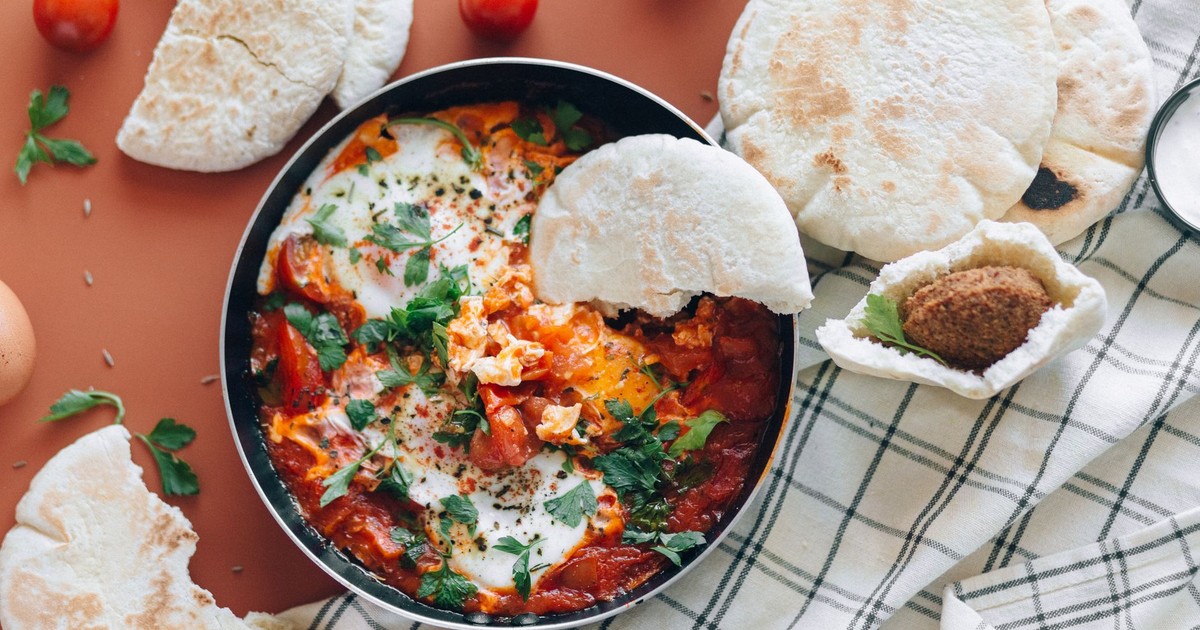
A strata sits at the intersection of a casserole and a savory bread pudding. Cubed whole-grain bread soaks overnight in a mixture of beaten eggs, low-fat milk, and low-sodium broth, absorbing the liquid so that when it bakes, the interior is custardy and the top is golden. This version adds sautéed mushrooms, wilted spinach, roasted red peppers, and a small amount of crumbled goat cheese.
Eggs provide high-quality protein and a full spectrum of B vitamins, and whole-grain bread contributes both fiber and a more complex flavor than white bread. The strata can be assembled the night before, which is one of its most underrated qualities (pull it from the fridge in the morning, let it come to room temperature for 30 minutes, and bake it at 350°F for 45 to 50 minutes). It works for brunch, dinner, or a lunch that feels more considered than a sandwich. The goat cheese is worth it (a little goes a long way in a dish this large).
13. Sardine and Tomato Rice Bake
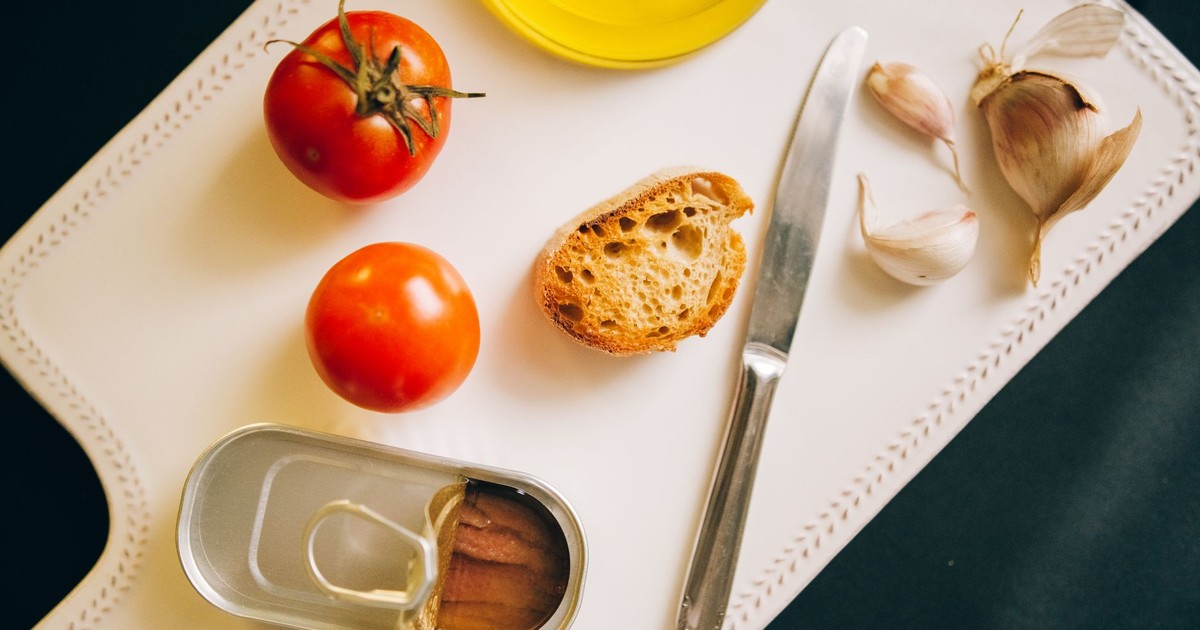
Sardines are genuinely excellent and dramatically underused in home cooking. They’re inexpensive, sustainable, and densely packed with omega-3 fatty acids, calcium, and vitamin D. Sardines are rich in omega-3 fatty acids, which help reduce inflammation and support heart function, while garlic contains allicin, a compound linked to improved circulation and blood pressure regulation.
Spread cooked brown rice in a baking dish. Scatter two cans of drained sardines in olive oil over the top. Add halved cherry tomatoes, thinly sliced garlic, capers, a drizzle of the oil from the sardine can (it’s good fat – use it), dried chili flakes, and lemon zest. Bake uncovered at 400°F for 20 to 25 minutes until the tomatoes are blistered and the edges of the rice are beginning to crisp. Finish with a squeeze of fresh lemon and a handful of fresh parsley.
Read More: 10 Best (and Worst) Peanut Butter Brands
The Part About Actually Making These
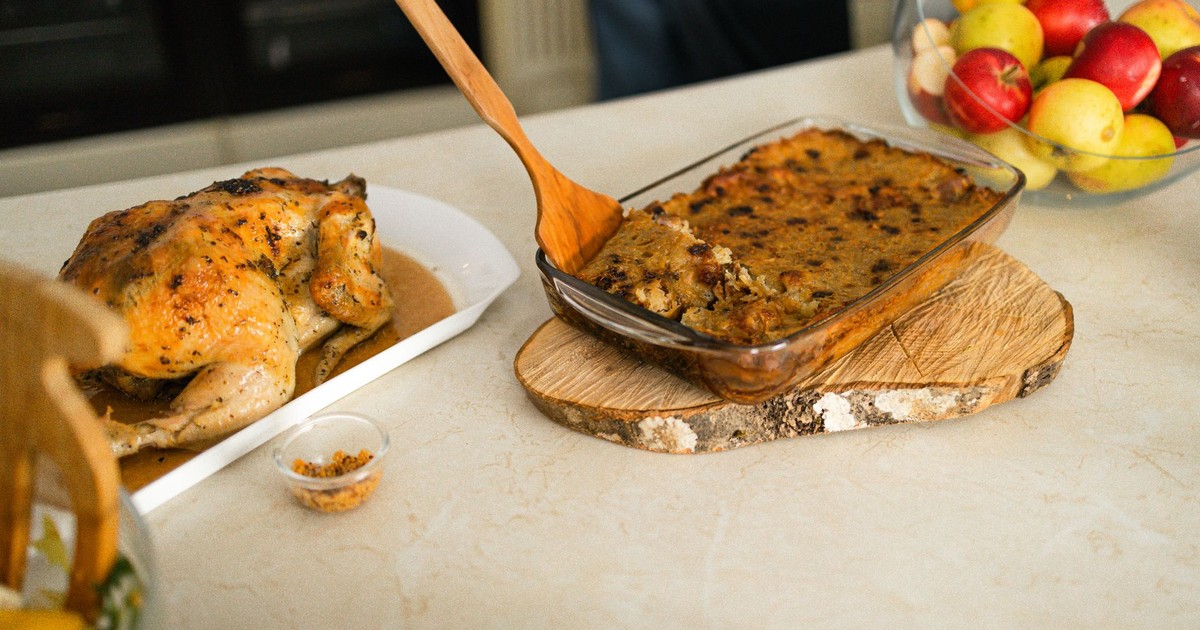
The biggest obstacle to cooking heart-healthy casserole recipes consistently is not knowing how to do it (it’s the friction of pulling it off on a tired Wednesday when takeout is three taps away). The most useful thing you can do is stock your pantry so that the ingredients for at least three of these recipes are always on hand: canned beans, canned fish, dried lentils, whole grains, olive oil, canned tomatoes, and a solid spice collection. Those items have long shelf lives and form the base of almost every recipe on this list.
The casserole format itself does the heavy lifting once you get going. One dish to wash. Leftovers that actually improve overnight as the flavors settle. A meal that can feed four without anyone standing at the stove for the entire evening. The dishes above are not a diet plan and they’re not a prescription (they’re food that happens to be good for you, which is the only kind of food worth making regularly).
Disclaimer: This information is not intended to be a substitute for professional medical advice, diagnosis, or treatment and is for information only. Always seek the advice of your physician or another qualified health provider with any questions about your medical condition and/or current medication. Do not disregard professional medical advice or delay seeking advice or treatment because of something you have read here.
AI Disclaimer: This article was created with the assistance of AI tools and reviewed by a human editor.