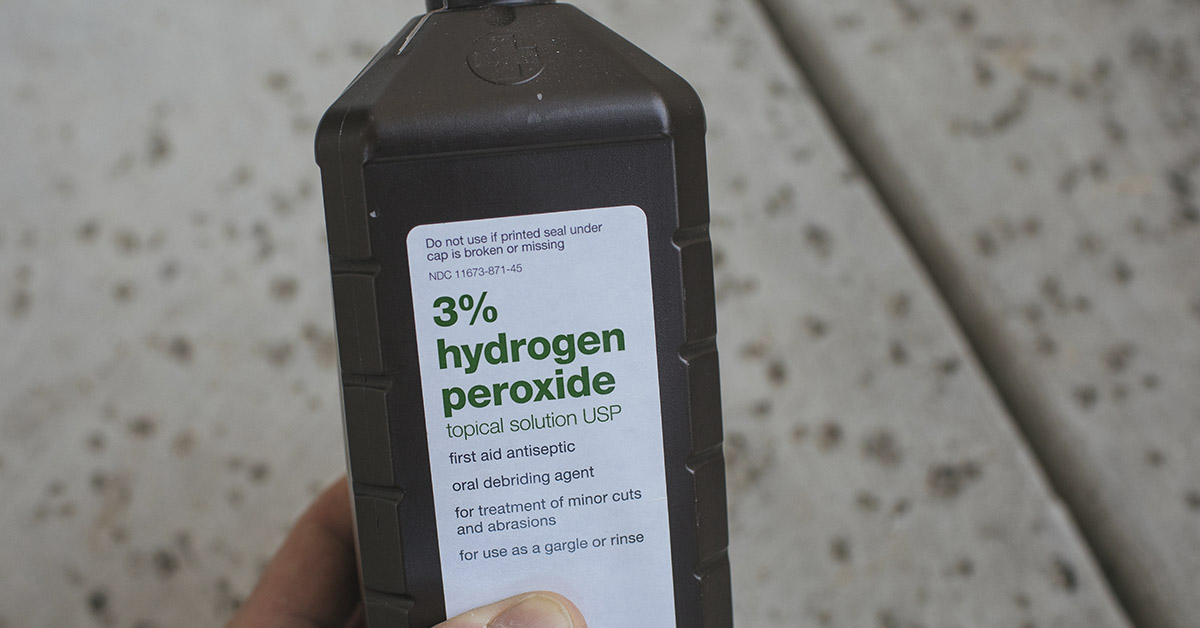

You probably have a bottle of it tucked away in your bathroom cabinet – that clear liquid most famous for cleaning minor cuts. But what if we told you that this inexpensive, safe, and easily accessible item – hydrogen peroxide – is a powerhouse cleaning solution? It is especially effective when it comes to the toughest job in the house: the toilet.
What Is Hydrogen Peroxide?
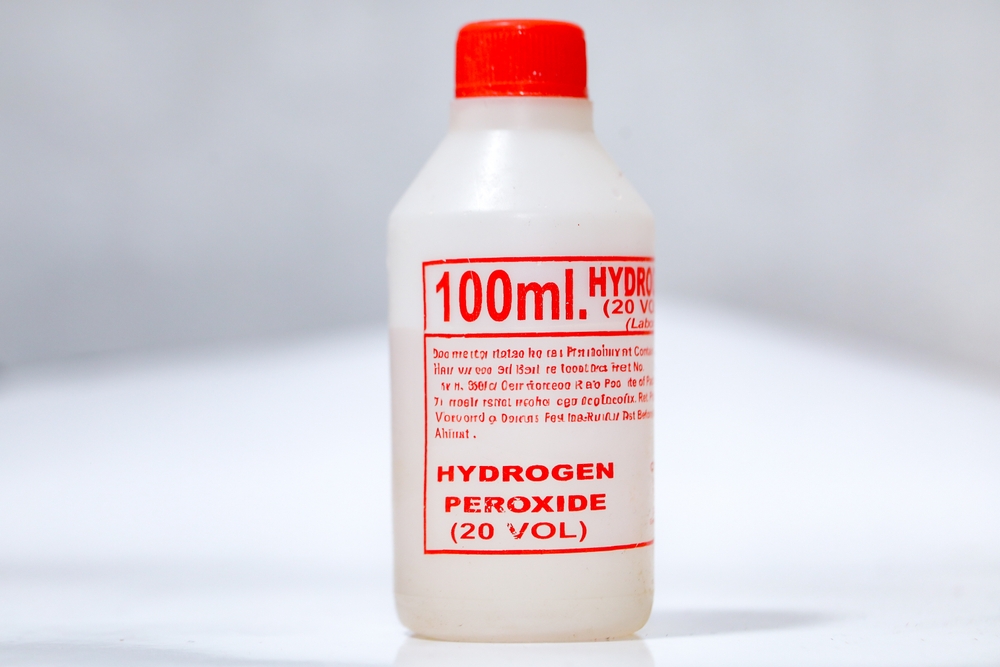
Using hydrogen peroxide in your toilet is a great way to clean and disinfect it naturally.
Hydrogen peroxide, or H2O2, is simply water (H2O) with an extra oxygen molecule. It’s a mild antiseptic and oxidizing agent, which means it reacts easily with other substances. The common household strength is a 3% solution, which is generally non-toxic and breaks down into just water and oxygen after use. This decomposition is key to its popularity: it cleans effectively without leaving behind harsh, toxic residues. In the toilet, this oxidizing power is precisely why it works so well. It’s ready to tackle germs, odors, and unsightly stains.
The Three Reasons Your Toilet Needs Hydrogen Peroxide
Hydrogen peroxide is a great eco-friendly toilet cleaner.
Tired of expensive, chemically-laden toilet bowl cleaners? Here are three powerful reasons to switch to the simple bottle of H2O2:
1. Reason #1: It Disinfects
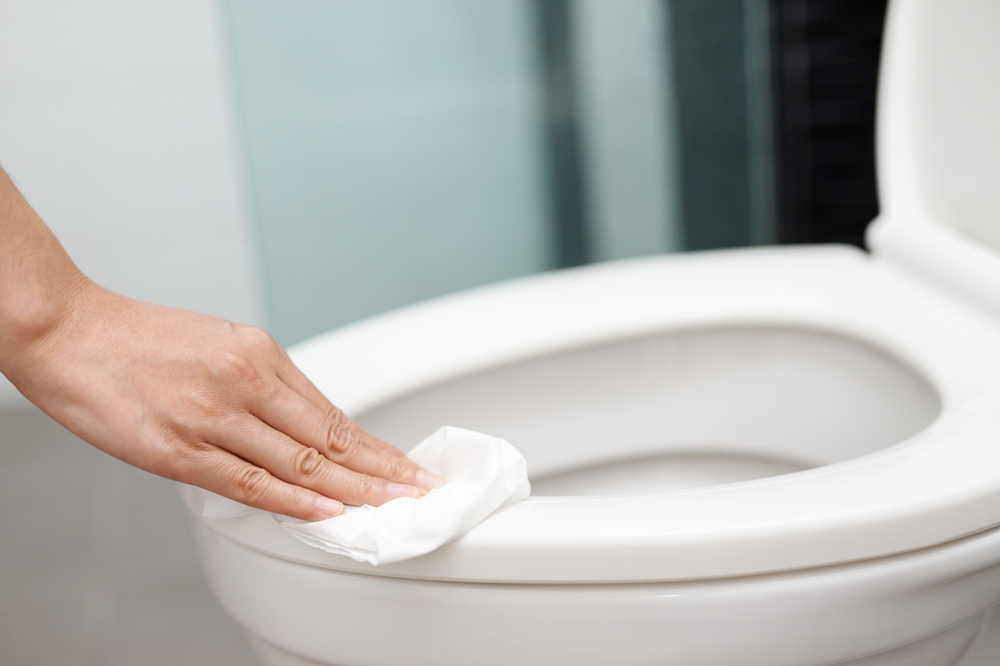
How to disinfect your toilet naturally with hydrogen peroxide.
Your toilet is a breeding ground for bacteria. Hydrogen peroxide is a powerful, broad-spectrum antiseptic. This means that it effectively kills a wide range of bacteria, viruses, and fungi. To use it to disinfect, pour a generous amount (about ½ a cup) of 3% hydrogen peroxide directly into the toilet bowl. Swish it around with the toilet brush to coat the sides, and let it sit for at least 15 to 20 minutes to allow time for the disinfecting reaction to occur. Give the bowl a final scrub and flush.
2. Reason #2: It Removes Stains
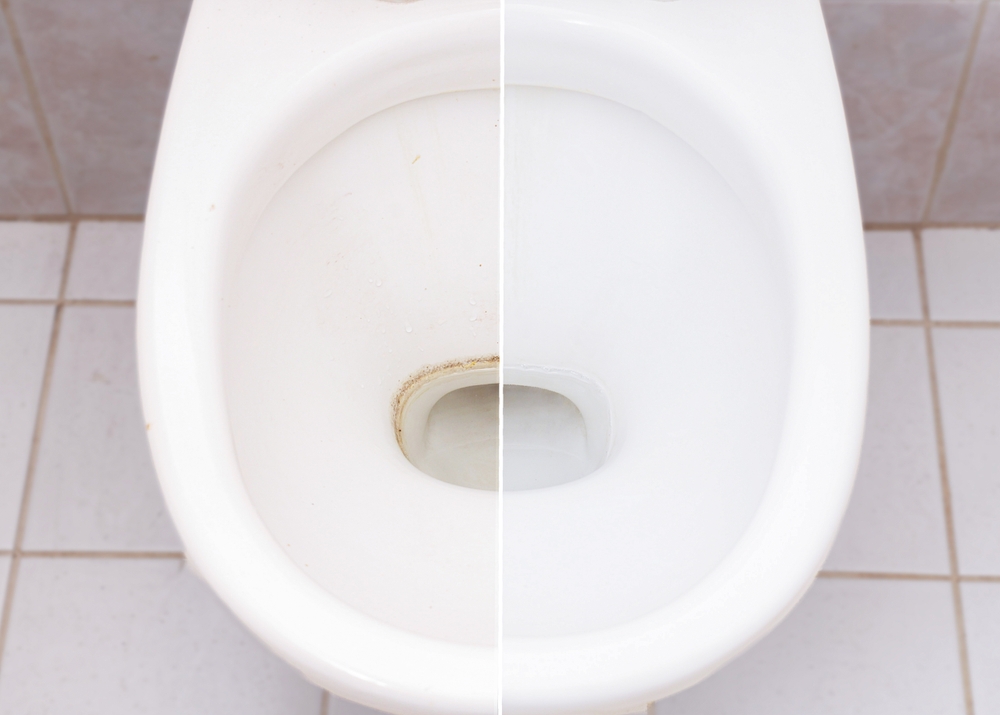
Remove toilet bowl stains with hydrogen peroxide.
Mineral deposits (like hard water stains) and rings from mold or mildew can leave your toilet looking dingy. Hydrogen peroxide’s mild bleaching action works to lift and whiten these persistent stains. For stubborn rings, pour about ½ a cup into the bowl and sprinkle in a little baking soda to add a gentle abrasive. Let the mixture bubble and react for 30 minutes. Scrub the stained areas vigorously with your toilet brush or a non-scratch scouring pad, then flush.
3. Reason #3: It Deodorizes
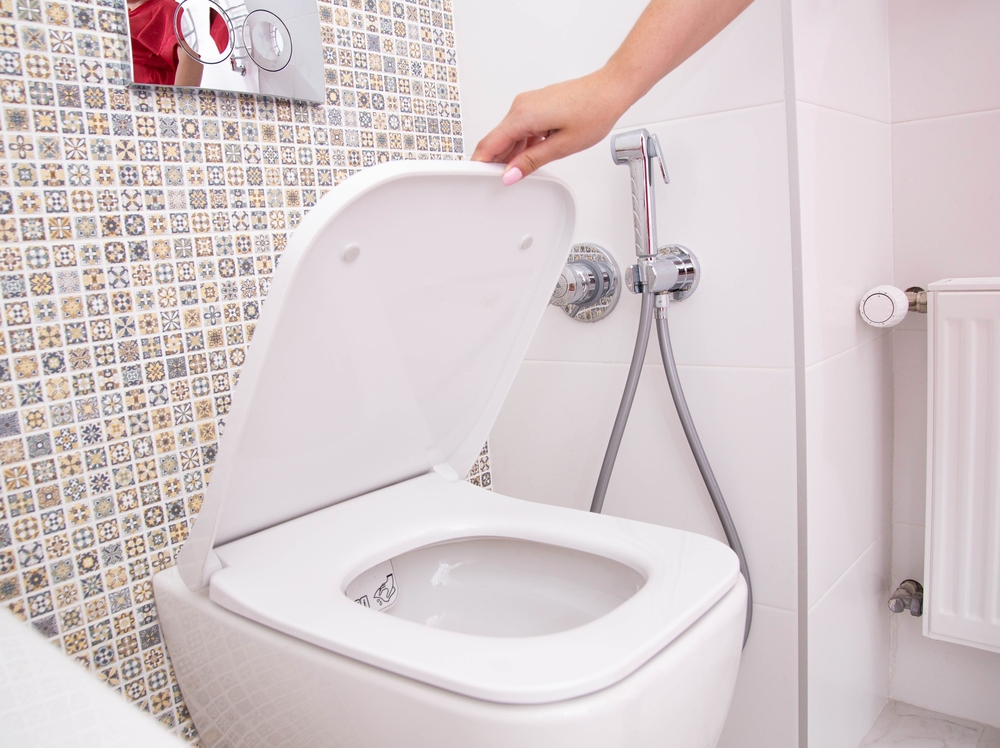
Deodorize your toilet with hydrogen peroxide.
Unpleasant odors in the bathroom often stem from bacterial growth. By killing the odor-causing bacteria on contact, hydrogen peroxide doesn’t just mask smells; it eliminates the source. To deodorize, first do a quick cleaning of your toilet. Then, pour ¼ cup of hydrogen peroxide into the bowl, close the lid, and let it be. The simple act of disinfecting the surface neutralizes residual odors, leaving your bathroom smelling truly clean, not just chemically scented.
Bonus Benefit: The Green & Frugal Choice
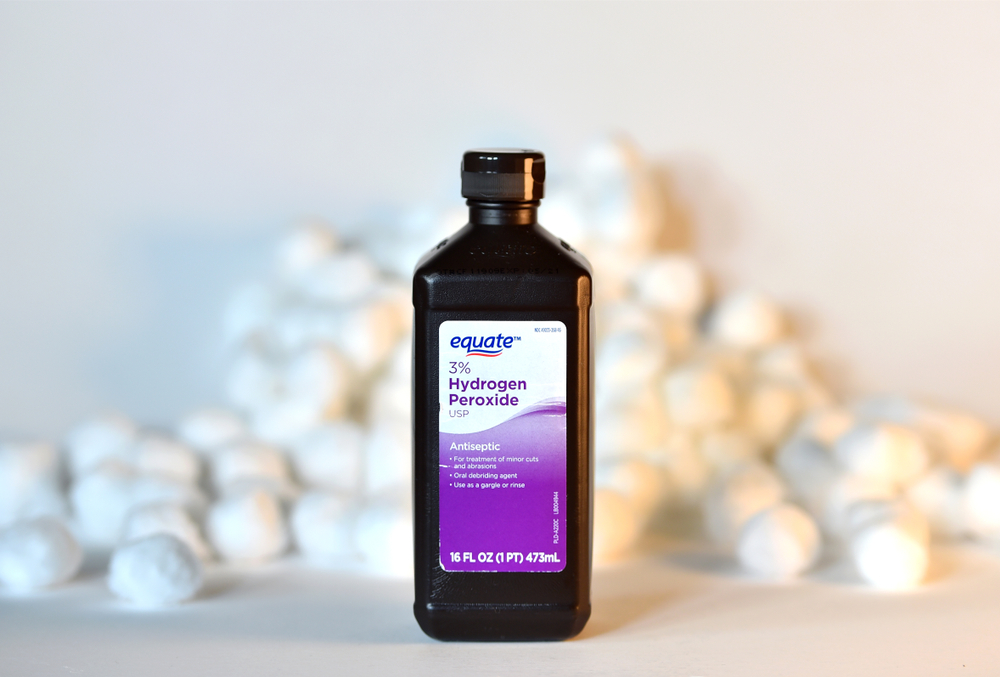
Hydrogen peroxide is an environmentally friendly cleaner.
Beyond its effectiveness, hydrogen peroxide is one of the most environmentally friendly cleaning products you can buy. It breaks down into water and oxygen, posing no threat to your septic system or water supply, unlike many harsh chlorine bleaches. Plus, a large bottle costs only a few dollars, making it a budget-friendly alternative to specialty cleaners.
Quick Tips for Other Household Uses
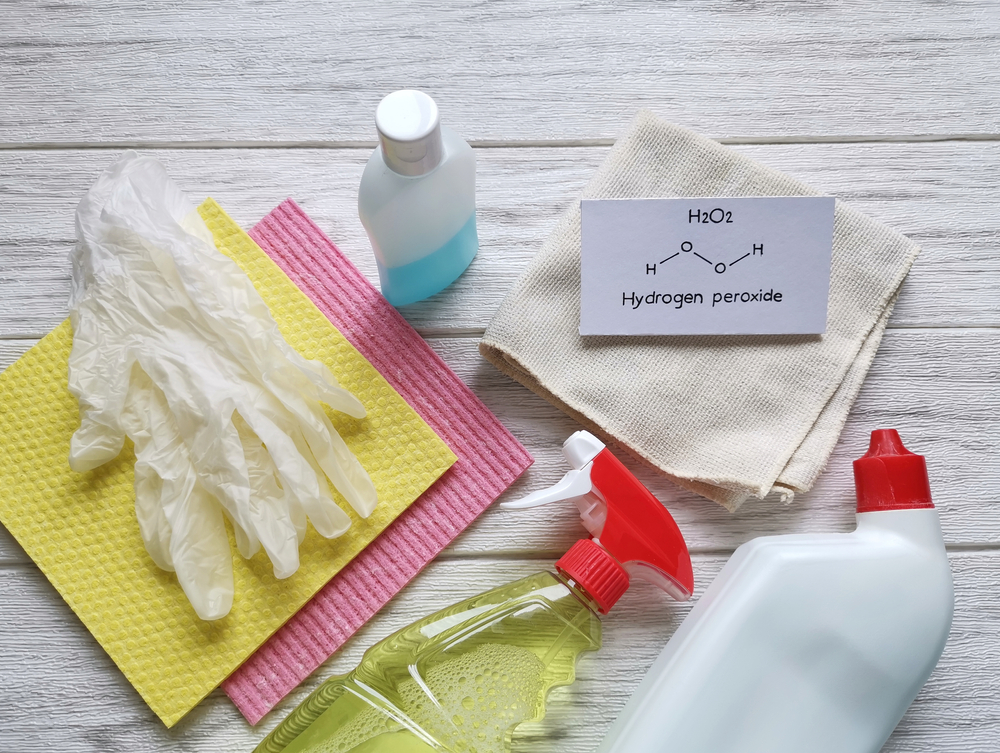
Various hydrogen peroxide home uses
Your toilet bowl isn’t the only place where you can replace expensive, chemical-laden cleaners with H2O2. In fact, there are plenty of places around the house where hydrogen peroxide will be your new cleaning best friend.
Disinfecting Countertops
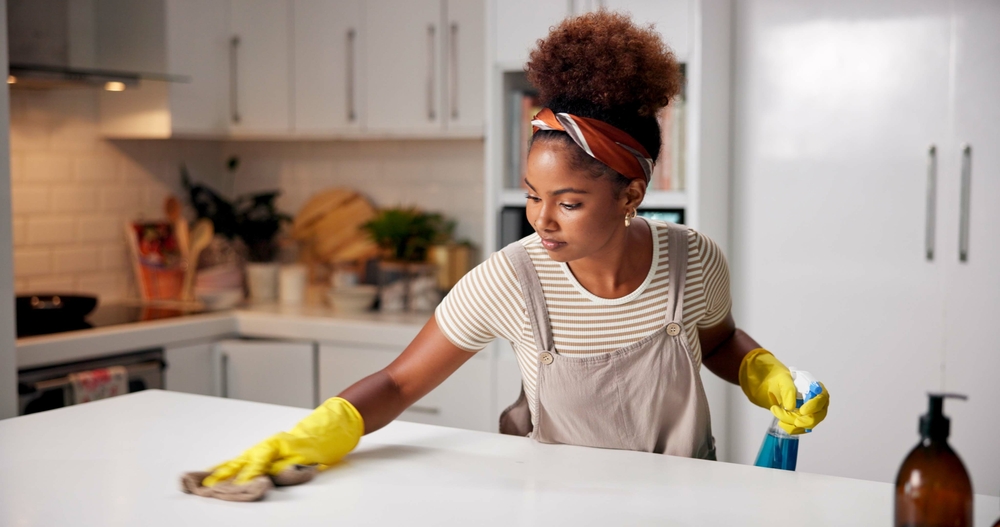
How to disinfect countertops with hydrogen peroxide.
Keep your kitchen and bathroom surfaces sanitary. Simply spray the 3% solution directly onto non-porous countertops and let it sit for a few minutes before wiping clean. This is especially helpful after handling raw meat or during cold and flu season.
Whitening Grout
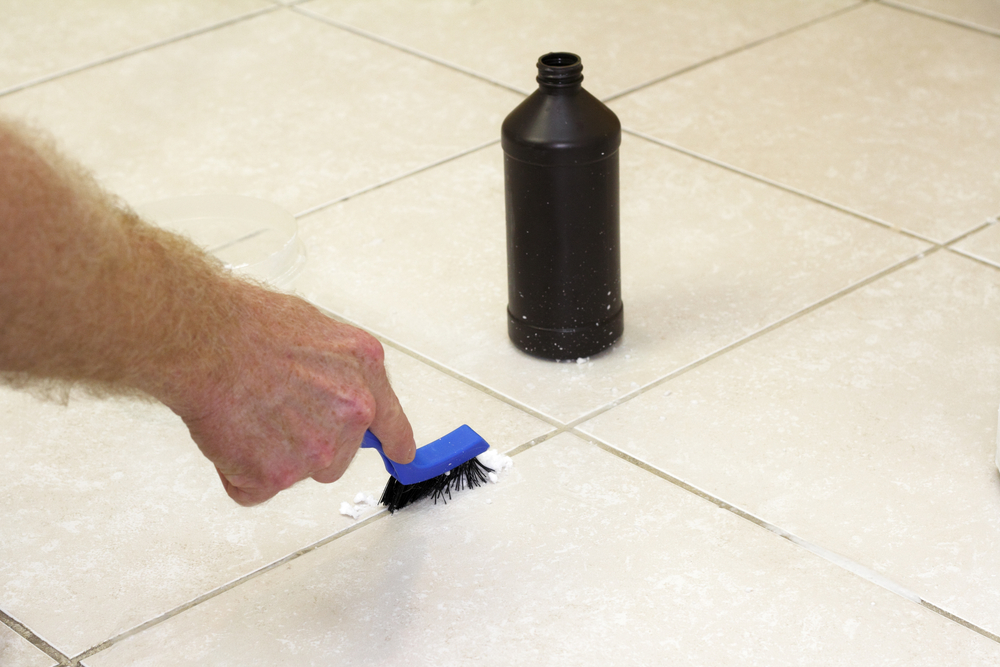
How to remove tile grout with hydrogen peroxide.
Restore the brightness of dingy tile grout. Mix hydrogen peroxide with a little baking soda to form a thick, scrub-friendly paste. Apply the past to the grout lines, let it sit for about an hour, and then scrub with an old toothbrush before rinsing clean.
Cleaning Toothbrushes
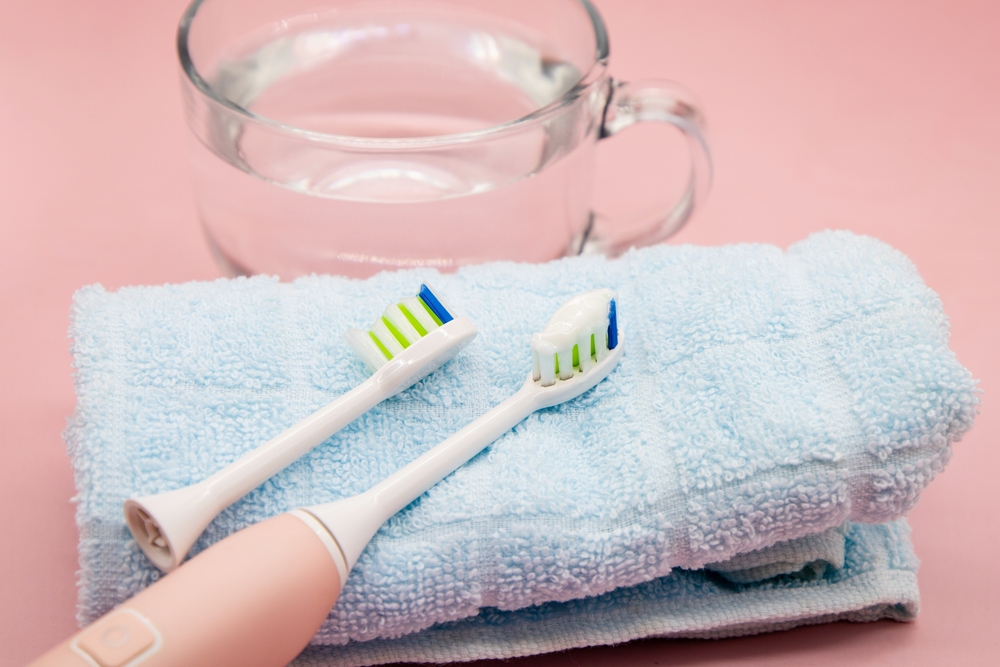
How to clean your toothbrush with hydrogen peroxide.
Your toothbrush can harbor germs. To easily disinfect it, soak the bristles in a small glass of hydrogen peroxide for several minutes. Remember to rinse the brush thoroughly with water before your next use.
Freshening Garbage Cans
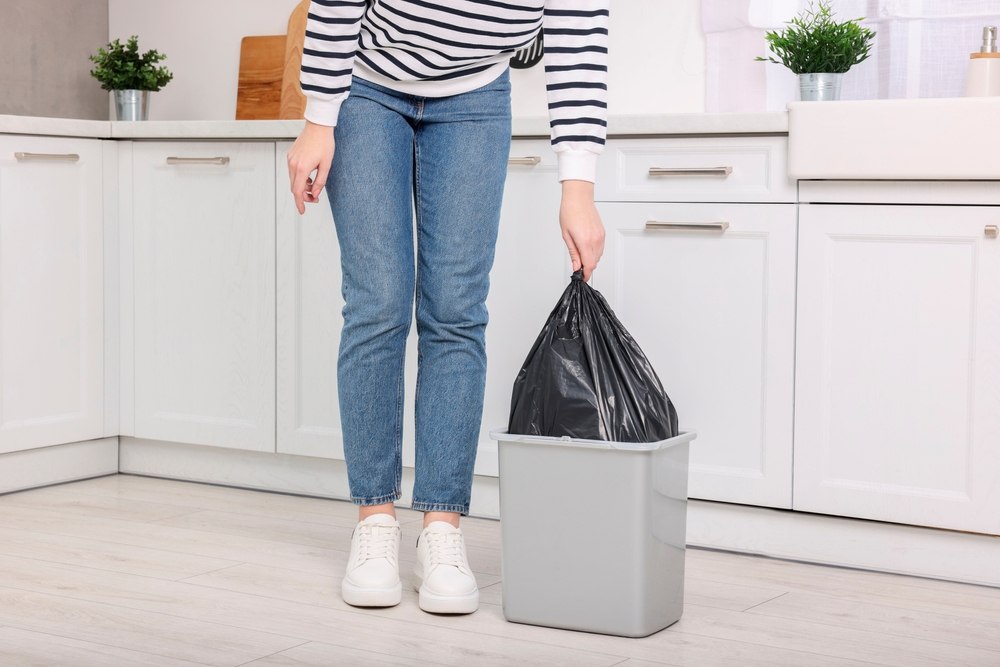
How to freshen up your garbage cans with hydrogen peroxide.
Eliminate lingering, unpleasant odors from your trash cans. After emptying and rinsing the can, spray the interior walls with hydrogen peroxide to kill the odor-causing bacteria and fungi. Let it air dry.
Removing Mold and Mildew
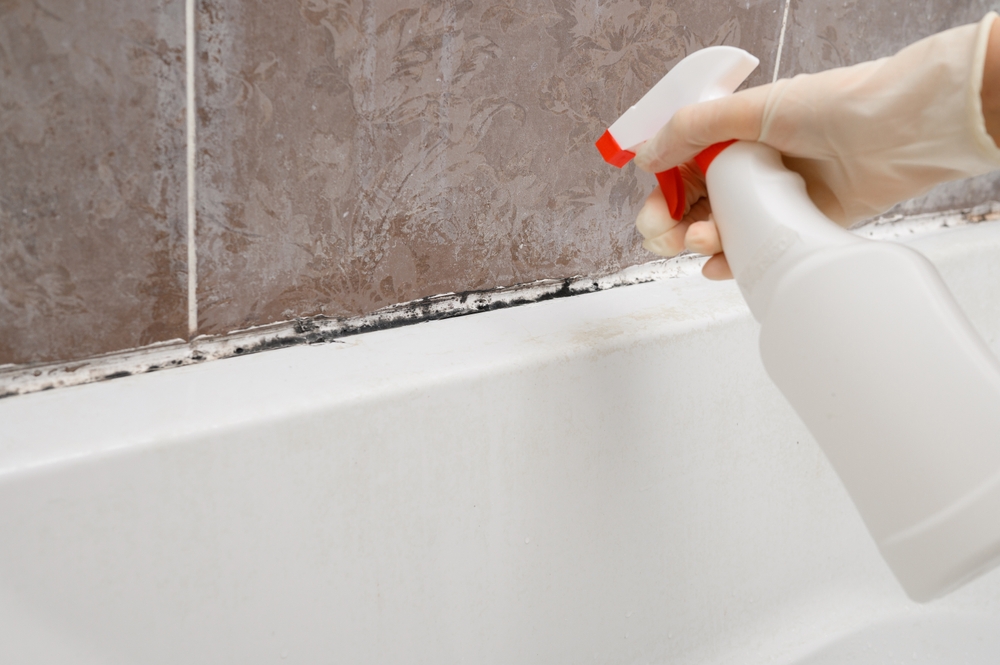
How to remove mold and mildew using hydrogen peroxide.
Tackle that slimy build-up in damp areas like shower stalls or windowsills. Spray the moldy surface directly with the 3% solution until saturated. Let it sit for about 10 minutes to penetrate the growth, then scrub and wipe dry.
Practical Advice for Safe Cleaning
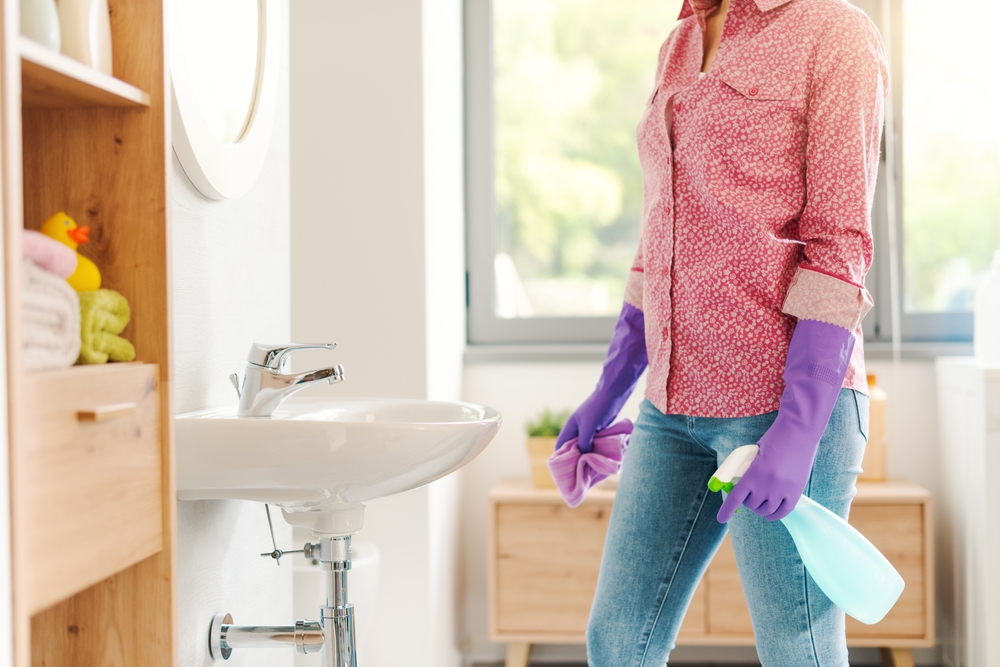
How to safely clean with hydrogen peroxide.
Hydrogen peroxide is safe, but it’s not a substitute for water. Never mix it with chlorine bleach or any product containing bleach, as this creates dangerous chlorine gas. Store the bottle in a cool, dark place such as a cabinet. Exposure to light and heat causes it to break down into plain water faster. Wear gloves while cleaning, as H2O2 can irritate your skin.
What Not to Use It On
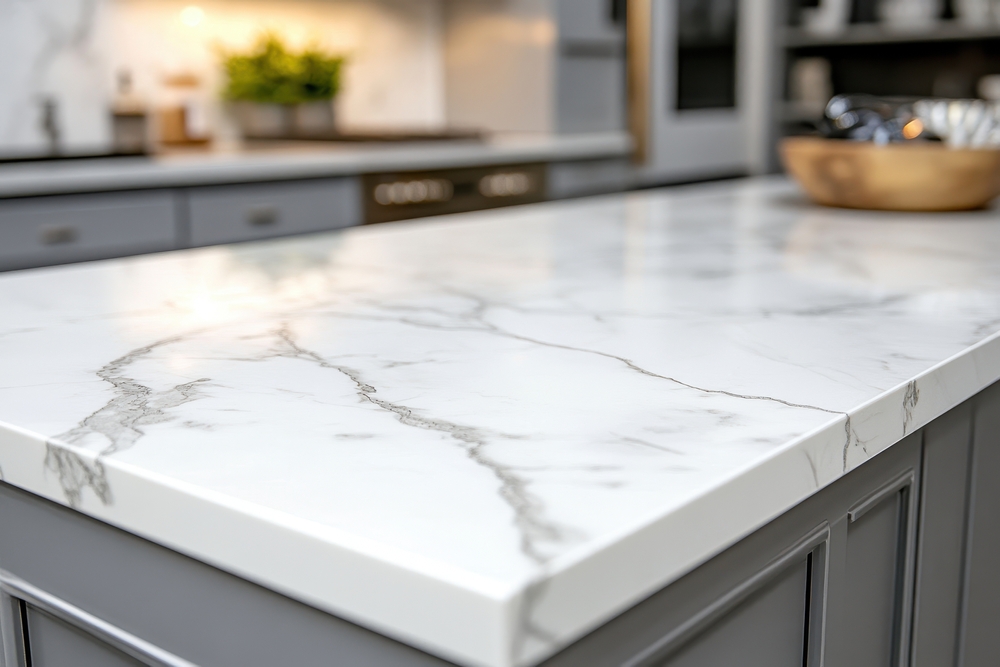
Don’t use hydrogen peroxide on marble or granite countertops.
While hydrogen peroxide is gentle, avoid using it for prolonged contact with natural stones like granite and marble. The mild acid can eventually etch or dull the surface. Also, use caution on dark or delicate fabrics, as it has a slight bleaching effect.
Read More: How to Use Hydrogen Peroxide to Enhance Plant Growth
Common Mistakes to Avoid
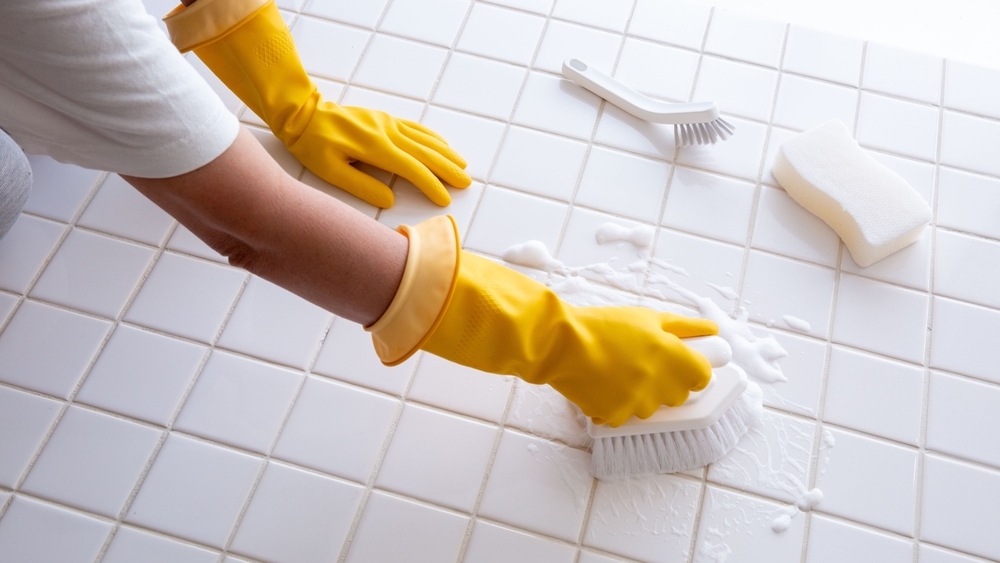
Allow the hydrogen peroxide time to work.
The most common error that people make when using hydrogen peroxide is rushing the process. For true disinfection or stain lifting, you must give the product time to work. This could be anywhere from 10 to 30 minutes, depending on the task. Another mistake is over-diluting the 3% solution. For most cleaning applications, the full 3% strength is needed for effectiveness.
The Workhorse You Need in Your Cupboard
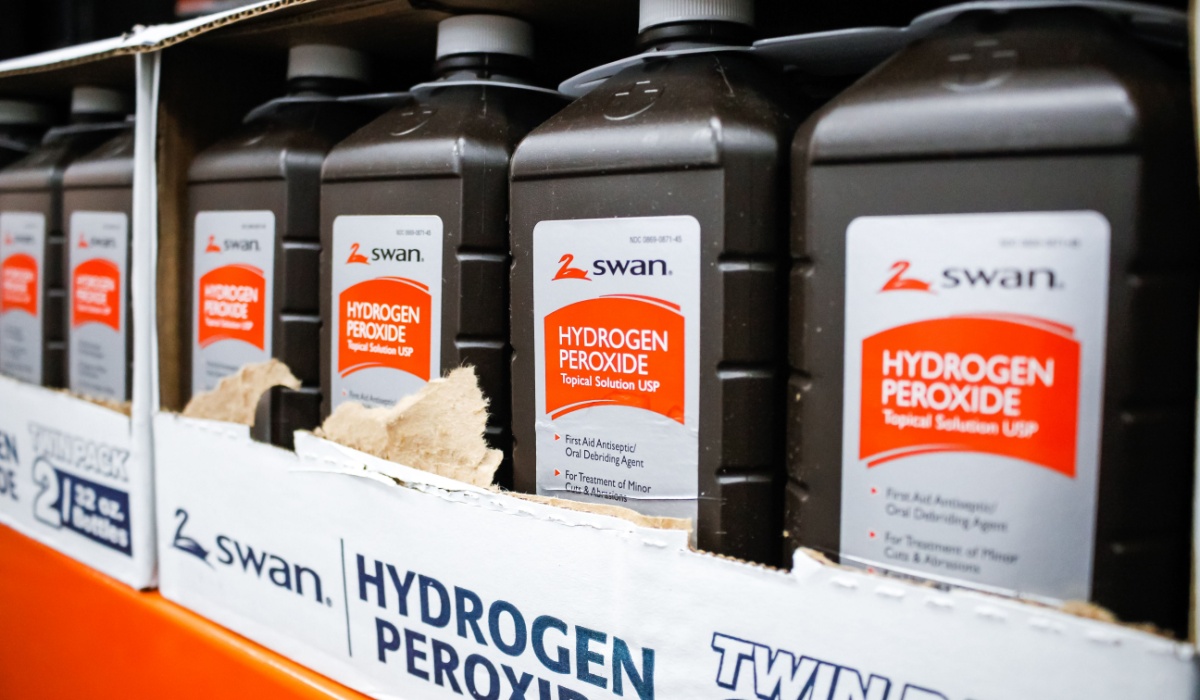
Hydrogen peroxide is the natural cleaner that everyone needs in their home.
This inexpensive liquid is a true household workhorse, with its primary power lying in its ability to disinfect, deodorize, and remove stains – especially in the toilet bowl. Beyond the bathroom, H2O2 is perfect for sanitizing countertops, whitening dingy grout, safely disinfecting toothbrushes, cutting boards, and freshening stinky garbage cans. Its oxidizing action also makes it highly effective at removing mold and mildew from damp surfaces, offering an eco-friendly alternative to harsher chemical cleaners throughout your home.
Your New Cleaning MVP
Reasons why you should try using hydrogen peroxide to clean your home.
Hydrogen peroxide is a true household hero. It disinfects, removes stains, and eliminates odors, all while being eco-friendly and inexpensive. Give this versatile cleaner a try – you might just find that the secret to a sparkling clean bathroom was hiding in plain sight all along.
Read More: 8 Ways To Use Small Leftover Soap Pieces