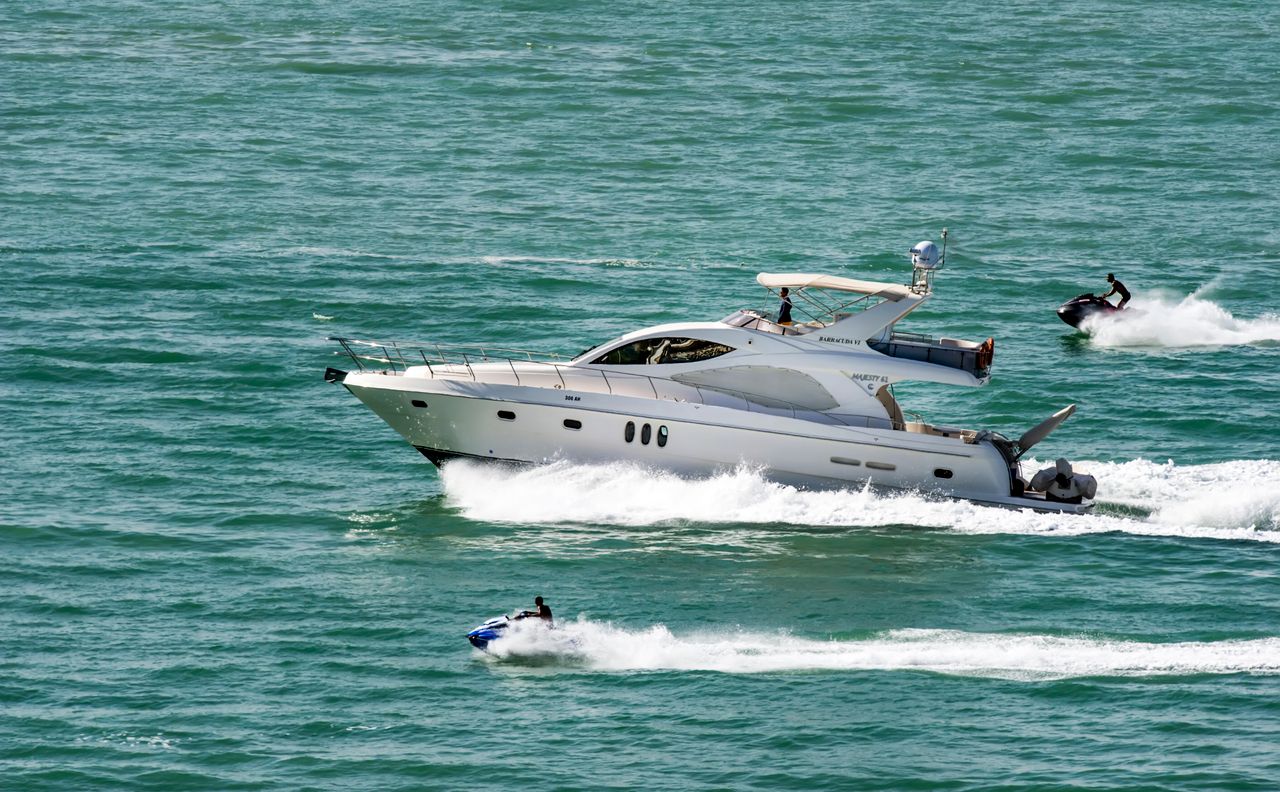

The boat was already over capacity before it left the dock. The captain had reportedly told everyone on board to put on a life jacket – the waters ahead were rough, the vessel too crowded, the conditions not right for taking chances. What happened next has become one of the most talked-about tragedies in the global conversation about influencer culture, social media, and the particular kind of pressure that a camera lens creates in a moment when common sense should win.
On a beautiful day in September, a group of Brazilian influencers had spent the day on a luxury yacht off the coast of São Paulo. When it came time to return to shore, they split into two groups. Aline Tamara Moreira de Amorim, 37, and Beatriz Tavares da Silva Faria, 27, were part of the group returning from the party when their speedboat capsized in the area known as Garganta do Diabo, or the Devil’s Throat, which is filled with rapids and waterfalls. Two women went into the water without life jackets. Neither survived.
The reason they weren’t wearing life jackets, according to police, is a sentence that stops you cold every time you read it. It is not dramatic or complicated. It is just very, very sad in the way that only entirely preventable things can be.
The Devil’s Throat
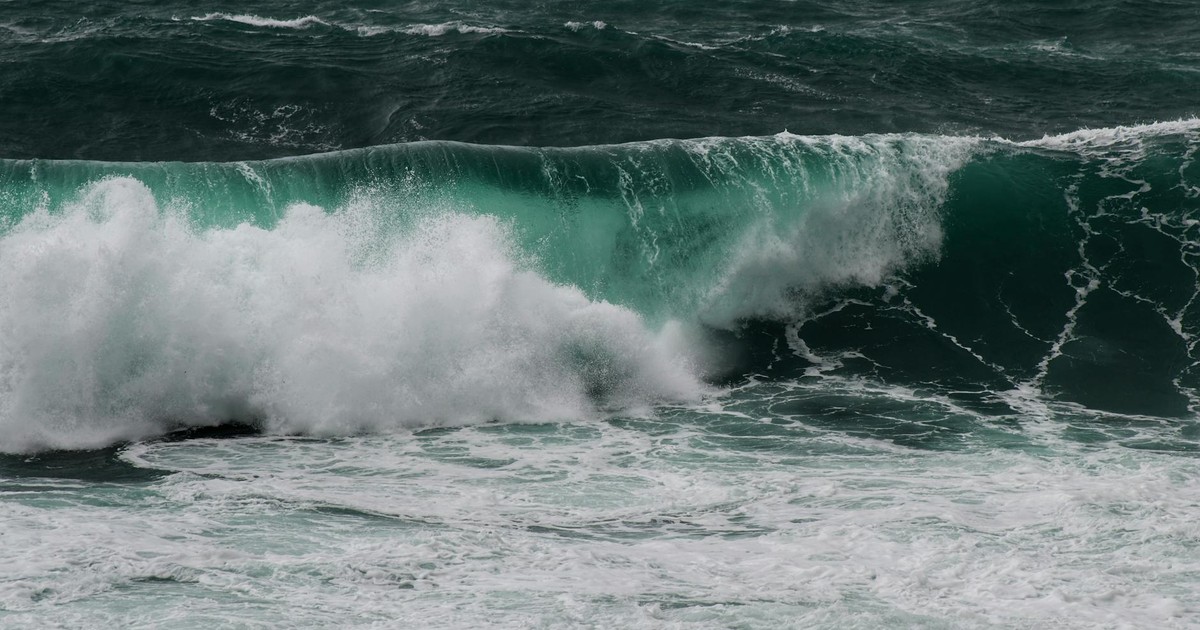
The Garganta do Diabo is not a place you take lightly. The area is located between Porchat Island and Xixová-Japuí State Park, in a narrowing that leads into São Vicente Bay. It is a narrow channel marked by strong sea currents, intense waves, and irregular rock formations, which increase the risks of drowning and other accidents. The region is also marked by shifting sandbanks that gradually alter the depth of the seabed, creating unstable zones that can change wave patterns, sometimes resulting in larger waves as they approach São Vicente Bay. This is not open water on a calm afternoon. This is a stretch of coastline that commands respect regardless of what day it is or how good the weather looks from the deck of a yacht.
The speedboat captain told police he was ordered to carry six passengers, though the boat had a five-person limit. The overloaded vessel struggled to navigate the rough waves, which eventually flooded the boat and sent the passengers overboard. The pilot, who remains unidentified, told police he attempted to rescue everyone who fell overboard, but was only able to retrieve some survivors from the sea.
What the Captain Said
Both women were repeatedly told by the boat’s captain to wear their life preservers, since the vessel was going to be overcrowded and navigating rough waters. According to the captain, the women declined their life jackets because they thought the potentially life-saving flotation devices would interfere with their tanning. São Vicente Police Commissioner Marcos Alexandre Alfino, after speaking with the captain, put it plainly: “Some didn’t want to put them on because they were taking selfies.”
There are two things happening in that quote at once. One is the selfies – the immediate, instinctive frame: you don’t want the jacket ruining the shot. The other is the tanning – a longer-term vanity calculus, the idea that the marks left by a life jacket strap were a worse outcome than whatever the rough seas had in mind. The story spread across the internet in part because of the starkness of that gap, between the concern that was enormous (jacket lines, a disrupted photo) and the concern that turned out to be the only one that mattered.
Aline Tamara Moreira de Amorim, who was a mother of one, reportedly could not swim. She had previously posted images of herself on social media, posing on the boat in a bikini right before the tragic accident. Beatriz Faria, who was a CrossFit trainer, had been a model since she was a schoolgirl.
The Survivors
Five people made it out of the water that day. Vanessa Audrey da Silva, Camila Alves de Carvalho, Daniel Gonçalves Ferreira, Gabriela Santos Lima, and Natan Cardoso Soares da Silva were all listed as surviving passengers who were rescued shortly after the accident. The difference between surviving and not, in several cases, came down to the life jacket.
Vanessa was on the boat that was hit by the wave, and survived after she managed to find a life jacket and clung onto rocks. She described what it felt like when the boat went down: “There was a moment in the water when no one could see anyone. I was fighting for life.”
Another survivor, Camila, described the same few minutes from her position in the water. She clung onto a life jacket in her hand: “There were very strong waves, we almost died. We didn’t know how to swim. I knew that I couldn’t take it for long. I hurt my foot and swallowed a lot of water.”
Following the shipwreck, survivor Camila Alves de Carvalho recalled the tragedy on social media, stating: “No one was drunk or on drugs on the boat. It was an accident. The truth will come out eventually.” She further revealed that the partygoers who died were not wearing life jackets.
The Maritime Firefighters Group in São Paulo first found the body of Faria on October 2. They subsequently found her friend, Amorim, on October 4. Faria’s mother said she had spoken to her daughter just before the accident. The grieving mom said: “She said: ‘Mom, I’m going out with a friend, we’re going to go out on a boat and I’ll be home soon.'”
The Investigation
In a statement, the Brazilian Navy said that an administrative inquiry was opened to investigate the possible causes and responsibilities for the accident. The São Vicente Civil Police Department also opened their own investigation.
Commissioner Alfino stated: “All this is being determined very calmly to conclude if the fatalities were based on recklessness or negligence.” The overcrowding of the vessel is a central element of that inquiry. The captain, one of five survivors, reportedly said he had been ordered to take six influencers to the shore despite his boat having a maximum capacity of five passengers. That detail matters because it distributes the question of responsibility in multiple directions at once – toward whoever organized the party, toward whoever gave the order to overload the boat, toward the captain who carried it out, and yes, toward the passengers who declined the one piece of safety equipment that might have changed the outcome.
Whether the Brazilian legal system ultimately pursues criminal charges for negligence or recklessness, what the investigation cannot change is the outcome itself.
The Life Jacket Math
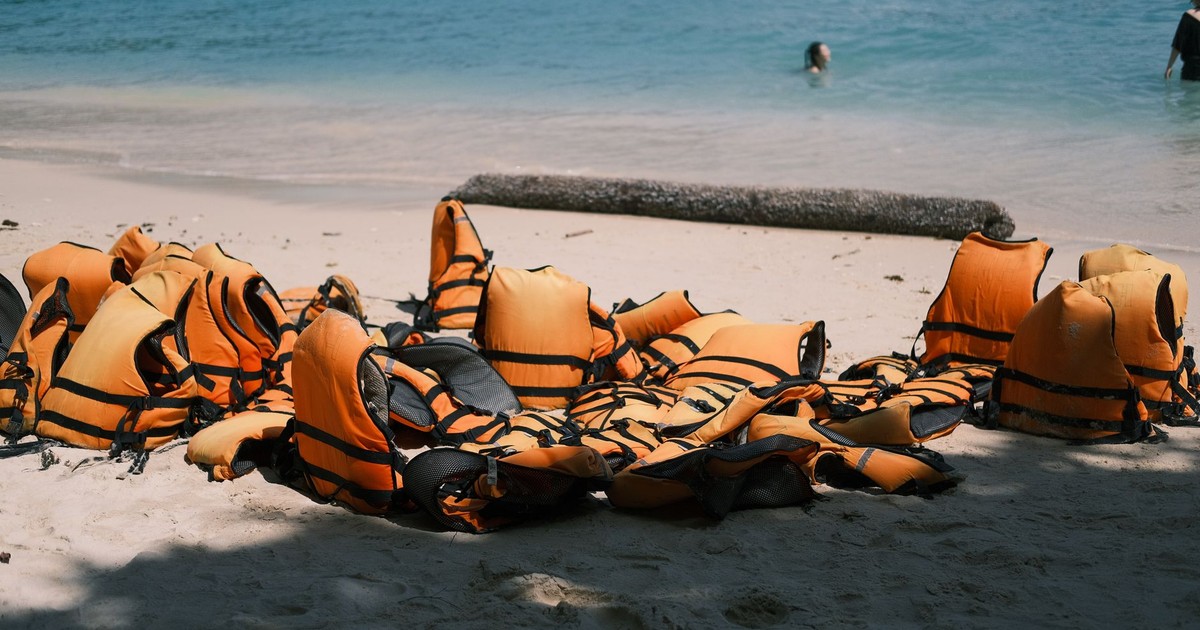
Brazilian maritime regulations require leisure vessels to carry life jackets for all passengers, sized appropriately for the navigation zone. The standard is not ambiguous. Leisure vessels must carry life jackets for all passengers, adjusted to boat capacity and navigation zone. The life jackets were reportedly on board. The issue was not access; it was choice.
Globally, the statistics around this particular choice are unambiguous. According to the U.S. Coast Guard’s 2022 Recreational Boating Statistics report, 84 percent of drowning victims in boating accidents were not wearing life jackets. Drowning is the number one cause of boating fatalities, and the vast majority were not wearing a life jacket. The equipment exists, the data is clear, and yet the pattern repeats – in part because the risk of a wave, a capsize, or an overcrowded boat is always theoretical until the moment it isn’t.
What makes this particular case lodge in the memory is that the life jackets were not unavailable, unknown, or forgotten. They were declined, on camera, for reasons that made sense in the logic of a content day on a yacht, and made no sense at all in the logic of the Garganta do Diabo’s currents.
Read More: Online Influencer Sparks Controversy For Sayings She’s ‘Too Pretty’ To Work The Rest of Her Life
What This Actually Was
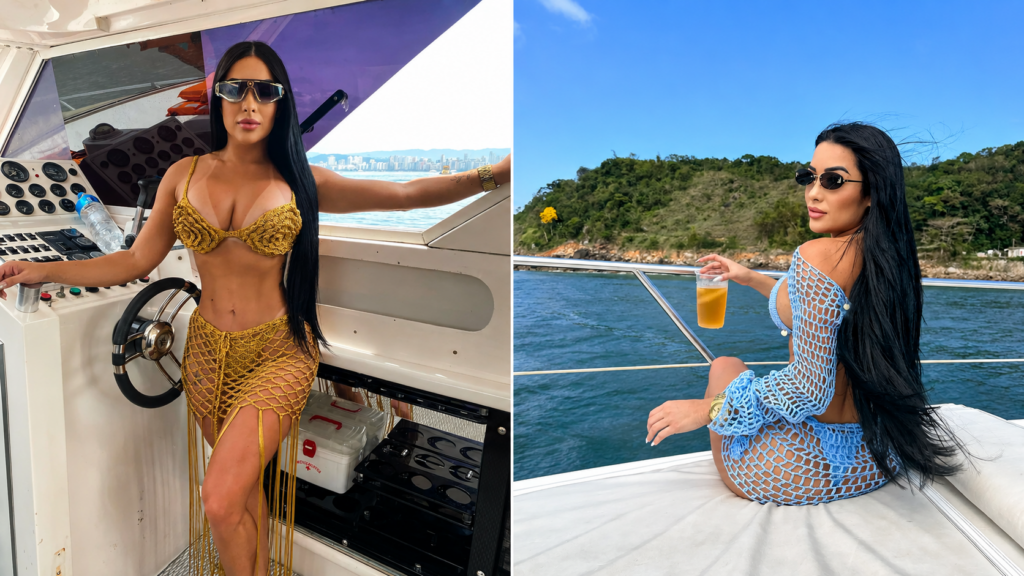
There is a temptation, when a story like this travels around the internet, to make it into a morality play about influencer culture – to say that this is what happens when a generation chooses content over everything, or to reach for some larger statement about what Instagram has done to our relationship with risk. That framing is not entirely wrong. The pressure to keep the photo perfect, to not break the aesthetic of a day that is being documented in real time, is real. The captain issued a warning and the warning was weighed against jacket lines and selfie angles and found, in that moment, to be the lesser concern.
But the fuller picture is messier than a clean cultural lesson. The boat was overcrowded before anyone decided anything about a life jacket. The small speedboat was already overloaded, carrying six passengers when it should have only had five. As it navigated the treacherous waters in the Devil’s Throat area, the boat struggled against the waves before ultimately capsizing, throwing all passengers into the choppy current. The life jacket refusal was one link in a chain of decisions – some made by the women, some made by others – that ended in the Garganta do Diabo taking two people who had no business being there in an overloaded boat with rough water ahead.
Beatriz Faria’s last conversation with her mother was about going out on a boat and being home soon. That’s all it was. A quick call, a reassurance, a plan that seemed simple. The weight of that is not in the selfies, and not in the jacket lines. It’s in the ordinary confidence that the afternoon would just be an afternoon. Sometimes the thing that gets you is not the big dramatic risk, but the small one that didn’t seem worth arguing about.
AI Disclaimer: This article was created with the assistance of AI tools and reviewed by a human editor.