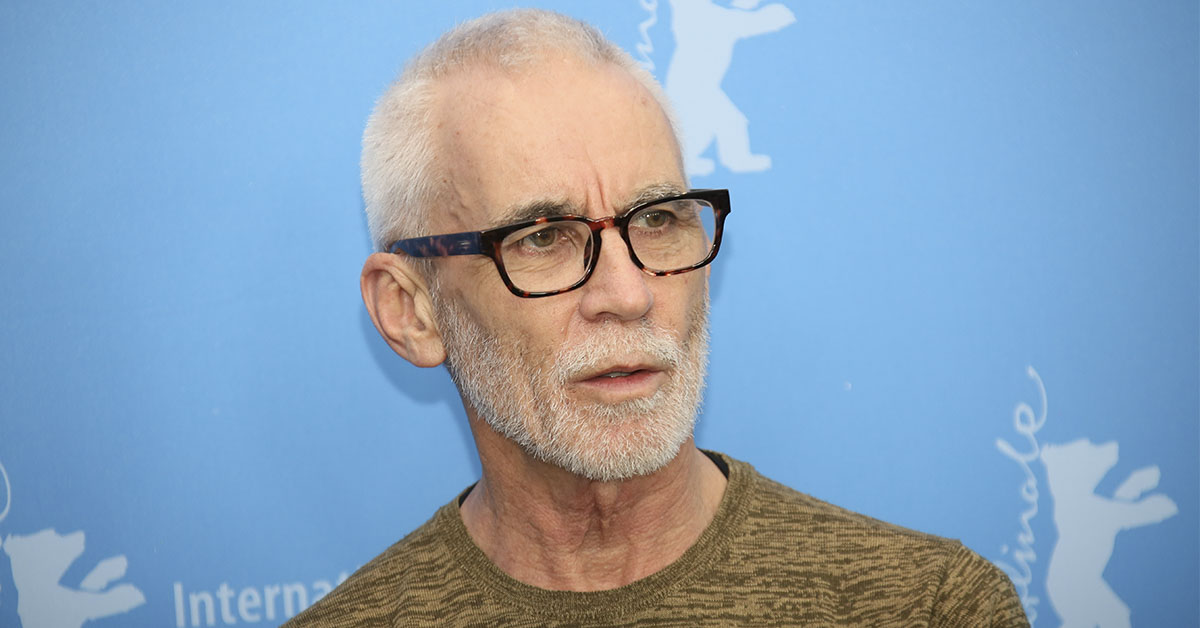

When news came out that Lee Tamahori had passed away at 75, the film world felt a sting that many people struggled to explain. His death brought a wave of reflection, and not only from film critics or close collaborators. Fans from New Zealand to the United States paused and remembered how many times his work had shocked them, moved them, or pushed them to look at painful truths.
Lee Tamahori shaped cinema in ways that mixed courage, cultural depth, and risk taking, and his impact continues to grow even after his final days. As more tributes appeared, it became impossible not to look back at the journey that carried him from Wellington to Hollywood and back home again.
Early Life and Māori Heritage
Lee Tamahori was born in Wellington in 1950, raised inside a cultural blend that would later influence his voice as a filmmaker. His father’s Ngāti Porou roots connected him to Māori traditions, while his mother’s British European heritage added another lens through which he viewed the world. This mix shaped him quietly at first, but became one of the strongest threads in his storytelling.
Growing up, he saw how rarely Māori families were shown in film with nuance. When they were represented, the portrayals often felt shallow or guided by stereotypes. Because of this, he developed a desire to tell stories that carried the weight and honesty of lived experience.

He did not enter the industry as a director. Instead, he started with technical jobs, often the ones most viewers never think about. He worked as a boom operator, camera assistant, and runner. These roles allowed him to watch how sets functioned. He studied how directors talked to actors, how cinematographers shaped light, and how editors built tension. This early foundation turned him into a filmmaker who appreciated every detail of production.
Finding His Creative Ground in New Zealand
As he moved into commercials and television projects, Lee Tamahori discovered how much he valued emotional truth in his work. He played with pacing, framing, and sound to find the approach that felt most natural to him. Sometimes he looked back on these early attempts with a laugh, because he made mistakes that taught him patience and discipline.
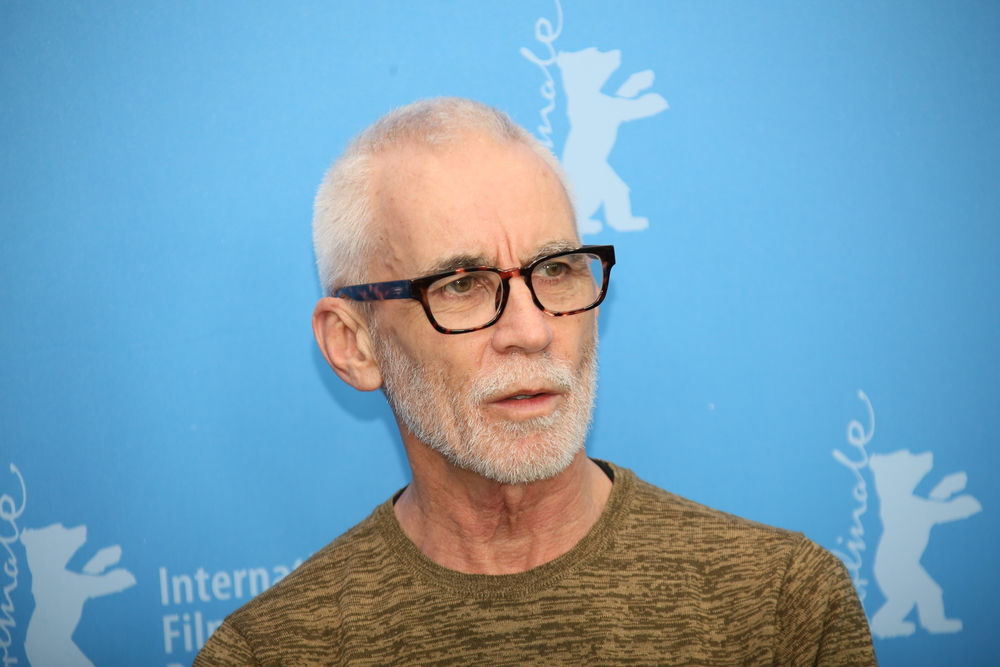
The moment that changed everything arrived when he read Alan Duff’s novel Once Were Warriors. He felt a deep pull toward the story. It reflected the struggles he had seen in Māori communities. It held pain, hope, love, and trauma all tangled together. Without hesitation, he committed himself to turning the book into a film that felt real and honest.
A Film That Hit with Full Force
When Lee Tamahori released Once Were Warriors in 1994, viewers were not prepared for its emotional impact. The film exposed the layers of domestic violence, survival, and generational wounds inside a Māori family. It refused to step back from the truth and refused to soften the edges.
The reaction was immediate. The film became a box office success in New Zealand and soon gained international attention. Critics praised its intensity and authenticity. Many Māori viewers saw something on screen that felt real for the first time. It marked a turning point for Indigenous representation in New Zealand.
This success opened doors for Māori actors, writers, and filmmakers. It also caught the attention of Hollywood studios, which wanted to see what else Tamahori could produce.
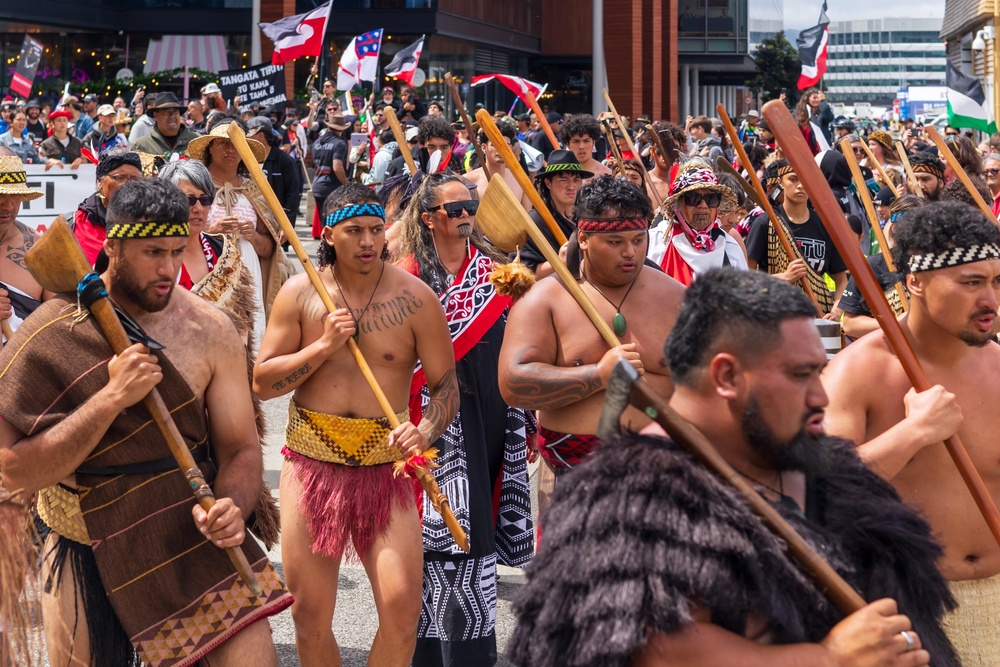
Crossing Into Hollywood
After the sudden rise of Once Were Warriors, Hollywood reached out. Lee moved into bigger productions, entering a world very different from the sets he had known in New Zealand. His next films included crime dramas, thrillers, and survival stories. While each project had its own challenges, he adapted with surprising ease.
His work in Los Angeles showed his ability to switch styles without losing his identity. He kept his focus on character emotion, even in films with larger budgets and bigger visual expectations. He also learned how to balance studio requirements with his own creative instincts, something not every director manages well.
Directing James Bond
The height of his Hollywood era arrived with Die Another Day in 2002. Directing a Bond film is a massive responsibility, and he accepted the challenge with confidence. Pierce Brosnan stepped into the role for the final time, and Halle Berry created one of the most memorable Bond entrances of the modern era.
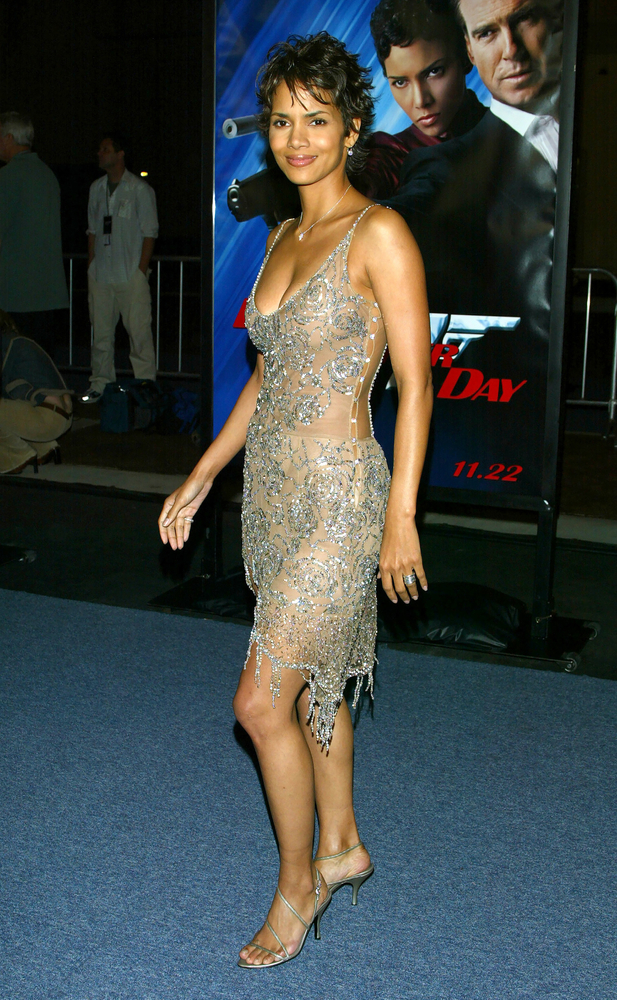
The film embraced spectacle with icy landscapes, futuristic gadgets, and large action sequences. Fans still debate some of the creative choices, including the invisible car, but the film delivered unforgettable scenes. More importantly, it proved that a filmmaker from Wellington, shaped by Māori storytelling and early technical jobs, could guide a global franchise with millions of fans.
Returning to Māori Stories
After his Hollywood years, Tamahori shifted back toward the stories that had shaped him. He returned to New Zealand to create films like Mahana and The Convert. These projects showed a more reflective filmmaker. The tone softened in some ways, but the emotional honesty remained the same.
These later works carried a sense of coming home. They were built on cultural history, family conflict, and personal identity. Many viewers felt that these films captured the heart of who he had always been.
A Legacy That Lives Past Film
Lee Tamahori leaves behind a legacy that stretches far beyond his filmography. His impact shows up in several areas of the industry and continues to inspire new voices.
Changing Māori Representation in Cinema
Lee Tamahori’s legacy stretches far beyond the films he directed. It lives in the people he influenced, the conversations he sparked, and the shifts he triggered in how New Zealand and the world respond to Indigenous stories. His work did not sit quietly inside cinema history. It pushed outward and touched actors, writers, directors, and audiences who saw something in his storytelling that felt bigger than entertainment.
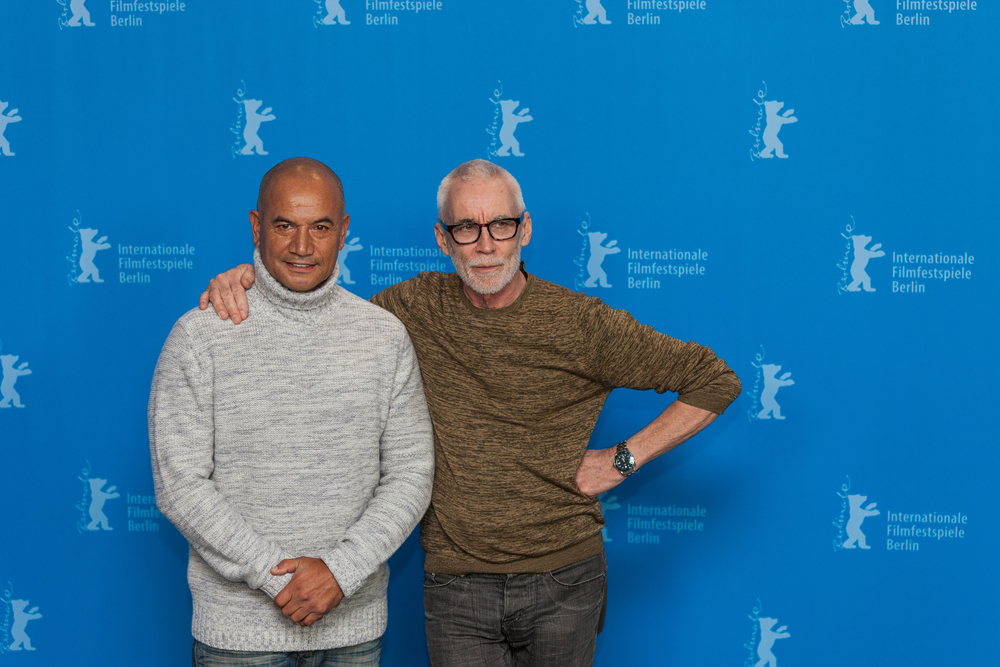
One of the most significant parts of his legacy comes from how he transformed Māori representation. Before his rise, many Māori characters in film appeared through narrow lenses. Tamahori broke that pattern by showing Māori families as complete, complex people who faced real struggles and carried real strength.
Shaping the Careers of Actors and Filmmakers
His influence also appears in the careers he helped shape. Actors who worked with him often said he gave them space to explore emotional depth instead of restricting them to surface level performances. Some described him as demanding but in a way that made them better. Because of this, several Māori actors found confidence they carried into later roles. He paved a path for directors too, encouraging younger talent to believe that Māori perspectives belonged both in local films and on global stages.
Opening Global Doors for Indigenous Creators
Another part of his legacy comes from the example he set as a Māori director succeeding in international markets. Young filmmakers watched him move from New Zealand dramas to Hollywood thrillers and then to a James Bond film. His journey showed that an Indigenous creator could thrive in spaces historically closed to them. This helped lift the expectations of emerging directors who once felt they needed to choose between cultural authenticity and commercial possibility.
Bringing Māori Stories to Global Audiences
Tamahori also shifted how international festivals and audiences viewed New Zealand cinema. Films he created or inspired were screened in places where Māori stories had rarely been shown. This exposure built curiosity and respect for Māori narratives. Over time, it encouraged festival programmers and distribution companies to invest in more Indigenous led projects. His global presence helped widen the path for films like The Dead Lands, Cousins, and more recent Māori centered works.
A Model for Honest and Uncompromising Storytelling
His approach to storytelling forms another part of his legacy. Tamahori believed in honesty, even when the truth was harsh. He leaned into tension, often allowing silence or stillness to carry emotional weight. Filmmakers now study his scenes to understand how he used conflict as a tool to reveal human nature. His work demonstrated that emotional truth matters more than large budgets or special effects, and that small gestures can carry enormous meaning.
Cultural Impact Beyond the Film Industry
His legacy also extends into communities far beyond Hollywood. His films encouraged discussions about trauma, colonisation, and resilience within Māori families and other Indigenous groups. People who had never encountered Māori culture gained a more nuanced understanding through his stories. Māori viewers, on the other hand, saw reflections that helped validate their own experiences. This cultural impact created ripple effects that moved into classrooms, community gatherings, and artistic spaces.
Inspiring the Next Generation
Lee Tamahori leaves behind a legacy of ambition and boldness. He proved that a filmmaker could move across genres without losing a sense of identity. Young directors mention that his willingness to experiment gave them the courage to attempt projects that once felt risky. His influence shows up each time a Māori filmmaker steps onto a set with confidence or when a new director uses bold ideas to tell the truth of a community.
His legacy is not one single contribution, but a network of influence that spans culture, industry, storytelling, and community. It grows every time a Māori filmmaker claims space, every time a festival screens a Māori story, and every time a young actor steps into a role that reflects their life in a real way. His work will continue shaping New Zealand cinema and global conversations for many years to come.
His Influence on Modern Māori Cinema
To understand his full influence, it helps to look at how Māori cinema changed after his rise. Before Once Were Warriors, the Māori film landscape was small and scattered. After its release, new filmmakers began telling stories rooted in personal and cultural truth. The industry also began funding more Indigenous-led projects.
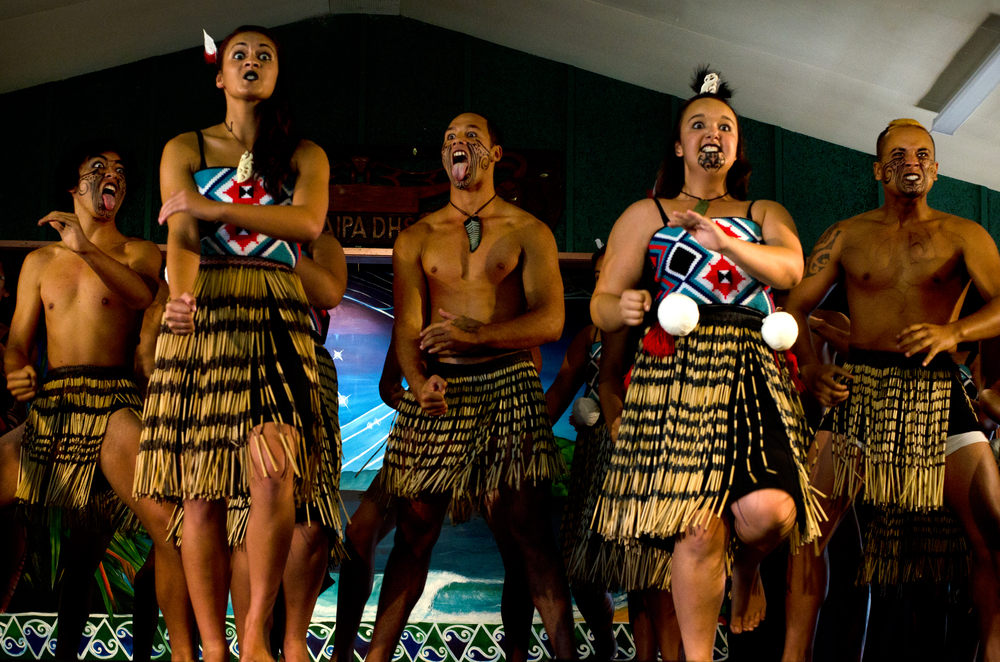
Image credit: Shutterstock
Directors like Taika Waititi and Ainsley Gardiner have spoken publicly about how early Māori films, including Tamahori’s, helped clear a path for more diverse voices. Even when their styles differ, the confidence to tell Māori stories in global spaces has roots in his success.
His Approach to Storytelling
Tamahori believed in tension. He often said that conflict reveals the truth of a character. His films, even the lighter ones, contain moments where characters reach a breaking point. These moments gave his work a recognizable emotional signature.
He also valued realism, even in action-heavy settings. He preferred capturing small gestures that hold weight, like a character hesitating before speaking or choosing not to look someone in the eye. These choices came from his early years watching actors on set as a boom operator. He understood that emotional detail matters more than flashy scenes.
The Final Chapter and His Passing
As his health began to decline due to Parkinson’s disease, he stayed connected to his creative world. He spent more time with family and continued writing and shaping ideas. His death on 7 November 2025 happened peacefully at home, surrounded by the people closest to him.
His family described him as someone with a sharp mind, a steady heart, and a deep love for his heritage. Their words painted a picture of a man who never separated his work from his identity.
A Legacy That Carries Forward
Lee Tamahori leaves behind a wide and lasting imprint. His films continue to influence directors, writers, and actors across cultures. The honesty of Once Were Warriors changed New Zealand cinema. The spectacle of Die Another Day showed his global reach. And his later Māori films revealed the calm, grounded artist he had become.
He may no longer be here, but his stories continue moving through new generations, shaping voices that will carry his influence into the future.
Read More: Fans Say Michael Douglas and Catherine Zeta-Jones’ Son Dylan Is the Perfect Mix of Both Stars