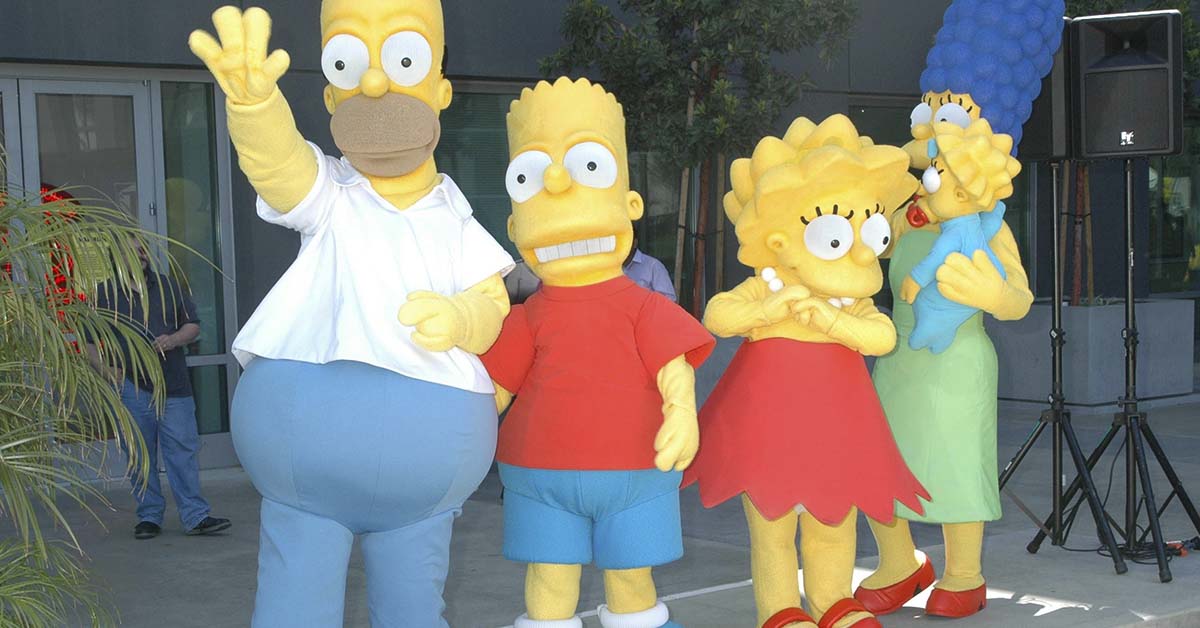

The Simpsons kind of rattled viewers this season when something big happened, and honestly it caught a lot of people off guard. In the middle of Season 37, inside the episode called Sashes to Sashes, a Simpsons character dies, and this time it sticks. There is no silly reversal or funny twist that brings the character back. Instead, the show chooses to keep the loss real, which is not something Springfield does very often. It felt like a moment that tried to say things can change here too, even if the town usually resets itself like nothing changed before. People online reacted fast because nobody thought the writers would actually do it in such a quiet scene.
The episode also pushed fans to think about the older characters hanging around Springfield, where they come from, and maybe what it feels like when one is suddenly missing. Usually, the show likes to pretend time is fake. But here, in this strange soft way, the moment felt almost grounded. And after watching the whole thing, you start thinking about the other deaths that happened in this long-running world and how different this one hits.
A Quiet Springfield Figure With A Mark People Forget They Noticed
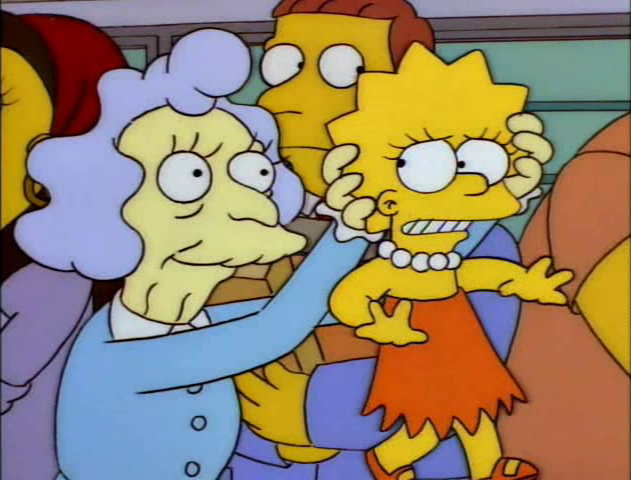
There are characters in Springfield who rarely talk, rarely shout, rarely stand in the spotlight. Alice Glick was one of them. She first showed up in Season 2 back in 1991, and she kind of sat in the background for years, playing the church organ, appearing in odd crowd scenes, or hiring Bart for small chores. Honestly, some viewers might not have realized how long she has actually been around. Her soft energy made her blend into Springfield so much that when she appeared, you felt like, oh yeah, she belongs there.
Cloris Leachman originally voiced her, which now feels like a neat little footnote, and later Tress MacNeille took over the voice. Alice hung on for decades, just quietly existing in scenes nobody expected anything dramatic from. That was her charm. She represented Springfield’s older generation, the people who watched everything shift around them while they stayed exactly who they were.
Her organ music shows up in so many moments that you never think about, like weddings in the First Church, awkward sermons, or silly town meetings. So when they removed her from the show, it left a gap that people only noticed once she was gone. It makes you see how these old characters still hold a purpose.
The Scene That Flipped The Episode Upside Down
In Sashes to Sashes, the episode starts sort of regular, and then, with no real lead up, Alice Glick collapses on the organ bench in the middle of a sermon. The sound cuts off. Reverend Lovejoy freezes. People in the pews stare. It is strangely quiet for a show that loves loudness. The camera lingers a bit too long, and by then the viewers knew a long standing Simpson’s character had died.
The funeral comes quickly, handled with this gentle, awkward humour. The writers did not go heavy on jokes. They let the sadness sit there. And soon after, the news hits everyone in Springfield, and everyone watching, that Alice has completely passed away.
Then came the part that made fans talk a lot more. The show’s producer, Tim Long, went on record and made it clear that this time, there is no trick. No pop-up in a later episode. No weird resurrection gag. Alice stays gone. He said she is “dead as a doornail”, which almost made the comment sound unreal since fans always expect the opposite.
A Gift That Pushes The Story Forward
The episode then reveals something unexpected. Alice left her estate to Springfield Elementary, which nobody saw coming. Her house, her savings, her leftover things from her long life, all meant to create a new music program for the children. Suddenly, her death mattered in the ongoing story. It moved Springfield a little bit forward instead of letting the moment fade away like background noise.
Lisa becomes the emotional center. She believes in the idea of a lasting music program, thinking it is what Alice would have wanted. But of course, Springfield being Springfield, other groups fight over how the money should be used. A group of students wants to turn the funds into a big festival because excitement always wins with some kids. Principal Skinner tries to play things safe and keep control, and predictably loses it anyway.
The plot feels genuine, maybe because it is tied to something that came from a character who never asked for attention when she was alive. It also almost feels like the town is learning something, in a small way.
Why This Death Feels So Oddly Heavy For A Cartoon
Usually, The Simpsons makes death into a joke. Someone falls off a building and shows up fine next week. A character gets crushed and pops up again later. This time, though, the emotional tone stayed steady instead of flipping back to laughter right away. It is not like the show turned into a drama, but it allowed a softer tone that made viewers pause.
Alice’s death also reminds fans how long the show has been around. Thirty seven seasons is a huge amount of time for any story. Older characters like Alice have history built into them, so losing her means losing a piece of that huge layered world.
Another thing different is how this death carries consequence. It opens up a new music program plot line. It encourages fans to think about Springfield as a place where things can shift a little. All of those changes stay even after the credits, which is not usually how animated sitcoms work.
Comparing Alice Glick’s Departure With Past Springfield Losses
Characters have died before on The Simpsons, but each death has its own style. Some were dramatic, others unimportant, and a few shaped character arcs for years. And once in a while, a character disappears for reasons that have nothing to do with the story at all. Apu is a good example of that kind of disappearance. He did not die, but he faded out because of real-world debates, showing that characters can leave Springfield in many ways, not only through a death storyline.
Maude Flanders
She died in Season 11 when she was knocked off the bleachers at a racing event. That moment hit fans hard because she was a real part of Ned’s life. Her death changed how Ned behaved in future episodes. It was loud and shocking, very different from Alice’s quiet exit.
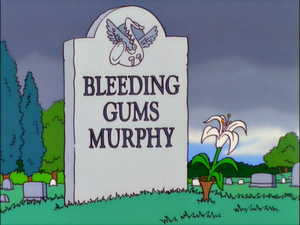
Bleeding Gums Murphy
Lisa’s jazz mentor passed away in Season 6. His death felt meaningful because it shaped Lisa’s artistic journey. It also gave viewers one of the most emotional musical stories the series ever wrote. But the town itself did not change much from his passing.
Rabbi Krustofsky
Krusty’s father died in Season 26. It affected Krusty as a character but did not disrupt Springfield at large. It was personal rather than communal.
Larry Dalrymple
A Moe’s Tavern regular died more recently in Season 35. Fans were surprised, although he barely had speaking lines. His death created one episode of emotion and then Springfield returned to normal.
Alice Glick Stands Somewhere New
Alice’s death is quieter than Maude’s, less dramatic than Murphy’s, less personal than Rabbi Krustofsky’s, but it changes Springfield more than Larry’s. Her estate creates a new storyline. Her absence shifts the church’s dynamic. It suggests the writers are allowing Springfield to move a little, not a lot, but enough that fans notice. This fits the idea of a Simpsons character dying that actually echoes through the town.
More Permanent Than The Usual Springfield Reset
The Simpsons is famous for not caring about continuity. But this time the writers chose something firmer. Alice does not return. She does not show up as a ghost gag, at least not so far. Her absence stands out.
There is also the fact that Alice had a previous fake death involving a robopet years earlier, which the show played for laughs. That only makes this real death more surprising. It breaks the rule that says Springfield always bounces back.
This shift gives the town depth that it does not always use. It also lets fans feel something instead of laughing right away. Once again, the moment works well with the weight carried when a Simpsons character dies, creating a ripple effect instead of a short joke.
What The Show Might Be Hinting At With This Change
Alice’s death might be a small chapter, but it hints at possible future choices the writers may explore. It feels like one of those quiet shifts that you only notice later, when you look back and say, oh yeah, that was the moment things started to bend a little. Even if the show stays funny and chaotic, this small turn suggests a few ideas sitting under the surface.
New Music Program Stories
The gift Alice left the school gives writers a reason to revisit arts education plots. New teachers, competitions, rivalries, all that stuff could come up. It is also the kind of storyline The Simpsons sometimes drops for years and then suddenly picks up again, which fans are weirdly used to. So this music program might show up in big or tiny ways, shaping background scenes or becoming full episodes.
Emotion Without Losing Humour
The show proved it can hold sadness and comedy at the same time. Not perfectly balanced, but enough that it feels more human. That balance might show up again if writers decide Springfield can handle small emotional beats without losing its identity. The show is old now, and sometimes older shows tap into softer moments because the audience has grown up alongside the characters. It might be the writers testing how far they can go with that.
Read More: Legendary Artist Cancels Remaining Shows, Officially Retires From Music
More Thoughtful Send-offs for Background Characters
Instead of characters quietly disappearing, the show may choose to acknowledge more departures, giving fans closure and maybe a bit of nostalgia. Springfield has hundreds of side characters, and some have not had real stories in decades. This could be a new pattern where smaller exits are treated with simple respect instead of jokes or silence.
Deeper Layers Without Changing The Whole Show
The Simpsons does not need to reinvent itself, but adding moments where a Simpsons character dies gives the long-running series an emotional rhythm that feels right for its age. The show might be hinting that it can evolve while still being goofy, messy, and loud, Springfield. Small changes, never huge ones, like adjusting the background fabric instead of the main plot. Alice’s death could be the writer’s way of saying the world still grows a little, even if nobody notices right away.
Closing Thoughts
Springfield rarely slows down, but this time it did. Alice Glick’s quiet exit brought warmth and reflection to a show that usually moves too fast to notice small lives. Her death surprised fans, but it also offered something sincere. It showed viewers how even small characters matter in a world that grows wider every year. Alice was not the center of Springfield, but she held up a corner of it.
Now the organ bench sits empty, and Springfield has to keep going without her. The town will still joke and laugh and collapse into chaos. But sometimes, maybe once in a long while, a moment sticks. Alice Glick’s final appearance is one of those moments.
Read More: Man Purchases Signed Taylor Swift Guitar at Auction, Only to Smash It