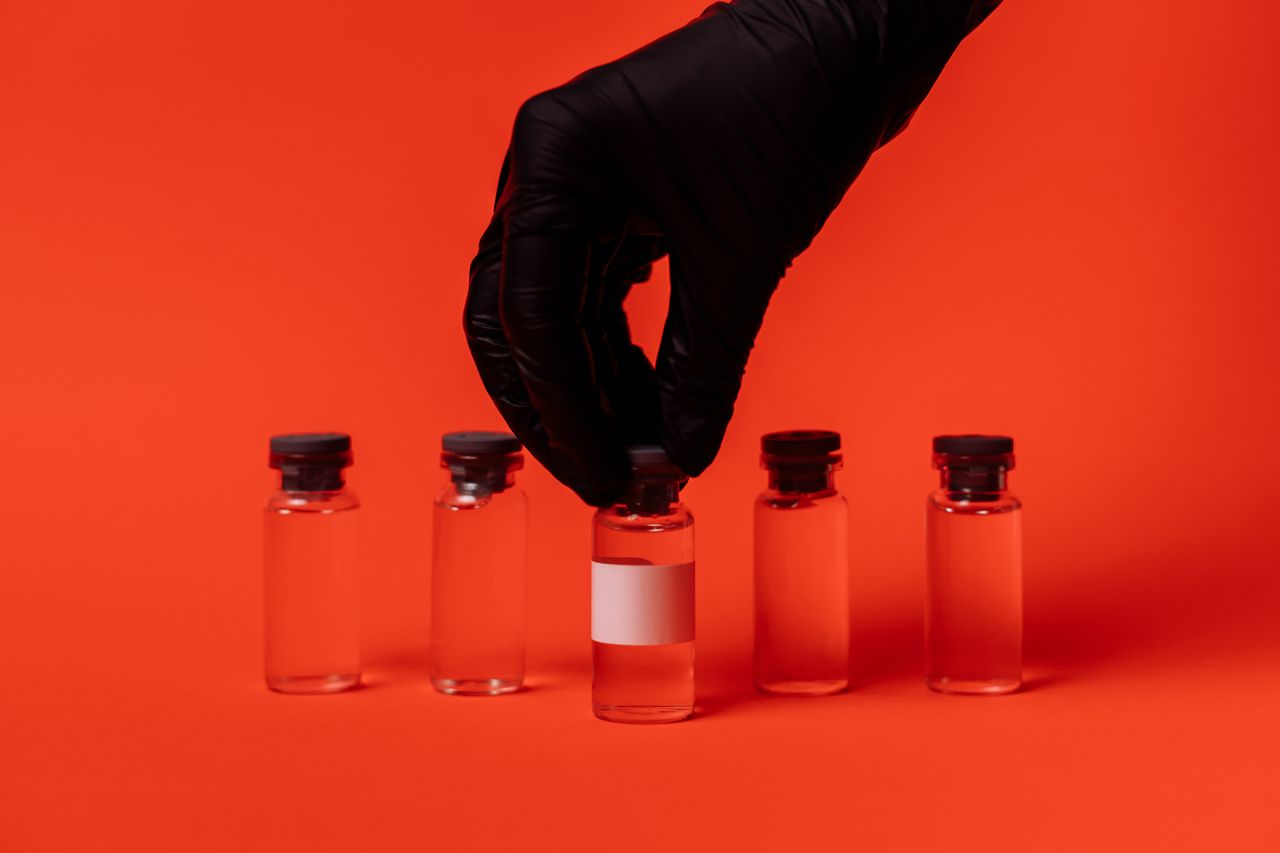

Two government scientists. One large black plastic case. One hundred and thirteen vials packed in Styrofoam coolers. A commercial flight from Brazzaville, Republic of Congo, to Detroit Metropolitan Airport. And a customs inspection on January 25, 2026, that would set off one of the most striking biosecurity cases in recent NIH history.
The case sounds, at first glance, like the setup to a thriller: senior federal researchers, the world’s most tightly controlled pathogen laboratory, an active outbreak zone, and a suitcase full of undeclared biological samples being carried through a packed airport terminal. But this is not fiction. Federal prosecutors announced charges in early June 2026 against two National Institutes of Health scientists accused of smuggling deactivated mpox virus samples into the United States and lying to federal officers about what they were carrying. The case has ignited sharp questions about how biosecurity rules apply to the very scientists who work inside the country’s highest-security research facilities – and what it means when those rules appear to have been ignored entirely.
The charges have drawn nationwide attention not only because of the identity of those involved, but because of what they imply: that a senior NIH researcher, someone who runs a virus ecology lab at one of the most biosecure sites in the federal government, allegedly boarded a commercial airplane with biological materials he had not declared, had not obtained the legally required import authorization for, and actively told federal officers were something else entirely.
The Researchers and the Charges

Vincent Munster, 53, a Dutch citizen and chief of the Virus Ecology Section at the National Institutes of Health (NIH)‘s Rocky Mountain Laboratories in Hamilton, Montana, and Claude Kwe, 38, a Cameroonian research fellow in Munster’s lab, were charged with conspiracy to smuggle monkeypox into the United States and making false statements to federal law enforcement, as announced by United States Attorney Jerome F. Gorgon Jr.
Munster leads the virus ecology section – the part of the lab specifically focused on how viruses jump between species, one of the most consequential areas of emerging pathogen research. These are not junior scientists with peripheral roles.
A criminal complaint was unsealed in federal court in Detroit against Munster, who is chief of the virus ecology section at Rocky Mountain Laboratories in Hamilton, Montana, and Kwe, who works with him as a research fellow. Both men face a maximum sentence of five years in prison if convicted.
What Happened at Detroit Metropolitan Airport
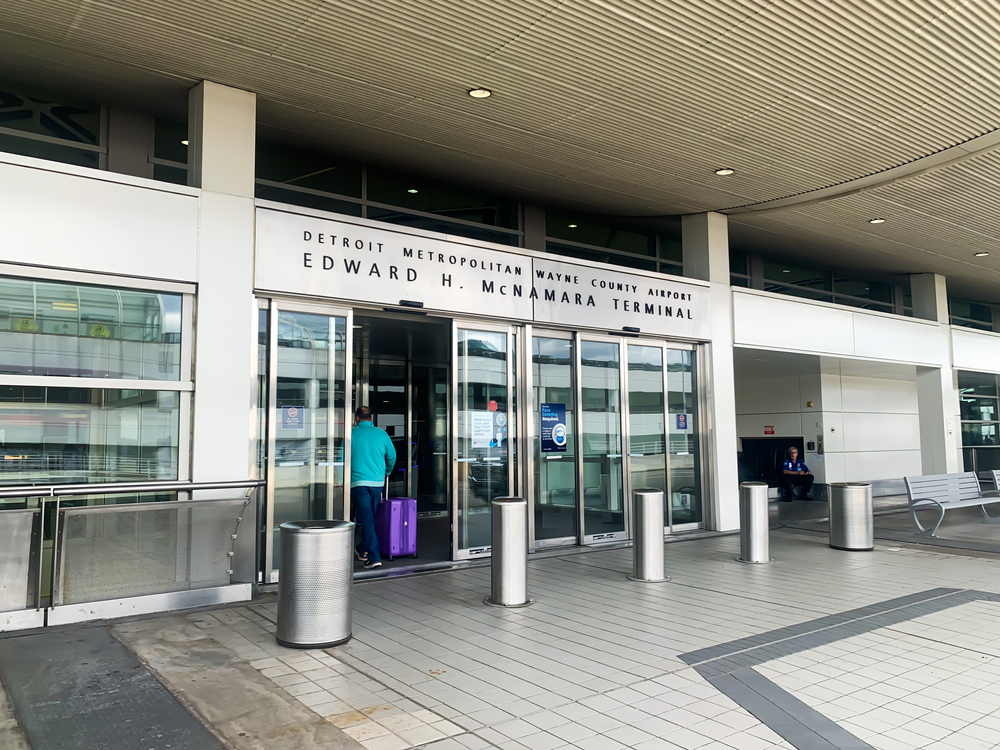
According to the Justice Department, Munster and Kwe arrived on January 25 at Detroit Metropolitan Airport’s McNamara Terminal after traveling from Brazzaville, Republic of Congo, where a monkeypox outbreak was underway. Federal officials said Customs and Border Protection officers noticed the men carrying a large black plastic case. When questioned, Munster and Kwe allegedly said the case contained only “diagnostics and testing equipment.”
That explanation did not hold up to scrutiny. Subsequent investigation by CBP and FBI agents revealed that the case actually contained 113 vials in Styrofoam coolers. Laboratory testing conducted on a portion of the seized materials revealed that 17 vials contained deactivated mpox virus, one contained varicella-zoster virus (the virus responsible for chickenpox), and two contained human DNA. Authorities stated that only 20 of the 113 vials had been tested at the time the complaint was filed.
Munster “adamantly denied” returning to the U.S. with biological materials or samples, the FBI said in a court filing. The denial was unambiguous, according to prosecutors – not a miscommunication, not a misunderstanding of customs procedures, but a direct denial. Munster told investigators at the Detroit-area airport that any necessary documents were in his laptop, “but you don’t need them. I do this all the time.” The FBI said it was reasonable to believe that Munster’s statements regarding the possession of required documentation to customs officers were materially false.
There was no mention in the government’s court filing about why Munster and Kwe may have wanted to bring the deactivated mpox virus to their lab. But prosecutors noted that both men are virologists who have worked extensively on mpox research.
Rocky Mountain Laboratories: Inside a BSL-4 Facility
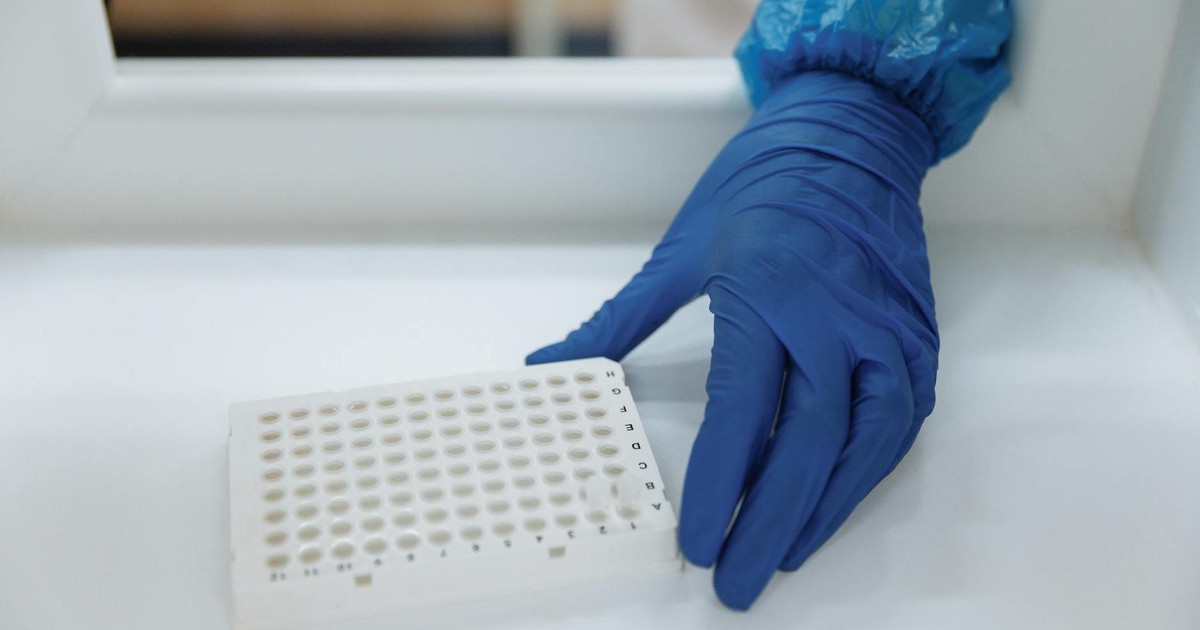
To understand why this case carries such weight, it helps to understand where Munster and Kwe work. Rocky Mountain Laboratories is an NIH state-of-the-art biomedical research facility in Hamilton, Montana, a small but thriving community nestled between the Bitterroot and Sapphire Mountains. It is perhaps best known for its research into vector-borne diseases such as Rocky Mountain spotted fever, Q fever, and Lyme disease.
BSL-4 is the highest biosafety classification that exists in scientific research. It means the laboratory is equipped to handle the most dangerous known pathogens on earth – the ones for which there may be no established vaccines or treatments, the ones that require full-body pressurized suits and airtight containment systems. Rocky Mountain Labs is one of only nine federal facilities in the United States with that highest biosafety Level 4 capacity.
The presence of a BSL-4 lab in the small Montana town of Hamilton is not incidental. Scientists who work there handle some of the most hazardous biological material on the planet under conditions that are, by design, among the most controlled environments in existence. The irony of that context – a scientist from a BSL-4 facility allegedly hand-carrying undeclared pathogen samples through a crowded commercial airport – is not lost on federal prosecutors.
U.S. Attorney Jerome F. Gorgon Jr. stated directly: “These NIH experts apparently broke our laws by smuggling viral pathogens on a packed commercial airplane from an outbreak in the Republic of Congo. Let that sink in.”
The Legal Framework for Importing Biological Materials

Federal law on this point is not vague or buried in fine print. The CDC Import Permit Program regulates the importation of infectious biological materials that could cause disease in humans in order to prevent their introduction and spread into the U.S., and the program ensures that facilities receiving permits have appropriate biosafety measures in place.
The rules around air transport are equally explicit. The issuance of an import permit is not an authorization to hand-carry the imported material into the United States. The shipment of infectious biological agents, infectious substances, or vectors of human disease into the United States must be packaged, labeled, and shipped in accordance with all federal and international regulations. When traveling by air, the biological materials must be declared to the airline and cannot be concealed in checked luggage.
These materials must be declared as cargo to the airline and manifested as biological materials. The CDC’s Import Permit Program will not approve applications that indicate the imported material will be hand-carried in a passenger cabin, due to risks to public health and safety.
Prosecutors allege that none of these requirements were followed. The vials were not declared. No permit was presented. The men told officers the case held something else entirely. Tests subsequently revealed that Munster and Kwe were traveling with vials of deactivated mpox, and they had failed to declare them or obtain the necessary documentation.
What “Deactivated” Actually Means – and Why It Still Matters
A critical distinction in this case is that the mpox contained in the vials was described as deactivated – meaning the virus had been chemically or physically rendered incapable of causing infection. The legal and scientific implications of that status matter, but they do not make the alleged conduct acceptable under federal law.
A CDC import permit may not be required in certain cases where a biological agent has been rendered non-infectious. However, in cases where it is determined that an import permit is not required, a certification statement must still accompany the shipment. That statement must include a detailed description of the material and an explanation of how the person making the certification knows the specimen does not contain an infectious biological agent, including a description of how the material was rendered non-infectious.
In other words, even if the virus was deactivated, the researchers were still required to declare the materials, document how deactivation was achieved, and carry the proper paperwork. Prosecutors allege none of that was done – and that when confronted, they denied the materials existed at all. As Marcus Sykes of the Office of Inspector General at the Department of Health and Human Services stated: “Any deliberate effort to conceal and smuggle biological materials into the United States without proper authorization is a breach of the public’s trust and could have placed the public at risk.”
The Congo Mpox Outbreak They Came From
The backdrop to this case is a deadly one. Congo declared the end of a two-year mpox outbreak believed to have caused more than 2,200 deaths in the country. Data from the Africa Centres for Disease Control and Prevention show that Congo recorded more than 161,000 suspected cases during the outbreak, with around 37,000 confirmed through laboratory testing, and at least 2,286 suspected deaths, though only 127 were lab-confirmed. That outbreak was declared over in April 2026 – just months after Munster and Kwe’s January trip to Brazzaville in the Republic of Congo, a neighboring country where an mpox outbreak was also active at the time of their visit.
The global scale of mpox transmission helps explain why two virologists were in central Africa in the first place. Mpox was first identified in 1958 among laboratory monkeys. Before 2022, most human infections occurred in Central and West Africa through contact with infected animals. In 2022, researchers confirmed that the virus could also spread through sexual contact, triggering outbreaks across more than 70 countries that had never reported mpox before.
The upsurge of mpox in the Democratic Republic of the Congo and its spread to neighboring countries was declared a public health emergency of international concern by the World Health Organization on August 14, 2024. The central African nation became the epicenter of the worldwide mpox crisis in 2024, when the virus spread across its borders. On September 5, 2025, the WHO Director-General determined that the event no longer constituted a public health emergency of international concern.
As of early 2026, the virus continues to circulate in multiple regions. As of April 2026, the Democratic Republic of the Congo is still the country with the majority of clade Ib cases. As of June 2026, there have now been more than 20 clade I monkeypox cases reported in the United States.
Reactions and What Comes Next
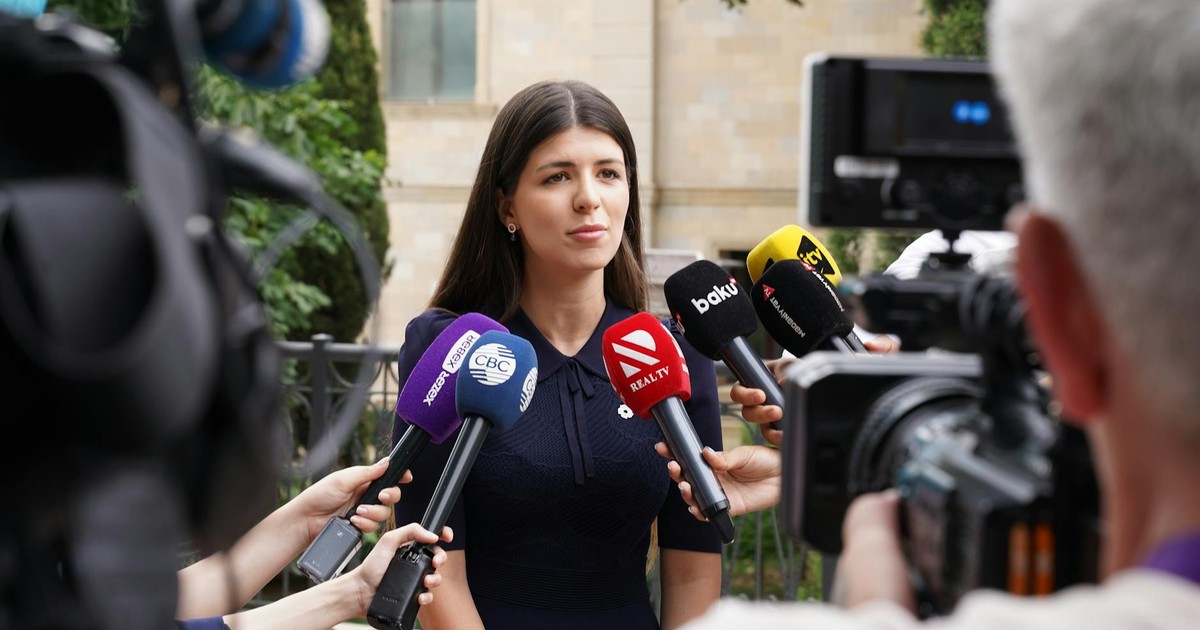
The response from federal law enforcement was direct and unambiguous. “No researchers should believe their positions, credentials, or professional status place them above the law,” said Jennifer Runyan, Special Agent in Charge of the FBI Detroit Field Office. “The allegations in this case are serious. They involve the dangerous and unlawful smuggling of deactivated Mpox virus into the United States and alleged efforts to mislead our federal agents.”
The investigation is being conducted by the Detroit Field Office of the Federal Bureau of Investigation, U.S. Customs and Border Protection Detroit, and the U.S. Department of Health and Human Services Office of Inspector General.
Munster and Kwe were expected to appear in federal court in Missoula, Montana. A complaint is only a charge and is not evidence of guilt. The defendants are presumed innocent until proven guilty, and it will be the government’s burden to prove guilt beyond a reasonable doubt.
The case now draws scrutiny to a broader question: how do biosecurity policies function when the researchers themselves are the ones who designed and operate within those systems? The incident at Detroit’s airport on January 25 was not a failure of detection technology or border infrastructure. Officers noticed the case, asked the right questions, and pursued the investigation. The alleged failure was a human one – a decision to carry undeclared biological material through a commercial airport and, when caught, to deny it.
What This Case Actually Reveals

This case, still in its early criminal complaint stage, raises questions that will take time to fully answer. What motivated the decision to carry the samples without declaration? Was this a pattern of behavior that went unnoticed, or an isolated event? Did institutional culture at a high-security research facility create an environment where credentials felt like a substitute for compliance?
What federal prosecutors have charged is, at its core, a straightforward violation: biological materials were allegedly brought into the United States on a commercial aircraft without declaration, without permits, and with active denials to federal officers. The deactivated status of the virus samples does not erase the legal requirement to declare them and document their inactivation. The professional stature of the researchers does not override the same customs rules that apply to every other person walking off an international flight. As federal authorities made clear: “The arrest of these individuals on serious federal charges sends a clear and unmistakable message that no one, including HHS employees who have an obligation to safeguard our federal programs, is above the law.” Munster and Kwe each face charges carrying a maximum penalty of five years in prison if convicted.
There is something worth sitting with here – not in a therapeutic sense, but in a plainly human one. The people most trusted to understand why biological import rules exist are, in this case, the people accused of bypassing them. The rules governing how pathogen samples cross international borders were written precisely because scientists know how dangerous an undeclared vial can be. The expertise does not make the alleged violation more forgivable. If anything, it makes it harder to explain. The outcome of the criminal proceedings remains to be seen, but the federal government’s message is unambiguous: knowing the rules and ignoring them anyway is not a gray area.
Disclaimer: This information is not intended to be a substitute for professional medical advice, diagnosis, or treatment and is for information only. Always seek the advice of your physician or another qualified health provider with any questions about your medical condition and/or current medication. Do not disregard professional medical advice or delay seeking advice or treatment because of something you have read here.
AI Disclaimer: This article was created with the assistance of AI tools and reviewed by a human editor.