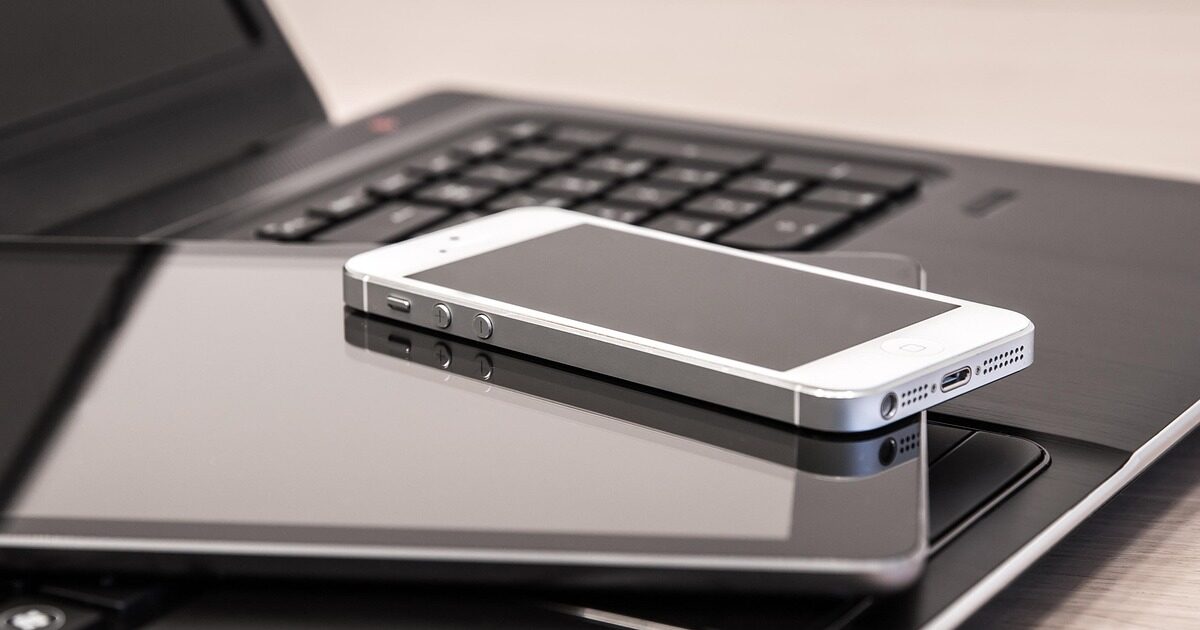

The argument that keeps coming up whenever anyone gets nostalgic about technology isn’t really about nostalgia at all. It’s about function. About the fact that some older tools simply did their one job better than the all-in-one device that replaced them. Not in every way, and not across the board, but in specific, concrete, annoying ways that modern users notice every single day – the two-hour battery life, the software that bricks on update, the search engine that wants to sell you something before it answers your question.
Progress is real and mostly welcome. But it comes with trade-offs that don’t always get acknowledged. The smartphone replaced the alarm clock, the camera, the map, the calendar, the music player, and the telephone. It also replaced the ability to do any of those things without a cracked screen, a dead battery, or a subscription renewal.
What follows is a look at 24 cases where older technology genuinely held an edge, grounded in current reporting and verified facts, not nostalgia for its own sake.
1. Basic Cell Phones Had Battery Life That Lasted Days
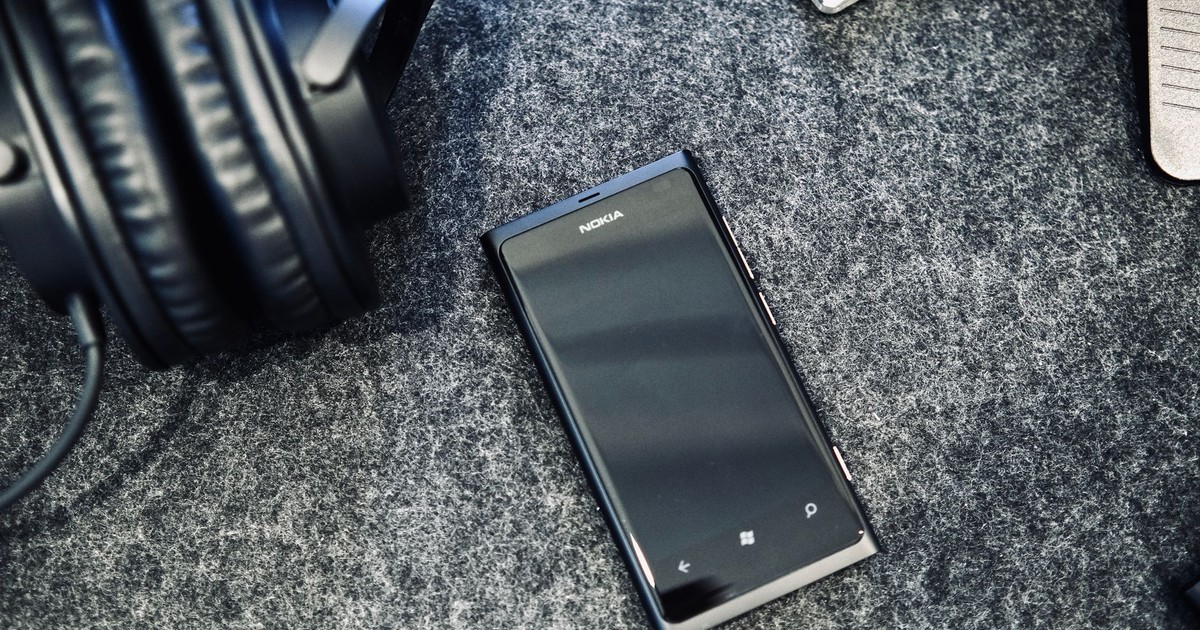
The Nokia 3310 didn’t do much, but it could sit in your pocket for four or five days without needing a charge. Modern flagship smartphones typically need charging every 24 hours, and many heavy users find themselves reaching for a cable by early afternoon. The reason is straightforward: a basic phone running calls and texts burns a fraction of the power demanded by a 6.7-inch OLED display, a suite of background apps, 5G radios, and persistent location tracking.
Rugged flip phones still demonstrate this advantage clearly – they generally offer significantly longer battery life than modern smartphones, often lasting multiple days on a single charge due to their simpler features. That’s not a quirk of one model. It’s the structural result of building a device around communication rather than content consumption. A phone that only makes calls doesn’t need to power an always-on display and a stack of social apps refreshing in the background every 90 seconds.
The irony is that battery anxiety – the low-level stress of watching your percentage drop through the afternoon – is now so normalized that most people don’t even register it as a problem the old technology solved.
2. Physical Maps Required No Signal and Never Rerouted You Mid-Turn

Paper road maps and printed atlases have an obvious limitation: they don’t update. But they have an advantage that GPS navigation still can’t match – they work everywhere, always, with zero infrastructure requirement. No cell signal needed, no satellite lock required, no moment where the app decides to route you through a residential neighborhood because of an accident three miles up the freeway.
Paper maps are reliable, don’t require batteries, and offer a broad perspective that digital screens often lack. That broader perspective is actually significant. Holding a physical map forces spatial awareness in a way that following a blue arrow on a screen doesn’t. A 2024 study published in Cognitive Research: Principles and Implications found that GPS dependence was negatively correlated with objective navigation performance, and that people who relied more heavily on GPS used fewer spatial memory strategies over time – meaning the app removes the need to actually understand where you are.
There’s also the signal problem. Rural areas, mountain roads, and underground parking structures are all places where GPS navigation fails exactly when you need it most. A paper map of the region, folded in the glovebox, has never dropped to zero bars.
3. Wired Headphones Never Ran Out of Charge Mid-Song
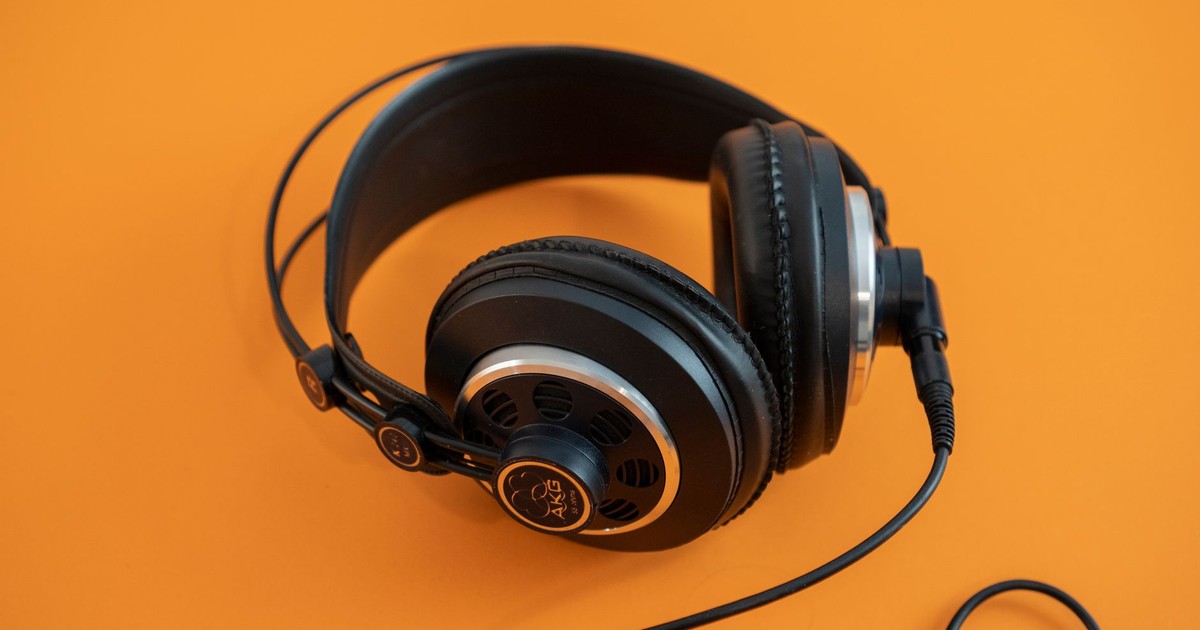
The shift from wired to wireless audio was sold primarily as a convenience. No cord to tangle. No cable pulling your phone out of your pocket. But the trade-off arrived with it: a battery that dies, a pairing process that occasionally refuses to cooperate, and a device that needs yet another charging cable added to the pile.
A pair of wired headphones from 2005 required no power, no pairing, and no firmware update. You plugged them in and they worked. The audio signal was also delivered directly over a physical connection, which meant no Bluetooth compression. Audiophiles have argued for years that wired connections deliver superior sound quality for this reason – the signal doesn’t need to be encoded, transmitted wirelessly, and decoded on the receiving end. For casual listening, the difference may be subtle. For anyone who notices audio quality, it’s real.
The industry’s solution to the wired headphone’s main drawback (tangled cables) was to create a product with a shorter lifespan, a pairing requirement, and a daily charging obligation. Whether that’s a net improvement depends entirely on how often you forget to charge things overnight.
4. Film Photography Forced More Deliberate, Often Better, Composition
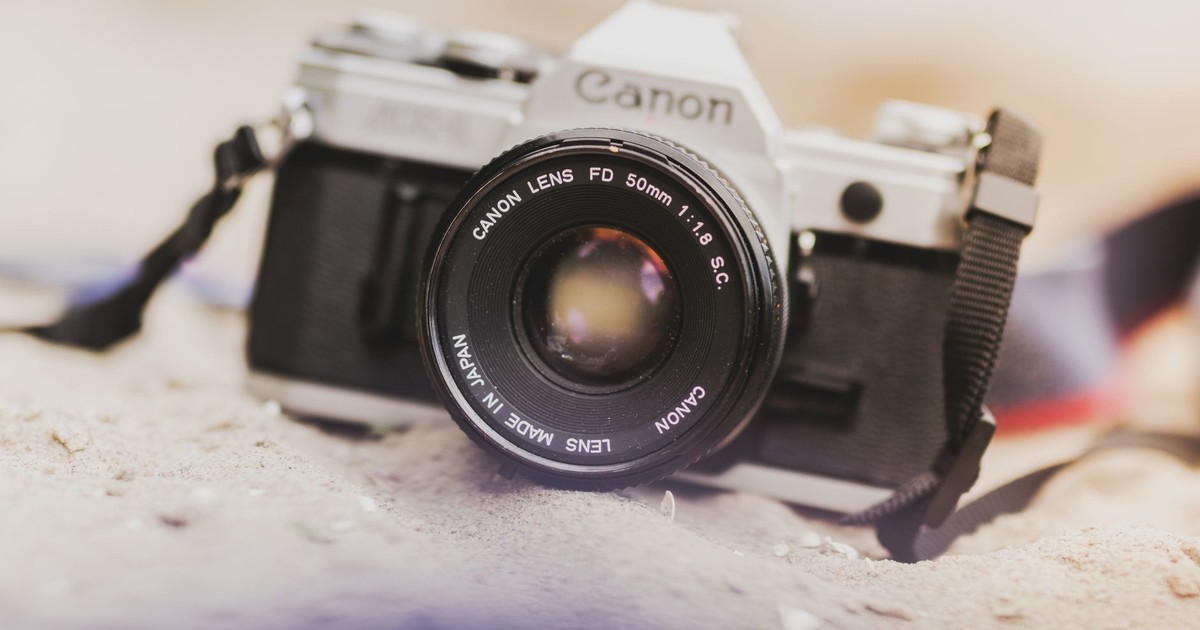
Image Credit: Pexels
Digital cameras and smartphone cameras make photography essentially free – you can take 400 shots of a sunset and delete 395 of them. Film cameras imposed a hard constraint: 24 or 36 exposures per roll, with a real cost attached to every frame. Photographers thought before pressing the shutter. They considered light, framing, and timing in a way that unlimited digital storage doesn’t encourage.
Many professional photographers still shoot film because the limitation forces presence. You can’t spray and pray when each frame costs money and attention. The shot you get tends to be the shot you meant to get – rather than the best of a burst of forty taken in two seconds.
Film also produces a look that digital imaging has spent 20 years trying to replicate. The grain, the color rendering, the way highlights roll off rather than clip to pure white – these are characteristics that entire industries of photo-editing presets exist to approximate. The original still does it better than the imitation.
5. CDs and Physical Music Ownership Actually Belonged to You
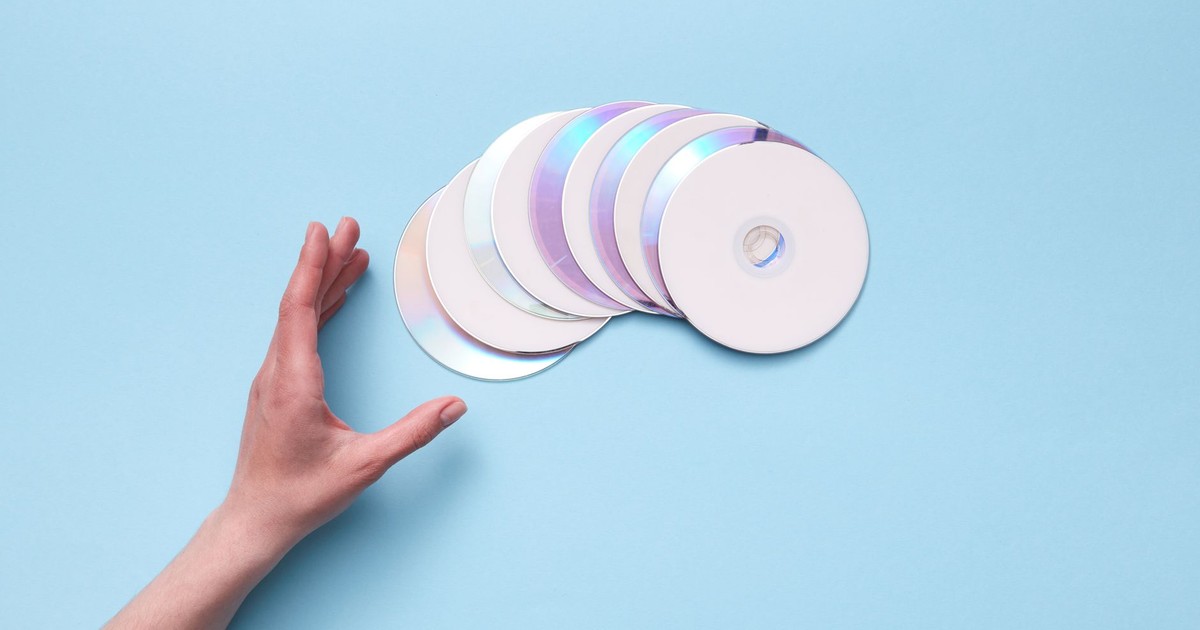
Image Credit: Pexels
When you bought a CD in 1998, you owned it. You could play it in any CD player, lend it to a friend, sell it at a garage sale, or keep it in a box in your attic for 25 years and still play it the day you found it. Streaming services have replaced that ownership model with something closer to renting access – access that can be revoked, repriced, or simply removed when a label pulls a catalog.
The fragility of streaming ownership became obvious when entire platforms shut down or restructured, taking user libraries with them. Songs disappear from Spotify without announcement when licensing deals lapse. A CD never had a licensing deal. The format also meant that the artist received a payment at the point of sale rather than a fraction of a cent per stream – a commercial reality that has reshaped how musicians are compensated in ways the industry is still arguing about.
Physical media also works without an internet connection. A CD in a car stereo plays the same whether you’re on a highway in Montana or in a building with no WiFi. Streaming your music library in a dead zone produces silence.
Old Technology Did Search Better, Too

Google used to feel like a tool; now it feels like a mall directory trying to sell you something before answering your question. That observation, widely shared among users in early 2026, captures something real about how search has degraded. The first several results on a modern Google search are frequently ads, SEO-optimized content farms, or AI-generated summaries that may or may not accurately reflect the sources they claim to draw from.
Early Google, and AltaVista before it, pointed you to the actual page that contained the information. Results were ranked by relevance to your query, not by who had paid for placement or whose content machine had produced the most keyword-dense article. Users who remember search from 2005 consistently describe the experience as faster and more direct for finding specific facts. A 2024 study by researchers from Leipzig University, Bauhaus-University Weimar, and the Center for Scalable Data Analytics and Artificial Intelligence confirmed what many users already suspected: Google is losing the fight against low-quality, SEO-gamed content crowding out genuine results. The ad revenue model that now shapes what rises to the top of any results page is the primary driver.
7. Landline Phones Had Consistent Call Quality

A copper landline telephone call from 1995 was crystal clear. No compression artifacts, no call-dropping in a basement, no moment where someone’s voice turns into a robot noise because they walked two feet to the left. The signal traveled over a dedicated physical connection that didn’t depend on cell tower proximity or radio frequency congestion.
Many people still maintain a landline at home for its stability and reliability in emergencies, particularly when mobile networks fail under load. That emergency-reliability point matters more than it might seem. In the immediate aftermath of hurricanes, earthquakes, and widespread power outages, cell networks routinely collapse under traffic. Landline infrastructure, running on power embedded in the phone line itself, continues working. The phone that looks the most obsolete in normal conditions tends to be the most functional in a crisis.
8. Dedicated GPS Devices Were Faster and More Accurate Than Phones
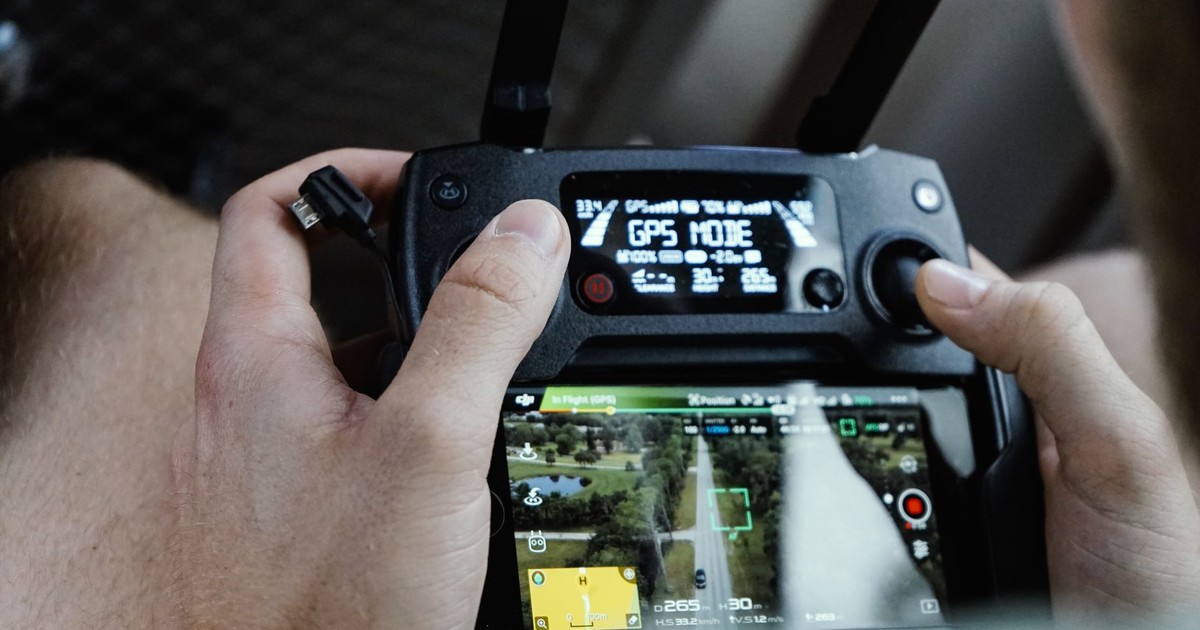
Before smartphones consolidated every function into a single device, standalone GPS units from companies like Garmin and TomTom had one job: navigate. They did it with faster satellite acquisition, larger maps stored locally on the device rather than streamed over cellular data, and a screen designed specifically for glancing at while driving.
Phone-based navigation has caught up significantly, but it still depends on a mobile data connection for real-time updates – which means it can lag, freeze, or refuse to load in areas with weak signal. A dedicated GPS device loaded with offline maps requires no signal at all after initial setup. It also doesn’t drain the same battery that your calls, messages, and music are competing to use simultaneously.
9. Alarm Clocks Didn’t Bring the Entire Internet to Bed With You
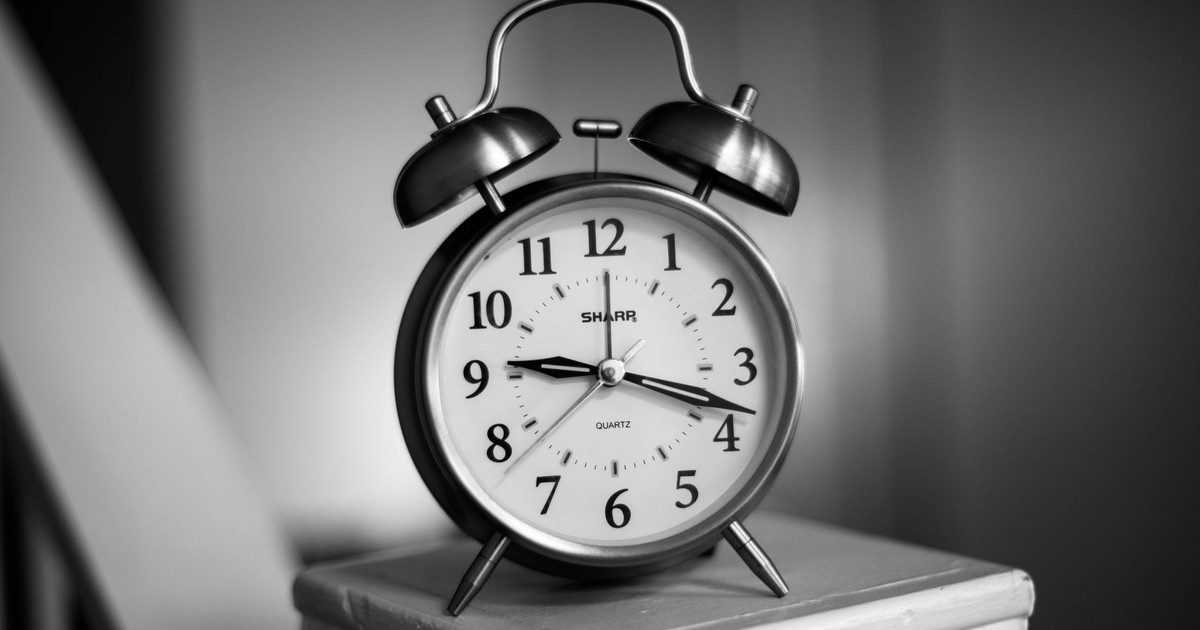
Setting an alarm on a bedside clock takes four seconds. The clock does one thing and it does it reliably – it wakes you up. Using your smartphone as an alarm clock is free and convenient, but it requires bringing a device into the bedroom that has email, news, social media, and every stress-inducing notification you receive all night, within arm’s reach the moment you open your eyes.
Smartphones have already replaced many standalone devices, and alarm clocks are a prime example, with most people now using mobile apps or smart speakers for their morning wake-up calls. But what got lost in that replacement was a physical separation between sleep time and screen time. Sleep researchers consistently find that pre-sleep phone use disrupts both sleep onset and sleep quality. The alarm clock on the nightstand didn’t create that problem. The phone that replaced it did.
10. Old Video Game Cartridges Worked Immediately
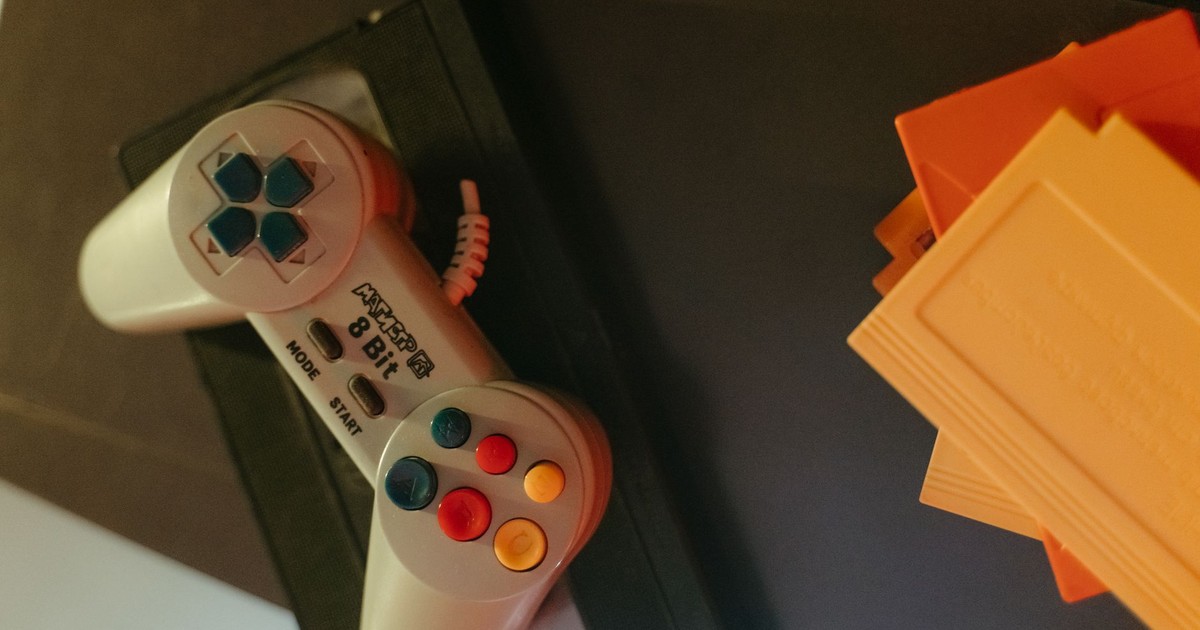
You put the cartridge in the slot, turned the power on, and the game started. No installation. No day-one patch downloading over several minutes. No 60GB update required before you could access a game you’d already paid full price for. The game was on the cartridge, the cartridge went into the console, and you played.
Modern game consoles require internet connectivity for initial setup, mandatory updates, account authentication, and, in many cases, game patches that fix content that shipped incomplete. The experience of opening a new game and discovering it needs a several-hour download before you can play it is now standard, accepted as normal largely because nothing in recent memory exists to compare it to. The cartridge era had its limitations, but “not being able to play your game immediately after buying it” wasn’t one of them.
11. Physical Keyboards on Phones Were Faster for Many Typists
The BlackBerry’s physical keyboard is still remembered fondly by people who used it heavily, and not just as sentiment. Physical keys give tactile feedback that a glass touchscreen doesn’t – you can feel when a key has been pressed, which means you can type without looking. Typing speed records on physical phone keyboards, particularly the BlackBerry Bold, rivaled what most people manage on modern glass keyboards today.
Glass keyboards require visual confirmation that a key was pressed, because you can’t feel the keypress. Autocorrect compensates for some of the inaccuracy, but autocorrect also introduces its own errors – changing the word you meant to a word you didn’t, in ways that sometimes go unnoticed until after you’ve sent the message. The physical keyboard didn’t autocorrect you into saying something you didn’t intend.
12. Answering Machines Let You Screen Calls Peacefully
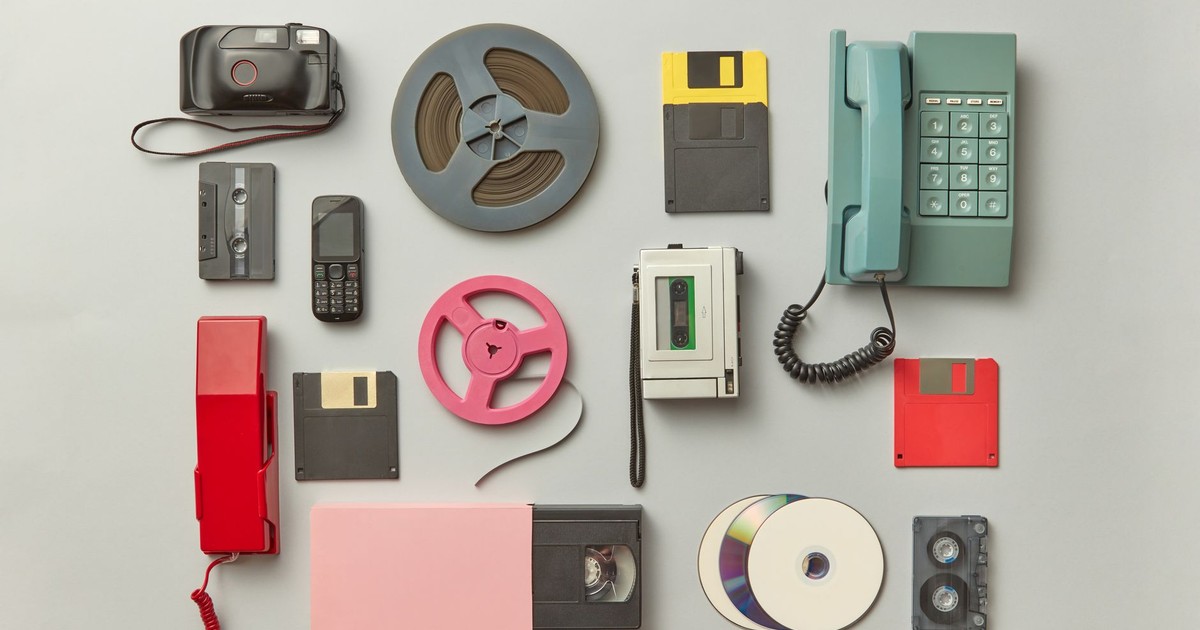
The answering machine gave you control over incoming communication in a way that modern phone systems don’t replicate well. You heard who was calling and what they wanted, in real time, before deciding whether to pick up. No unknown numbers masked by spam-call concerns, no voicemail icon you’ll ignore for three days, no decision paralysis about whether to answer a number you don’t recognize.
Modern voicemail is technically better in most measurable ways – digital, stored in the cloud, accessible from anywhere. But the live screening experience of the answering machine, where you could hear someone leaving a message and pick up mid-way if it turned out to be important, was a genuinely useful feature that didn’t make the transition to mobile phones. The ability to sit in your kitchen and decide whether to have a conversation in real time, based on real information, was casual control over your own attention.
13. Printed Books Don’t Need Charging, Updates, or an Account

A paperback bought in 1987 still reads exactly the same way today as it did when it was new. No firmware update has changed its interface. No subscription has expired. No DRM (Digital Rights Management – software that controls how a file can be used) has restricted which device it can be read on, or removed access because the publisher changed its distribution deal.
E-readers and reading apps have real advantages: searchable text, adjustable font size, carrying thousands of books in one device. But the relationship between reader and book has changed in ways that aren’t uniformly improvements. Baby Boomers often prefer the tactile experience of holding a physical book – and there’s growing cognitive science research suggesting that comprehension and retention differ between physical and digital reading, with physical books generally supporting deeper processing of complex texts. The printed page doesn’t require a charged battery to finish the last chapter.
14. Tube Televisions Were Naturally Suited to Sports and Motion

Flat-panel LCD televisions made TV sets thin, light, and energy-efficient. They also introduced motion blur – a smearing artifact that occurs when the display’s refresh rate can’t keep up with fast-moving images. The industry’s solution was to invent motion smoothing (a processing feature that adds artificial frames to create the illusion of smoother movement), which introduced its own artifact: the so-called “soap opera effect,” where filmed content looks like it was shot on cheap video.
CRT (Cathode Ray Tube) televisions – the boxy sets that preceded flat panels – didn’t have these problems. They refreshed at a rate that handled motion naturally, without post-processing. Sports, action films, and video games on CRTs looked smooth in the way the original signal intended. The decades-long effort to match CRT motion quality on flat-panel screens is a tacit admission that the older technology handled that particular problem better.
15. Mechanical Watches Never Needed a Charge or a Software Update
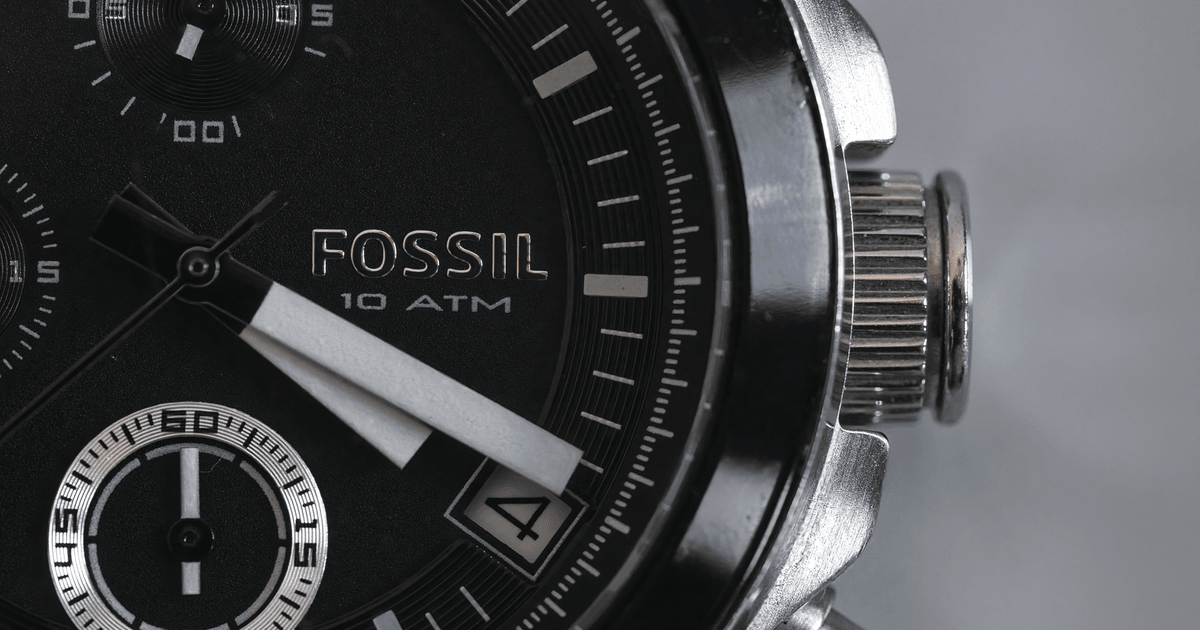
Mechanical watches and timekeeping connect to something broader about the durability of simpler systems. A well-maintained mechanical watch – one with a spring-driven movement requiring no battery – can run accurately for decades, even centuries. Horologists (watchmakers) routinely service 100-year-old movements that still keep reliable time.
Smartwatches do vastly more than a mechanical watch, but they do it for about 18 to 36 hours before requiring a charge, and they become effectively obsolete when the manufacturer stops supporting the operating system. A Rolex from 1965 is still a Rolex from 1965. An Apple Watch from 2016 runs software that hasn’t received security updates for years. The device that tells you your heart rate will outlive its usefulness far sooner than the device that just tells you the time.
16. Pay Phones Worked When Nothing Else Did
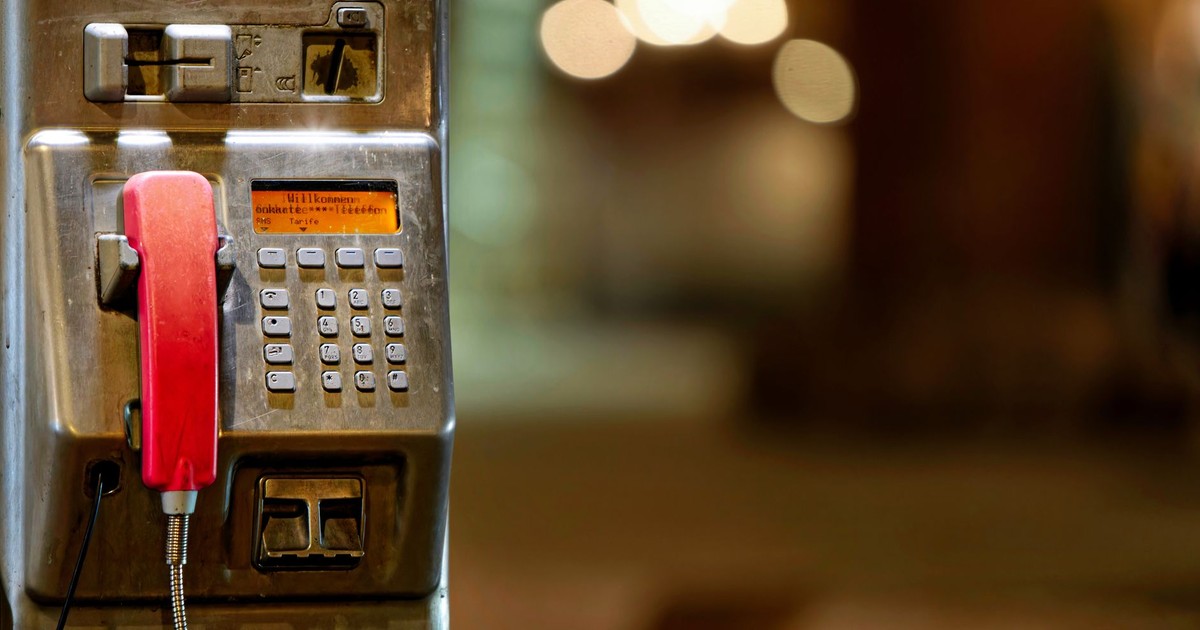
Pay phones had their obvious frustrations: you needed coins, they were sometimes broken, and the booths smelled like the 1980s in ways that were never entirely explained. But in an emergency, they worked independently of cell towers, personal batteries, and account credentials. You didn’t need a charged device. You needed a quarter.
The landline’s stability and reliability in emergencies – particularly when mobile networks fail under load – extended through pay phones into public spaces. After the 2003 Northeast blackout, pay phones were among the few communications systems that continued functioning in affected areas as cell towers lost backup power. Their near-total removal from public spaces has eliminated a safety redundancy that most people don’t think about until they need it.
17. Old Software Did One Thing and Did It Exceptionally Well
WordPerfect 5.1, released in 1989, is still mentioned by legal professionals and academics as one of the finest word processors ever built – not because of what it could do, but because of what it didn’t try to do. It processed words. It had reveal codes that showed you exactly what was happening to your document’s formatting. It didn’t try to be a collaboration platform, a cloud storage system, a grammar AI, or a subscription product.
Modern word processors bundle so many features that the core function – writing and formatting text – has become buried under interface layers. Word documents routinely open with their formatting shifted, their fonts substituted, or their layout altered because the software tried to interpret rather than preserve. A 1989 document opened in WordPerfect 5.1 looked exactly the same as it did when it was saved. The same cannot be said for a .docx file transferred between machines running different versions of modern software.
18. CD-ROMs and Physical Software Worked Without a Server Being Online
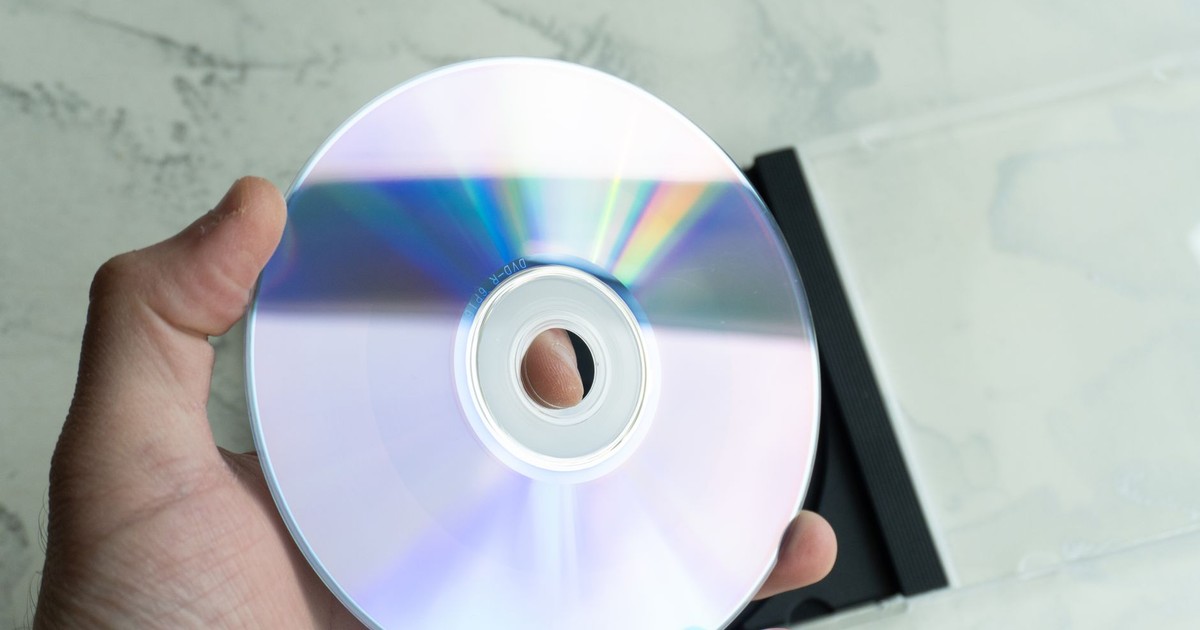
Image Credit: Pexels
When you installed software from a disc, the installation was complete. The software ran from your machine, using your machine’s resources, with no dependency on an external server staying operational. Once installed, it ran until you removed it.
Modern software-as-a-service (SaaS) products require continuous internet connectivity to authenticate your license, sync your files, and, in many cases, to run the application at all. Adobe Creative Cloud, for example, requires periodic online check-ins to verify your subscription – which means a subscription lapse or a connectivity outage during the check-in window can lock you out of software you’re actively paying for. Photoshop from a disc in 2003 had no such dependency. You owned the software and it ran.
19. Older Cars Were Simpler to Repair

A 1995 Honda Civic had an engine that a mechanically inclined owner could diagnose with basic tools and repair at home or at an independent shop. The systems were understandable. The parts were widely available. The vehicle didn’t require proprietary diagnostic software to read an error code.
Smartphones became easier to repair in 2024, but laptops lagged behind, with little progress in fixability – and modern cars have followed a similar trajectory. Repairability scores for smartphones generally went up in 2024, but there was little improvement among laptops, according to a report from the nonprofit U.S. Public Interest Research Group. Modern vehicles, loaded with proprietary software and sealed modules, often can’t be repaired without dealer-level diagnostic tools. Right-to-repair battles in the automotive industry are ongoing precisely because manufacturers have built complexity into their products in ways that shut out independent repair.
20. Film Cameras Had No Delete Button, Which Made Every Shot Count
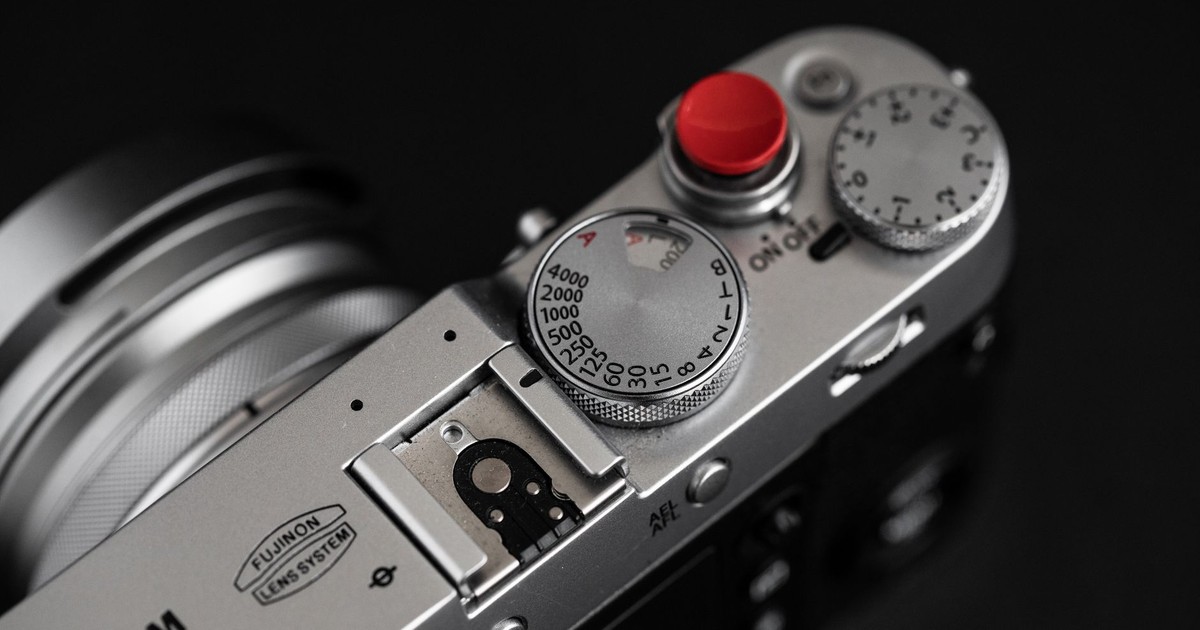
The delete button on a digital camera or phone is convenient. It’s also the reason most people’s phones contain thousands of photos they’ve never looked at and will never sort. Film’s constraint was its feature: a 36-exposure roll forced selection before the shot was taken, not after. You looked at a scene and decided whether it was worth a frame of film.
This constraint had psychological effects beyond composition. Prints from the film era tend to be more emotionally significant precisely because they were selected, developed, and physically held. A shoebox of 200 developed prints from a family vacation in 1989 tells a curated story. A phone containing 3,000 photos from a vacation last August tells the story that no one has gotten around to editing yet.
21. Encyclopedias Were Edited, Verified, and Couldn’t Be Changed Overnight

Image Credit: Pexels
A printed encyclopedia had a publication date, an editorial board, and a review process. Once printed, the text was fixed – for better and for worse. The limitations are obvious: outdated quickly, expensive to update, not searchable. But the fixed nature of the text meant that what you read this year was what the editor approved, with identifiable human accountability behind it.
Wikipedia is a remarkable resource and a genuine achievement of collective knowledge-building. It also gets edited thousands of times per day, occasionally by people with agendas, and has had well-documented incidents of incorrect information persisting for years. The printed encyclopedia was wrong less dynamically: its errors were stable, attributable, and correctable in subsequent editions. The entry you read in 1985 was the same one every reader saw. That uniformity had value that’s hard to replicate in a collaboratively edited online document.
22. Older Appliances Were Built to Last Decades
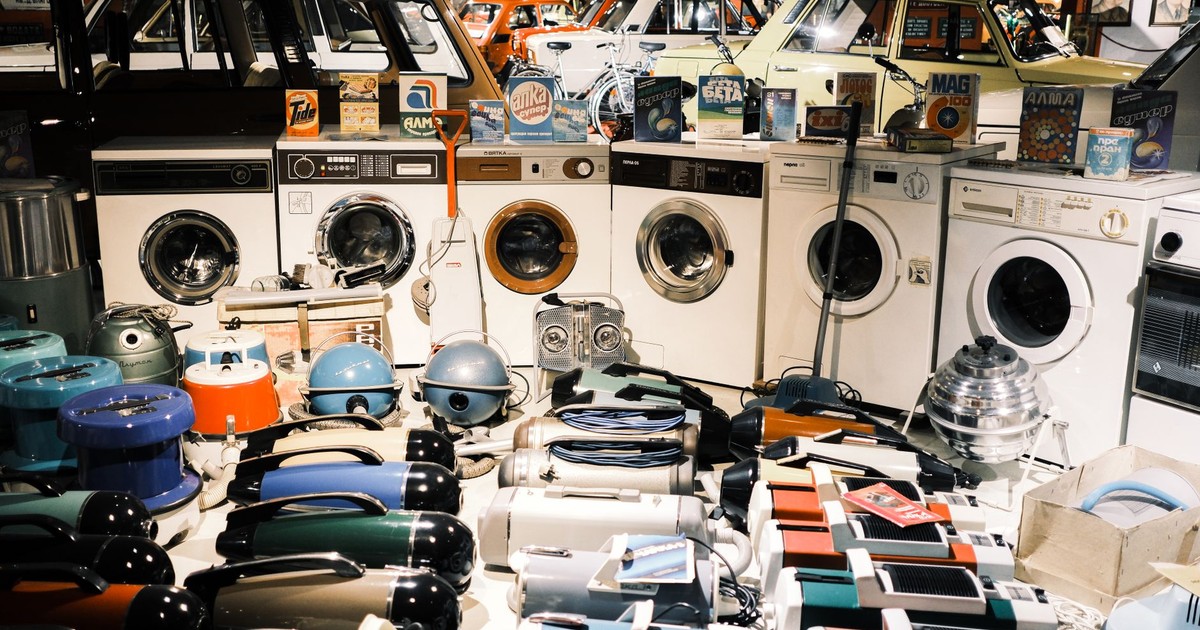
Image Credit: Pexels
A Maytag washer from 1975 ran for 30 years with nothing more than occasional belt replacements. Modern washing machines have computerized control boards, touchscreens, and WiFi connectivity – and failure rates that often exceed older models by significant margins. The complexity added features. It also added failure points.
Increasing the lifetime of smartphones and tablets could help save raw materials, meet EU climate goals, and reduce costs for consumers – the EU Ecodesign regulations for mobile phones are expected to save €20 billion for consumers per year by 2030. The EU is pursuing this specifically because modern electronics have shorter useful lifespans than the products they replaced. The same dynamic that created planned obsolescence in smartphones has migrated into appliances. A WiFi-connected refrigerator with a touchscreen may stop working not because its cooling system failed, but because the touchscreen’s software no longer receives support.
23. Physical Photographs Were Immune to Data Loss

Image Credit: Pexels
A printed photograph from 1985 survives hard drives crashing, cloud accounts being closed, iPhones breaking, and social media platforms shutting down. It is a physical object that deteriorates slowly and can be duplicated, scanned, and stored in multiple locations without digital account management.
Digital photographs, by contrast, are distributed across devices and platforms in ways that make comprehensive backup surprisingly complicated. Hard drives fail. Cloud accounts get hacked or closed. People have lost entire collections of photos during device upgrades, account compromises, and platform migrations. The photo printed on photographic paper and stored in an album has survived longer and more reliably than any digital archive of comparable age. The family photos from the 1970s still exist. Photos from a digital camera in 2004 often don’t, because the hard drive they were stored on has long since failed.
24. Simpler Phones Let You Be Present in the Room You Were Actually In

Image Credit: Pexels
The original cell phone was a telephone. It made and received calls, and that was the end of it. When you were at dinner, at a school play, or having a conversation with someone across a table, the phone in your pocket had nothing to offer but a call – and calls were easy to ignore.
The smartphone consolidated everything into a single device and then made every notification feel equally urgent: texts, emails, news alerts, social media mentions, app updates, weather warnings. The attention cost is real. Behavioral researchers have found that the mere presence of a smartphone on a table reduces the quality of face-to-face conversation between the people sitting there, even when the phone is face-down and silent. The old Nokia in your pocket didn’t do that. It didn’t have anything to show you that couldn’t wait.
Growing up with fewer choices and slower communication gave people time to think – you waited a week for a new TV episode, sent handwritten notes to friends, rented movies instead of binge-watching them, and those slower-paced experiences taught the value of patience and savoring small moments. That’s not a sermon about screen time. It’s a description of what attention felt like when technology asked less of it.
What This Actually Means
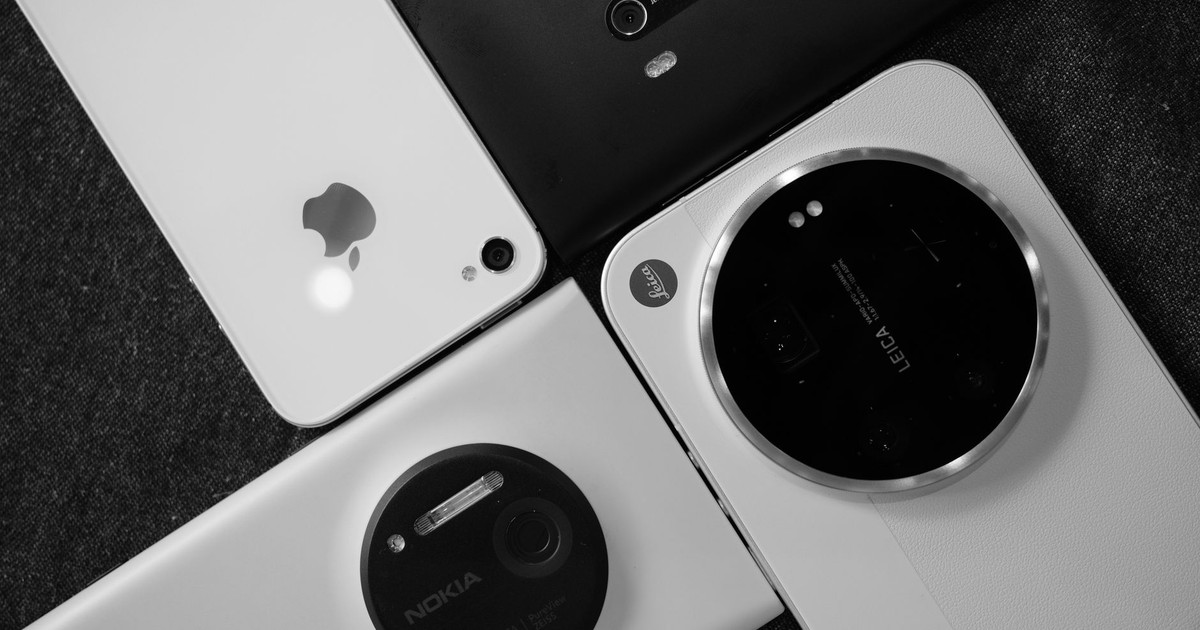
None of this is an argument against modern technology. Smartphones, streaming services, and instant search have made genuine improvements to how people live, communicate, and access information. The point isn’t to go back.
Progress rarely eliminates trade-offs – it usually just changes which ones you’re making. A smartphone that does 40 things tolerably is not always superior to 40 devices that each do one thing well. When the battery dies or the server goes down or the software update breaks the interface, the old technology’s one stubborn advantage becomes very clear: it worked, it was yours, and it kept working.
The upgrade worth making is the one that actually improves the thing you care about. Sometimes that upgrade happened 30 years ago, and the version sitting in a drawer somewhere still does the job. Old technology better isn’t just a wistful observation – for a specific set of tasks, it’s still the accurate description.
Disclaimer: This information is not intended to be a substitute for professional medical advice, diagnosis, or treatment and is for information only. Always seek the advice of your physician or another qualified health provider with any questions about your medical condition and/or current medication. Do not disregard professional medical advice or delay seeking advice or treatment because of something you have read here.
AI Disclaimer: This article was created with the assistance of AI tools and reviewed by a human editor.