

Most people, when they picture Parkinson’s disease, picture a trembling hand. That image isn’t wrong, but it tells less than half the story. The shaking tends to show up after years of changes that most people would never connect to a neurological condition – a bathroom routine that’s been quietly shifting for months, a long-time perfume that just doesn’t smell the same anymore, a voice that family members have started asking you to raise.
Parkinson’s disease is a disorder of the nervous system that affects movement and gets worse over time, causing nerve cells in parts of the brain to weaken, become damaged, and die. Most symptoms occur when brain cells in an area called the substantia nigra – which produces dopamine, the chemical that sends signals for smooth, purposeful movement – begin to fail. By the time Parkinson’s disease symptoms appear, most people have already lost 60 to 80 percent or more of those dopamine-producing cells. That gap between what’s happening inside the brain and what the body eventually shows on the outside is exactly why early recognition matters so much.
The period between the onset of neuronal degeneration and a clinical diagnosis is called the prodromal or pre-motor phase, and it can start up to 20 years before motor symptoms emerge. In those years, the body sends signals – just not the ones most people are watching for. Understanding those signals, the ones that arrive long before anyone’s hand starts to shake, is the difference between catching this disease early and catching it late.
1. A Resting Tremor, Often Starting on One Side

One of the most well-known Parkinson’s disease symptoms is a tremor, often beginning in the fingers, thumb, hand, or chin while at rest. The specific pattern doctors look for is sometimes called a “pill-rolling” tremor – the thumb and index finger rubbing together in a slow, rhythmic loop when the hand is doing nothing at all.
Resting tremors are often the first visual signs of Parkinson’s disease. Typically, when the hand is actively being used, the tremor goes away. That’s actually what sets it apart from the kind of shaking caused by anxiety or caffeine, which tends to get worse under pressure, not better.
According to the NINDS, research shows that by the time Parkinson’s disease symptoms appear, most people have already lost 60 to 80 percent or more of the dopamine-producing cells in the substantia nigra. It’s also worth knowing that up to 20 to 30 percent of patients may never develop a tremor at all. So while it’s the symptom most associated with the condition, its absence doesn’t mean Parkinson’s isn’t there.
2. Slowness of Movement (Bradykinesia)

Bradykinesia – defined as a decrease in the speed, amplitude, and flexibility of voluntary movement – is considered the core motor symptom of Parkinson’s disease. It’s less dramatic than a tremor, which is part of why it so often gets written off. People notice that buttoning a shirt takes longer than it used to, or that getting out of a chair requires a preparation moment that didn’t used to be necessary.
The symptoms that tend to bother patients most are slowness and stiffness, or trouble starting movements. That difficulty initiating movement – sitting still for a beat too long before standing, hesitating before taking a first step – is bradykinesia in its early form.
According to a 2026 study in medRxiv, motor signs like bradykinesia, rigidity, and tremor typically appear only after roughly 50 to 70 percent loss of relevant neurons has already occurred, which is why detection is so often delayed. Recognizing the slowness early, and mentioning it to a doctor rather than chalking it up to age, can meaningfully shift that timeline.
3. Muscle Rigidity and Stiffness
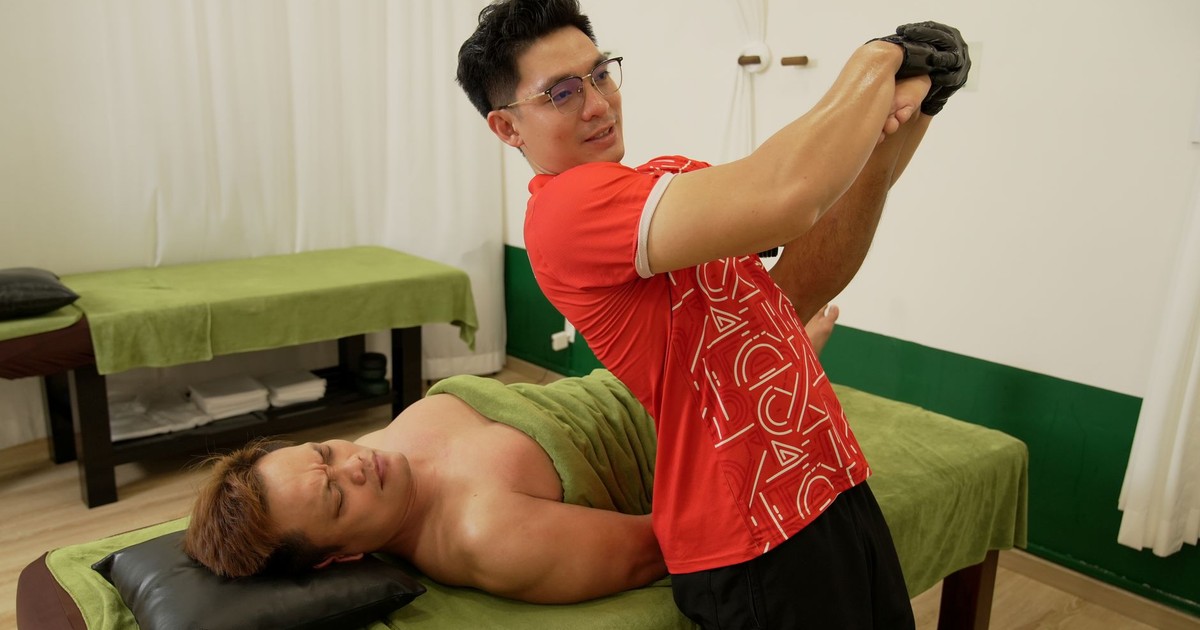
Stiffness is one of those symptoms that slides easily into an explanation that has nothing to do with Parkinson’s. A bad night’s sleep. Too long at a desk. Getting older. Muscle stiffness can be mistaken for symptoms related to normal aging, thyroid issues, or other causes.
The rigidity that comes with Parkinson’s is different. It tends to be present throughout an entire range of motion rather than just at extremes, and it often causes an aching discomfort in the neck, shoulders, or limbs. For some people, this is actually the first thing they notice – a persistent tightness in one shoulder that doesn’t respond the way a muscle strain would.
The stiffness also interacts with bradykinesia, making movement feel both slow and effortful at once. When walking, it can reduce the natural swing of the arms. That reduced arm swing on one side is something a neurologist might notice before the person themselves does.
4. Loss of Smell (Hyposmia or Anosmia)

Loss of the sense of smell is one of the prodromal symptoms of Parkinson’s disease – meaning it can appear years before any movement problem announces itself. Neurologists at Johns Hopkins Medicine note that unexplained anosmia (complete loss of smell) carries at least a 50 percent chance of developing Parkinson’s disease within the next five to ten years. The same protein that clumps in the dopamine-regulating part of the brain also accumulates in the olfactory bulb, the structure responsible for smell – which explains why the nose can serve as an early warning system.
The challenge is that losing your sense of smell rarely sends anyone rushing to a neurologist. People assume a lingering cold, seasonal allergies, or simply getting older. If the loss is gradual and unexplained, and especially if it’s accompanied by any of the other signs on this list, it’s worth raising with a doctor. Johns Hopkins researchers also list loss of smell alongside REM sleep behavior disorder, anxiety or depression, and constipation as key prodromal symptoms – all of which can precede a formal diagnosis by years.
5. REM Sleep Behavior Disorder

Most people, during the stage of sleep called REM (rapid eye movement), are essentially paralyzed. The brain generates dreams, but the body stays still. In REM sleep behavior disorder (RBD), that paralysis fails – and people physically act out their dreams, punching, kicking, shouting, or leaping out of bed mid-sleep.
With Parkinson’s disease, the brain process that oversees this phase of sleep becomes defective, allowing those dream-enacting movements to happen. Partners often notice this before the person does. Sleep disturbances – including REM sleep behavior disorder, restless legs syndrome, sleep fragmentation, and daytime sleepiness – are estimated to occur in 60 to 98 percent of patients with Parkinson’s disease. RBD in particular is now considered one of the strongest early markers of the disease, sometimes arriving more than a decade before any motor symptom.
6. Constipation and Digestive Changes

Constipation is among the prodromal symptoms of Parkinson’s disease. The digestive system is heavily regulated by the same nervous system pathways that Parkinson’s disrupts, and changes in gut function can begin well before the brain’s motor control centers show any sign of trouble.
People with Parkinson’s disease also have damage to brain cells that make norepinephrine – the main chemical messenger involved in the body’s automatic functions, including keeping the heart beating steadily and regulating blood pressure. The gut is similarly dependent on these automatic signals, which explains why constipation and other digestive slowdowns are so common in early Parkinson’s.
It’s easy to dismiss this as diet, dehydration, or any number of unrelated causes – and often it is. But chronic, unexplained constipation that doesn’t respond to the usual fixes is worth noting, particularly if it appears alongside other symptoms from this list.
7. Micrographia (Shrinking Handwriting)

A condition known as micrographia is common in people with Parkinson’s disease – where handwriting becomes smaller and more cramped, with letters appearing crowded together and words harder to read. What’s distinctive about micrographia is that it often develops progressively within a single piece of writing: the first line looks reasonably normal, and by the end of the page, the letters have shrunk to a fraction of their original size.
The 2026 medRxiv research cited earlier found that micrographia affects up to 63 percent of Parkinson’s cases. Researchers are now developing AI-assisted tools that can detect micrographia through tablet-based drawing tests, recognizing it as an early and measurable marker of fine motor decline.
If someone who has always had decent handwriting suddenly finds their letters shrinking and cramping, and no obvious reason like injury or arthritis accounts for it, that change deserves attention. It’s one of the first things a neurologist looks for during an assessment.
8. Softening or Changing Voice – A Key Parkinson’s Disease Symptom

Hypokinetic dysarthria – voice impairment including softening, monotone delivery, and slurring – affects approximately 89 percent of Parkinson’s patients, often as an early prodromal sign. Family members frequently notice this before the person does: a voice that used to fill a room now requires repeating, or a delivery that’s become flat when it used to be expressive.
The voice changes in Parkinson’s aren’t just about volume. The condition reduces the fine motor control needed to vary pitch and rhythm, so speech can become monotone even when the person is trying to convey emotion. Some people develop a very rapid, stumbling quality to their speech, running words together without the usual gaps and emphasis.
A softening voice is one of the early signs that can appear alongside loss of smell, gait problems, and an inability to make facial expressions as a result of stiffening facial muscles. Voice changes in isolation are rarely alarming, but when they cluster with other signs, they’re significant.
9. Masked Face (Reduced Facial Expression)

The face is one of the most expressive tools humans have – and Parkinson’s disease slowly reduces a person’s control over it. The condition is called “hypomimia” or, colloquially, “masked face.” The muscles of the face stiffen and lose their responsiveness, producing an expression that reads as blank or flat even when the person inside feels completely engaged.
Friends and family often misread this sign entirely. They assume the person is sad, distracted, or disinterested. Some people with Parkinson’s report being repeatedly asked if they’re okay when they feel fine, or noticing that their smiles no longer register the way they used to. Reduced blinking frequency is another sign of the same underlying process.
This isn’t a personality shift or emotional withdrawal – it’s the face losing some of the motor control that makes expression possible. Catching it early, before it’s advanced, matters because it points toward a neurological examination rather than a psychological one.
10. Postural Changes and Stooped Posture

Early in the course of Parkinson’s disease, the most obvious symptoms are movement- and balance-related, including rigidity, slowness of movement, and difficulty with walking and gait. One specific postural change that doctors look for is a forward-leaning stoop – the torso bending slightly toward the front, even when the person is trying to stand straight.
This posture develops because Parkinson’s affects the muscles and neural signals that maintain upright alignment. It often appears gradually enough that neither the person nor their family notices the change until someone looks at a photograph from a few years earlier. Combined with a reduced arm swing when walking and slightly shuffling steps, the full picture becomes more recognizable.
Posture changes matter because they’re also a risk factor for falls, which become increasingly problematic as Parkinson’s progresses. Catching the stooped posture early gives more time to intervene with physical therapy and targeted exercise.
11. Balance Problems and an Increased Fall Risk

Parkinson’s disease is a progressive condition that affects the nervous system, causing symptoms including slow movement and poor control over complex movements. Balance is among the most complex movement tasks the nervous system manages – integrating signals from the eyes, inner ear, and muscles simultaneously – which is why it becomes vulnerable as Parkinson’s advances.
Early balance issues are subtle. A slight hesitation when turning around. A moment of unsteadiness stepping off a curb. The instinctive grab for a handrail on stairs that used to require no thought. These can each individually seem like nothing. Together, and especially in someone under 70 who has no other obvious reason for balance trouble, they’re a signal worth investigating.
Falls in Parkinson’s disease can become serious, particularly because the condition also reduces the reflexive arm movements that normally catch a person before they hit the ground. Physical therapy started early can substantially extend the window of independent, confident movement.
12. Anxiety, Depression, and Mood Changes
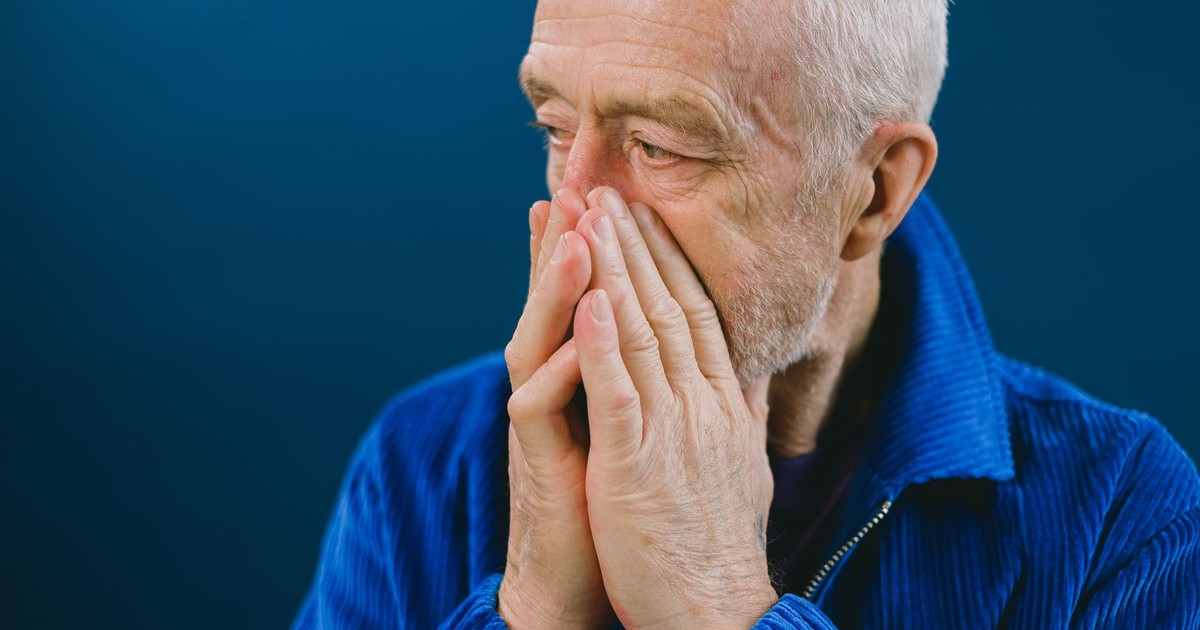
Increased anxiety or depression can be mistaken for symptoms related to normal aging, thyroid issues, or other causes – but both are recognized early signs of Parkinson’s disease. This is one of the most frequently missed connections. Depression in someone who has never been depressed before, or anxiety that arrives without an obvious trigger, can have a neurological basis.
When dopamine levels drop, the brain has trouble sending signals to the muscles – but as the condition progresses, it can also affect thinking, mood, and memory. Dopamine isn’t only about movement. It’s deeply involved in motivation, reward, and emotional regulation. Its decline affects the whole personality, not just the body.
The link between mood symptoms and Parkinson’s is important enough that neurologists at Johns Hopkins now list depression and anxiety among the prodromal symptoms – the signs that can precede a formal diagnosis by years. Someone whose mood has shifted significantly and inexplicably, alongside any physical symptoms from this list, deserves a thorough neurological workup.
13. Dizziness When Standing Up

Frequent dizziness or feeling faint when standing may be an early signal of Parkinson’s disease. This happens because Parkinson’s disrupts the autonomic nervous system – the branch of the nervous system that manages involuntary functions like heart rate and blood pressure. When that system is impaired, the body doesn’t always compensate quickly enough when a person stands up, causing a drop in blood pressure and a brief dizzy spell.
This symptom, called orthostatic hypotension (a temporary drop in blood pressure upon standing), tends to be noticed when it’s frequent and unpredictable rather than occasional. For people who experience it often, particularly after age 50, it’s worth raising with a doctor – not only because it’s uncomfortable and increases fall risk, but because it can be an early indicator that the autonomic nervous system is beginning to be affected by the same underlying neurodegeneration driving Parkinson’s.
According to Penn State Health News, Parkinson’s disease affects about 1.1 million Americans – and a significant number of them spend years with symptoms that don’t yet have a name. Dizziness when standing is one of the signs that most often gets attributed to dehydration or low blood pressure without anyone looking further.
Read More: Scientists Found a Trick to Feel Rested Even When You Didn’t Sleep Well
What to Do With All of This

None of these signs, taken alone, confirms Parkinson’s disease. Tremors happen for all kinds of reasons. Constipation is nearly universal at some point. A voice that softens with age isn’t automatically neurological. Because symptoms often develop slowly, it can be difficult to know whether small changes are part of the normal aging process or early warning signs of Parkinson’s disease.
What changes the picture is pattern and combination. Three or four of these signs appearing together – particularly in someone over 55 or with a family history of Parkinson’s – is a different situation from any single sign on its own. While there is no cure for Parkinson’s, early diagnosis and symptom management through medications, exercise, and lifestyle changes can help improve quality of life and slow disease progression. That’s the real reason early recognition matters: not to arrive at a frightening diagnosis faster, but to get access to the treatments and interventions that work best when the disease hasn’t yet progressed far.
Most people who are eventually diagnosed with Parkinson’s look back and recognize signs they dismissed years earlier – the handwriting that started shrinking, the shoulder that never quite loosened up, the smell of coffee that gradually faded out. A single symptom is rarely the story. The full picture almost always started forming long before anyone thought to look.
Disclaimer: This information is not intended to be a substitute for professional medical advice, diagnosis, or treatment and is for information only. Always seek the advice of your physician or another qualified health provider with any questions about your medical condition and/or current medication. Do not disregard professional medical advice or delay seeking advice or treatment because of something you have read here.
AI Disclaimer: This article was created with the assistance of AI tools and reviewed by a human editor.