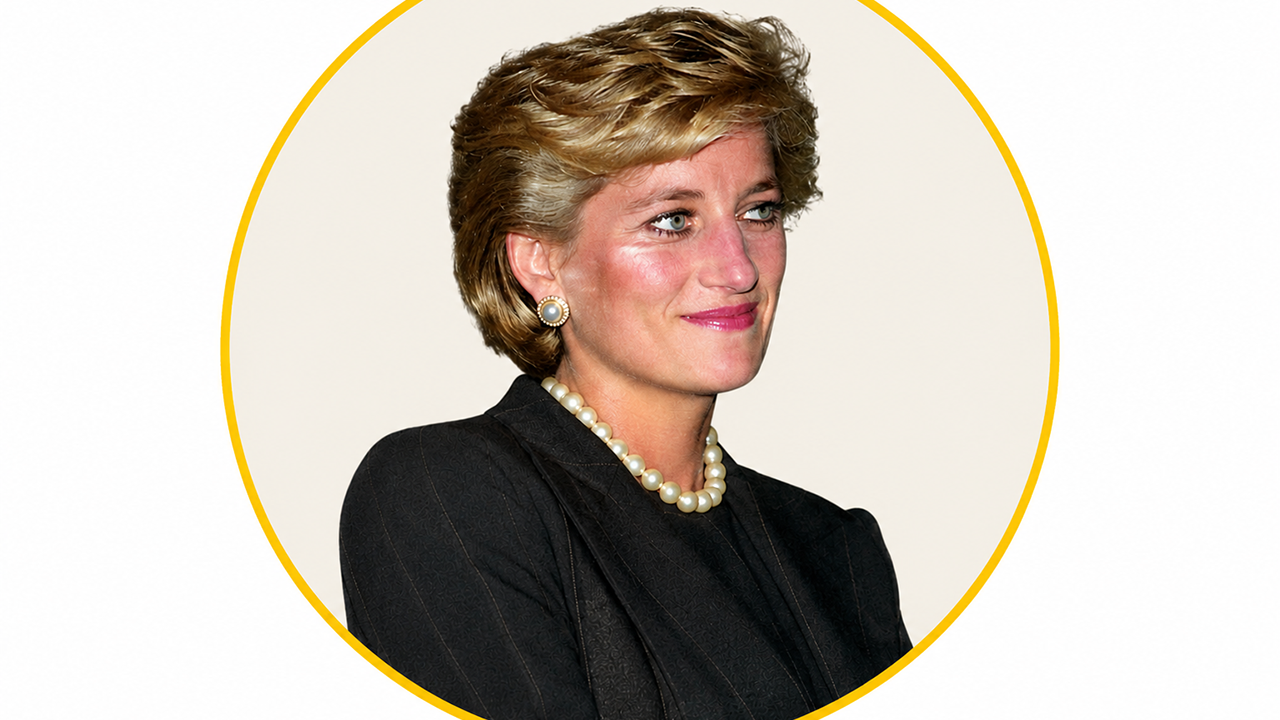

Princess Diana, known for her grace and compassion, had a penchant for simplicity that often extended to her daily routines, including breakfast. In a world filled with lavish meals and extravagant dining, Diana’s choice of morning nourishment was refreshingly straightforward. This seemingly humble breakfast was not only a personal favorite but also reflected her commitment to health and well-being.
Recently, this particular breakfast habit has surged in popularity, becoming a viral trend on social media platforms. Influencers and health enthusiasts alike have embraced the idea, sharing their own versions and creative takes on Diana’s morning ritual. As people increasingly seek convenient yet nutritious ways to kick-start their day, this trend has resonated with many, sparking conversations about wellness, mindfulness, and the legacy of a beloved royal.
The revival of this breakfast choice serves as a reminder that even small habits can have a significant impact on our lives. In exploring the reasons behind its newfound popularity, we delve into the intersection of health, nostalgia, and the enduring influence of Princess Diana, whose legacy continues to inspire generations. Join us as we uncover the fascinating story behind this breakfast phenomenon that has captured hearts around the globe.
Princess Diana: The Woman Behind the Royal Title
Diana Spencer entered royal life when she moved to the Royal Kitchen world as a young woman; she became the wife of Prince Charles, the heir to the throne, in 1981. By the time most of the world knew her face, she was already one of the most photographed people alive. Diana, Princess of Wales, wasn’t just a royal. She was a cultural phenomenon – a woman who managed to be simultaneously untouchable in status and deeply relatable in her humanity.
When her marriage to Prince Charles unraveled and she moved to Kensington Palace on her own terms, something shifted. She had gotten her life back on track, had overcome bulimia, and was determined to eat well. “I want you to take care of all the fats,” she told her new chef, “and I’ll take care of the carbs at the gym.” That quote tells you a lot about who she was becoming in those final years.
Darren McGrady was personal chef to Queen Elizabeth II, Princess Diana, and Princes William and Harry for fifteen years. He had spent eleven years cooking at Buckingham Palace for the Queen and the Duke of Edinburgh before making the move to Kensington. In 1993, he moved to Kensington Palace as Royal Chef to Princess Diana, until her tragic death in August 1997. His memories of those four years have become some of the most vivid firsthand accounts of what Diana’s private life actually looked like – including what she chose to put on her plate.
Gone were the grand banquet tables. Diana preferred a round table that sat ten people so she could connect with everyone she ate with. If she was on her own for lunch, she’d eat in the kitchen on the countertop. It was a small but telling detail. Here was a woman who, by every institutional measure, could have demanded the most elaborate dining setup imaginable, and she chose to sit at the counter.
Being Royal Comes With an Unspoken Weight
The British Royal Family has always operated under a code of conduct that extends well beyond public appearances. How a royal looks, what they eat, how much they weigh – all of it has been historically subject to a level of scrutiny that most people will never experience. For Diana, that scrutiny was relentless and, at times, genuinely damaging.
With the fixation on thinness and diet culture that dominated the 1980s and 1990s, Diana lived permanently in the public eye and became a victim of a culture in which tabloids mercilessly scrutinized her every move. The media turned her into a caricature, commenting on her weight, clothes, and posture. That constant objectification compounded her insecurities and created conditions that were conducive to eating disorders.
Diana later opened up about her struggles with bulimia, which began after her engagement, partly triggered by comments made by Prince Charles regarding her body. She spoke about it publicly – which, in the early 1990s, was a radical act in itself. Her candor about bulimia helped lessen the stigma associated with the illness, and her characterization of it as a “release valve” for emotional distress helped clarify its psychological origins and initiated broader discussions about the social pressures that contribute to such conditions.
For more on the lesser-known side of Diana’s story and the realities behind the royal image, these uncommon photos of Princess Diana capture a side of her that formal portraits never quite could.
After splitting from Prince Charles in 1992, Diana embarked on a healthier and more sustainable lifestyle. McGrady later recalled in an exclusive interview: “By the time I moved to Kensington Palace, the Princess had already confronted the bulimia and talked about it in the hope that other people would do the same. She got her life back on track. She was working out at the gym every day, looking the best she ever did. She had changed – she was now a healthy eater.”
Because she was worried about her figure and recovering from bulimia, she asked McGrady to serve her mostly a vegetarian diet and create fat-free versions of British comfort foods. She preferred fish and stuffed bell peppers, and she never ate red meat. Meals at Kensington weren’t about luxury for its own sake. They were about feeling strong and well in a life that had, for a long time, not felt that way.
The Breakfast That Came From a Swiss Clinic
Which brings us to the oats. Specifically, a bowl of oats that had been soaking overnight in orange juice, combined the next morning with Greek yogurt, lemon juice, honey, grated apple, blueberries, walnuts, and a dusting of cinnamon. Diana discovered this at a Swiss health clinic, where it was served under its original name: Bircher Muesli.
Originally known as “Apfeldiätspeise” – German for “apple diet meal” – Bircher Muesli was developed around 1900 by Swiss physician Maximilian Oskar Bircher-Benner and was served as an easily digestible dinner at his “Lebendige Kraft” (living strength) sanatorium in the hills above Lake Zurich. It was part of his raw food diet, which he used to treat his own jaundice as well as the stomach problems of his patients, who included celebrities such as Thomas Mann and Hermann Hesse.
The original preparation was to soak the oats in water overnight and eat them the next morning with fresh apple, nuts, lemon juice, and sweetened condensed milk. That’s recognizable. That’s essentially what you’re making when you prep your overnight oats on a Sunday evening. The mason jar is different. The aesthetics are different. The actual recipe? More or less the same idea that a Swiss doctor was giving to patients in 1900.
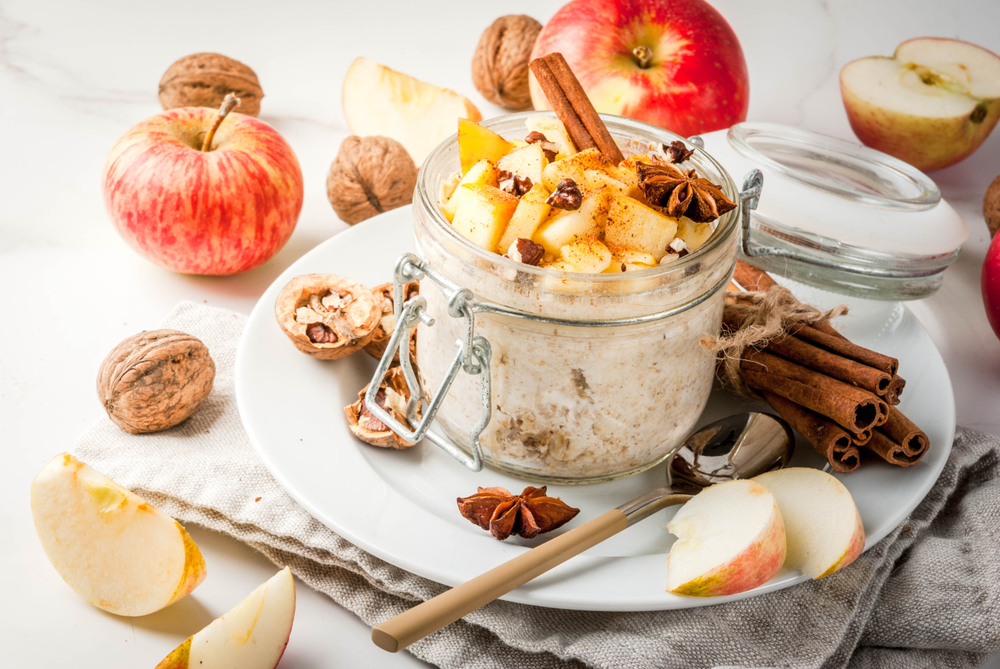
While long popular in Europe, muesli grew more popular in the UK and United States in the 2010s as “overnight oats,” largely because of its ease of preparation, good taste, and potential health benefits. According to Google Trends data, searches for overnight oats started rising around 2012, and by 2024, overnight oats had become the 4th most googled recipe globally. Diana was eating this breakfast in 1993. She was twenty years ahead of the trend.
What McGrady has shared about that breakfast is one of the more quietly charming details to emerge from his time at Kensington Palace. According to The Royal Chef, McGrady has described making double portions of the recipe – because it was so good that he kept some back for his own breakfast after he’d prepared Diana’s.
Why This Breakfast Actually Works
The modern overnight oats craze isn’t just aesthetics. There are real reasons the format endures, and they track closely with why Diana’s Bircher Muesli was considered health food in the first place.
Eating overnight oats offers several benefits: they’re packed with fiber, vitamins, and minerals from oats, fruits, and nuts. The complex carbohydrates provide a steady release of energy throughout the morning. The fiber content supports digestive health, helps with satiety, and oats contain beta-glucans, which may contribute to heart health by helping to lower cholesterol levels.
The soaking process also plays a role. Overnight oats are made by soaking oats in liquid overnight, typically in the fridge, and the soaking process softens the oats, creating a creamy, pudding-like consistency by morning. They’re nutritionally comparable to, and in some ways superior to, traditional hot porridge, because the oats remain raw and don’t lose nutrients through a cooking process.
The version Diana ate – soaked in orange juice rather than milk or water, mixed with Greek yogurt, topped with fruit and nuts – is actually closer to the original Bircher Muesli format than most of what people post on TikTok. Cafes and chefs in the English-speaking world often use the label “Bircher muesli” to distinguish their dishes from the store-bought variety, indicating the dish has been prepared in a manner based on the original recipe – with grated fresh apple, lemon juice, cream and honey – rather than just being poured from a packet.
Diana’s version went further, adding blueberries for antioxidants and walnuts for healthy fats, transforming the original Swiss recipe into something that would look entirely at home on a modern wellness blog. The difference is that she was doing it in 1993, out of genuine choice, not content strategy.
Read More: Princess Diana and Prince Charles: One Strange Detail
What This Means for You
The overnight oats trend isn’t going anywhere. Overnight oats resurfaced as a wellness ritual in the early 2010s, and throughout the early 2020s, the category split into two lanes: aesthetic direct-to-consumer blends built around lifestyle and flavor, and retail-ready cups designed for convenience. You can buy them pre-packaged, order them in cups, and find them on café menus with more iterations than you can reasonably count.
But the simplest version – and the one closest to what both Dr. Bircher-Benner prescribed and Diana actually ate – requires almost nothing. Roll oats soaked in liquid overnight in the fridge. Add fruit, nuts, and a touch of something sweet in the morning. Eat within a few minutes of waking up. A useful tip: prepare it the day before, put it in the fridge, and enjoy it the next day – which is, of course, the entire point.
If you’re a busy parent looking for a breakfast that takes two minutes to assemble the night before, requires zero cooking, and keeps you full until lunch, this is about as practical as it gets. The fact that a princess was eating it before most people had heard of it isn’t a marketing hook. It’s just a good reminder that genuinely nourishing food rarely needs rebranding to stay relevant. It just needs time.
AI Disclaimer: This article was created with the assistance of AI tools and reviewed by a human editor.