
Religion is supposed to be woven into the architecture of American life. It’s in the national motto, in the oaths of office, in the cadence of weddings and funerals and holidays. For most of the twentieth century, the local church or synagogue or mosque was also a social institution, a neighborhood anchor, a place you went because not going required an explanation. The assumption was that faith and physical community were inseparable. You practiced your religion by going somewhere.
That assumption has cracked, quietly and significantly, over the course of one generation. Religious practice at home – at the kitchen table, on a phone app, in the ten minutes before the house wakes up – is no longer a backup plan for people who missed Sunday service. For tens of millions of Americans, it has become the primary form that faith takes.
The reasons behind this are tangled up with technology, trust, trauma, generational change, and a profound reordering of what people think spirituality is actually for. Here are ten of them.
1. Church Attendance Has Been Declining for Over a Decade
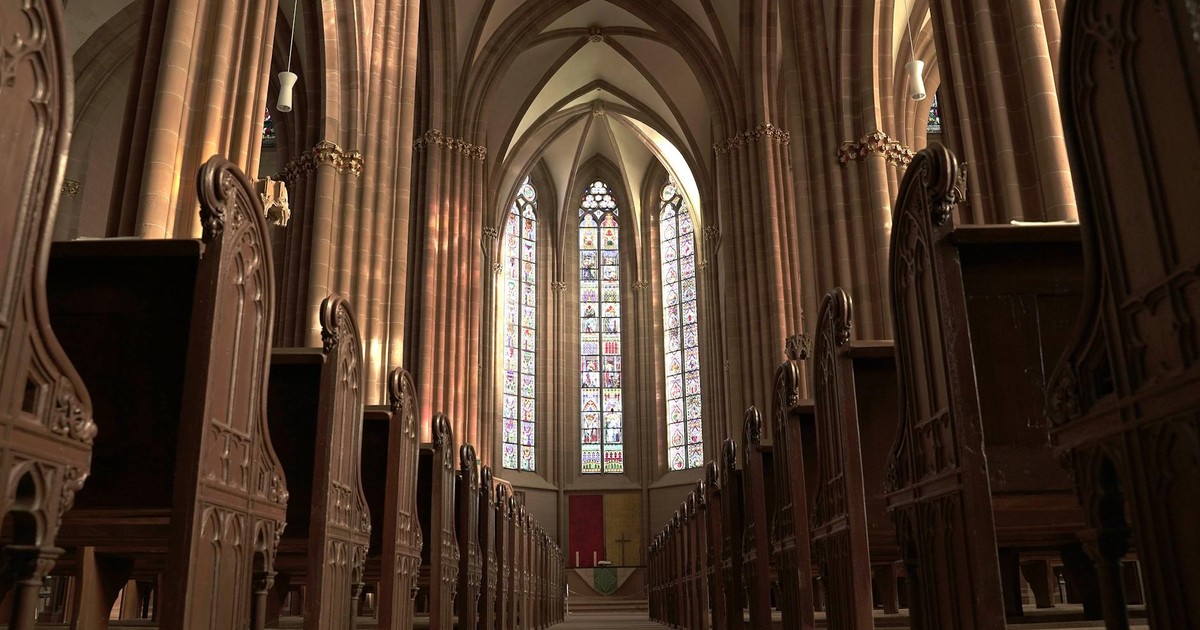
The numbers are not ambiguous. According to the 2025 PRRI Census of American Religion, just 26% of Americans attend church weekly – a figure unchanged from 2024 and down from 31% in 2013. The share of Americans who seldom or never attend religious services has climbed substantially, from 42% in 2013 to 53% in 2025. More than half of Americans now have no regular connection to a physical house of worship, which means the majority of whatever spiritual life they have happens somewhere other than a pew.
This is not a blip or a post-pandemic hangover. It is the continuation of a long-running trend that researchers have been documenting for years. There is little evidence that Americans are returning to church in higher numbers. Over the past decade, religious service attendance has declined, with fewer Americans saying they attend at least once a week and more saying they seldom or never go.
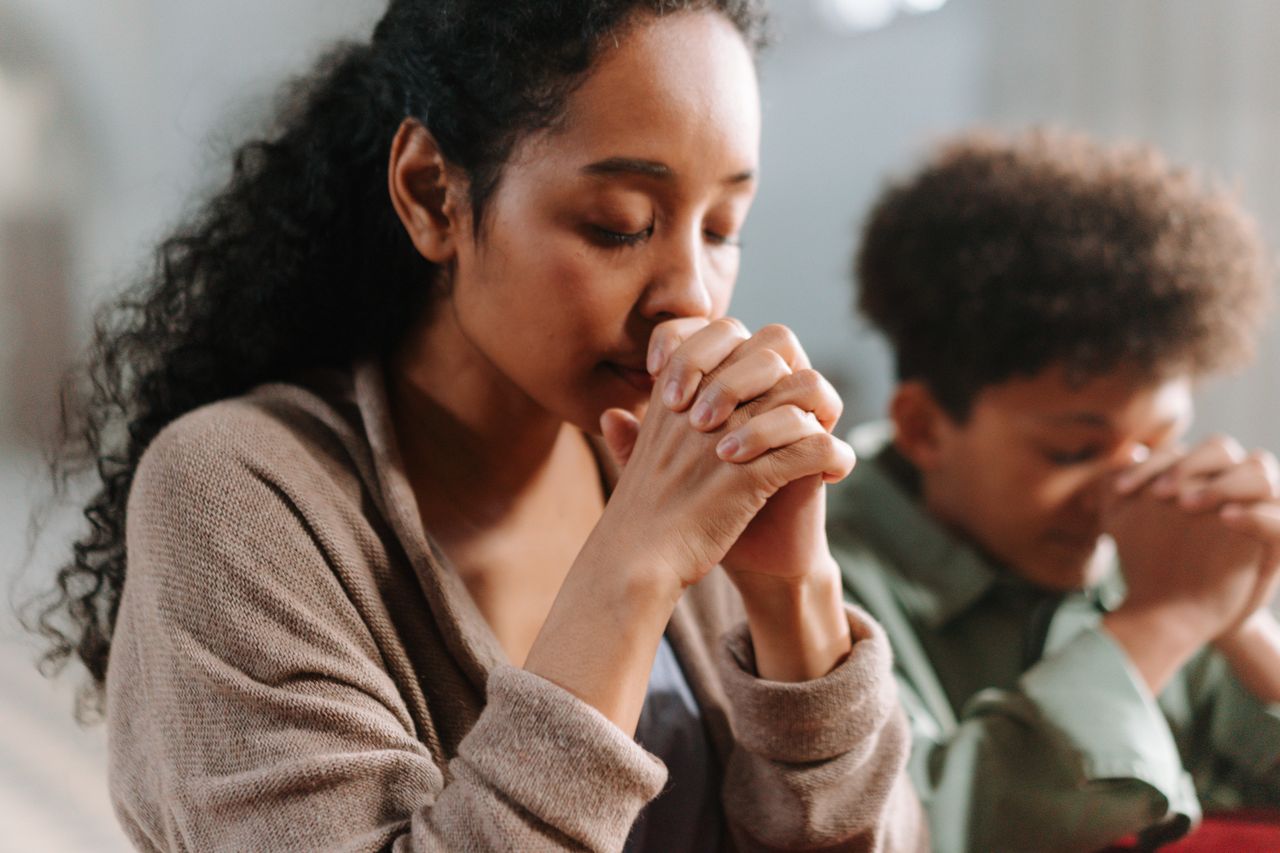
The practical consequence of all this is straightforward: tens of millions of Americans who still identify with a faith tradition, who still believe in something, who still pray, read scripture, or observe religious holidays, are doing so entirely outside the walls of any institution. Religious practice at home has not replaced church attendance as a lesser substitute. For many, it has simply become the default form that faith takes.
2. A Third of Americans Are “Spiritual But Not Religious”

One of the most consequential changes in how Americans describe themselves has been the widespread adoption of a phrase that would have confused previous generations: spiritual but not religious. It is a category that manages to hold genuine belief while declining institutional affiliation, and it has become surprisingly mainstream. According to Gallup, slightly less than half of U.S. adults describe themselves as religious, while 33% say they are spiritual but not religious and 18% are neither.
That 33% figure is not a fringe position. It represents roughly 85 million adults who have not abandoned the idea of a transcendent reality, who may pray, meditate, observe personal rituals, or hold strong convictions about what happens after death – they have simply decided that a Sunday morning congregation is not the right container for those convictions. The reasons vary wildly from person to person: an experience that felt exclusionary, a theology that felt incompatible with lived experience, a schedule that never quite allowed for it, or simply the gradual realization that the faith they practiced at home felt more honest than the faith they performed in public.
What this group reveals is that the lines between “religious” and “secular” are much blurrier than the institutional numbers suggest. Belief in God, in souls, in something beyond the material world, persists across demographic categories even as affiliation drops. According to Pew Research’s 2023 Spirituality Among Americans study, 83% of all U.S. adults believe people have a soul or spirit in addition to their physical body, and 81% say there is something spiritual beyond the natural world, even if we cannot see it. You don’t need to be in a building to hold those convictions.
3. Streaming Has Made the Church Service Available Everywhere

The technology that made it possible to watch live sports, attend a concert virtually, and stream a Broadway show into your living room did the same thing for religious services, and the adoption was faster than most denominations expected. Overall, 16% of U.S. adults say they watch religious services online or on TV at least once a week. That represents tens of millions of people who are participating in structured worship without physically entering a church building.
The pandemic accelerated this enormously, but the habit stuck. What churches discovered, often uncomfortably, is that once you remove the commute, the parking, the social obligation, and the performance of attendance, many of their congregants prefer the version they can experience from their couch. Sermons from pastors they had never heard of became weekly fixtures. People began attending the church whose teaching resonated rather than the church closest to their house. The geographic monopoly of the local congregation effectively ended.
For families with young children, this development deserves more credit than it usually gets. Getting an entire family dressed, fed, strapped in, and through a church door before 10 a.m. is an endeavor that requires a level of logistical coordination most military operations would respect. A streamed service, watched in pajamas while someone makes eggs, removes roughly half the friction and preserves the actual content. This is not laziness – it is a rational response to a changed environment.
4. Daily Prayer Persists, Even as Pews Empty

Here is what makes the American religious picture genuinely interesting rather than simply depressing: the things people do alone have held up far better than the things they do together. Pew Research’s 2025 Religious Practices study found that 44% of Americans pray each day – a substantial decline from 58% in 2007, with most of the drop occurring between 2015 and 2021. That decline is real, but consider the comparison: weekly church attendance sits at 26%, while daily personal prayer sits at 44%. The private practice is nearly twice as common as the public one.
This gap tells you something important about where American religiosity has actually migrated. Prayer is the most portable religious practice that exists. It requires no building, no schedule, no community, and no membership. It fits into a car commute, the space between children’s bedtimes, the thirty seconds before a difficult conversation. For many Americans, it has become the primary, and sometimes only, point of contact between their daily lives and whatever they believe about the sacred.
The persistence of daily prayer is also a rebuke to the narrative that declining church attendance means declining faith. Some of the people who have left institutional religion are entirely secular. But many of them are still talking to God every morning. They have simply concluded that those two things can be separate.
5. Institutional Distrust Has Reshaped Where People Turn
The decades of sexual abuse scandals in the Catholic Church, well-documented financial impropriety across multiple denominations, and the increasingly visible entanglement of certain religious bodies with partisan political movements have collectively done something that no secular critique of religion ever quite managed: they made the institution itself feel like the problem. For people who wanted to keep their faith while losing their trust in organized religion, the solution was to relocate faith to somewhere that felt less contaminated. Home was the obvious answer.
A top reason why religiously unaffiliated Americans report leaving their childhood religion is the religion’s teachings about LGBTQ people, cited by 47% of the unaffiliated, up from 29% in 2016. Add to that the broader cultural alienation felt by congregants who watched their church leadership align with political figures or causes they found incompatible with their faith, and the exit from formal institutions starts looking less like apostasy and more like a reasonable response to an institution that no longer looked the way they thought it should.
The important distinction is that most of these people did not leave their beliefs at the door on the way out. They left the institution. The religious practice at home that follows – morning devotions, grace at dinner, scripture reading with children, personal prayer – often carries the same content as what was happening in a building. The building just stopped feeling like a trustworthy home for it.
6. Spiritual Apps and Digital Tools Have Built New Rituals
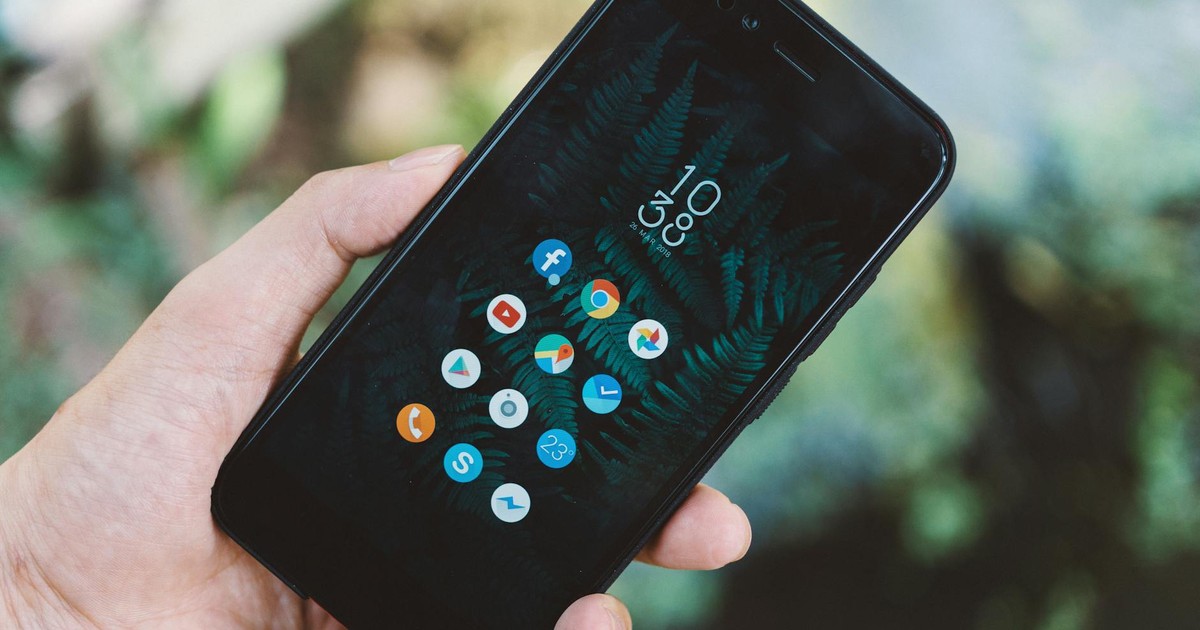
The proliferation of apps dedicated to prayer, Bible study, meditation, and spiritual formation is not a small or peripheral development. It represents the successful digitization of religious practice in the same way that streaming services digitized entertainment – and it has made daily engagement with faith material accessible at any hour, without a class, a congregation, or a pastor.
Bible apps have accumulated enormous download numbers, and the Catholic prayer app Hallow – which offers guided rosaries, Examen prayers, and sleep meditations rooted in Christian tradition – passed 25 million downloads by 2024 and raised $50 million in its Series C round, a signal that investor money now recognizes this space as genuinely large. These platforms are not replacing theology; they are lowering the activation energy required to practice it. The person who would never have set an alarm to drive to a 6 a.m. prayer service will open an app before getting out of bed. The ritual is the same. The wrapper is different.
For parents especially, these tools have created a new category of family religious practice. Bible story apps, children’s devotional podcasts, and guided family prayer tools mean that a parent can orchestrate a five-minute spiritual practice at the dinner table without any prior preparation. The kitchen table has always been a sacred space in domestic life. The apps just gave it a more explicit liturgy.
7. Meditation and Contemplative Practice Have Gone Mainstream

The line between spiritual meditation and secular mindfulness has always been blurrier than wellness marketing suggests, but the numbers around contemplative practice make one thing clear: Americans are sitting with the transcendent at record rates, and most of them are doing it at home. Roughly four-in-ten Americans meditate at least a few times a month, including 22% of U.S. adults who meditate mainly to connect with their “true self” or with something bigger than themselves.
The rise of meditation in the U.S. cuts across religious and secular lines in ways that institutional categories struggle to capture. An evangelical Christian who does a daily centering prayer practice, a Catholic who attends a Zen retreat, a thoroughly secular person who finds something she can only describe as sacred in twenty minutes of silent sitting – these experiences don’t fit neatly into surveys about religious affiliation, but they represent a genuine and widespread engagement with what most traditions would recognize as contemplative practice.
What this also represents, in aggregate, is an enormous amount of religious and quasi-religious practice happening in private homes. The living room, the spare bedroom converted to a reading nook, the backyard at dawn – these have become the sanctuary for a significant portion of American spiritual life. Not because people have given up on the sacred, but because they have discovered that it travels.
8. Family-Centered Faith Formation Is Reshaping How Children Learn Religion
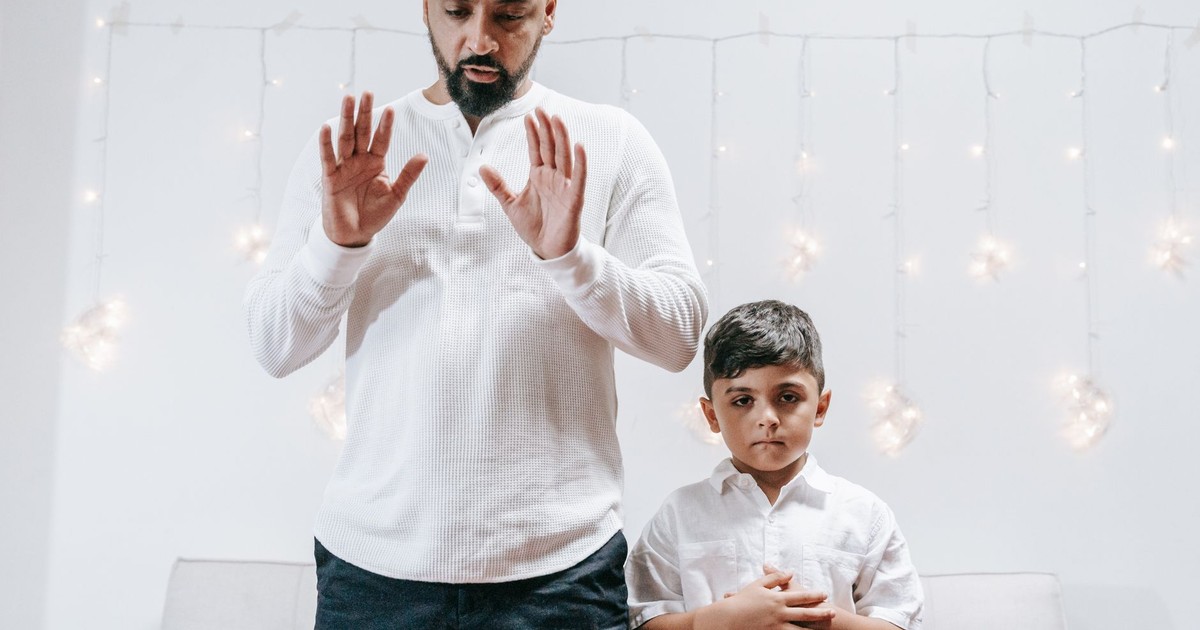
The older model of religious education – drop the child off at Sunday school, let the church professionals handle doctrinal formation, collect them after the Christmas pageant – has been replaced in many families by something more intentional and more home-based. Some of this is driven by the departure from institutions described above; if the parents aren’t going to church, neither are the children, which means that whatever religious formation happens will happen at home or not at all.
Parents are, by substantial evidence, the single greatest influence on whether a child ultimately holds religious beliefs as an adult. The conversation at the dinner table, the prayers before bed, the way a parent responds to death, loss, or injustice through a religious lens – these experiences outweigh almost anything a religious educator can provide in an hour on Sunday morning. What this means practically is that the living room has always been the most important religious education classroom. The current moment has simply made this obvious rather than incidental.
Families who practice religious observance at home – Sabbath dinners, Advent reading, Ramadan practices, daily blessings – are engaging in something that has deep historical roots in virtually every faith tradition. Long before purpose-built religious buildings existed, religious practice at home was simply how religion worked. The building came later. The hearth came first.
9. Young Women Are Leaving at Rates That Will Reshape the Future

The generational story of American religion has always been told primarily as a story about young men drifting away. The newer data complicates that significantly. The percentage of young Americans who are religiously unaffiliated moved from 38% in 2024 to 39% in 2025. When you break that down by gender, the picture is sharper. Young women have steadily grown less likely to identify with a religious tradition since 2013, when 29% identified as religiously unaffiliated. By 2025, that figure reached 43%, compared to 35% of young men.
Young women have traditionally been the religious backbone of American congregations – the Sunday school teachers, the prayer group organizers, the ones who kept the social infrastructure of faith communities running. Their departure from institutions does not necessarily mean a departure from faith altogether, but it does mean that faith, when it persists, is increasingly happening outside the walls of churches that those women no longer feel welcome or seen within. A 2024 study by the Survey Center on American Life found that nearly two-thirds of young women ages 18 to 29 say churches do not treat men and women equally.
That perception has consequences that extend beyond individual affiliation. Women are still more likely than men to report engaging in private prayer and spiritual practice. The religious practice migrates home. It just does so without a membership count or an attendance record to reflect it.
10. A Hybrid Faith Has Become the New Normal
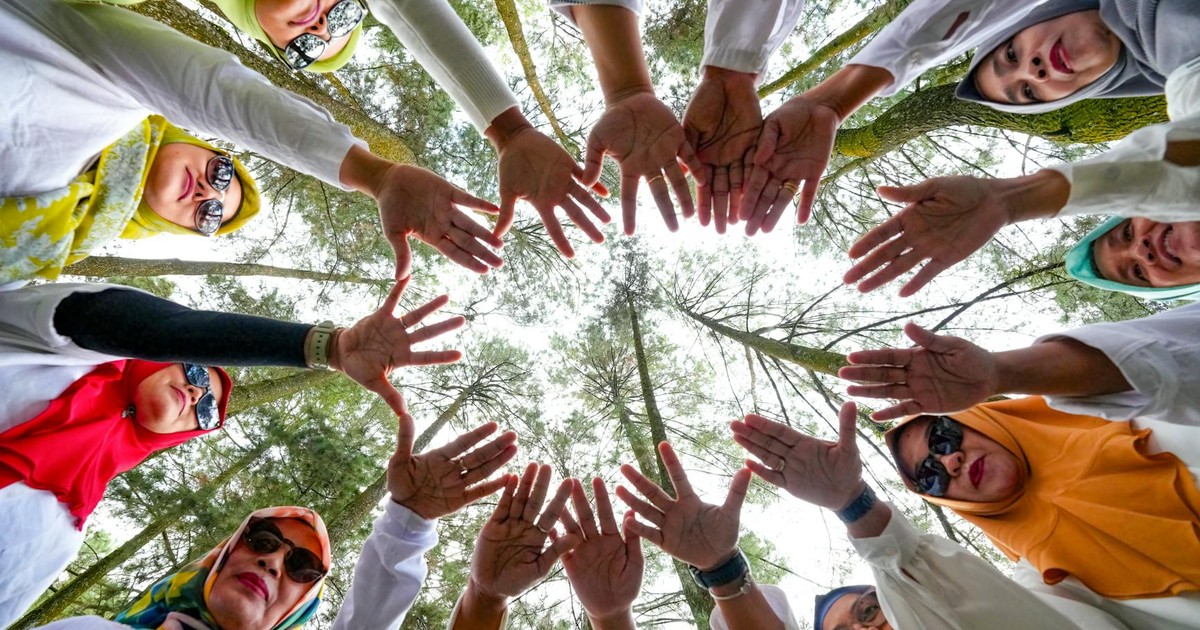
The binary that structured American religious life for most of the twentieth century – you either belonged to a congregation or you were secular – has largely dissolved. What has replaced it is something messier, more personal, and harder to categorize: a hybrid approach to faith in which a person might stream their home church’s service online once a month, light Shabbat candles on Friday evenings whether or not they identify as observant, follow an Advent reading plan on an app, pray daily, attend Christmas and Easter services, and describe themselves as “spiritual but not religious” when asked directly.
This hybrid model of religious life is not confusion or half-heartedness. For many people, it is a considered response to the genuine complexity of their beliefs and the imperfect fit between those beliefs and available institutions. Overall, 70% of U.S. adults can be considered “spiritual” in some way, because they think of themselves as spiritual people or say spirituality is very important in their lives. That 70% does not attend church at anywhere near the same rate. The gap between spiritual orientation and institutional participation is where most of American religious life now lives.
The home has absorbed much of what the church building used to hold: the daily rhythms of prayer, the teaching of values to children, the observation of seasons and holy days, the moments of gratitude and petition and silence. This has not happened because Americans became less serious about what they believe. In many cases, it happened because they became more serious – serious enough to refuse the version of it that no longer rang true.
What the Archive Holds
What is happening is not the death of American religion. It is a reorganization of where religion lives. The archive of belief doesn’t disappear when the building empties. It moves – into kitchens and bedrooms and phone apps and Tuesday morning prayers that no one else ever sees.
That can feel like loss, and sometimes it is. The communal dimensions of faith – the singing together, the shared rituals, the physical presence of other people in moments of grief and celebration – don’t fully survive a move to the private sphere. Something real is missing when faith becomes entirely individualized. The pew isn’t just furniture; it’s the person sitting next to you when you can’t hold the weight of something alone. Home practice, however sincere, can’t always replicate that.
And yet what is also true is that millions of people who walked away from institutions did not walk away from the things those institutions were, at their best, meant to point toward. They took those things home. Whether home is a sufficient container for them over the long run is a question the data can’t answer yet, and probably won’t be able to for another generation. The numbers track attendance and affiliation and prayer frequency. They don’t track the person on her kitchen floor at 6 a.m., coffee going cold, doing the thing she’s always done – just somewhere different now. For now, the candle is lit. It just isn’t in the window of a church.
AI Disclaimer: This article was created with the assistance of AI tools and reviewed by a human editor.