

The first thing most people assume about assisted living is that it’s a step down – fewer choices, more supervision, life managed rather than lived. Anita LeBrun, 82, was busy proving otherwise on Tuesday and Friday afternoons at Amira Choice Champlin in Minnesota, where happy hour meant wine, snacks, music, and enough conversation to carry her through the rest of the week. Then someone found out those afternoons were technically illegal.
Not the drinking. Residents could pour their own glass in their rooms. It was the serving that ran into Minnesota state law. Amira Choice Champlin couldn’t legally serve its residents alcohol without an additional liquor license, and when the facility wanted to hold a sparkling wine celebration in 2025, it discovered the event wasn’t permissible. The existing licensing categories were designed for bars and restaurants, not for a community room full of people who had collectively survived more decades than most institutions stay standing.
LeBrun had moved into Amira Choice with her husband Richard. He died of stomach cancer five months after they arrived, and those Tuesday and Friday afternoons became something more than a routine. They were keeping her whole. Her response to learning they were illegal was not to shrug and start keeping a personal bottle in her room. Her response was to go to the state legislature and change the law.
From the Committee Room to the Governor’s Desk
LeBrun told the House Commerce Finance and Policy Committee: “Just because we’re older and live in assisted living doesn’t mean that we should have fewer freedoms than anyone else.” She wasn’t there once. The 82-year-old testified before lawmakers twice, helping pave the way for a new law nicknamed the “Grandparents’ Happy Hour.”
She didn’t go alone. Abigail Dahl, the executive director of Amira Choice, testified alongside LeBrun and told legislators: “Assisted living and nursing home dining operations are already operating under a comprehensive public health regulatory framework designed to prevent foodborne illness and protect residents. Requiring a liquor license is simply red tape without value.”
On April 13, the Minnesota House of Representatives passed SF 2511/HF 2027, the omnibus liquor bill, on a 129-1 vote after minimal debate. A day later, the Senate took it up and passed it on a vote of 56 to 10. One dissenting vote in the House, across both chambers.
Governor Tim Walz held a ceremonial bill signing at LeBrun’s assisted living facility, where the two shared a toast to mark the occasion.
What the Law Actually Does
The Minnesota Department of Public Safety confirms that Minnesota passed a law allowing nursing homes, boarding care homes, and assisted living facilities to serve alcohol without needing a liquor license or permit, effective August 1, 2026. The mechanics are specific. Facilities must complete a registration form if they intend to serve alcohol to residents. Other elements include allowing inspections by law enforcement, including Alcohol and Gambling Enforcement agents; serving alcohol only at activities or events primarily for residents and their invited guests; and not selling alcohol.
The bill does not require any facility to allow alcohol, leaving the decision up to individual operators. No one is being forced to run a happy hour. Facilities that prefer not to are entirely within their rights. The point was never to mandate wine – it was to remove the bureaucratic wall between residents and a glass of it if they wanted one.
Representative Danny Nadeau (R-Rogers) sponsored the standalone bill, HF4145. He said it would provide a “narrow exception” in the state’s liquor laws for nursing homes and assisted living facilities. The provision eventually traveled as part of the omnibus liquor bill that included a broader range of alcohol-related policy changes – special licenses for theaters, museums, universities, and event spaces – but the retirement home happy hour provision was the one that made national news.
The Surprise on the TODAY Show
The law took effect on August 1, 2026. Several weeks later, LeBrun was on national television. Sheinelle Jones and Craig Melvin honored LeBrun in person with a toast of their own on TODAY, clinking glasses with the grandmother of five after she received a generous pour of her favorite Barefoot pinot grigio. Her response to the size of the pour was immediate: “You don’t want to carry me out,” she joked after holding up her goblet-sized wine glass.
She has five grandchildren. She had 59 years of marriage to a man who drank a beer or a vodka tonic while she ordered white wine. She moved into an assisted living facility, watched her husband die, and found her way back through a community that knocked on her door for bingo, gardening club, and, on Tuesday and Friday afternoons, happy hour. She then testified in front of state lawmakers, twice, until the law caught up with the life she was already living.
Before the House Commerce Finance and Policy Committee, LeBrun said: “My friends and I love happy hour, just like many of you do, I am sure. Over a shared drink, we get to reminisce about parts of our lives, military service, raising a family, the loss of a friend, and celebrating the golden phase of our lives too.”
She did not say “happy memories” or “the good old days.” She included grief in the list of things that belong at the table.
Why the Social Part Matters
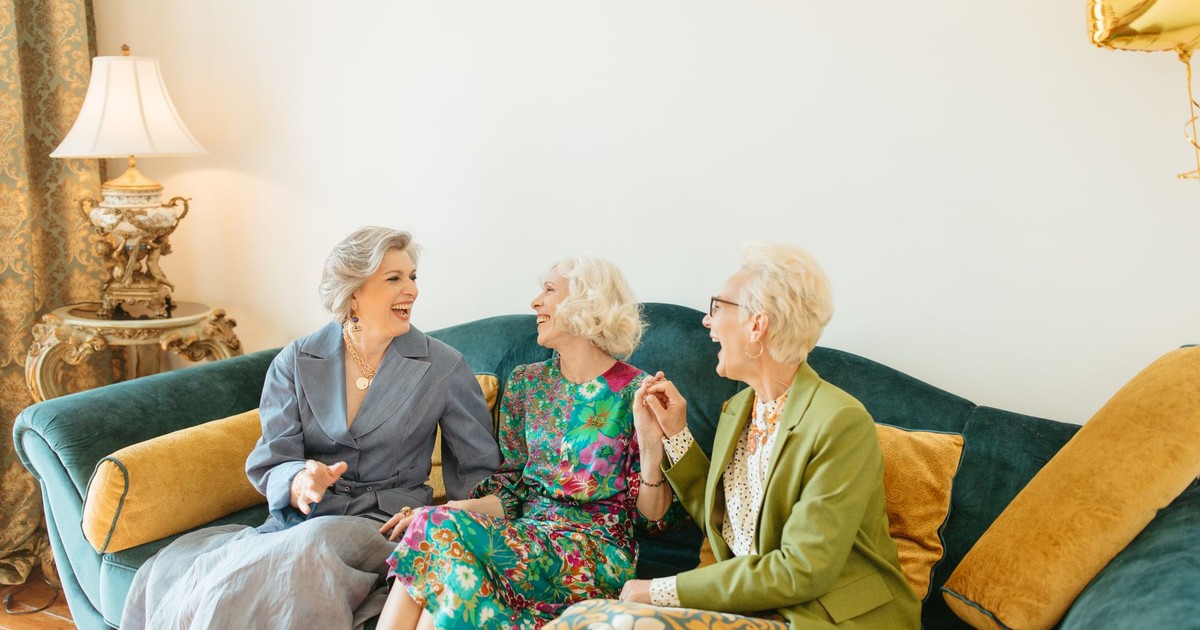
There’s a tendency to treat the social rituals of older adults – the bingo, the tea time, the Friday afternoon wine – as quaint. Nice-to-haves. The kind of thing that can be regulated away without real consequence. The research says otherwise.
Thomas Cudjoe, an assistant professor of medicine at Johns Hopkins School of Medicine, has spent years studying what social isolation does to older bodies and minds. His research found that roughly 1 in 4 people over 65 are socially isolated, and that isolated individuals face higher risks of negative cardiovascular outcomes, functional limitations, and cognitive health consequences, including a 27% higher risk of developing dementia over a nine-year study period.
For someone who has lost a spouse, who has limited mobility, who lives in a facility rather than a neighborhood – the structure of daily community is not an amenity. It’s infrastructure. LeBrun’s happy hour was doing real work, every week, in the exact way the research says social engagement needs to do it: regularly, with the same people, built into the rhythm of the day rather than left to chance.
Cudjoe’s team also found that social isolation was associated with a 27% higher risk of dementia over a nine-year study period. A happy hour is something that can be done.
What LeBrun Said She Was Fighting For
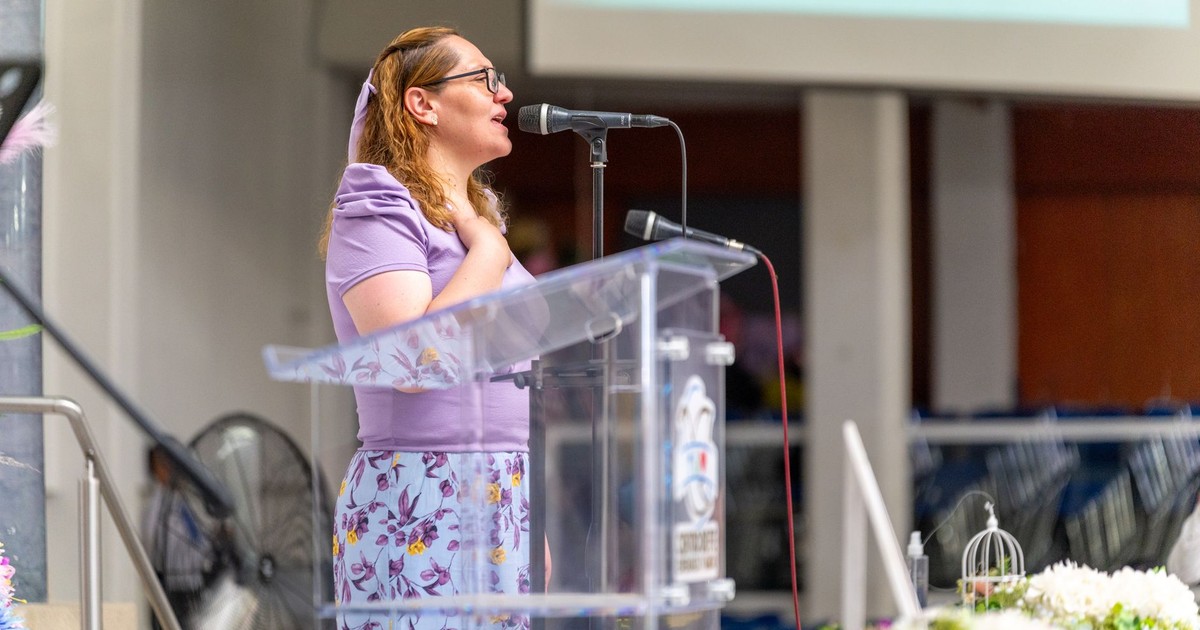
In interviews leading up to and following the bill’s passage, LeBrun was consistent about what the whole effort meant to her. It wasn’t primarily about wine, though she is not pretending she doesn’t enjoy a glass of pinot grigio at 5 o’clock. It was about what the wine represents. Earlier in the process, LeBrun told the state’s Senate Commerce Committee that living in an assisted living facility “doesn’t mean that we should have fewer freedoms than anyone else.”
The argument she was making is not complicated: the address changes, the freedoms shouldn’t. Moving into a facility because your body requires more support than an independent household can provide is not a forfeiture of personhood. It is a practical decision, and it should come with the same right to share a drink with a friend that everyone else takes for granted on a Friday afternoon.
The League of Minnesota Cities reported that the bill expands local licensing authority and formally allows assisted living facilities to serve alcohol without a license. LeadingAge Minnesota, an industry group representing senior living providers, said in a statement: “Ultimately, the ‘free the happy hour’ bill is about restoring a fundamental expectation – that moving into a senior living community does not mean giving up one’s autonomy.”
LeBrun put it more simply. She said happy hour is “connection, laughter, sharing stories from our lives. It brings friends together and helps make everyday moments special.” The legislature, almost unanimously, agreed.
What This Is Really About
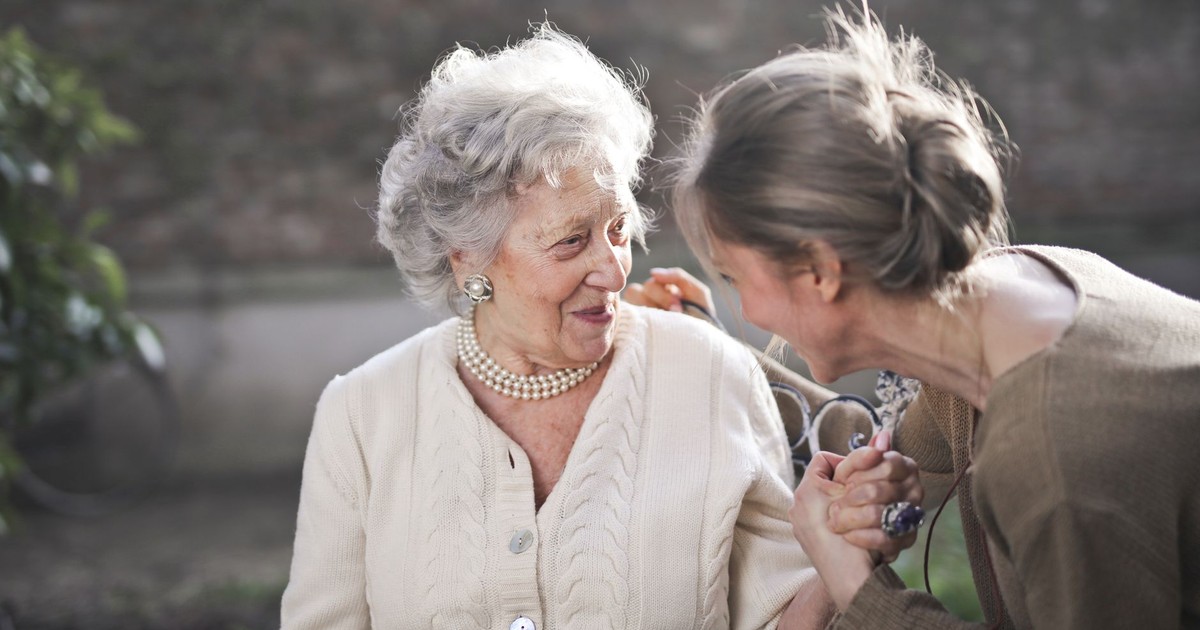
Anita LeBrun went to the Minnesota state legislature because a planned sparkling wine toast at a facility remodel party got shut down by a licensing gap. But somewhere between that first moment of frustration and standing in front of a legislative committee to talk about military service and losing friends, the thing she was fighting for got larger.
She was fighting for the right of older adults to be treated as people who still have a life happening – not a life winding down under managed conditions, but a real one, with routines and friends and a drink at the end of the week that means something. The bureaucratic obstacle she ran into was real, but what it represented was the broader habit of treating senior living facilities as clinical environments where the ordinary textures of daily life get quietly stripped away in the name of compliance.
The bill passed 129 to 1. The governor came to her facility to sign it. She toasted him with alcohol-free sparkling wine at the ceremony, then arrived on national television after the law took effect to do it again with a proper glass of Barefoot pinot grigio.
Disclaimer: This information is not intended to be a substitute for professional medical advice, diagnosis, or treatment and is for information only. Always seek the advice of your physician or another qualified health provider with any questions about your medical condition and/or current medication. Do not disregard professional medical advice or delay seeking advice or treatment because of something you have read here.
AI Disclaimer: This article was created with the assistance of AI tools and reviewed by a human editor.