

A strange case out of Italy has left a lot of people talking. A 56-year-old man spent three years pretending to be his dead mother so he could keep collecting her pension. The story feels almost unreal at first read. It blends sadness with a bit of dark humor and a lot of confusion about how something like this happens. Yet the core of it is a serious situation. Investigators linked the act to pension fraud in the very first reports, which placed the entire case under heavy scrutiny.
As details came out, people struggled to understand why anyone would go to these lengths. Some said the man must have felt cornered by life. Others believed he got lost in a strange mix of fear and denial. Whatever the reason, the outcome is the same. A quiet home in a small community hid a secret no one noticed for years. Neighbors had no clue. Officials barely suspected anything until his disguise began falling apart right in front of them. There is something tragic about it, and also something oddly theatrical, which is maybe why many compared it to a twisted version of a movie scene.
The “Mrs. Doubtfire” Style Disguise
When pension staff asked for an in-person visit, everything escalated. The son knew he could not cancel it without drawing attention, so he did something no one expected. He dressed up like his mother. Officers said he used a wig, glasses, light makeup, and one of her old cardigans. Some reports mention he walked with a shaky posture and spoke in a soft, quivering voice. He tried to mimic her movements, but it did not come across naturally. Even so, he went ahead with the attempt.
The staff said they immediately felt that something was wrong. They noticed that the woman before them moved in a strange way. Her face looked odd, almost painted on. Her signature showed inconsistencies too, and the small behaviors did not match the woman they had interacted with in the past. All these details added suspicion to what might have looked like an ordinary meeting on paper.

Still, the disguise lasted long enough for him to receive several more payments. As reported by Corriere della Sera, investigators calculated he collected around $60,000 across the entire scheme. Many people online said they could not understand how it went on so long, but it is easier to see when you consider how many checks happen through documents and bank transfers. Officials sometimes rely heavily on records, which can be manipulated when someone lives in the same home as the person they impersonate.
Even though the act might sound theatrical, it did not fool anyone for long. The odd behavior during the visit triggered follow-up steps. The disguise itself pushed the situation deeper into pension fraud territory, even if he hoped no one would notice. That is when the officers finally involved the police and let them take a closer look at the situation.
A Disturbing Plan Takes Shape
When an office clerk noticed small things about the customer’s disguise, they became suspicious. Nothing about her account looked chaotic, but something felt slightly off. The office clerk notified the mayor and local police. The clerk then called the man back to come into the registry office, where authorities confronted the man. He then admitted to the disguise and that Graziella was his mother. He gave permission for the authorities to visit his mother’s home. Everything outside looked normal. The garden needed a bit of care. The mailbox had a few letters. It looked like any other home, which made what happened inside much more surprising.

This early stage was the start of what officers eventually called an identity deception scheme. The phrase sounds clinical, yet it reflects how unusual the choices were. Fraud cases come up often, but pretending to be a deceased parent takes the situation into a space most people cannot imagine. Many investigators said the man looked exhausted when questioned. He seemed tired in ways that go beyond normal stress. It shows how long fear can twist a person’s judgment when they feel trapped. This early deception showed signs of a growing pension fraud pattern that investigators later uncovered.
Inside the Home, A Heavy Secret
When police arrived at the house, they tried to keep the visit calm. They asked the son basic questions about his mother’s health. Some answers changed from one moment to the next. Other parts sounded practiced, like he had rehearsed a story too many times. Officers asked if they could speak with her. He said she was resting, then later said she was unwell, then said she had already spoken to someone earlier. The shifting details convinced officers that they needed to investigate further.
They asked to search the house. What they found left them stunned. The mother’s body was inside, in a severely decomposed state. Officers said it was clear she had been dead for quite a long time. They explained that he kept her remains hidden so he could maintain the lie. It is one thing to imagine the disguise, but another entirely to picture someone living with the body of a loved one because they do not know how to move forward.
Police described the home as quiet and neglected. There were no signs of violence. No signs of a struggle. Instead, the environment reflected isolation. It showed someone living in a state of emotional shutdown. Many people reacted with sadness when they learned this. It is always complicated when someone engages in a large-scale benefit scam, but this situation also held a painful personal layer. His grief, fear, and daily denial mixed into a single choice that made everything worse.
How The Scheme Lasted So Long
Once the news broke, the biggest question online was simple. How did he get away with it for three years? The answer is a mix of system gaps and personal circumstances. Pension programs use paperwork first, then sometimes follow up with calls. They do not always require frequent in-person checks, especially when a pensioner has been stable for many years. This created space for the son to use her bank card and continue the payments without anyone noticing.
Neighbors also mentioned that the mother had kept to herself for years. She was not the type to chat on the street or host visitors. Her lack of visibility meant no one grew suspicious when they stopped seeing her. In small communities, that sometimes feels normal. People mind their business, and this time it helped the son pull off something that might have been caught earlier in a different setting.

Image credit: Shutterstock
Investigators admitted the case pointed out areas where oversight could be stronger. Pension fraud like this is rare, but possible when everything lines up in the wrong way. Systems are built on trust, and when that trust is broken, it forces agencies to rethink their procedures.
Community Reaction, A Mix Of Emotions
After the public learned the full story, reactions online became a blend of shock, disbelief, sympathy, and criticism. Many people could not stop discussing the disguise because it was so strange. They said it sounded like something out of a movie, only darker and sadder. Others focused on the loneliness behind the situation. They said the story reminded them that some adults struggle quietly while the rest of the world assumes they are fine.
Neighbors described the man as polite but withdrawn. He kept to himself, never caused trouble, and rarely spoke to anyone. That silence made the situation easy to miss. No one checked on the mother because they had no reason to think something was wrong. Her absence blended into the background of daily life.
This reaction from the community shows how easy it is to overlook people who seem quiet. Many shared that they felt guilty for not checking sooner, even though they were not responsible. The case struck a nerve because it forced people to think about how grief and poverty can mix into something quite tragic.
The Investigation Moves Forward
Police began piecing together the timeline using bank statements, old pension forms, and interviews with neighbors. They traced the last confirmed sighting of the mother and checked video footage from local shops. They analyzed signatures that appeared on documents long after her death. It became clear the son had planned the impersonation with intention, not impulse. He used her old accessories and clothing while practicing her voice. He even attempted her posture during the disguise.

This led investigators to prepare a range of charges. These included pension fraud, identity deception, failure to report a death, and improper handling of a body. Each charge reflects a different part of the scheme, and together they show how far the situation stretched. People online questioned whether his sentencing would consider mental strain, but officials focused on protecting the integrity of public benefits. A government benefit swindle affects taxpayers, which means the law treats the offense as serious.
Even though the investigation looked detailed, officers admitted the emotional weight of the case made it challenging. They could see the strain in the son’s behavior and knew he was not a hardened criminal. They approached the situation carefully, but they also needed to preserve evidence and follow guidelines.
Understanding The Motive
When people heard the financial amount involved, they made quick judgments. Some said he must have been greedy. Others felt he panicked. The truth is likely somewhere in the middle. Losing a parent can trigger intense fear. When someone depends on that parent for stability, the loss can feel like falling through a trapdoor. The son probably feared eviction or homelessness. He may have believed he had no one to help him. That fear can twist thoughts until even impossible ideas start to appear reasonable.
However, investigators made it clear that planning went beyond fear alone. He had to gather clothing, style the disguise, and practice the voice. These actions show intention, and intention matters when charges are filed. Even so, the motive reveals something deeper. The case exposes the emotional collapse that can happen when someone does not seek help.
How Investigators Pieced It Together
The investigation grew slowly at first. Officers explained that they needed to compare tiny details because nothing about the situation fit a typical pattern. They studied old signatures and compared them to new ones. They checked her doctor appointments to see when she last appeared in person and looked through bank activity to find withdrawals that did not match her health condition during the final year of her life.
These steps helped them understand how the son made the impersonation work. He used her bank card as if nothing had changed. He paid household bills in the same pattern she once used. Investigators said some of these actions created a false sense of normalcy inside the system. On the outside, the house looked stable. On paper, her account looked active. That made early detection harder.

What finally broke the illusion was the combination of several small clues. Officers described it like noticing cracked paint on a wall. One crack looks harmless. Several cracks show a bigger problem behind the surface. The voice, the posture, and the inconsistent documents made that bigger problem clear.
Some investigators spoke in a more reflective tone later on. They said the case reminded them that paperwork does not always tell a complete story. A system can only flag so many things before a human needs to step in and really look.
Public Conversation, Humor Meeting Horror
Once the public heard about the disguise, the internet reacted. Some people joked about the Mrs. Doubtfire comparison. They pictured the famous movie scenes and tried to connect them to the real situation. Others pushed back and said the humor felt wrong. They said a woman had passed away and a grieving son lived with her body. That is not something that fits cleanly into jokes.
This mix of reactions shows how people deal with uncomfortable topics. Some try humor because they do not know what else to do. Others try empathy because they imagine how terrifying that household felt. Neither response is entirely right or wrong. It simply reflects how strange and sad the story is.
Comment sections and discussion threads often pull in both directions. A few readers even admitted they felt guilty for laughing at parts of the story. They said the disguise seemed ridiculous, but the deeper truth felt too heavy to ignore. It proves that some events sit in a space between humor and sorrow, even when we try to keep them apart.
Wider Lessons About Oversight
Although the situation came from one household, it raised questions for many agencies. How do systems confirm that a pensioner is alive and well when so much work happens through digital documents? How often should welfare offices require in-person checks, and how many steps can be added before people feel the system is too strict?

These questions matter because the system exists to protect older adults who rely on stable payments. When someone hides a death, the system loses more than money. It loses trust. Pension fraud like this might be rare, but once it happens, agencies need to rebuild public confidence. Investigators stressed that this was an isolated case, but they also agreed that some procedures may need updates.
One idea floating around is more regular wellness checks. Another idea involves digital verification using secure technology. However, each idea has concerns. Some seniors cannot handle extra tech. Others dislike strangers visiting their homes. The system must balance safety and independence, which is not simple.
Still, the case makes it clear that oversight needs to consider real-world complexity. Not every unusual situation means fraud, but some do. Agencies may use this case as a study when they redesign policies.
Read More: Why Many Seniors Choose to Keep Working After 65 (Money Isn’t the Motive)
A Tragic End To A Complicated Story
When the final investigation report came out, it confirmed what the officers suspected early on. The mother died in 2022. She never received medical care afterwards. Her remains stayed in the house for three years. The son kept her hidden because he feared losing everything once the truth came out. He lived in silence and denial while collecting money that did not belong to him.
This part of the story is painful because it shows how long grief can linger when someone has no support. People are not built to carry sadness in isolation. When they try, it warps their decisions. It pushes them into corners they cannot escape. That is what appears to have happened here.
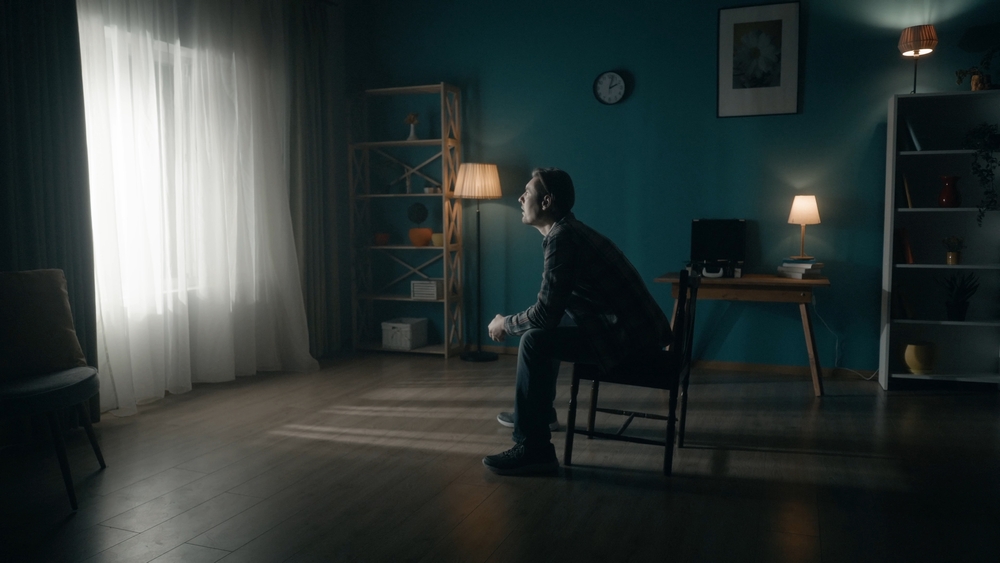
The charges against the son will likely mean he will face a sentence once the court process ends. Some people say he deserves the full punishment. Others say the judge should consider his emotional state. It is not an easy situation to judge because the wrongdoing is clear, but so is the suffering behind it.
Investigators retrieved the mother’s remains and arranged the proper steps to handle them with dignity. That gave the case a small sense of closure. It allowed the community to see that at least one part of the tragedy received respect in the end.
A Case That Left The World Stunned
This story will remain memorable for many reasons. It carries shock, sadness, confusion, and moments that feel almost surreal. A man impersonated his mother to hide her death and collect her pension. He wore a disguise that people compared to a movie character and lived with grief that he never processed. The outcome hurt him, his mother’s memory, and the public systems meant to protect seniors.
The case also shows how oversight matters. Pension programs work on trust, but trust must be balanced with accountability. When someone exploits the system, even out of fear, it affects more than just one account. It affects the community and the agencies that support vulnerable people.
In the end, this case stands as a reminder of human frailty. It shows how desperation can push someone toward choices that make no sense from the outside. It shows how important it is for people to reach out when life becomes overwhelming. The story feels bizarre at times, but underneath the unusual details is a very real and painful truth. A family fell through the cracks, and no one noticed until everything had already collapsed.
Read More: Want To Avoid Scam Calls? Don’t Pick Up When You See These Area Codes