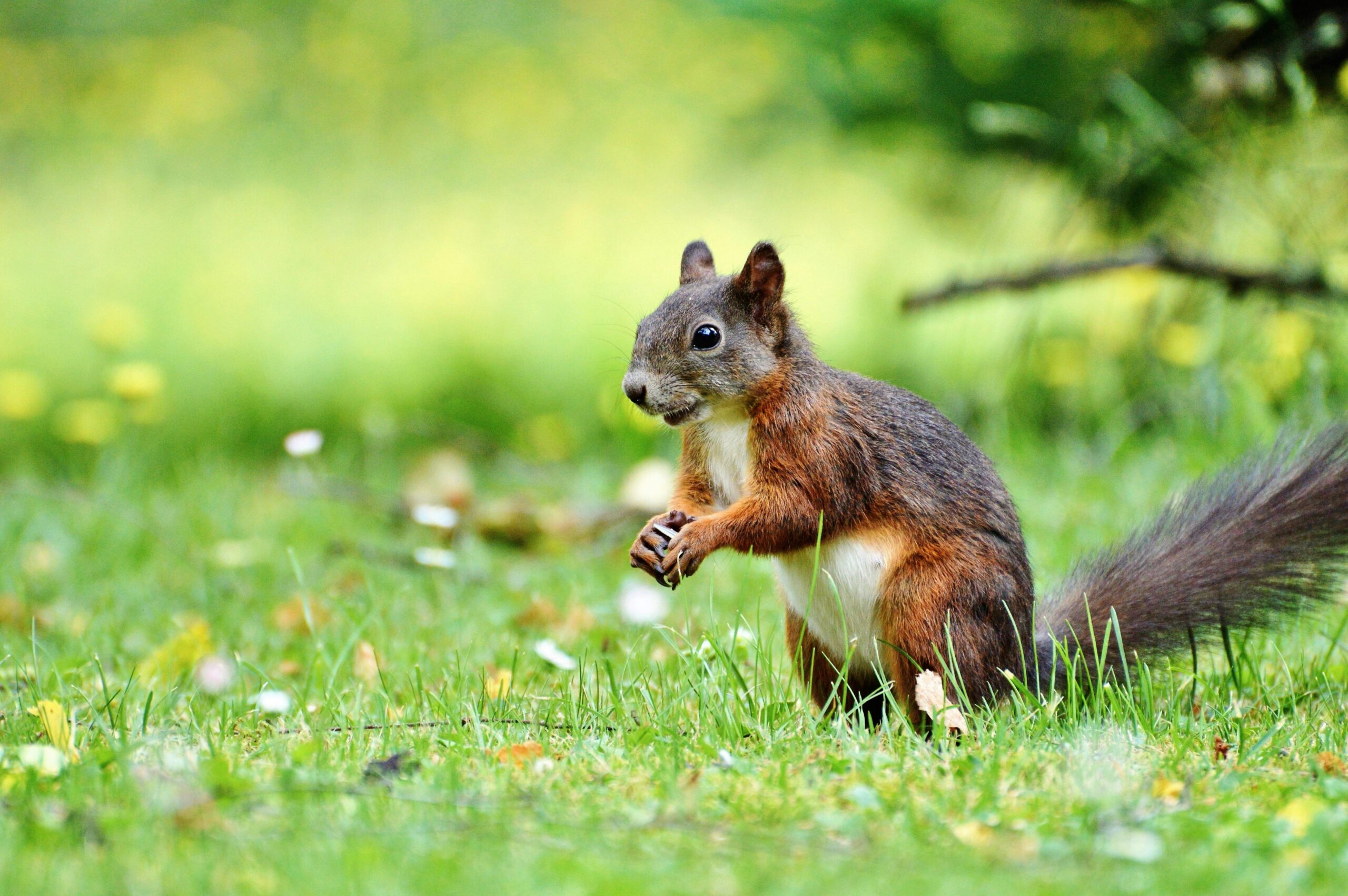

Squirrels have always been the undisputed chaos agents of the urban outdoors. One minute they’re burying a nut in your potted plant, the next they’re hanging off a bird feeder with the confidence of someone who owns the place. Most of the time, watching them is a small, oddly satisfying part of daily life – a tiny wildlife documentary playing out on your back fence. So when videos started circulating showing squirrels sitting upright and apparently “vaping” on discarded e-cigarettes, people assumed it was just another day in the ongoing comedy of urban nature. Turns out, it’s funnier on the surface than it actually is. Squirrels chewing vapes is happening across multiple cities, and the people who study these animals say it matters a lot more than the viral clips suggest.
Before we get into the why and the what-it-means, it’s actually worth spending a minute on these animals themselves. Because squirrels are more interesting than most people give them credit for, and understanding how they live makes the whole vaping situation a lot easier to explain.
Meet Your Neighborhood Squirrel
Squirrels are what scientists call synanthropes – meaning they genuinely thrive in human environments, and over time they lose their natural wariness around people. This process is called synurbanization. That’s a fancy way of saying that city squirrels have figured us out. They know we’re not a threat. They know where the trash cans are. And they are very, very good at making the most of whatever their environment offers.
Squirrels are opportunistic omnivores with a surprisingly varied diet. While nuts are their claim to fame, these bushy-tailed foragers eat fruits, vegetables, seeds, fungi, insects, and even the occasional bird egg. They adapt their diet to seasonal changes – in spring and summer they eat fresh greens and fruits, and in autumn they gather and store nuts for winter. The classic image of a squirrel burying an acorn is completely real, and it serves them well. In preparation for winter, many squirrel species engage in food caching, burying nuts and seeds for later consumption – and this behavior helps them survive harsh winters while also contributing to forest regeneration when forgotten caches sprout into new trees.
The amount a squirrel eats can vary, but they’ll typically consume about one pound of food per week to maintain their high energy levels. That’s actually a lot for an animal that weighs less than a pound itself. They’re constantly foraging, constantly moving, constantly on the lookout for the next meal. Squirrels are equipped with strong, chisel-like incisors and powerful jaws, which are essential for gnawing open hard nuts. Those teeth are a key part of their whole story – and relevant to why discarded vapes in particular have become such a draw.
The Teeth That Never Stop Growing
Squirrels have a fascinating biological trait: their incisors never stop growing. Unlike most mammals, whose teeth reach a fixed size, a squirrel’s front teeth grow continuously throughout its life. This isn’t merely a curiosity – it’s a critical adaptation for survival.
If a squirrel doesn’t have enough opportunities to chew, the results can be serious. Overgrown incisors can curve into the palate, make eating impossible, or even puncture vital organs. In nature, wild squirrels avoid these problems by chewing on wood, nuts, and tough seeds. In urban environments, however, where chewable items may be scarce or food access is interrupted, unusual targets become common. Think electrical wires, plastic pipes, window frames – squirrels will gnaw almost anything they encounter. Gnawing is also a method of exploring and manipulating their environment. By chewing on various objects, squirrels can investigate potential nesting spots or pathways.
This instinct to chew-first-ask-questions-later is completely normal squirrel behavior. It’s not recklessness – it’s biology. But in a world full of discarded e-cigarettes, that biology is creating a serious problem.
How Long Squirrels Live (and What Threatens Them)
Gray squirrels live an average of six years in the wild, and it’s not unheard of for them to reach 12 years. Red squirrels are similar, with an average lifespan of five years and a top-end life expectancy of around 10 years. Some squirrels can survive 10 to 20 years in captivity.
While squirrels in zoos or as pets can live up to 24 years, wild squirrels face many challenges that significantly reduce their life expectancy. Many don’t survive their first year due to predators, disease, and environmental hazards. Those who make it past this critical period live 6 to 10 years in the wild.
Squirrels can also suffer from diseases and parasites that shorten their lives. Common health threats include squirrel pox, a viral disease that can weaken a squirrel and make it easier for predators to catch them, as well as fleas and ticks that carry diseases. When squirrels are sick or infested with parasites, they are more likely to die early.
Squirrels in cities often become less wary of predators and more active during daylight, which can increase risk. However, adaptation to human-modified environments may also reduce predation and starvation risk, allowing certain individuals to live longer than they would in entirely natural settings. Urban life for a squirrel is a trade-off. You get easy food and fewer hawks. But you also get traffic, pollution, and now, apparently, e-cigarettes.
A Squirrel’s Social Life and Breeding Habits
A female squirrel can have two litters each year, usually in the late winter and midsummer. They have a short gestation period of about two months, and each litter usually contains between two and four pups. Each tiny pup is born completely hairless, weighing in at just 0.5 to 0.65 ounces. The mother squirrel weans the pups at the two-month mark, and seven months later – at the nine-month mark in the squirrel life cycle – her babies become mature adults.
Research has found that forest squirrels are the shyest, while urban squirrels are the boldest – a reminder that city life genuinely changes these animals over time. An urban squirrel that has grown up near people, park benches, and overflowing trash cans is simply a bolder, more curious animal than its woodland cousin. It will investigate more. It will pick things up more. Which is, once again, very relevant to what’s been happening with vapes.
Why Are Squirrels Chewing on Discarded Vapes?
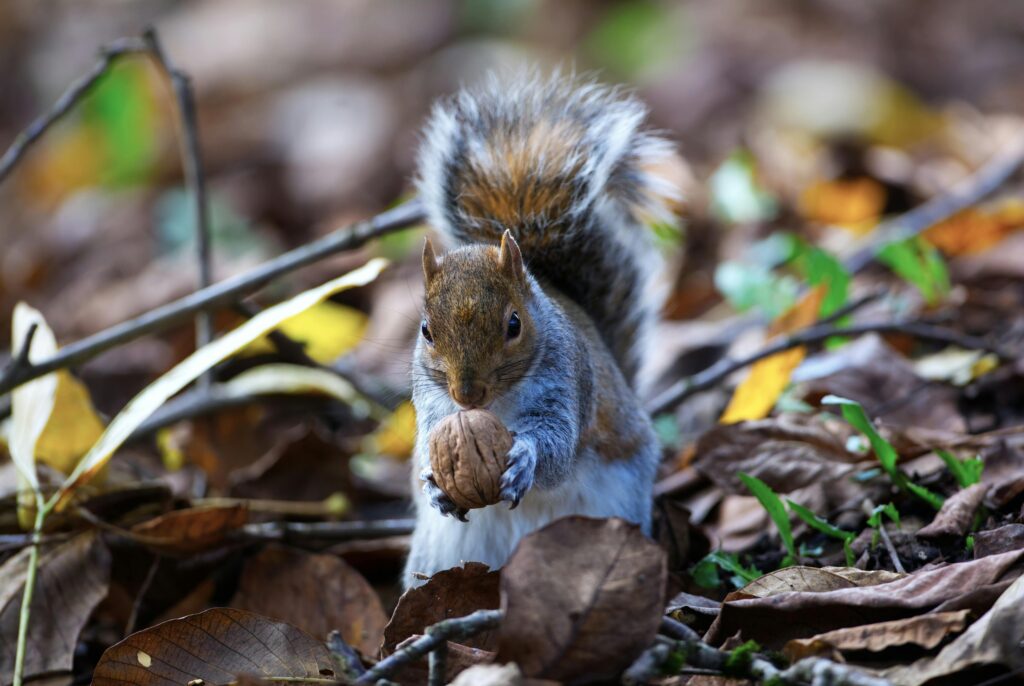
Here is where things get genuinely interesting – and concerning. Unlike traditional cigarette butts, which smell of tobacco and ash, sweet-smelling fruity vapes are particularly attractive to animals that rely on their sense of smell to find food. That’s the short answer. The longer answer involves understanding that squirrels are driven almost entirely by scent when foraging. Blueberry. Watermelon. Mango. These are flavors that don’t just attract human consumers – they send a very convincing signal to a small mammal whose entire job is to find food that smells good.
Squirrels are drawn to things that smell like fruit. A discarded vape on a park bench, on a sidewalk, or sitting at the bottom of a fence post smells exactly like something a squirrel should investigate. According to Keep the Tail Wagging (2026), Craig Shuttleworth, a red squirrel specialist at Bangor University in Wales, noted that squirrels investigate objects by chewing on them, and that sweet scents such as blueberry or watermelon from vapes could easily fool a foraging animal into thinking it had found food.
Shuttleworth put it plainly when speaking to The Telegraph, as reported by Dexerto (2026): “In the old days, you’d see lots of discarded cigarette butts, but I don’t remember squirrels running around with them.” The fruity scent changes everything. Old tobacco smells like a warning to most animals. A watermelon vape smells like lunch.
Which Cities Have Reported Squirrels Eating Vapes?
The answer is: more than you’d expect. Viral videos have appeared from multiple cities across the US and UK. In July 2024, a video of a squirrel holding a vape set to the tune of Afroman’s “Because I Got High” racked up over 43 million views on TikTok. That’s not a footnote – that’s a phenomenon. In October 2025, a South Philadelphia mother caught a squirrel examining an e-cigarette in her backyard – one of several vaping squirrel videos to surface across cities within the last two years.
In the UK, a gray squirrel was filmed clutching a disposable vape and apparently gnawing on the mouthpiece while perched on a fence in Brixton, South London – footage that was shared widely and prompted official responses from animal welfare organizations. There have also been reports from Wales of squirrels attempting to bury vape devices, treating them like found food to be cached for later. These incidents aren’t isolated quirks. They’re a pattern. And they’re happening because discarded vapes are everywhere.
What Bangor University Says About Squirrels and Vapes
The expert commentary on this comes primarily from Craig Shuttleworth, a red squirrel specialist at Bangor University in Wales, who has been cited across multiple reports covering the issue.
His position is consistent and clear. As reported by The Cooldown (2026), Shuttleworth confirmed that eating a vape “isn’t part of their natural diet” and that squirrels “could gnaw at it and consume some of the microplastics.”
That detail about microplastics is important. Most of the public conversation around squirrels attracted to fruity scented vapes focuses on nicotine – and nicotine is a genuine danger – but the physical structure of a disposable vape also contains plastics, a lithium battery, and various chemical compounds that are not safe for wildlife. When a squirrel gnaws through the casing of a discarded e-cigarette, it isn’t just risking chemical exposure. It’s also chewing up plastic fragments that can cause internal damage.
Are Vapes Dangerous for Squirrels and Wildlife?
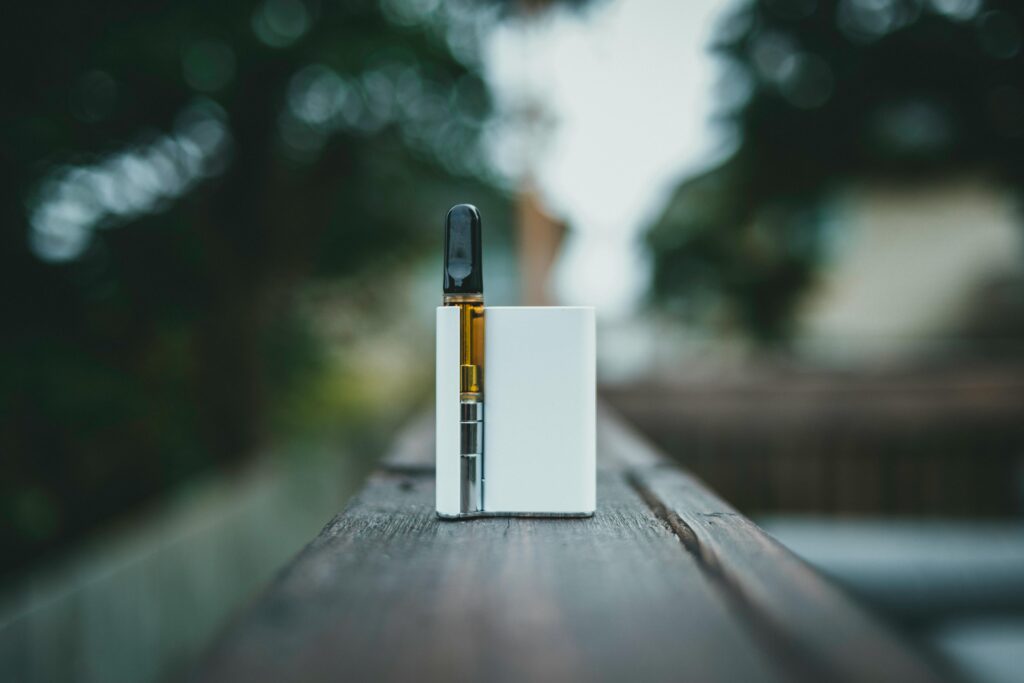
Very much so – and on multiple levels. Disposable e-cigarettes contain plastic, lithium batteries, and nicotine – all of which can harm animals if ingested and can lead to poisoning and long-term health issues.
Nicotine is a compound that wild animals simply do not encounter in nature. As Shuttleworth explained, squirrels aren’t built to process it. Nicotine mimics acetylcholine, a chemical naturally produced in the body that is responsible for stimulating nerves. As a result, low levels of nicotine exposure result in overstimulation of the nervous system, while high levels of exposure can overwhelm the nervous system and prevent nerves from functioning appropriately.
Signs of nicotine toxicity in animals can include vomiting, drooling, diarrhea, agitation, rapid breathing, abnormal heart rhythm, tremors, muscle weakness, and seizures. Coma and even death are possible with high-dose exposures.
Swallowing an e-cigarette casing or battery is dangerous too. The casing and battery are not digestible and can cause gastrointestinal injury or blockage. The rechargeable battery can burn the esophagus if swallowed. There is no safe part of an e-cigarette.
Despite how these videos appear, there is no evidence that squirrels are becoming addicted to nicotine. The main danger lies in toxicity – even small amounts of nicotine can be harmful to animals, which have no natural exposure to it in the wild.
The concern extends well beyond squirrels. The Veterinary Poisons Information Service received 680 calls about vape incidents involving pets since 2017, with 96 percent of those cases involving dogs. These numbers reflect household pets – dogs that found a vape on a walk, or chewed through a bag. The numbers for wild animals go largely unreported.
An RSPCA Scientific Officer previously noted that a bird in New Zealand died after swallowing a vape, and that “this will only be the tip of the iceberg as so many litter casualties go unseen and unreported, particularly with wildlife.”
The Litter Problem Behind the Viral Clips
None of this happens without a serious litter problem feeding it. An RSPCA spokesperson stated that five million single-use e-cigarettes were thrown away every week in the UK prior to a government ban on their sale, with many ending up as litter accessible to wildlife. Five million. Per week. That’s an extraordinary volume of fruity-scented plastic, nicotine, and lithium finding its way onto streets, into parks, and along the routes that urban wildlife travels every day.
The UK government banned the sale of disposable vapes in June 2025, which is a meaningful step. But the residual litter from years of mass disposable vape use is still very much out there, and squirrels attracted to fruity scented vapes in cities aren’t about to stop simply because the product has been pulled from shelves. The RSPCA has urged people to hold onto their litter until it can be properly disposed of – which sounds simple enough, but clearly needs repeating.
What This Means for You
The viral appeal of squirrels chewing vapes is real – 43 million TikTok views for a single clip tells you everything about how the internet receives this kind of content. It’s genuinely funny-looking. A small, bushy-tailed creature sitting upright on a fence holding what appears to be an e-cigarette is a very good image. The problem is that the reality behind that image involves a wild animal being exposed to nicotine, microplastics, and a lithium battery because someone dropped their vape on the ground.
If you have kids who find vapes outside – and kids absolutely do pick up discarded vapes – the same concerns apply in reverse. The ASPCA warns that pets ingesting liquid nicotine from e-cigarettes can experience nausea, vomiting, diarrhea, muscle tremors, and increased heart rate that can lead to seizures. The hazard profile for a small animal, whether a squirrel on a fence or a dog on a walk, is the same.
The practical takeaway is simple: if you see a discarded vape in a park, a playground, or anywhere accessible to animals or children, it’s worth picking it up and putting it in a proper bin. That’s not a grand gesture – it’s just a small act that keeps one more scented, toxic, chewable device out of reach of curious animals doing exactly what their biology tells them to do.
Squirrels chewing vapes is the kind of story that feels like a joke until you understand what’s actually in those devices. Then it starts to feel like a pretty good argument for cleaning up after yourself.
Disclaimer: This article was written by the author with the assistance of AI and reviewed by an editor for accuracy and clarity.