

Your cholesterol panel came back higher than last time. Your diet hasn’t changed. You’ve been walking most mornings. You’re not doing anything wrong that you can identify, and yet the numbers moved in the wrong direction. Your doctor may or may not have asked what the past few months looked like at work, at home, in your body before you walked into that lab.
The connection between stress and high cholesterol has been studied since at least 1958, when a group of researchers decided that tax accountants were the perfect human experiment: people whose occupational stress was calendar-predictable, arriving like clockwork every April. Each accountant’s highest cholesterol readings clustered around the deadline period. Not around their worst eating months. Not around the holidays. Around the most stressful weeks of their year.
That finding has held up, been challenged, refined, and argued over for sixty-plus years. The relationship between your stress and your lipid numbers is real, but it doesn’t work the way most people assume.
What Cortisol Is Actually Doing to Your Blood
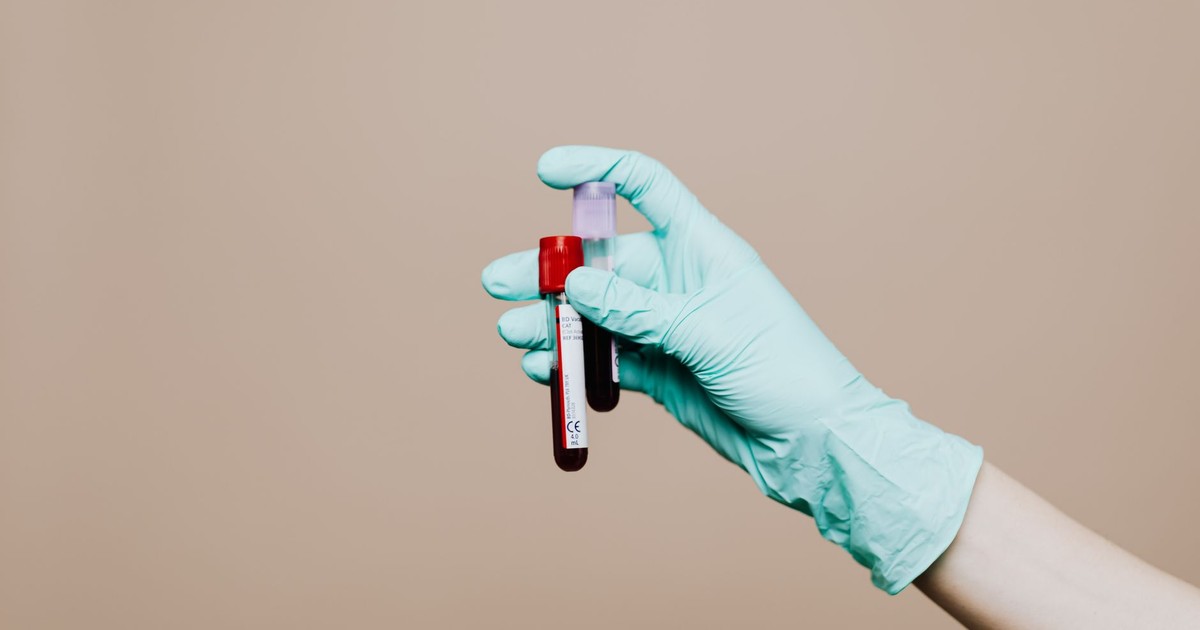
When your body decides you’re under threat (a difficult conversation, a terrible commute, the specific dread of opening your email on a Sunday night), it releases cortisol and adrenaline. These hormones evolved to help you survive a genuinely dangerous situation by flooding your system with fast energy: glucose gets mobilized, fatty acids get released into the bloodstream, your heart rate climbs, your attention sharpens. All useful if the threat is physical and brief.
In the fight-or-flight state, adrenaline and noradrenaline break down adipose tissue, flooding the bloodstream with fatty acids that the liver then repackages into very-low-density lipoprotein (VLDL). VLDL is a precursor to LDL, the cholesterol fraction most associated with arterial plaque. Research in healthy adults found that a 20-minute frustrating cognitive task pushed total cholesterol up 5 percent and LDL approximately 5 to 10 mg/dL immediately after the challenge, with levels still elevated half an hour later.
That’s from a lab task. Not a layoff. Not a cancer diagnosis. Not a year of caring for someone who is dying. Acute mental stress can spike LDL and triglycerides within hours, and chronic stress is linked to 5 to 15 percent higher long-term lipid levels, partly through cortisol, poor sleep, and comfort eating. That range (5 to 20 percent higher readings) is what gives the “up to 20%” figure its grounding. It’s not a single dramatic study. It’s the cumulative picture from multiple research streams.
The Chronic Stress Picture Is Even Clearer

Acute stress spikes are temporary by nature. The more clinically significant question is what happens when the stress doesn’t resolve, when the threat isn’t a lion that leaves but a boss who doesn’t, or a marriage in trouble, or a child you’re frightened for month after month.
A large population-based study analyzing nearly 4,821 Swedish middle-aged adults found that long-term stress, measured by cortisol levels in participants’ hair, was significantly associated with the classical cardiovascular risk factors of hypertension and high cholesterol. Hair cortisol measures cumulative cortisol exposure over months, not just what was in the bloodstream the morning of the blood draw. It’s a biological record of sustained stress. The association with elevated cholesterol held even after accounting for other cardiovascular risk factors.
Chronic stress elevates cortisol levels, which stimulate the liver to carry cholesterol and triglycerides into the bloodstream. The liver doesn’t do this because it’s malfunctioning. It does it because cortisol is telling it to, trying to keep rapid energy available for the ongoing threat. Modern threats don’t resolve with a sprint. They resolve, if at all, with time and luck and negotiation, and in the meantime the liver keeps doing what the cortisol keeps telling it to do.
Stress also triggers inflammation that lowers HDL, the “good” cholesterol, which normally helps clear excess LDL from the blood. Chronic stress doesn’t just push the bad number up. It pushes the protective number down at the same time. That’s a double movement in the wrong direction, and it goes largely undetected unless someone asks about your life and not just your lunch.
Why Your Stress Reactivity Matters More Than Your Stress Level
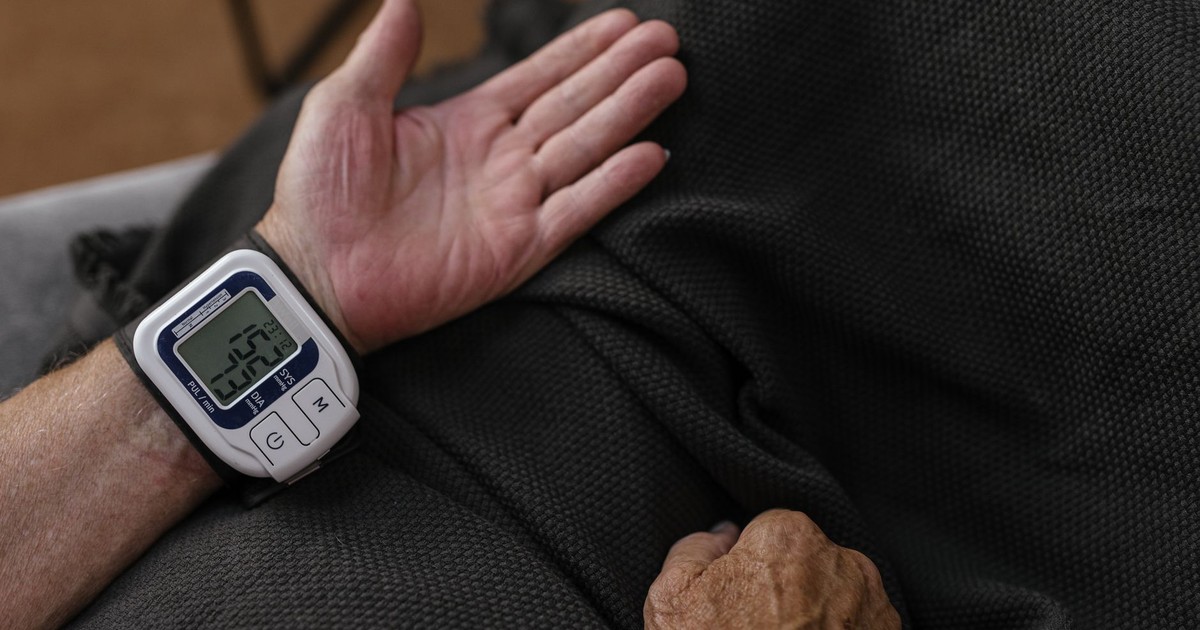
Not everyone who experiences chronic stress develops elevated cholesterol, and the difference may come down to how your body responds to stress rather than how much stress you’re technically under.
Researchers at University College London followed 199 middle-aged adults over three years. At the study’s start, participants performed two stressful computer-based tasks while researchers measured their cholesterol before and after. They were divided into three groups based on how strongly their cholesterol responded to the stress. Three years later, 56 percent of the group with the greatest cholesterol response to stress had total cholesterol levels above the clinical threshold for high cholesterol, compared with only 16 percent of the group whose cholesterol had been least affected by the stressful tasks.
That’s a striking difference, and it suggests that what predicts your long-term cholesterol trajectory isn’t just whether life is hard, but whether your cardiovascular system is the kind that keeps score. If your cholesterol spiked during that lab task and stayed elevated afterward, your body is telling you something about its relationship to stress that your stress management habits alone won’t resolve.
This is why checking your cholesterol during an unusually calm period, or getting it checked right in the middle of a terrible few months, can produce readings that don’t tell the full story. Understanding how stress affects cholesterol is part of the reason doctors are increasingly interested in treating cardiovascular risk as a whole-person profile, not just a lipid panel taken on one unremarkable Tuesday.
The Indirect Routes: How Stress Gets to Cholesterol Without Going Through Cortisol Directly

The cortisol pathway is the most direct, but it isn’t the only one. Chronic stress also changes behavior, often in ways that compound the lipid picture considerably.
Sleep is the clearest secondary contributor. Stress and poor sleep form a loop that’s genuinely difficult to exit: stress degrades sleep quality, poor sleep raises cortisol, elevated cortisol makes it harder to fall asleep. Sleep-deprived people also tend to eat differently, reaching for calorie-dense comfort foods in ways that feel less like a choice and more like a biological pull, because they are. Sleep deprivation increases appetite-stimulating hormones and decreases the ones that signal satiety.
Stress also changes how and what people eat even when they’re sleeping adequately. Chronic cortisol elevation increases appetite and cravings for high-fat and high-sugar foods, which over time can contribute to unfavorable shifts in the lipid panel.
A study on work-related stress and cholesterol published in the journal Medicine (Baltimore) followed 5,000 participants who each underwent a physical exam with blood tests, provided a medical history, and were interviewed about their work. They were divided into five groups based on psychological and physical job stress. Even mild on-the-job psychological stress was linked to elevated LDL and lower HDL. However, workers who were stressed but did physical labor were more likely to have normal cholesterol levels than stressed-out workers with desk jobs. Physical movement, even when it isn’t structured exercise, appears to interrupt the lipid-raising effect of psychological stress.
What the 20% Figure Actually Means

The headline figure (that stress may spike cholesterol readings by up to 20 percent) comes from the combined range of research on acute and chronic stress effects. A 20 percent increase in total cholesterol can move a reading from borderline to clinically concerning. It can be the difference between “we’ll keep an eye on this” and a prescription.
A cohort study published in The Lancet Regional Health – Europe found that higher non-HDL cholesterol levels carried significant cardiovascular risk even in patients with well-controlled LDL, suggesting that traditional LDL-centric thresholds may underestimate true risk. Stress-elevated cholesterol isn’t always a clean LDL spike. Sometimes it’s triglycerides, sometimes it’s non-HDL cholesterol broadly, sometimes it’s the ratio of total cholesterol to HDL, and all of those represent real cardiovascular risk even when the headline number looks acceptable.
Evidence-based stress reduction, including regular exercise, mindfulness, and better sleep, can cut triglycerides by 20 to 30 percent in as little as 12 weeks. That’s a clinically meaningful reduction that sits in the same range as what some medications achieve, achieved through the unsexy combination of movement, sleep, and something that quiets your nervous system enough to let cortisol drop.
What to Actually Do With This Information

If you’ve had a high cholesterol reading and the months before it were genuinely hard, it’s worth saying that to your doctor. Not as an excuse, not to avoid the conversation about diet, but because context changes the interpretation. A reading taken during the worst month of a difficult year is different from a reading taken in a stable period, and if your doctor doesn’t know that, they can’t help you read the number correctly.
If your numbers are creeping up and nothing about your diet or exercise has changed, stress is a legitimate clinical variable, not a hand-wavy lifestyle concern. The research on stress high cholesterol is consistent enough that it deserves a seat at the table alongside diet, genetics, and medication history.
Physical movement remains the most well-supported intervention, not because it burns calories or manages weight, but because it directly counteracts the cortisol cascade. Workers who were stressed but physically active were more likely to have normal cholesterol levels than equally stressed sedentary workers, suggesting that physical activity may help offset the impact of psychological stress on cholesterol levels. Even a 20-minute walk after a stressful event appears to interrupt the lipid chain reaction that the stress response sets off. It doesn’t have to be a gym membership. It has to be movement.
Sleep, honest and non-negotiated sleep, is the second most important lever. Not sleep hygiene tips, actual sleep, in quantity. The cortisol rhythm that drives cholesterol upward is disproportionately disrupted by sustained sleep deprivation, which means protecting sleep protects your lipid panel even when everything else stays the same.
Read More: How missing just one hour of sleep actually harms your body, according to doctors
The Reading Isn’t the Whole Story

A cholesterol number is a snapshot, taken under whatever conditions happened to exist when the blood was drawn. It captures one moment in a body that has been under pressure, or not, that slept, or didn’t, that spent the previous two weeks dreading something or finally exhaling. The number is real. So is everything the number doesn’t capture.
The science doesn’t say stress is the only factor in your cholesterol. It says stress is a real one, with real biological pathways, that gets systematically underweighted in a clinical conversation that tends to focus on what you ate. Both things can be true: the saturated fat is worth addressing, and so is the November you just had.
You don’t have to choose between taking the number seriously and understanding that it doesn’t tell the complete story of your health. Some of these patterns go back further than a single bad season, to the years-long slow burn of a difficult job, a caregiving stretch that never quite ended, a period of sustained anxiety that never got named as such. Naming the stress as a clinical contributor isn’t a way of avoiding the conversation about diet and medication. It’s how you make sure that conversation starts from an accurate picture of what’s actually going on.
Disclaimer: This information is not intended to be a substitute for professional medical advice, diagnosis, or treatment and is for information only. Always seek the advice of your physician or another qualified health provider with any questions about your medical condition and/or current medication. Do not disregard professional medical advice or delay seeking advice or treatment because of something you have read here.
AI Disclaimer: This article was created with the assistance of AI tools and reviewed by a human editor.