
There is a very specific kind of afternoon that no longer exists. You came home from school, dropped your backpack at the door, and had approximately four hours of time that nobody had scheduled, tracked, or optimized for you. No app, no alert, no parent with a color-coded calendar. You either found something to do or you sat there in the beautiful boredom of it until something occurred to you. That version of childhood, the one boomers grew up with and Gen X inherited at the tail end, is now a historical artifact.
The gap between what older generations experienced as ordinary and what kids today will never know as a lived reality keeps widening. Some of what’s been lost is genuinely fine: nobody needs to spend forty-five minutes driving to Blockbuster only to find the movie they wanted is checked out. But some of it points to something real about how childhood has changed, and not always for better or worse, but just differently, irrevocably. The things kids won’t experience from the boomer and early Gen X playbook aren’t just technologies. They’re textures of a life, ways of existing in the world before it became permanently, inescapably connected.
Here are ten of them.
1. The Rotary Phone and the Art of Dialing From Memory
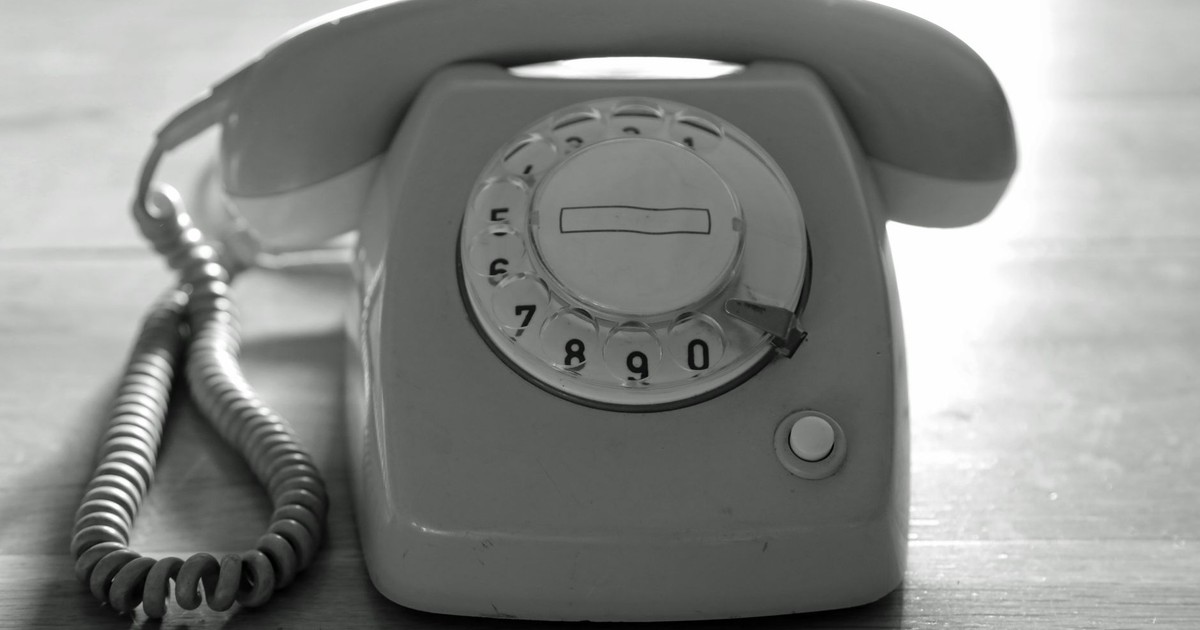
Before cordless phones, before speed dial, before the contact list that lives in every pocket, there was the rotary phone. The Western Electric Model 500 was the Bell System’s mainstay home telephone from the 1950s through the 1980s. To use one, you placed your finger in the appropriate hole on a circular dial, rotated it clockwise to a metal stop, released it, and waited for it to click back before moving to the next digit. A seven-digit number took genuine patience. If you slipped and accidentally let go too early, you started over.
What made the rotary phone era distinct wasn’t just the hardware, it was what the hardware demanded of the people using it. People memorized phone numbers the way they memorized faces: your best friend’s number, your grandmother’s, the local pizza place. There was no backup, no Google, no autofill. You either knew the number or you didn’t make the call.
The landline itself is now a rarity in American homes, and the rotary phone is several steps further back than that. Kids today who encounter one at an antique market or a grandparent’s house approach it the way archaeologists approach an artifact, with curiosity and a complete absence of instinct. There is something genuinely funny about teenagers going viral on TikTok for struggling to figure out which direction to turn the dial. There is also something slightly sobering about it.
2. Saturday Morning Cartoons
The ritual was specific and non-negotiable. You woke up earlier than you ever would on a school day, voluntarily, enthusiastically, poured yourself a bowl of something with approximately three grams of actual nutrition, settled in front of the TV in your pajamas, and watched cartoons for four straight hours. Not cartoons you had curated, queued, or algorithmically selected. The cartoons the network had chosen for you, in the order the network had chosen, and you watched whatever came on next.
The Children’s Television Act was enacted by Congress in 1990 to increase the quality of educational broadcast programming for children, and by 1996 the Federal Communications Commission strengthened enforcement by adopting the Children’s Programming Report, which introduced new mandated guidelines. Networks were required to air educational content, which made the economics of Saturday morning cartoons untenable. Advertisers lost interest, production costs stayed high, and the blocks started shrinking. The CW network was the last station to air Saturday morning cartoons in America, broadcasting the final run of the Vortexx animated lineup on September 27, 2014.
While kids today can watch any cartoon they desire at any time, they’ll never have the experience of waking up on Saturday mornings, settling down in front of the TV in their pajamas, and eagerly waiting for their favorite cartoon to start, a bowl of sugary cereal in hand. The scarcity was the point. Streaming has given children infinite cartoons and eliminated the one thing that made Saturday mornings irreplaceable: the fact that you had been waiting all week for them.
3. Developing Film and the Wait for Your Photos

Every photograph taken on a film camera was a small act of faith. You pressed the shutter, the film advanced, and you had no idea whether the shot was blurry, badly lit, or had your thumb covering half the frame. You would not find out until you finished the roll, took the canister to a pharmacy or dedicated photo lab, and waited, sometimes a week, for the prints to come back. Opening that paper envelope was its own small ceremony. Some photos were wonderful. Many were not. All of them were permanent in a way that digital images simply are not.
Younger generations are rediscovering this experience not out of ignorance but out of deliberate choice. Disposable camera sales have been steadily increasing since 2023, and photography journal PetaPixel announced 2024 as “film’s best year in decades,” as major brands introduced new cameras in response to renewed demand. But there is a meaningful difference between choosing film photography as an aesthetic statement and growing up in a world where it was simply how photography worked. The anticipation, the imperfection, the physical album on the shelf: those things were not lifestyle choices. They were just life.
Researchers observing the film photography revival among young people note it isn’t a trend rooted in nostalgic yearning for the past, but rather young people rejecting algorithms and breaking free from the alienation of social media, a deliberate move to redefine art and social connection. Which is a complicated tribute to an experience that boomers took entirely for granted. You can go buy a disposable camera at a drugstore today, but you cannot replicate the feeling of living in a world where there was no other way to do it.
4. The Print Encyclopedia as a Household Fixture

In the 1950s, 1960s, and well into the 1980s, a set of encyclopedias on the living room shelf was a middle-class aspiration on par with a decent car or a color television. Door-to-door salesmen sold them like insurance, and families who couldn’t afford the full set made do with a single-volume reference book and regular trips to the library.
The ritual of looking something up, physically pulling a volume from the shelf, finding the right page, reading an entry that was authoritative and static and possibly slightly out of date, shaped how an entire generation approached knowledge. You couldn’t search. You had to approximate. You looked up “Mars” when you wanted to know about the solar system, and then you ended up reading about Marcus Aurelius because it was on the same page, and an hour later you had learned something you hadn’t planned on. Accidental discovery of this kind is now essentially impossible to replicate by design.
Encyclopaedia Britannica Inc. announced on March 13, 2012, that it would stop publishing print editions of its flagship encyclopedia for the first time since the sets were first published in 1768. The 2010 edition, a 32-volume set, was the last. The decision made obvious business sense, and nobody seriously argues that Wikipedia and Britannica’s own digital platform aren’t more useful. But something specific about the weight of those volumes, the smell of the pages, the commitment of shelving all 32 of them in your living room, is gone permanently.
5. The Video Rental Store on a Friday Night
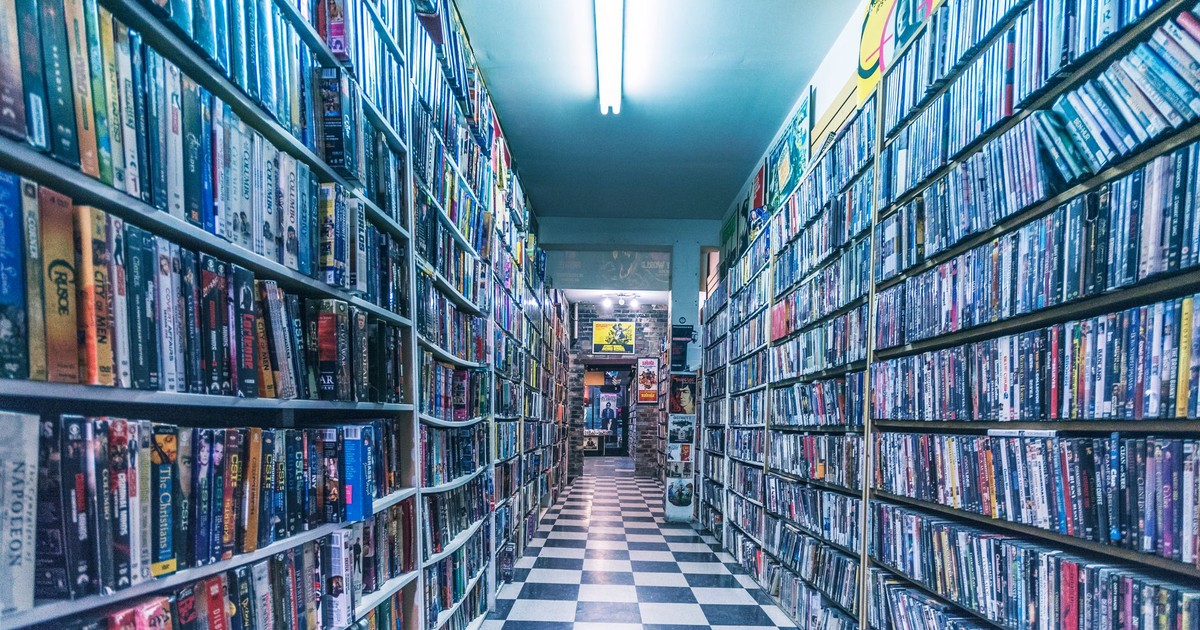
The decision started in the car on the way there, and it was rarely resolved before you walked through the door. You had a general idea of what you wanted, something with action, or something funny, or that new release everyone had been talking about, and then you arrived and discovered the new release everyone had been talking about had been checked out since Tuesday. So you wandered the aisles instead. You read the backs of boxes. You picked something up, put it down, picked up something else. You asked the person at the counter if the sequel was as good as the original, and they usually had an opinion.
VHS tapes and VCR players are making a strange comeback, with stores like Be Kind Video and Videotheque in California offering VHS, DVD and Blu-ray rentals, and record stores and video rental shops have become third places in their own right. But that comeback is a self-conscious cultural choice, not a lived necessity. Blockbuster at its peak had over 9,000 locations across the United States. The last corporate-owned store closed in 2013. The one remaining independent Blockbuster in Bend, Oregon, has become something between a museum and a pilgrimage site for people old enough to remember Friday nights as a destination.
The loss of the video rental store is often dismissed as pure convenience improvement: why would you drive somewhere when streaming delivers everything instantly? But what streaming doesn’t deliver is the serendipity of standing in a fluorescent-lit aisle and discovering a movie you never would have searched for because you didn’t know it existed.
6. Memorizing Phone Numbers and the Phone Book
Before smartphones contained every number a person might ever need, telephone numbers lived in two places: the phone book and the human brain. People memorized their parents’ work numbers, their best friends’ numbers, the numbers of neighbors who might need to be called in an emergency. Children were given coins to use payphones. The phone book, that dense, alphabetically organized, annually delivered brick of thin paper, was a functional part of domestic life. You looked up plumbers in the Yellow Pages. You checked whether a new acquaintance’s last name had a listing.
The cognitive demand was real. Knowing a phone number meant something. If you were separated from your family at a mall or a fair, you walked to a security desk and recited the number. Some grade school kids today don’t even know what a landline is. The phone book is now so entirely absent from daily life that when one occasionally still arrives on a doorstep, it’s treated as an artifact from an incomprehensible era, like finding a telegram delivery notice in a kitchen drawer.
What this shift represents goes beyond the obvious convenience of having all contacts stored digitally. It represents the outsourcing of a category of memory that people once maintained as a basic life skill. Today’s children will never have to hold a string of digits in their heads through a crowd because they needed to find their way home. They will never have the particular panic, or the particular triumph, of remembering it under pressure.
7. Unsupervised, Unstructured Outdoor Time

The afternoon was yours. You went outside, you found whoever else was outside, and you built something or destroyed something or rode your bikes to the creek and back without any adult knowing exactly where you were at any given moment. No GPS, no check-in texts, no scheduled playdate with a confirmed start and end time. The hours between school and dinner were unaccounted for in the best possible sense.
That childhood has been almost entirely replaced in the United States by structured, supervised activity, driven partly by genuine safety concerns and partly by the social pressure around parenting that makes unsupervised children feel like evidence of neglect rather than evidence of trust. The irony is that the era people look back on as idyllically free was also the era before car seat laws, bike helmets, and sunscreen reminders, so the nostalgia is real, but it’s complicated.
What kids today genuinely won’t experience is not the freedom in isolation but the freedom as a social norm, a whole neighborhood of children loose together, making up games, resolving disputes without adult intervention, experiencing consequences in real time. The arguments, the scrapes, the boredom that forced creativity. That texture of childhood is not recoverable through a scheduled outdoor play session, however well-intentioned.
8. Waiting for Music and Listening to a Full Album
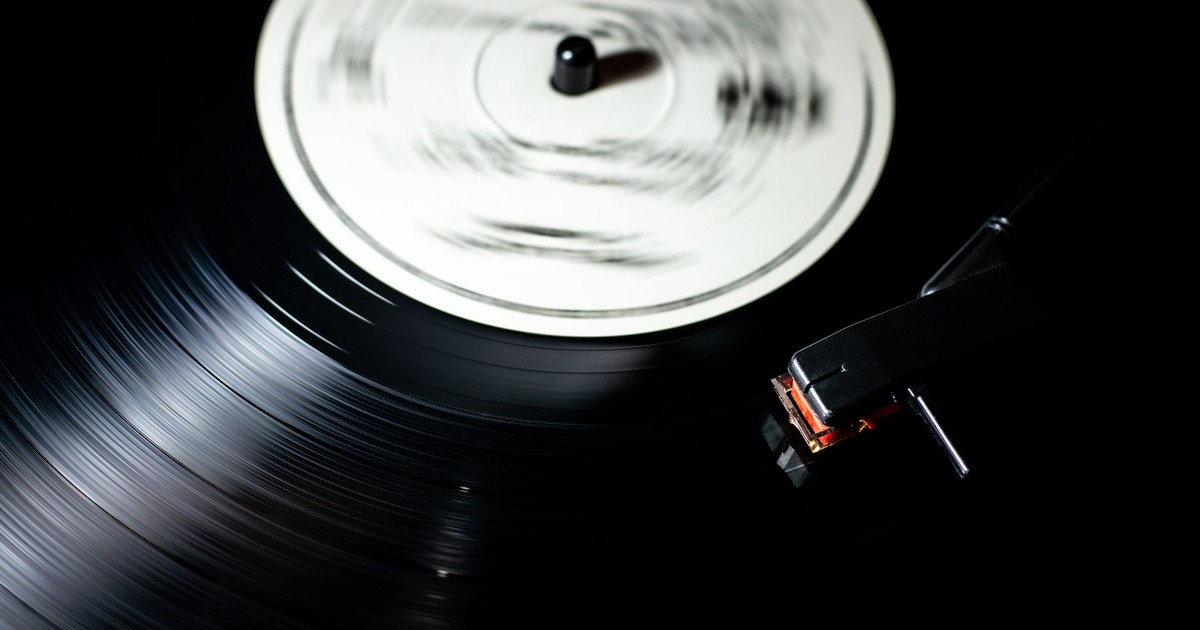
If you wanted to hear a song in 1978, or 1985, or even 1995, you had options, and none of them were instant. You could wait for it to come on the radio. You could buy the album. You could tape it off the radio if you were fast enough with the Record button. Anticipation was built into the experience structurally. Buying an album, carrying it home, reading the liner notes while it played for the first time, was an event with weight to it.
Although music streaming now represents 82 percent of revenues generated in the music industry, vinyl record sales crossed the $1 billion threshold in the United States in 2025, growing for the nineteenth consecutive year. The revival of vinyl is real, and it’s worth paying attention to, because what people are buying along with those records is the experience of deliberate listening: sitting down, putting on a side, and hearing an album the way the artist sequenced it. But again, that’s a choice, a statement, an act of curation. It is not the same as living in a world where it was simply how music worked, where skipping a track required getting up and moving a needle.
The loss of the full-album listen is mourned most loudly in music criticism circles, but the underlying change is something kids today will never feel: the experience of a song being rare. Of a song you loved being something you might not hear again for weeks. Scarcity and repetition and anticipation built a relationship with music that instant access has made structurally impossible to replicate.
9. Handwritten Letters and the Art of Pen Pals
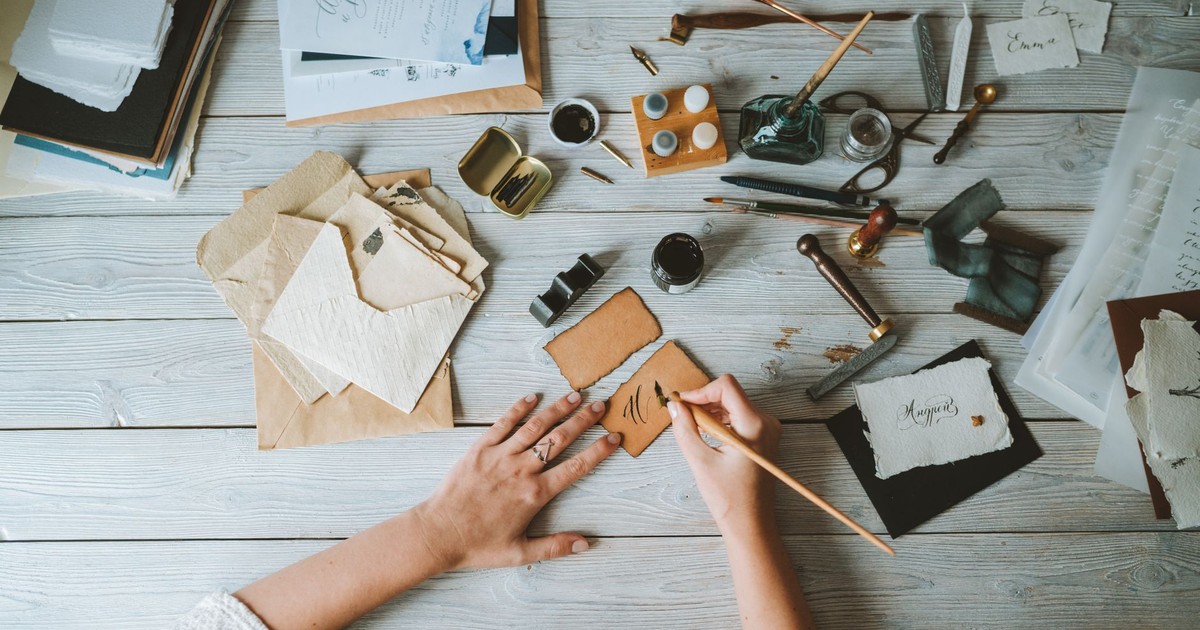
Writing a letter required a commitment that an email or a text does not. You chose your words more carefully because crossing something out was visible, and starting over meant starting the whole page over. You addressed the envelope, found a stamp, dropped it in a mailbox, and then waited, sometimes weeks, for a reply. The correspondence between a child and a pen pal in another state or another country was a slow, deliberate relationship built on the discipline of writing.
Many boomers had pen pals through school programs that matched children across geographic or even international distances. The letters were physical objects: you could hold them, re-read them, keep them in a shoebox under the bed. They had handwriting, which told you something about a person that a font never can. A letter with big loopy cursive said something different than a letter with cramped, careful printing.
Children today communicate constantly and preserve almost nothing. The text messages that teenagers send in the hundreds per day are evaporating into servers that few of them will ever access again. The idea that you might keep a letter from a friend for thirty years because it’s a physical thing you can still hold is genuinely foreign to the generation growing up now. They communicate more and archive less, and the difference between those two things is not neutral.
10. Appointment Television and the Shared Cultural Moment
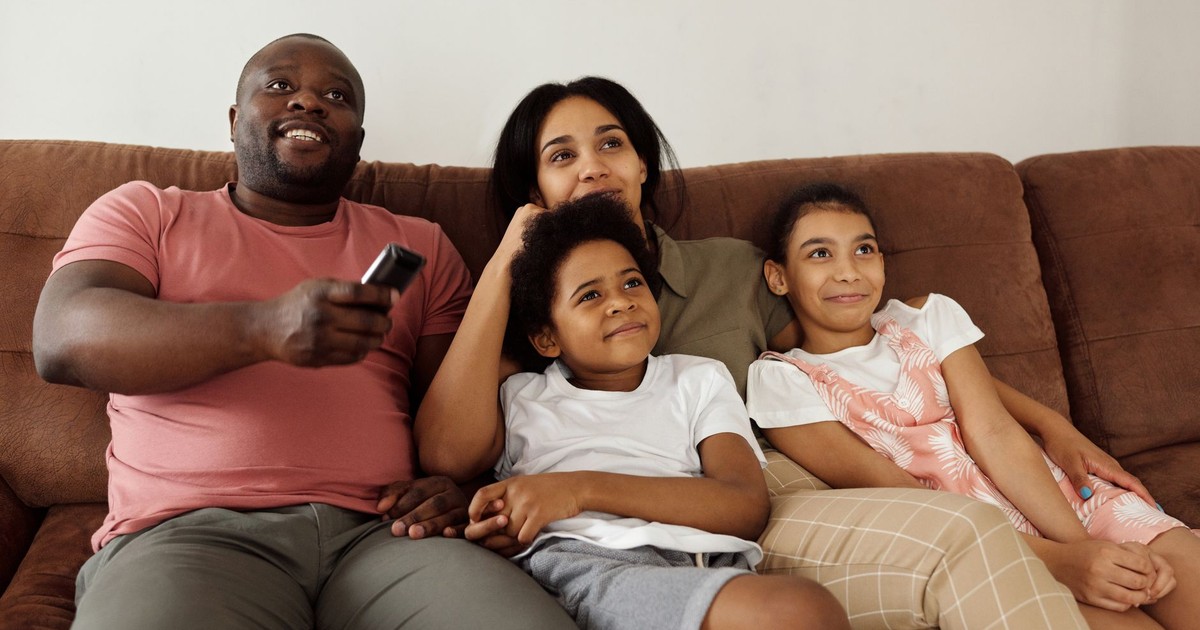
Before streaming, before on-demand, before DVR, before even the VCR for most households, television ran on a fixed schedule and waited for no one. If you missed an episode, you missed it. If you wanted to watch the finale of a show, you arranged your life around the broadcast time. The experience of an entire country watching the same thing at the same moment, Super Bowl Sunday, the last episode of M*A*S*H, the Roots miniseries, created a shared cultural texture that no streaming platform has come close to replicating.
The appointment nature of television also governed social interaction in ways that are hard to explain to someone who grew up with Netflix. You didn’t spoil a show the next day at school because everyone might not have seen it yet, but the assumption was that they had, because it aired at 8 p.m. on Thursday and there was no other way to watch it. The water cooler conversation was built on shared, synchronized experience. Today that conversation still happens, but it’s fractured across different streaming services, different release schedules, different queues of things people haven’t gotten to yet.
This collective television moment still exists, the Super Bowl, occasional live events, but as an exception rather than a rule. Today’s kids will grow up accustomed to watching whatever they want whenever they want, which is genuinely better by almost every measurable standard. What they won’t experience is the particular electricity of knowing that right now, at this very moment, fifty million other people are watching the same scene they’re watching, and none of them can pause it either.
Read More: 50 Nostalic Posts That Will Instantly Remind You of The 1990s In The Best Way Possible
What Actually Got Lost
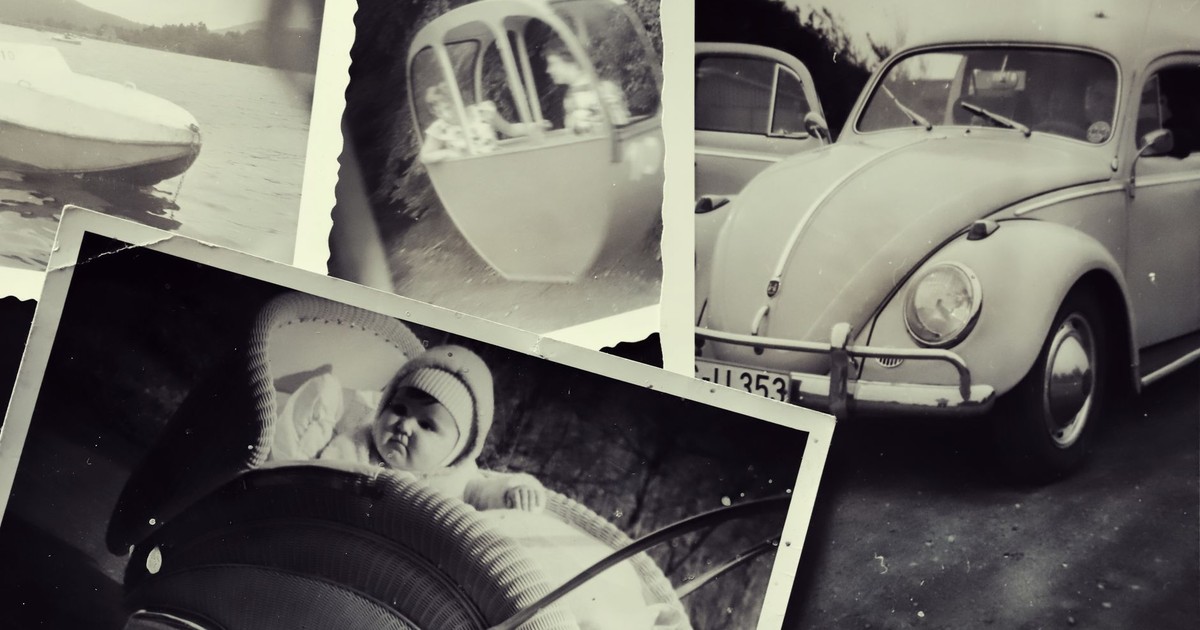
The things kids won’t experience from this list aren’t just obsolete technologies. They’re byproducts of a world that operated at a slower speed, with more friction, more waiting, more shared limitation. Boomers romanticize that world partly because memory softens inconvenience into charm, and partly because some of it really was better, not technologically, but experientially. The rotary phone was objectively worse than a smartphone. The wait for photographs was objectively less efficient than a camera roll. But the rotary phone forced you to know your grandmother’s number by heart, and the wait for photographs made the ones that came back feel like they mattered.
The frictions and scarcities of that older childhood weren’t merely inconveniences, they were load-bearing walls. The boredom built creativity. The waiting built anticipation. The memorization built a different kind of relationship with information. None of that can be reverse-engineered into modern childhood by buying a disposable camera or turning off the WiFi for an hour. But recognizing what structured those experiences, and what has genuinely been lost along with the inconvenience, is more useful than either dismissing the nostalgia or surrendering to it.
Some of these differences go back further than the technology does. The rotary phone, the phone book, the physical letter weren’t just products. They were accountability structures. Knowing your neighbor’s number meant you were embedded in a web of relationships that required maintenance. Waiting a week for photographs meant you were invested in a moment before you’d seen the result. None of that can be downloaded or subscribed to. What kids today will build in its place is genuinely unknowable, and that’s not a tragedy, but it is a real departure from a childhood that was, in its own accidental way, teaching something the whole time.
Disclaimer: This information is not intended to be a substitute for professional medical advice, diagnosis, or treatment and is for information only. Always seek the advice of your physician or another qualified health provider with any questions about your medical condition and/or current medication. Do not disregard professional medical advice or delay seeking advice or treatment because of something you have read here.
AI Disclaimer: This article was created with the assistance of AI tools and reviewed by a human editor.