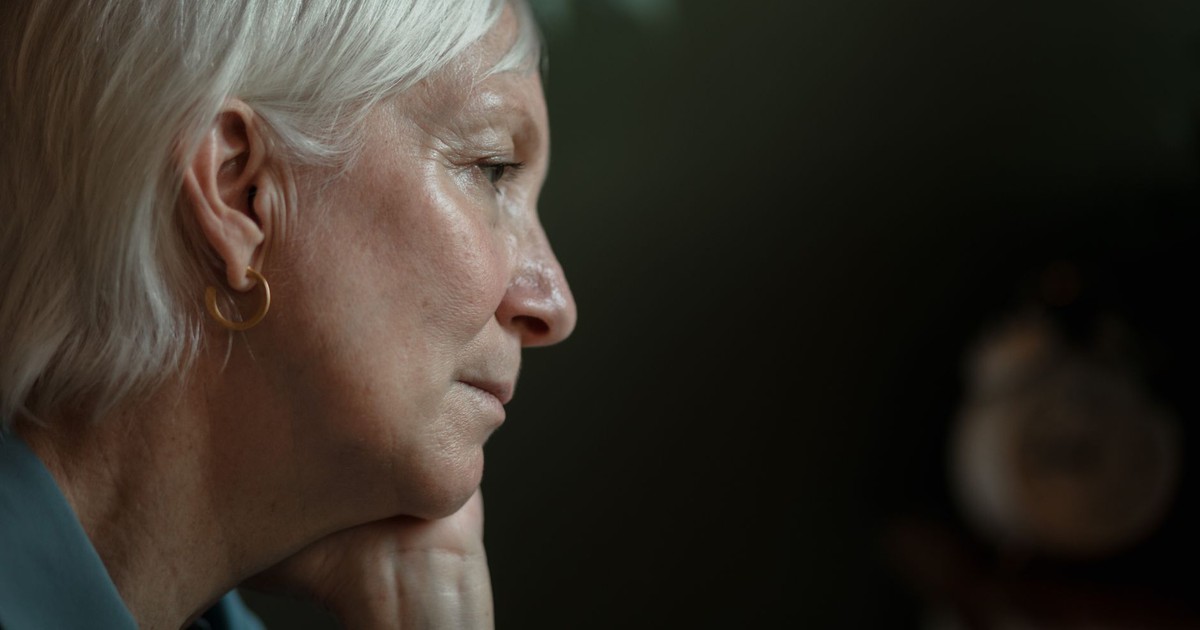

Every treatment conversation about depression eventually arrives at the same two options: medication or therapy, or usually both. Those are real tools, and no serious person is dismissing them. But what happens in the space between diagnosis and relief, or for the millions of people who want something complementary to the treatment they are already receiving? Researchers studying sleep disorders, circadian rhythms, and psychiatric inpatient populations have spent the last decade accumulating data on two wearable interventions that started as niche clinical tools and are now drawing serious scientific attention: light therapy glasses and weighted vests and blankets. Neither was designed with depression as the primary target. Both ended up there anyway.
The accidental nature of these discoveries is part of what makes them compelling. Chronobiologists investigating jet lag and shift-worker fatigue stumbled onto mood data. Occupational therapists studying sensory processing in children with autism found themselves looking at cortisol levels in adults with major depressive disorder. The evidence has been building, study by study, and what it describes is a set of wearable interventions that can be meaningfully incorporated into a daily routine in thirty minutes or less. The practical barrier to entry is low. The biological pathways behind them are not simple at all.
This report draws on the most current peer-reviewed evidence to examine what wearing these devices actually does to the brain and body, which populations the research supports most strongly, and where the honest limits of the data currently lie.
The Scale of the Problem These Interventions Are Addressing

More than 280 million people worldwide suffer from depression, according to the World Health Organization. The WHO identifies depression as the second largest contributor to global disability, and it is expected to become the world’s largest disease burden by 2030.
The treatment gap is substantial. Standard pharmacological options work well for many patients but carry side effect profiles that lead a significant portion to discontinue use. The number of people suffering from depression continues to grow, and along with the increase in prevalence comes growing demand for treatment resources, which currently, in the mainstream, are psychotherapies and pharmacotherapies. Non-pharmacological adjuncts with strong safety profiles and low barriers to access are not fringe interests – they are clinical necessities. Both light therapy glasses and deep pressure wearables have emerged as candidate interventions precisely because they can be used at home, require no prescription in most jurisdictions, and carry minimal adverse event profiles.
From a sex perspective, females are at a higher risk of suffering from depression than their male counterparts; in 2019, the age-standardized disability-adjusted life year rate for females was over 1.5 times larger than that of males for depression. The demographic that bears the highest burden of depression is also the demographic most likely to be seeking non-pharmacological options, for reasons that range from breastfeeding constraints to workplace stigma to a healthcare system that has historically undertreated women’s mental health complaints.
Light Therapy Glasses: From Seasonal to Non-Seasonal Depression
How They Work
Light therapy glasses are wearable devices that emit bright light, typically in the blue-enriched white or green spectrum, positioned close enough to the eyes that the photons reach the specialized retinal cells that connect directly to the brain’s master clock. Light therapy glasses operate on a fundamental biological principle: light is a powerful regulator of the internal body clock, and when specific wavelengths of light enter the eyes, they trigger a cascade of neurological and hormonal responses that influence everything from mood to alertness.
The pathway is specific and well-documented. Light entering the eye travels along the retinohypothalamic tract to the suprachiasmatic nucleus in the hypothalamus, the structure that governs circadian timing. Higher serotonin levels are associated with improved mood, which explains why light therapy shows effectiveness against seasonal depression. The serotonin connection is critical because serotonin deficiency is one of the core biological features of major depressive disorder, and the most commonly prescribed antidepressants work precisely by modulating serotonin availability. Light therapy reaches the same neurotransmitter through an entirely different biological route.
Research protocols typically instruct participants to wear light therapy glasses for at least 30 minutes each morning upon waking. The timing is not arbitrary. Morning light exposure exerts the most potent resetting effect on the circadian clock because the system is most sensitive to phase-advancing signals in the hours immediately after waking. The typical protocol involves wearing light therapy glasses for 15 to 30 minutes, ideally within the first hour after waking, because morning light exposure has the most potent effect on recalibrating the circadian rhythm.
The Seasonal Affective Disorder Evidence Base
Light therapy was originally developed and validated for seasonal affective disorder (SAD), the subtype of depression characterized by recurrent depressive episodes in autumn and winter. SAD affects approximately 5 percent of adults in the United States. The root cause lies in reduced sunlight exposure during darker months; the brain produces less serotonin, the neurotransmitter responsible for mood regulation, while increasing melatonin production, which contributes to fatigue and low mood.
The evidence for light therapy in SAD has long been considered robust. A 2025 meta-analysis examining different wavelengths across 17 randomized controlled trials involving 773 patients found that white light therapy produced the strongest effects, followed by green, blue, and red light, respectively, for alleviating seasonal mood symptoms. The wearable format of light glasses was found to produce comparable results to stationary light boxes while allowing users to remain mobile during treatment sessions. By positioning the light source closer to the eyes, wearable glasses can deliver effective treatment in shorter sessions compared to traditional light boxes, and the design also allows users to continue morning routines like breakfast preparation, checking emails, or even commuting.
The Non-Seasonal Depression Evidence: A Major Development
The more significant recent development is the accumulating evidence that bright light therapy works for non-seasonal depression, meaning major depressive disorder not triggered by seasonal changes in sunlight. This had been contested in the literature for years. A systematic review and meta-analysis published in 2025 investigated the effectiveness of bright light therapy as an adjunctive treatment for nonseasonal depressive disorders, analyzing whether it was an effective add-on treatment.
In that systematic review and meta-analysis of 11 unique trials with data from 858 patients, statistically significant better remission and response rates were found in the bright light therapy group, with subgroup analysis based on follow-up times also showing better remission and response rates with bright light therapy. The findings suggest that bright light therapy is an effective adjunctive treatment for nonseasonal depressive disorders, and the response time to initial treatment may be improved with the addition of bright light therapy.
A separate 2024 meta-analysis drew on 15 randomized controlled trials spanning nearly three decades, from 1996 to 2024, with data from 883 patients. The results showed positive effects of bright light therapy on alleviating depressive symptoms, with a standardized mean difference of 0.48. Bright light therapy was also associated with a higher response rate at the end of the trial, and the authors concluded it could be a convenient and easily accessible treatment modality to augment psychotherapy and pharmacotherapy.
For context, a standardized mean difference of 0.48 is considered a moderate effect size. It is comparable to effect sizes reported for some second-line antidepressant medications, which is a meaningful statement about a wearable device worn for thirty minutes over breakfast.
Who Benefits Most and What the Research Still Can’t Confirm
The evidence is strongest for adults with a clear circadian disruption component to their depression, which includes SAD patients, people with shift-work-related mood disorders, and patients whose depression presents with hypersomnia and fatigue rather than insomnia and agitation. Bright light therapy has come into increasing focus in the treatment of adolescent depression, and light glasses today appear to be more feasible than light therapy boxes.
Research on older women has also generated promising feasibility data. In a pilot study, 77.78 percent of participants expressed strong satisfaction with involvement, all intervention group participants strongly agreed that the light therapy glasses were acceptable, and 75 percent reported using them daily with an average of 32.23 minutes per day.
The honest caveat: most individual trials are small, and the populations studied are not always representative. The 2025 meta-analysis from NIH covered 858 patients across 11 trials, which is a reasonable evidence base for an adjunctive treatment but not yet the magnitude of evidence behind established pharmacotherapies. Light therapy glasses are not a standalone treatment for severe depression. Every credible research team studying them frames the intervention as an augmentation strategy alongside existing care, not a replacement for it.
Weighted Wearables: Deep Pressure and the Depressed Nervous System
Deep Pressure Touch
The second category of wearable intervention, weighted vests and weighted blankets, operates through an entirely different biological pathway. The underlying principle is deep pressure stimulation, a form of tactile input delivered through evenly distributed weight across the body’s surface. A weighted blanket can stimulate the parasympathetic nervous system through deep pressure touch, according to a 2024 meta-analysis in the Journal of Psychiatric Research.
The parasympathetic nervous system runs in contrast to the sympathetic nervous system, which controls the body’s fight-or-flight response. Stimulation of the parasympathetic system by deep pressure touch promotes the release of serotonin and dopamine and lowers levels of cortisol, the primary stress hormone. The result is a lower heart rate, steadier breathing, and more relaxed muscles.
This biochemical sequence is directly relevant to depression, not just anxiety. Chronic elevation of cortisol is a well-documented feature of major depressive disorder. Serotonin and dopamine deficiencies are central to the neuroscience of depression. A wearable intervention that demonstrably moves all three of those markers in a favorable direction is not a trivial thing. The question is whether the effect sizes are clinically meaningful in a depressed population.
What the Psychiatric Research Shows
The primary psychological outcomes of interest in weighted blanket research for psychiatric populations include anxiety, depression, anger, and mood disturbance. A 2024 systematic review and meta-analysis published on this question gathered evidence from randomized controlled trials across English and Chinese language databases, with a comprehensive search initially conducted in May 2023 and then updated in July 2024.
Weighted blankets have improved anxiety symptoms in psychiatric patients, according to that 2024 review and meta-analysis. Scientists are also studying whether weighted blankets may help people with other mental health conditions, including depression, bipolar disorder, and schizophrenia.
A 2020 study found that weighted blankets may improve sleep, fatigue, depression, and anxiety during the day in people with major depressive disorder and bipolar disorder, among other conditions, after four weeks of use. The link between sleep disruption and depression is particularly significant here: disrupted sleep is both a symptom and a driver of depression, and interventions that improve sleep quality without pharmacological dependence have an obvious role in comprehensive depression management.
For those navigating the mental health system and looking for non-pharmacological support strategies, the emerging evidence around wearable interventions offers a genuinely practical entry point alongside formal treatment.
Sleep Outcomes as a Depression Pathway
The sleep connection deserves its own attention because it is one of the most consistent findings in weighted blanket research. Weighted blankets are an emerging non-pharmacotherapy for sleep disorders, and research has specifically aimed to evaluate whether they can improve sleep quality and sleep-related symptoms among adults with insomnia.
A 2024 pilot randomized controlled trial found that the weighted blanket group had significant improvements in sleep quality compared to the normal blanket group after one month of intervention, with similar results observed for daytime sleepiness, stress, anxiety, fatigue, and bodily pain. The researchers concluded that weighted blankets might be an effective, safe, and promising non-pharmacotherapy for improving sleep-related symptoms among adults with insomnia, while noting that validation with a larger sample size is still needed.
Given that sleep disturbances affect a substantial majority of people with major depressive disorder, a wearable intervention that demonstrably improves sleep quality has an indirect but potent effect on depressive symptoms. Treating the sleep disruption doesn’t cure the depression, but it removes one of its most self-perpetuating reinforcing loops.
Practical Application: What the Protocols Actually Look Like
Both interventions share a key practical characteristic: they fit into existing daily routines without requiring dedicated treatment time. Light therapy glasses are worn for thirty minutes in the morning while the user makes coffee, answers emails, or eats breakfast. Weighted vests can be worn during sedentary work periods. Weighted blankets are used during sleep or during rest periods of thirty minutes or more.
The weight question for blankets is consistently addressed in the research. When choosing a weighted blanket, the general guidance from clinical research is to find one that weighs approximately 10 percent of your body weight. Heavier is not better; the goal is even, consistent pressure, not compression. The 15-pound (6.8 kilogram) blanket used in a 2024 study of anxiety reduction before surgery represented roughly 10 percent of the average adult body weight in the test population.
For light therapy glasses, timing and consistency matter more than session duration once the minimum threshold of 30 minutes is met. Daily use during problematic seasons yields better results than occasional longer sessions. For non-seasonal depression, the emerging protocols suggest year-round use may be more appropriate, though the research base for long-term non-seasonal use is still developing.
Neither intervention is appropriate as a standalone treatment for moderate to severe depression. The research consistently frames both as adjunctive strategies, meaning they are intended to work alongside medication, psychotherapy, or other established treatments. They are not replacements.
Limitations and What Researchers Still Need to Resolve
The evidence base for both interventions, while encouraging, carries documented limitations that any responsible account of this research must include.
For light therapy glasses specifically: most trials still involve small sample sizes, and the reasons why they benefit non-seasonal depression are not yet fully characterized. The circadian disruption theory is compelling for SAD, but non-seasonal MDD is a more heterogeneous condition, and it is not yet clear which subtypes of MDD respond best to light augmentation. The 2025 meta-analysis from NIH covered 858 patients across 11 trials, which is informative but not yet definitive at the scale needed to shift treatment guidelines universally.
For weighted wearables: most of the robust evidence is in anxiety reduction rather than depression specifically. The research on depression outcomes is promising but less mature. Weighted blankets are an intervention used in healthcare settings for alleviating anxiety and sleep problems, and selection of appropriate outcome measures that capture relevant effects remains important in clinical practice and research. The variability in how studies measure outcomes makes cross-study comparisons difficult.
There is also the question of for whom these interventions do not work. Not every person with depression has a circadian disruption component. Not every person with depression will find deep pressure calming rather than uncomfortable. Individual responses vary considerably, and the research base is not yet large enough to provide reliable predictors of who will respond and who will not.
What the Science Earned
The research on wearing for depression has reached a point of serious clinical credibility, even if it has not yet reached the scale needed to rewrite treatment guidelines. Two decades ago, the idea that wearing glasses for thirty minutes each morning or sleeping under a heavier blanket could measurably improve depressive symptoms would have been dismissed outright by mainstream psychiatry. Today, that dismissal would be scientifically inaccurate.
Bright light therapy, delivered via wearable glasses in morning sessions of approximately 30 minutes, has demonstrated statistically significant effects on both seasonal and non-seasonal depression in multiple meta-analyses covering hundreds of patients, with particular strength as an adjunct to existing pharmacological treatment. Deep pressure stimulation via weighted wearables has demonstrated consistent effects on the neurochemical markers most relevant to depression, with robust sleep improvement data and emerging, though less mature, direct depression outcome data.
Neither intervention is without limitation, and neither should be approached as a primary treatment for moderate to severe depression without clinical supervision. What they represent is something the field of depression treatment has been genuinely lacking: low-cost, low-risk, wearable tools that can be deployed within a normal daily routine, that work through well-characterized biological pathways, and that the research community is increasingly taking seriously. Some people will try one of these and feel nothing. Others will notice a difference within the first two weeks that they haven’t been able to get from a second cup of coffee or a longer sleep schedule. The research doesn’t promise outcomes for individuals – it describes probabilities across populations. What you do with that information, and whether you try it alongside the other things already in your routine, is your call entirely.
Disclaimer: This information is not intended to be a substitute for professional medical advice, diagnosis, or treatment and is for information only. Always seek the advice of your physician or another qualified health provider with any questions about your medical condition and/or current medication. Do not disregard professional medical advice or delay seeking advice or treatment because of something you have read here.
AI Disclaimer: This article was created with the assistance of AI tools and reviewed by a human editor.