

For a long time, retirement after 65 sounded like a clear finish line. People imagined closing the office door forever, collecting a pension, and spending the rest of their days on leisure alone. Yet more older adults now choose to stay in paid work or self-employment, even when money is not the pressure point. Researchers studying those who enjoy working after 65 find that many seniors stay because work supports health, purpose, and connection, not only income. A large qualitative study in the Netherlands found that daily routine, meaningful activity, and feeling useful were central reasons for staying in work beyond retirement age.
One participant captured the feeling simply: “I am not working for the pay slip. I am working because I still feel needed.” That kind of motivation touches identity and well-being as much as the wallet. This article explores why seniors keep working when they could stop. It draws on research from universities, health agencies, and ageing experts, and it focuses on non-financial motives. The picture that emerges is hopeful. For many people, the right kind of work becomes a tool for healthy ageing, stronger relationships, and a deeper sense of control in later life.
Work Keeps a Sense of Purpose Alive
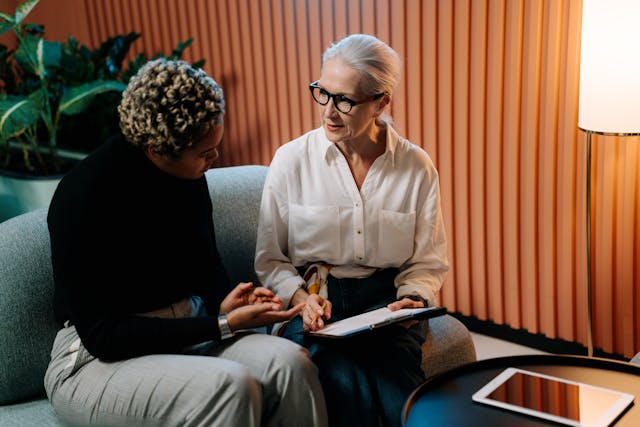
One of the strongest reasons for working after 65 is a desire for purpose. In several studies, older adults described work as “the place where I still make a difference.” Researchers call this “purpose in life,” and they have followed its effects carefully. A landmark study of community-dwelling older adults found that people with a stronger sense of purpose had a lower risk of death over several years of follow-up. Another systematic review reported that higher purpose scores were linked with fewer chronic conditions and less disability. One team concluded that “purpose in life is associated with positive health outcomes among older adults.”
Work is not the only path to purpose, yet it offers a very clear one. Older workers often describe the satisfaction of mentoring colleagues, solving problems, or serving customers. In a large qualitative study on working beyond retirement age, participants talked about wanting to contribute to society and keep using their hard-won skills. As one older engineer said, “I did not study for decades just to sit in a chair now.” These findings align with broader guidance on healthy ageing from the World Health Organization, which defines healthy ageing as the ability to be and do what people value. For many seniors, meaningful work simply remains something they value deeply, so they choose to continue.
Continuing to Work Can Support Brain Health

Many seniors also stay in work because they enjoy feeling mentally sharp. Jobs that involve planning, teaching, problem-solving, or learning new tools can provide powerful cognitive stimulation. Researchers have investigated how retirement timing affects thinking skills, and several studies suggest that ongoing work may help maintain certain functions. The Whitehall II study in the United Kingdom followed thousands of civil servants over many years. It found that cognitive scores declined with time for everyone, but declines in verbal memory were significantly faster after retirement than before, even after accounting for health and lifestyle factors. A more recent study from China reported that later retirement was associated with better cognitive status and physical functioning, even after adjusting for self-selection.
Researchers are careful not to promise that work prevents dementia. However, they do suggest that mentally engaging roles can be part of a brain-healthy lifestyle, alongside movement, sleep, and social connection. As one geriatrician explained to patients, “Your brain likes challenges that feel achievable, and the right job can offer those every day.” Older workers themselves often express this in simple terms. A long-time bookkeeper might say, “The numbers keep me on my toes.” A science teacher might describe preparing new lessons as a way to stay curious. Those feelings of challenge and growth can be very attractive in later life, especially when the alternative feels like long stretches of unstructured time.
Work Encourages Movement and Daily Activity

Another reason why seniors keep working is surprisingly basic. Having a job gets them up, dressed, and out of the house. Even relatively sedentary jobs still involve walking, standing, and general movement that can support physical functioning. A study of older Danish workers found that those who continued working beyond retirement age reported fewer falls, less memory loss, and better self-rated health compared with retirees of similar age. Other research on late retirement also links continued work with better physical functioning, even after adjusting for background health.
The US National Institute on Aging notes that regular physical activity helps older adults maintain muscle mass and independence. It reports that moderate to vigorous movement is strongly associated with better muscle function across the lifespan. Work is not a substitute for exercise, yet it can create a basic layer of daily activity that keeps people from becoming completely sedentary. Many seniors describe this in very practical language. “If I did not have a shift, I would sit in my armchair all day,” one older cashier told researchers. Another said, “My job forces me to walk, and that is good for my knees.” These stories reflect what health agencies stress in their guidance. For ageing bodies, movement is vital, and work can gently require it.
Staying in Work Protects Social Connection

Loneliness is a growing concern in older age, and social isolation is now recognised as a health risk on its own. Workplaces can provide a powerful buffer because they offer regular contact, shared projects, and simple daily chats that many people would miss otherwise. A mixed-methods study on early retirement and extended working life found that maintaining social contacts was one of the most frequently reported reasons for not retiring fully when people could. Another review of quality of life in retirement highlighted social participation as a key factor shaping wellbeing, alongside health and financial security.
The World Health Organization’s Decade of Healthy Ageing initiative places strong emphasis on enabling older people to remain engaged with their communities and to be recognised as “agents of change,” not only service users. Part of that engagement happens in paid work, where older adults can share expertise, support colleagues, and feel part of shared goals. Seniors often describe their workplace as a second community. A long-serving nurse might say, “This ward is my family as much as my own.” An administrative assistant could share, “I know every birthday and every grandchild’s name here.” Those ties are not easily replaced by occasional social clubs. For many people, continuing to work after 65 helps maintain important relationships.
Read More: The Best Small Towns in America to Retire To, According to Data—See the Top 30
Using Skills and Mentoring Others Feels Deeply Rewarding

For many older adults, work after 65 is less about climbing ladders and more about passing knowledge on. They enjoy mentoring younger colleagues, training new staff, or contributing to complex projects with the steady confidence of experience. This sense of mastery and contribution can feel very satisfying. A qualitative study on working beyond retirement age found that many participants stayed because they wanted to use their competencies and skills in ways that still felt valuable. Another study on retirement-aged workers in Slovenia reported that people who continued to work often spoke about professional pride and the joy of “doing what I am good at” for longer.
Research on work-related well-being also shows that job satisfaction and feelings of accomplishment are strongly linked with overall subjective well-being. One review of older employees concluded that positive work factors, such as autonomy and meaningful tasks, can support mental health in later working life. Many seniors express this with quiet humour. A semi-retired mechanic might joke, “The cars still listen to me, so why would I stop?” A senior manager could say, “My favourite part is coaching the new recruits, not sitting in the big chair.” These feelings of usefulness and generosity can make continued work feel less like an obligation and more like a chosen way to contribute.
Work Provides Structure During a Big Life Transition
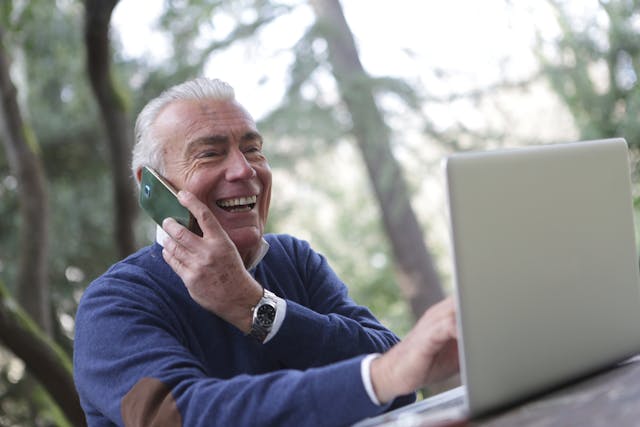
Retirement is often presented as pure freedom, yet the shift can be emotionally complex. Some people thrive without a schedule, but others feel restless, bored, or unsure how to organise their days. For them, continuing to work part-time or in a flexible role provides a helpful structure. A qualitative study on motives for working beyond retirement age identified “maintaining daily routines” as one of the most important reasons people chose to stay in employment. Participants described how regular hours, familiar tasks, and known responsibilities made life feel more balanced. One older worker said, “My week makes sense when I have workdays and free days, not only free days.”
Research on the retirement transition suggests that people often need time and support to rebuild identity and meaning outside paid work. Continuing some form of work can act as a bridge while they experiment with new roles, such as volunteering, caregiving, or creative projects. Instead of a sudden break, they experience a gradual shift. Many seniors design their own “bridge jobs” with fewer hours and more control. A former full-time accountant might consult for a couple of clients. A teacher might tutor two afternoons a week. As one retiree put it, “I like having a reason to check the calendar.” That sense of rhythm can make later life feel more grounded and less confusing.
Autonomy and Control Matter as Much as Pay
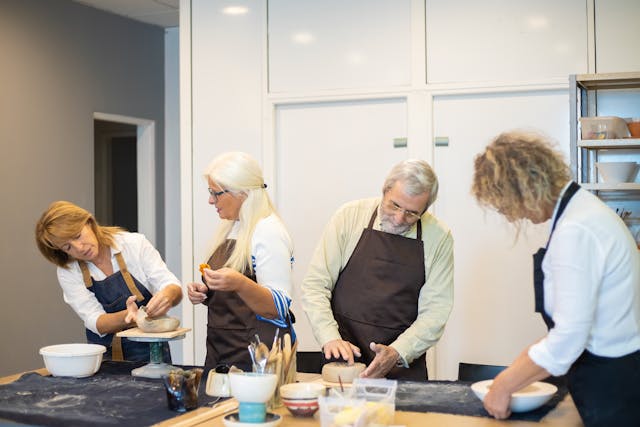
Researchers increasingly find that autonomy and respect are central to why seniors keep working. Older workers often say they will stay if the work is flexible and if their experience is recognised. They are less willing to tolerate poor conditions than they were at 40, and more willing to choose roles that fit their values. A mixed-methods study in Japan identified several factors that encouraged older workers to continue in their jobs. Health, self-esteem, social support, and non-monetary rewards all played important roles, while monetary rewards alone did not predict job continuity.
Another analysis of older workers’ motives found that people with higher socioeconomic status more often cited non-financial motives, such as enjoyment, interest, and autonomy. Psychological empowerment seems to matter as well. One study reported that older employees who felt able to influence their work and make meaningful decisions were more motivated to delay retirement. As one participant summed it up, “I will keep working as long as I can say yes or no myself.” These findings echo healthy ageing frameworks that stress dignity, choice, and human rights for older people. When seniors choose to work after 65 on their own terms, they are not clinging to the past. They are exercising agency in a society that often treats older adults as passive.
Working Longer Can Challenge Ageism

Some seniors keep working because they are tired of being underestimated. Ageist stereotypes suggest that everyone over 65 is frail, rigid, or out of touch. Yet many older workers are productive, adaptable, and eager to learn. Staying in the workforce allows them to challenge negative assumptions with real examples from daily life. Recent research on workplace ageism found that discriminatory attitudes at work can harm older people’s wellbeing and shape how they see their own ageing. However, the same study also suggested that positive experiences of work and inclusion can support healthier attitudes and a better mood. When older workers feel respected, they benefit, and so do their colleagues.
The World Health Organization urges governments and employers to address ageism as part of the Decade of Healthy Ageing, stating that older people’s voices must be heard and their rights protected. Workplaces that retain seniors in meaningful roles help move society toward that goal. Older adults themselves often speak very plainly about this. “People assume I cannot handle technology, then I train the new staff,” one office worker explained. Another said, “As long as I do good work, I prove that age is not the only story.” For some, continuing to work after 65 is a quiet form of advocacy.
Rethinking Retirement as a Flexible Journey

The research on people who are still working after 65 paints a nuanced picture. Extended work can support health, well-being, and satisfaction when the job fits the person, respects limitations, and offers genuine rewards beyond pay. A systematic review on working in later life found that people who stayed in work often reported better mental health than those who were not working, although results varied by job type and context. At the same time, experts stress that work in later life must be safe and adaptable. Physically demanding jobs may need adjustments. Chronic illness may require flexible scheduling. Policies that create flexible, age-friendly work conditions can help older adults choose what suits them best, rather than feeling pushed in or out.
For individuals, the best question may not be “Should I retire at 65 or not?” A better question might be “What mix of work, rest, learning, and relationships will support my health and values now?” As one ageing expert put it, “Healthy ageing is about being able to do what you value, for as long as possible.” For many seniors, work is still one of those valued activities. They stay not because they must, but because the right role gives them purpose, connection, and a reason to greet each morning with interest. In that sense, choosing to work after 65 is not a failure to retire. It is one more way to build a meaningful later life on their own terms.
Disclaimer: This article was created with AI assistance and edited by a human for accuracy and clarity.
Read More: Retirees Are Leaving Florida: 5 States Poised to Be the Top Retirement Spots in 10 Years