

Breakfast has a reputation it hasn’t fully earned. The first meal of the day gets held up as this sacred, health-forward ritual – the thing that sets the tone, fuels the brain, keeps the metabolism humming. That reputation creates convenient cover for a lot of foods that are, nutritionally speaking, not much better than dessert with a morning timestamp.
You can eat something that looks and sounds healthy – a muffin, a smoothie, a bowl of cereal – and still end up hungrier at 10am than if you’d had nothing at all. The issue is rarely calories. It’s how fast those calories enter your bloodstream, how quickly they disappear, and what your body does in the crash that follows.
None of this is about eating perfectly or turning breakfast into a wellness project. It’s useful to know which foods are actively working against you at 7am, because some of them are probably in your cabinet right now, and some of them have very good marketing.
1. Sugary Breakfast Cereal
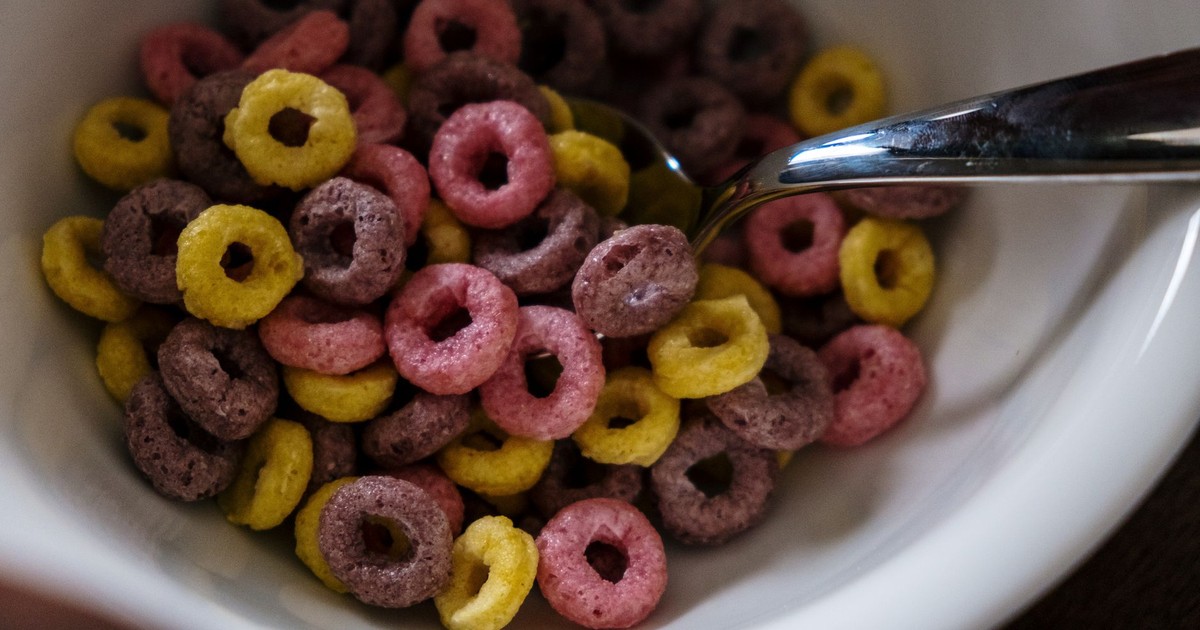
The cereal aisle is a monument to extremely effective packaging. Boxes with bright colors, bold claims about whole grains, and a font that implies athleticism – and inside, something functionally closer to candy than to a meal. Many store-bought cereals are packed with refined sugars and processed carbs, which cause a quick rise in blood sugar, followed by a sudden drop that leaves you with unstable energy levels and cravings for more carbohydrates before noon.
Dietitian Michelle Saari, MSc, RD, notes that cereals “tend to be high in sugar without much other nutritional value,” and without fiber, there is nothing to help regulate your blood sugar. The cereal itself isn’t filling you up – it’s just spiking you and dropping you. Pair it with low-fat milk and you’ve added a small amount of protein, but not enough to offset a bowl of what is essentially sweetened puffed air.
2. Flavored Yogurt

Plain yogurt is genuinely a good breakfast food. High in protein, probiotics, and calcium – it does what breakfast is supposed to do. Flavored yogurt is a different product wearing the same name. Strawberry, peach, vanilla, mixed berry: all of them rely on added sugar to deliver the flavor.
A single cup of fruit-flavored yogurt can contain as much sugar as a candy bar. The 2025-2030 Dietary Guidelines for Americans recommend that no meal should contain more than 10 grams of added sugars – a bar that most flavored yogurts don’t come close to clearing.
Plain Greek yogurt with a handful of berries or a drizzle of honey gives you the texture, the protein, and something that actually tastes like fruit, without the processed sugar load. You lose about 15 grams of added sugar and gain an hour of sustained energy.
3. Store-Bought Muffins

A muffin is a cupcake that skipped its own frosting. That’s not a moral judgment – it’s an accurate description of what’s in most commercial muffins: refined white flour, sugar, vegetable oil, and enough butter or shortening to make the crumb feel generous. They are sold next to the coffee as though they belong there, and they taste good enough that this transaction has been happening for decades without anyone asking too many questions.
The combination of refined carbohydrates and saturated fat creates a breakfast that is both calorie-dense and nutritionally sparse. You get the spike from the refined flour and sugar, and the fat slows digestion just enough to make you feel full temporarily – but not long enough. By mid-morning, the spike has resolved into a crash and the fullness has cleared, and you’re staring down a vending machine.
Homemade muffins made with whole wheat flour, oats, or almond flour and reduced sugar are a genuinely different food with a similar shape. The commercial version and the homemade version share a name and almost nothing else. If you’re grabbing something from a coffee shop case, what you’re eating is closer to a small cake than to breakfast.
4. Pancakes with Syrup

Pancakes are delicious. No one is disputing this. Standard pancakes made with white flour contain minimal fiber or protein, and a two-pancake serving with butter and syrup clocks in at around 91 grams of carbohydrates – a carbohydrate load that the average person’s blood sugar is not well-equipped to absorb gracefully at 8am. Two tablespoons of pancake syrup alone adds at least 24 additional grams of carbohydrates.
This wouldn’t be a catastrophe if you were about to run a half marathon. For a typical morning of school drop-offs, desk work, and the general effort of existing, it’s a lot. The glucose enters the bloodstream fast, insulin responds hard, and the drop comes earlier than you’d like.
Whole wheat flour, a scoop of protein powder in the batter, Greek yogurt or nut butter instead of syrup – any of these changes move the glycemic curve enough to make a difference. The pancakes themselves aren’t the enemy. The lack of fiber, fat, and protein to slow the carbohydrates down is.
5. Bagels

A bagel carries around 55 grams of carbohydrates and is typically made with high-glycemic flour that digests quickly and spikes blood sugar. The high carbohydrate content also contributes hundreds of calories, which can accumulate into weight gain when eaten regularly, according to dietitian Jesse Feder, RDN, CPT.
What makes a bagel worse than regular bread isn’t just the portion size, though that’s part of it – a standard bagel is the carbohydrate equivalent of nearly four slices of bread. It’s also the density. Bagels are baked in a way that compresses the refined carbohydrates into a tight structure that digests relatively quickly without the fiber to slow it down. Add cream cheese and you’ve added fat and calories but still very little protein or fiber to change how that glucose wave moves through your system.
A whole wheat bagel is marginally better, but “marginally” is doing real work in that sentence. If you love a bagel, a half bagel with protein on the side – eggs, smoked salmon, cottage cheese – at least changes the nutritional context enough to matter.
6. Fruit Juice

Fruit juice is one of the more stubborn nutrition myths, largely because it sounds healthy and is sold in the produce section. A glass of orange juice and a glass of soda have more in common than most people want to believe: both are liquid sugar, both are digested rapidly, and neither contains meaningful fiber to slow the glucose absorption down.
What whole fruit has that juice doesn’t is structure. The fiber in an apple or orange physically slows digestion and changes how quickly sugar enters your bloodstream. When you remove the fiber and drink the juice, you get a fast glucose spike without the satiety that came with the original food.
A glass of juice with breakfast isn’t a catastrophe if the rest of the meal has protein, fat, and fiber. As the primary breakfast drink for a child who’s about to sit through three hours of school, it’s a reliable setup for a mid-morning attention problem.
7. Flavored Coffee Creamers

Coffee on its own is fine. Black coffee is, nutritionally, almost nothing – a small amount of caffeine and antioxidants, no sugar, no meaningful calories. What most people drink is not black coffee. It’s coffee with two or three generous pours of a flavored creamer that contains hydrogenated oils, added sugar, and artificial flavoring that does a convincing impression of vanilla or hazelnut.
A single tablespoon of many popular flavored creamers contains 5 grams of sugar, and most people use significantly more than a tablespoon. Two or three tablespoons in your first coffee, another two in the second: you’ve added 20 to 30 grams of sugar to your morning before you’ve touched a single piece of food. The Dietary Guidelines for Americans 2025-2030 recommend no more than 10 grams of added sugars per meal – a limit that a generous pour of flavored creamer can blow past on its own.
The sugar isn’t the only concern. Partially hydrogenated oils, which appear in some creamers, are associated with elevated LDL cholesterol. Swapping to whole milk, oat milk, or half-and-half with no added sugar doesn’t change the coffee experience dramatically but changes the nutritional profile considerably.
8. Instant Flavored Oatmeal Packets
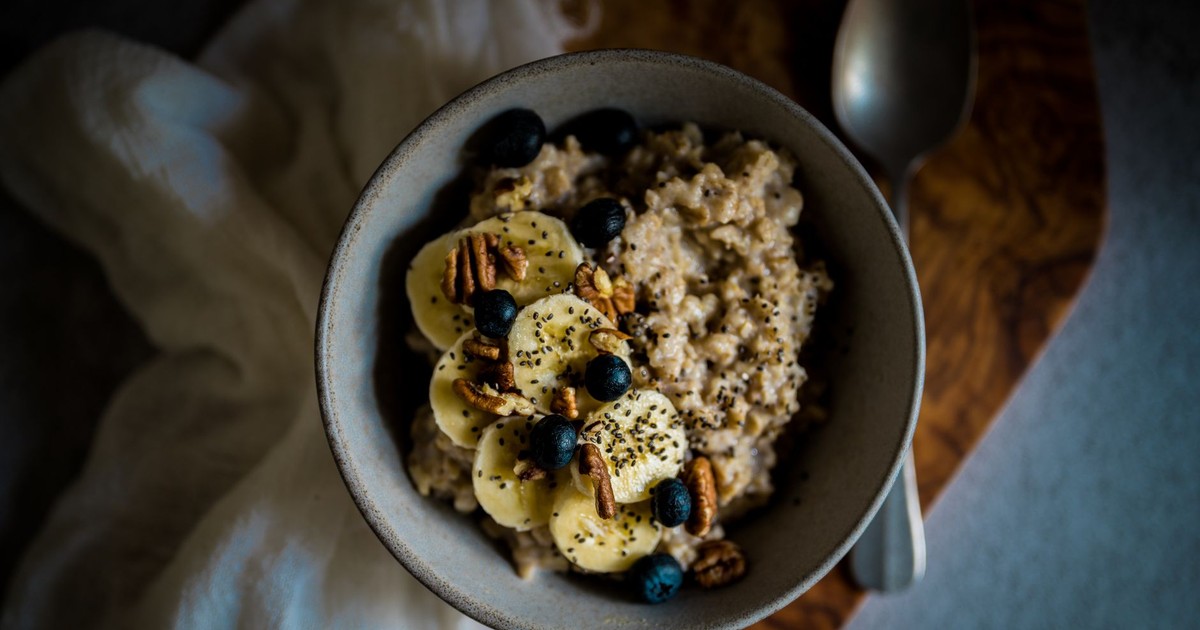
Regular oatmeal is an excellent breakfast. Whole rolled oats are high in soluble fiber, which slows digestion and keeps blood sugar from spiking sharply for hours. Instant flavored oatmeal packets are a different product with similar raw material. The oats are pre-cooked and finely cut so they digest much faster than rolled oats, and they come pre-loaded with sugar, artificial flavoring, and sodium.
A single packet of apple cinnamon or maple brown sugar instant oatmeal can contain 12 to 14 grams of added sugar, plus significantly less fiber than the same volume of rolled oats. The glycemic response to instant oatmeal is meaningfully faster than the response to steel-cut or rolled oats, which matters when you’re trying to stay focused for more than 90 minutes. The name “oatmeal” is doing a lot of PR work that the product itself hasn’t entirely earned.
Plain rolled oats – even the quick-cook variety – with a handful of nuts, some berries, and no added sugar is a genuinely different meal from the flavored packet version, and takes about the same amount of time to prepare.
9. White Toast with Jam

White bread is refined wheat flour: the bran and germ have been removed, leaving mostly starch with very little fiber or protein. Toast it, spread it with jam – which is largely sugar with fruit flavoring – and you have a breakfast that is almost entirely rapidly digested carbohydrates, with nothing to slow the absorption.
The glycemic index of white bread sits around 70 to 75. Jam adds more sugar on top of that. The resulting blood sugar response is fast and steep, and the crash follows accordingly.
Sourdough bread, made through a fermentation process that partially breaks down the starch, has a lower glycemic response than standard white bread. Whole grain bread is better still. Either one with a protein source – eggs, nut butter, avocado – changes the metabolic math enough to make the meal worth eating.
10. Pastries and Croissants

A croissant is an engineering achievement: dozens of thin layers of butter-laminated dough, light and flaky and completely lacking in nutritional utility. Croissants, pain au chocolat, Danish pastries – this category of food is made almost entirely of refined flour, butter, and sugar, with a glycemic profile that spikes fast and falls hard.
The fat content is high, which creates a temporary feeling of fullness, but the refined flour underneath metabolizes quickly regardless. The body gets the glucose spike from the carbohydrates and the caloric load from the fat without meaningful fiber, protein, or micronutrients to show for it. As a morning food before hours of cognitive or physical work, the croissant is working against you from the moment you bite into it.
This doesn’t mean they should never be eaten. A croissant on a lazy Sunday with nowhere to be is a completely different proposition than a croissant at 7am before a 9am presentation. Context matters. But as a regular morning choice, the pastry case at the coffee shop is optimized for pleasure and absolutely not for sustained energy.
11. Fast-Food Breakfast Sandwiches

The fast-food breakfast sandwich sounds like it should work – it has protein (egg), it has some fat (cheese, meat), and it comes on bread. Most of the bread is a refined white biscuit, croissant, or English muffin with minimal fiber, the “egg” is often a processed egg product rather than a whole egg, and the meat is processed sausage or bacon high in saturated fat and sodium.
The combination of refined carbohydrates, processed meat, high sodium, and saturated fat first thing in the morning is a specific kind of metabolic burden. The sodium alone – many fast-food breakfast sandwiches contain between 800 and 1,200 milligrams of sodium – is a significant fraction of the recommended daily limit for a single meal that takes three minutes to eat. The energy from these meals tends to be short-lived because the blood sugar spike from the refined bread is not offset by enough fiber to slow digestion.
Eggs on whole grain toast with avocado, or a homemade version of a breakfast sandwich on a whole wheat English muffin with a real egg and vegetables, gives you the same basic satisfaction with a nutritional profile that doesn’t work against you for the rest of the morning.
12. Energy Drinks and Sweetened Sports Drinks

Energy drinks as breakfast is a pattern that exists largely because of how long mornings have become and how little sleep people are getting. The appeal is understandable: a large, cold, caffeinated drink feels like a substitute for rest. It isn’t. Most popular energy drinks combine high caffeine, 25 to 30 grams of added sugar, and B vitamins that do very little at the doses included, all in a marketing package that implies athletic performance.
The sugar in a morning energy drink reaches the bloodstream fast, as liquid sugar does. The caffeine masks the subsequent drop for a while, then the caffeine itself clears and the drop is compounded. This is the exact cycle that makes people reach for a second energy drink by mid-morning – which is good for the energy drink industry and not much else.
Sweetened sports drinks have a similar problem when consumed at breakfast without any athletic activity to justify them. They were designed to replace electrolytes during exercise. At a desk at 8am, the sugar is just sugar.
13. Sweetened Protein Bars

Protein bars occupy an interesting middle ground: they’re sold as health food, they have legitimate protein in them, and they’re also, in many cases, candy bars with a gym membership. The protein content is real – usually 15 to 20 grams – but it often comes packaged with 25 to 30 grams of sugar, chocolate coating, and the kind of dense sweetness that makes your blood sugar rise steeply despite the protein presence.
The protein does slow absorption compared to eating pure sugar, so a protein bar is not as bad as a candy bar for breakfast. But “better than a candy bar” is a low bar. Many popular bars use sugar alcohols or artificial sweeteners to keep the calorie count down, which can cause gastrointestinal discomfort in some people – a specific kind of morning problem nobody needs.
If you’re going to eat a protein bar for breakfast, check the label for bars with less than 10 grams of sugar, at least 3 grams of fiber, and 15 or more grams of protein. That combination exists, but it requires reading the back of the package rather than trusting the front.
14. Smoothies with No Protein or Fat

A fruit smoothie made at home can be a genuinely good breakfast. The same smoothie made with two cups of fruit, a splash of juice, and nothing else is effectively a large glass of blended sugar – nutritious in terms of vitamins and antioxidants, but without protein or fat to balance the carbohydrate load, it delivers a glucose spike that resolves faster than you’d like.
When you eat two cups of fruit, the chewing and the bulk slow digestion naturally. When you blend it, you remove that friction. You can consume the sugar from four pieces of fruit in four minutes without the physical experience of eating four pieces of fruit, and your blood sugar responds accordingly.
Add protein (Greek yogurt, protein powder, nut butter), add fat (avocado, chia seeds, flaxseed), and consider reducing the fruit-to-vegetable ratio. Spinach and kale don’t spike blood sugar. Banana and mango do, especially in volume. A smoothie with protein and fat is a completely different metabolic event than a smoothie without them. The blender is not the problem. What goes in it is.
What the Pattern Actually Tells You
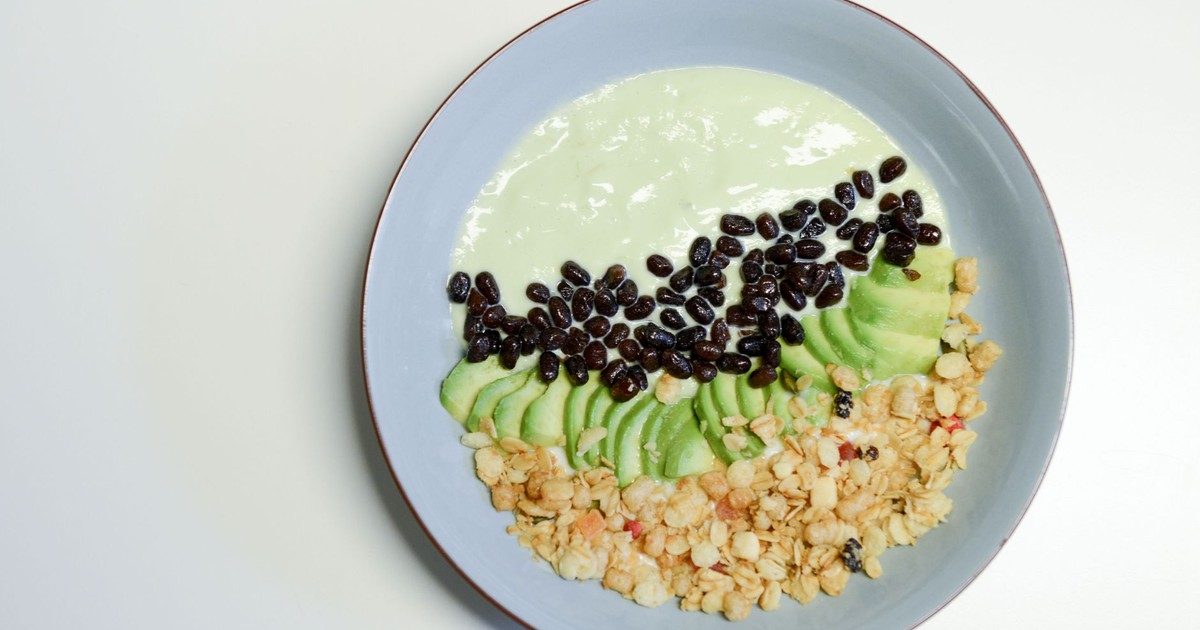
Every single item on this list has something in common: it delivers carbohydrates or sugar quickly, without enough protein, fat, or fiber to slow the absorption. That’s the through-line. Not a specific ingredient, not a single villain food, just the absence of the things that make carbohydrates work in a gradual, sustained way rather than in a spike-and-crash loop.
The Dietary Guidelines for Americans 2025-2030 recommend no more than 10 grams of added sugars per meal, and the most practical way to stay near that number in the morning is to build meals around protein and fiber first, then add carbohydrates around them rather than building carbohydrates and hoping everything else catches up. That’s not a diet. It’s just how blood sugar works.
None of this means you can never have a croissant or a bowl of cereal or a pancake Sunday again. It means that doing those things with your eyes open – knowing that the crash is coming and planning accordingly – is different from doing them every morning and wondering why you’re exhausted and hungry by 10am. Some mornings the bagel is worth it. More mornings it probably isn’t.
Disclaimer: This information is not intended to be a substitute for professional medical advice, diagnosis, or treatment and is for information only. Always seek the advice of your physician or another qualified health provider with any questions about your medical condition and/or current medication. Do not disregard professional medical advice or delay seeking advice or treatment because of something you have read here.
AI Disclaimer: This article was created with the assistance of AI tools and reviewed by a human editor.