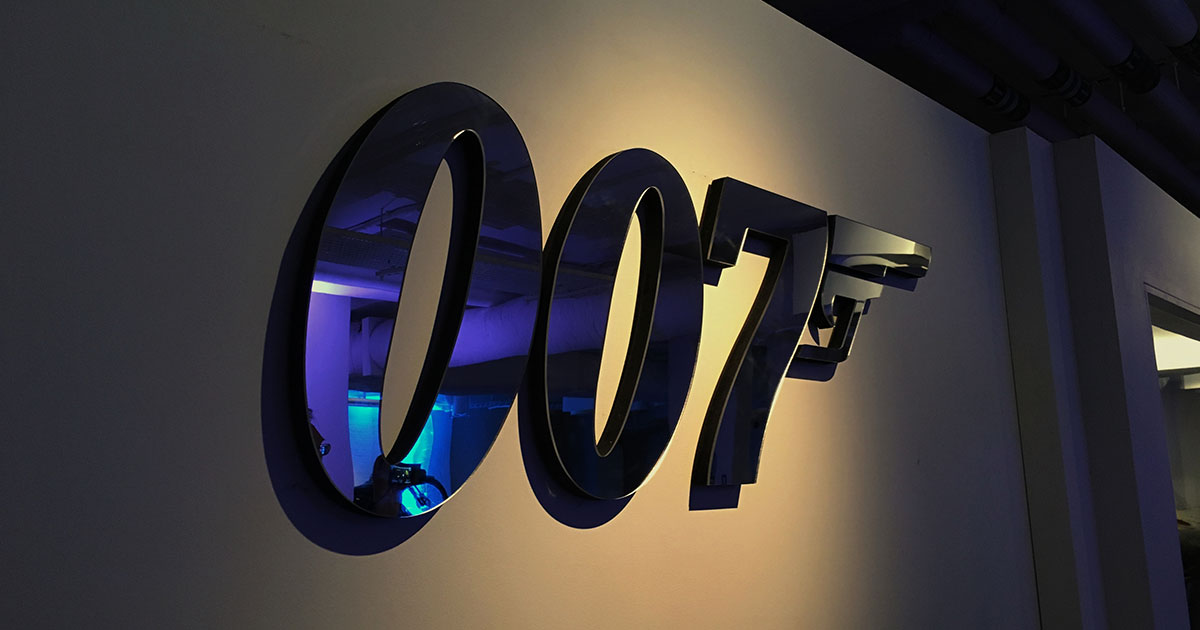

The announcement came the way most things do now: a few seconds of black screen, a figure stepping out of shadow, a gun barrel, and two words on the official 007 account. “Identity confirmed.” The news was announced on the 007 X account, which said: “Identity confirmed,” and: “Robert Pattinson is James Bond.” Five years of speculation, fan campaigns, tabloid shortlists, and very confident wrong predictions ended in under ten seconds of teaser footage.
Pattinson’s casting comes during the longest hiatus in 007 history, ending years of rampant speculation about who would inherit the role from Daniel Craig. The names floated during that time ran from the genuinely exciting to the clearly absurd: Jack Lowden, Callum Turner, Jacob Elordi, Henry Cavill, Damson Idris. Former Bond Pierce Brosnan publicly backed Aaron Taylor-Johnson, calling him a good fit in a 2025 interview.
After years of debate and endless conjecture, Pattinson was unveiled as the next James Bond on Monday, becoming the seventh actor to play the iconic British spy and the first since Amazon MGM took over the beloved film franchise. The Boston Globe covered the announcement. Director Denis Villeneuve, who is attached to helm the 26th film in the series, didn’t undersell the moment. Variety reports that Villeneuve welcomed the new 007, saying: “I am overjoyed to welcome Robert Pattinson as our new James Bond.” He added: “He has the timeless soul of 007 and brings a spirit that is completely new.”
Before Pattinson steps fully into the tuxedo, though, it’s worth looking back at every man who wore it before him. The history of Bond is essentially a running argument about what a man is supposed to be, refashioned once per decade, carried on the shoulders of whoever was brave enough to say yes.
1. Sean Connery (1962-1971): The One They Still Argue About
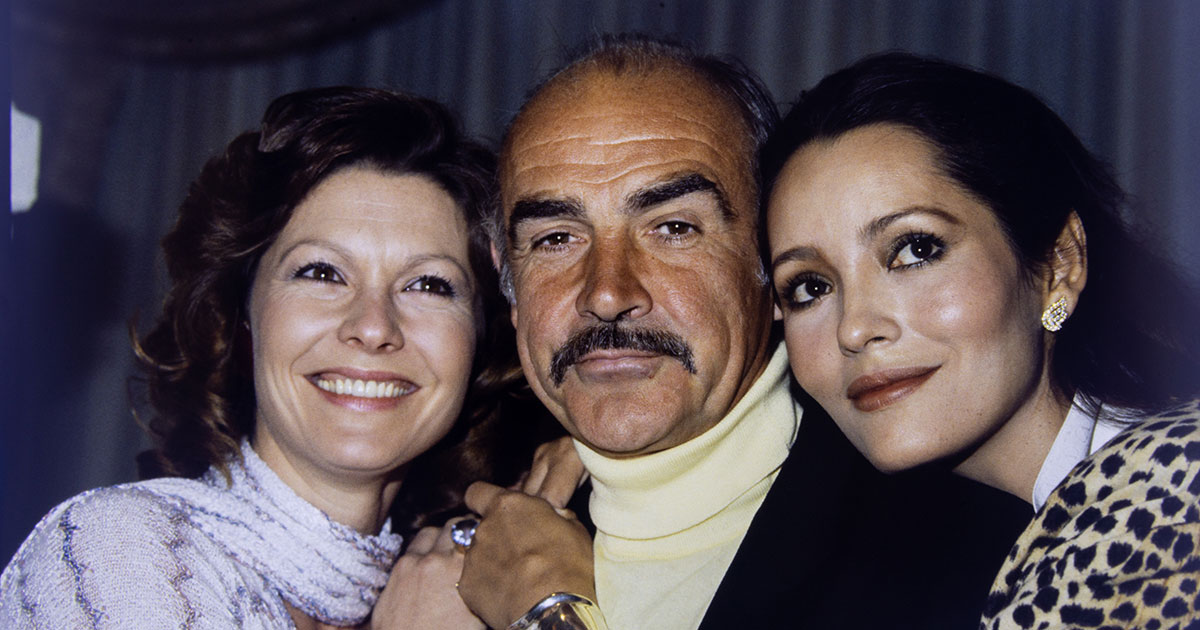
The tall, handsome, and muscular Scottish actor Sean Connery is best known as the original actor to portray James Bond in the hugely successful movie franchise, starring in seven films between 1962 and 1983. He came to the role as a relative unknown, the producers preferring him over the established stars of the era. Dr. No put on the map a then relatively unknown actor, turning him into a potent sex symbol, global icon, and household name. Connery set the standard by which all future Bonds would be measured, investing the role with an insouciant, devil-may-care attitude.
Connery’s Bond could morph quickly and effortlessly from a charismatic, potent lover to a callous and lethal professional. The films moved fast: six official Eon entries in nine years, each one expanding the template: bigger sets, more exotic locations, more elaborate villains. He gave the franchise Goldfinger (1964), which remains the film most people describe when they describe Bond, and From Russia with Love (1963), which Ian Fleming himself reportedly considered the best adaptation of his work.
Connery eventually walked away from the role, twice, before returning for the unofficial Never Say Never Again in 1983, two decades after Dr. No. Some believed that such a career-defining role might leave him unable to escape it, but he proved the doubters wrong, becoming one of the most notable film actors of his generation. He won the Best Supporting Actor Oscar for The Untouchables in 1987. The argument about whether he was the best Bond never actually ended.
2. George Lazenby (1969): The One-Film Wonder
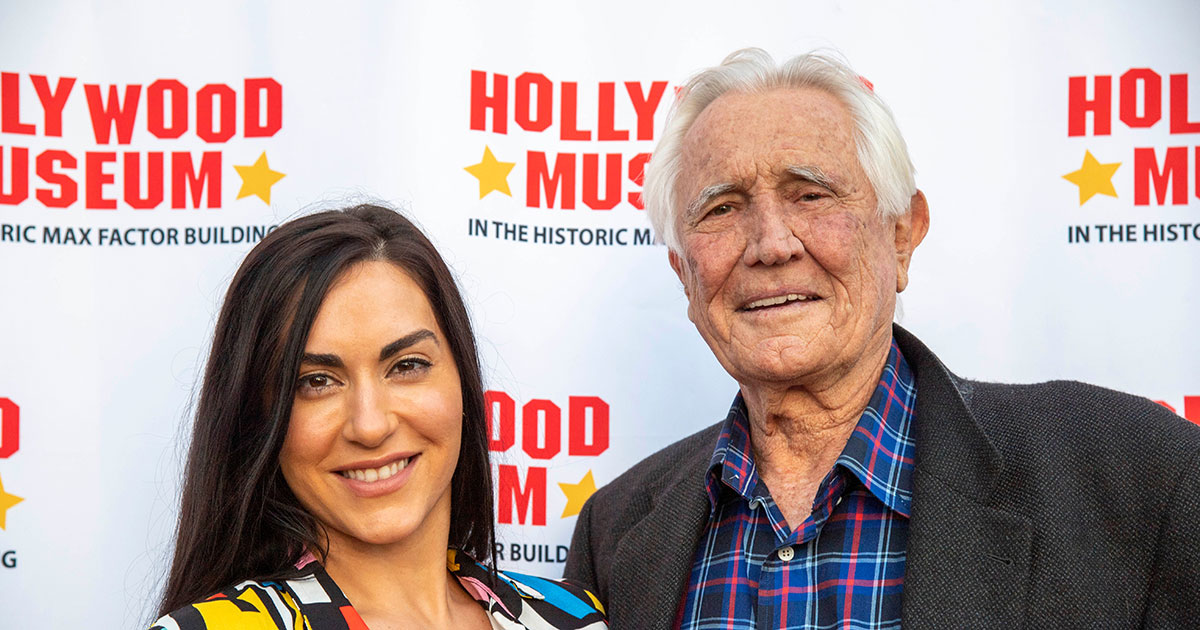
George Lazenby was a car salesman turned model whose only acting experience was in commercials. He won the role with sheer determination and physicality, landing a screen test that convinced the producers he could carry a franchise. Then he didn’t. After all that determination and effort in landing the role, Lazenby declined to sign a multi-picture deal on the advice of his agent. He also reportedly told the press the Bond era was over and wore a beard and love beads to the premiere of a film in which he played a supremely clean-cut secret agent.
None of which is On Her Majesty’s Secret Service‘s fault. His one film is regarded by many fans as one of the highlights of the series, despite Lazenby’s sometimes clear inexperience as an actor. The story – Bond falls in love, gets married, watches his wife get murdered in the final scene – was something no Connery film had attempted or would have attempted. It introduced emotional vulnerability to 007 thirty-seven years before Daniel Craig got the credit for the same idea.
Lazenby went on to work steadily in film and television, mostly in action roles, but the Bond door closed behind him permanently. The role that would have made him a star became, instead, a fascinating footnote.
3. Roger Moore (1973-1985): The Charmer
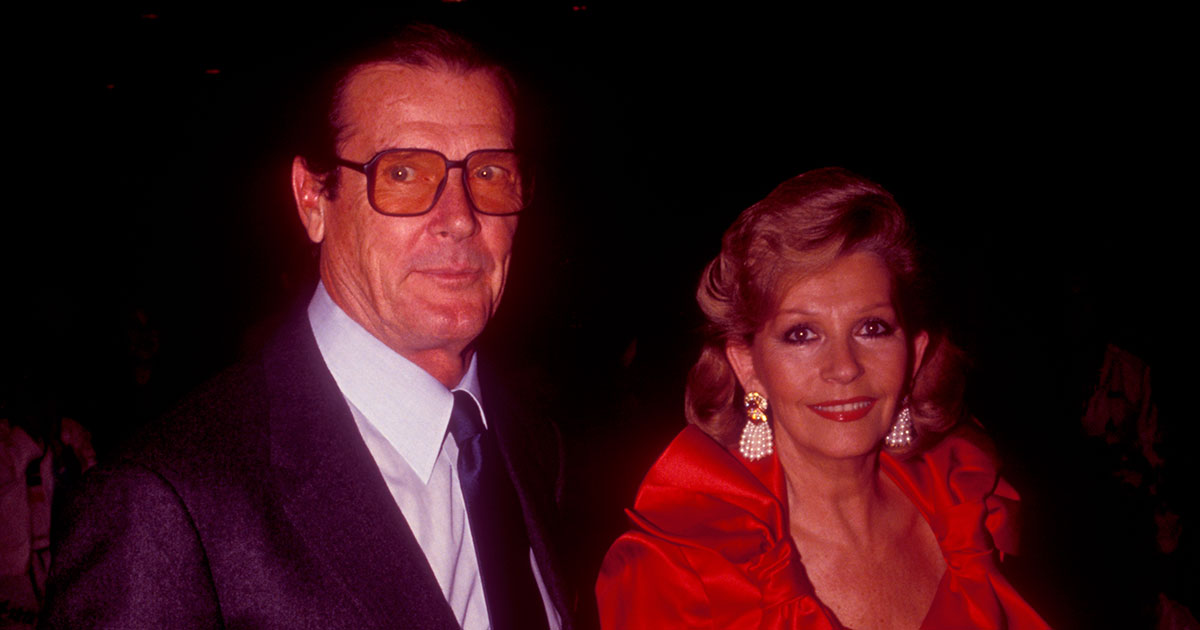
Roger Moore appeared in seven official EON Bond films between 1973 and 1985, making him the longest-running official James Bond actor. He came to the role after establishing himself on British television, particularly in The Saint and The Persuaders, and he brought an entirely different energy from Connery’s coiled menace: an arched eyebrow, a dry wit, and the air of a man who finds the whole thing mildly amusing.
Moore’s era gave Bond bigger stunts, campier villains, and sight gags that some fans loved and others found exhausting. His best films, The Spy Who Loved Me (1977) and For Your Eyes Only (1981), balanced the camp with genuine tension. His later ones, A View to a Kill (1985) particularly, stretched the formula to its limits, with Moore himself acknowledging afterward that he had been too old for the role by several years. He was fifty-seven when he filmed his last scene as 007.
Outside of Bond, Moore portrayed detective Sherlock Holmes in the TV movie Sherlock Holmes in New York in 1976. He was knighted in 2003 for his extensive charity work with UNICEF, work he considered the most important of his life. He died in 2017.
4. Timothy Dalton (1987-1989): The One Who Was Right Too Early
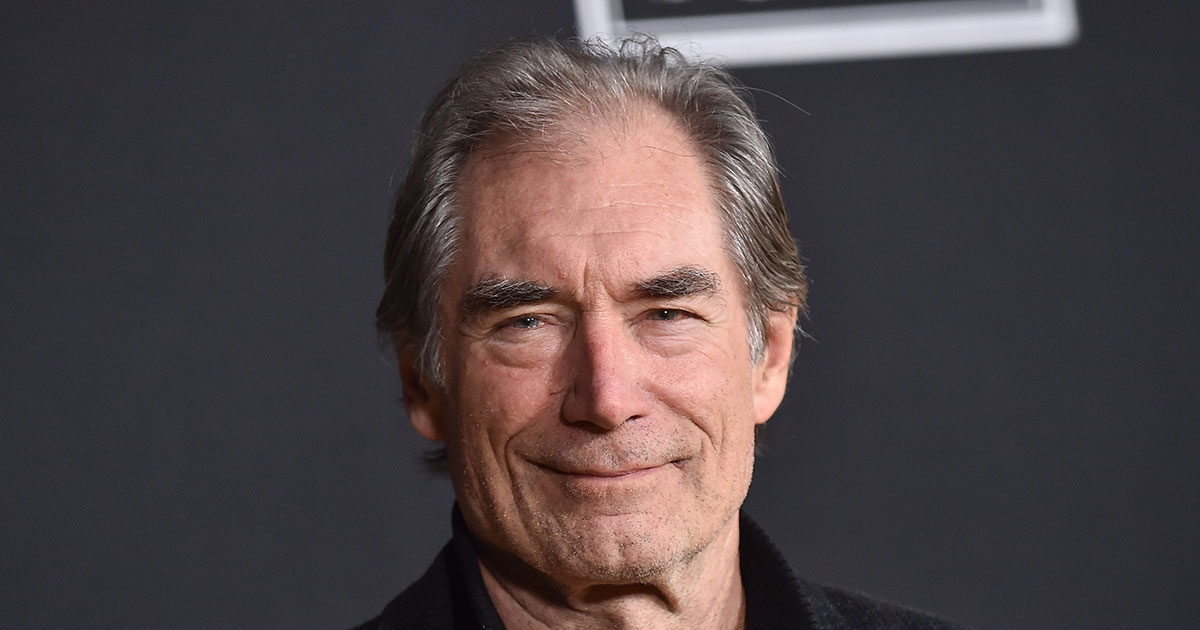
After the comedy of the Moore era, the producers went in a different direction when they cast Welshman Timothy Dalton in the leading role. Dalton was a classically trained actor who had turned down the role twice before: once in the late 1960s when he felt he was too young, and again in the mid-1980s when he felt the scripts weren’t right. When he finally accepted, he brought something the franchise hadn’t seen in years: a Bond stripped of Moore’s light touch and driven by colder, more mercenary instincts.
Dalton’s two films, The Living Daylights (1987) and Licence to Kill (1989), are darker and more grounded than anything Moore had made, with Licence to Kill in particular featuring a Bond driven by personal revenge rather than institutional duty. Critics were divided at the time. Audiences, raised on Moore’s lighter touch, weren’t entirely sure what to make of it.
The franchise then went on a six-year hiatus due to legal disputes between the producers and MGM, and by the time the rights were resolved, Dalton had moved on. History has been kind to his tenure. The Craig era is often described as a reinvention, but Dalton got there first, with less support and far fewer resources.
5. Pierce Brosnan (1995-2002): The Comeback Bond
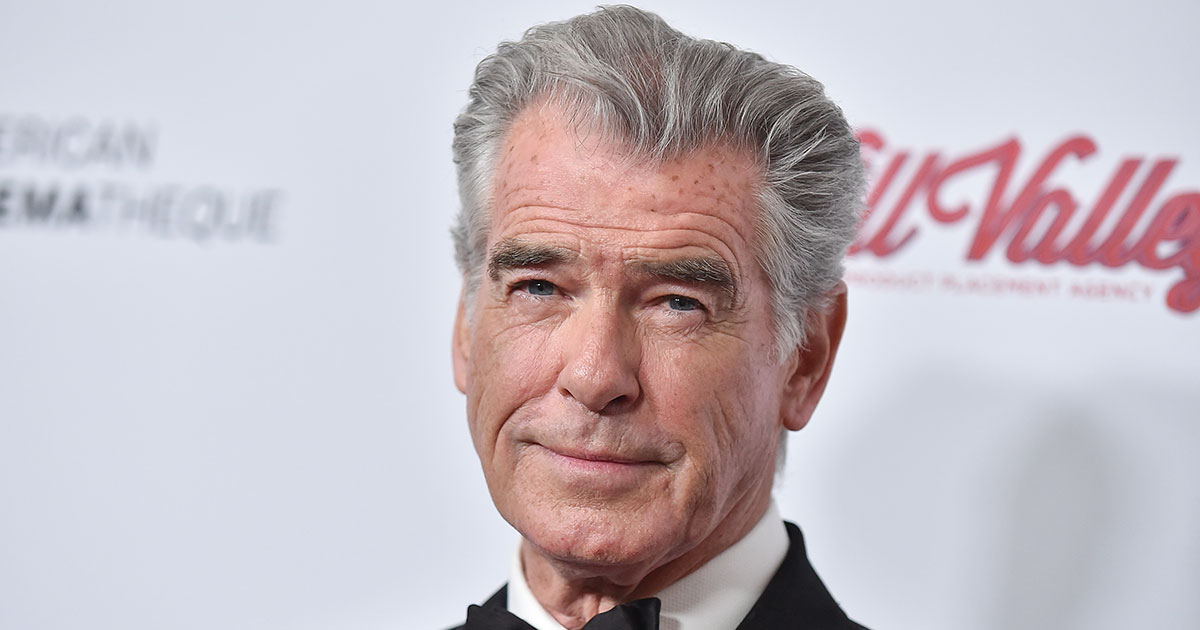
The six-year gap between Licence to Kill and GoldenEye was the longest the franchise had gone dark, and when it came back, it came back with Pierce Brosnan. Pierce Brosnan played Bond in GoldenEye (1995), Tomorrow Never Dies (1997), The World Is Not Enough (1999), and Die Another Day (2002). He had actually been cast as Bond once before, in the mid-1980s, only to lose the role when his TV series Remington Steele was unexpectedly renewed by its network. The second time, nothing got in the way.
Brosnan’s Bond arrived at exactly the right cultural moment: the Cold War was over, the blockbuster era was fully in bloom, and audiences wanted a 007 who could carry an action sequence and still look impeccable in a dinner jacket. His four films collectively made over $1.6 billion at the box office. The problems – and there were problems, most of them concentrated in Die Another Day and its invisible car – came from the franchise’s willingness to let spectacle overtake character.
Brosnan himself has said in interviews that he would have liked to make one more film in a different direction. That different direction, of course, turned out to be the Craig era, with someone else in the suit. He also portrayed Thomas Crown in the 1999 remake of The Thomas Crown Affair.
6. Daniel Craig (2006-2021): The Reinvention
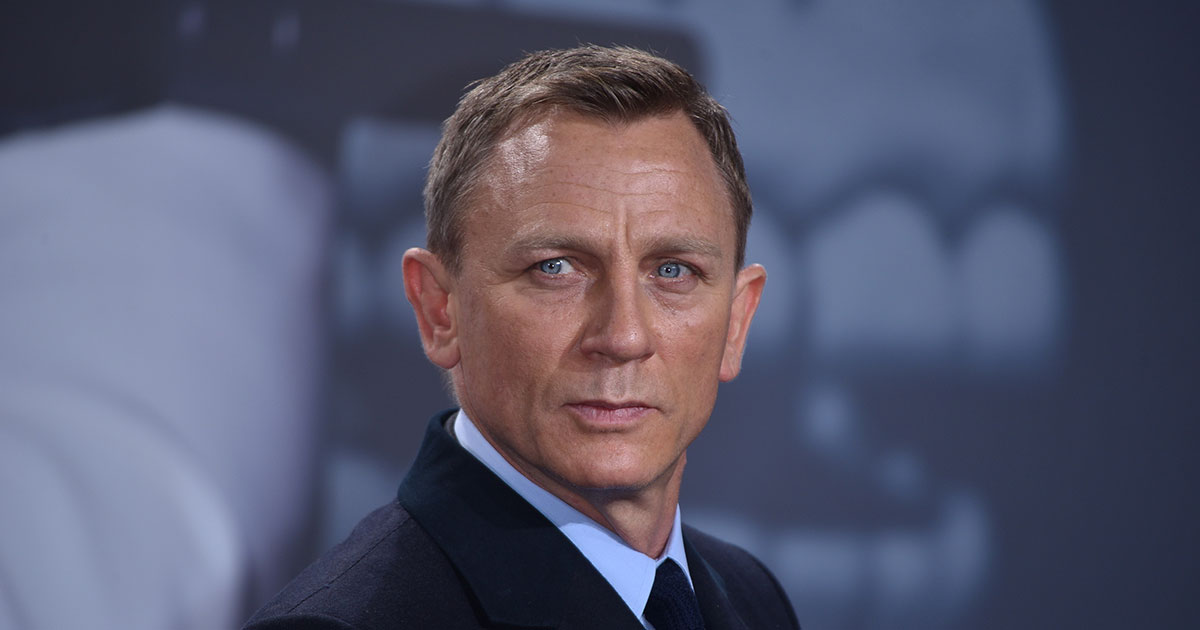
Daniel Craig learned his craft at the National Youth Theatre and the Guildhall School of Music and Drama. In total, Craig made five James Bond films, including Skyfall (2012), the biggest-grossing Bond film of all time. When his casting was announced in 2005, the internet – still young enough to believe its own certainty – responded with outrage. He was too blond. Too short. Too intense. A petition circulated. The tabloids ran it.
Then Casino Royale came out in 2006, and the conversation stopped. Craig’s Bond was physically credible, emotionally raw, and genuinely capable of being hurt: by a villain, by a woman, by his own choices. The franchise built out a continuity and character arc it had never attempted before, running a loose emotional thread from Casino Royale all the way through No Time to Die, which ended with Bond sacrificing his life to save the world.
It was the first film in Bond’s 64-year history on the silver screen to conclude with the character’s death. Craig’s run produced three of the highest-rated films in the franchise’s history. His doubters had, it’s fair to say, a lot of time to think about their petition.
7. Robert Pattinson (2026-): The Next Chapter
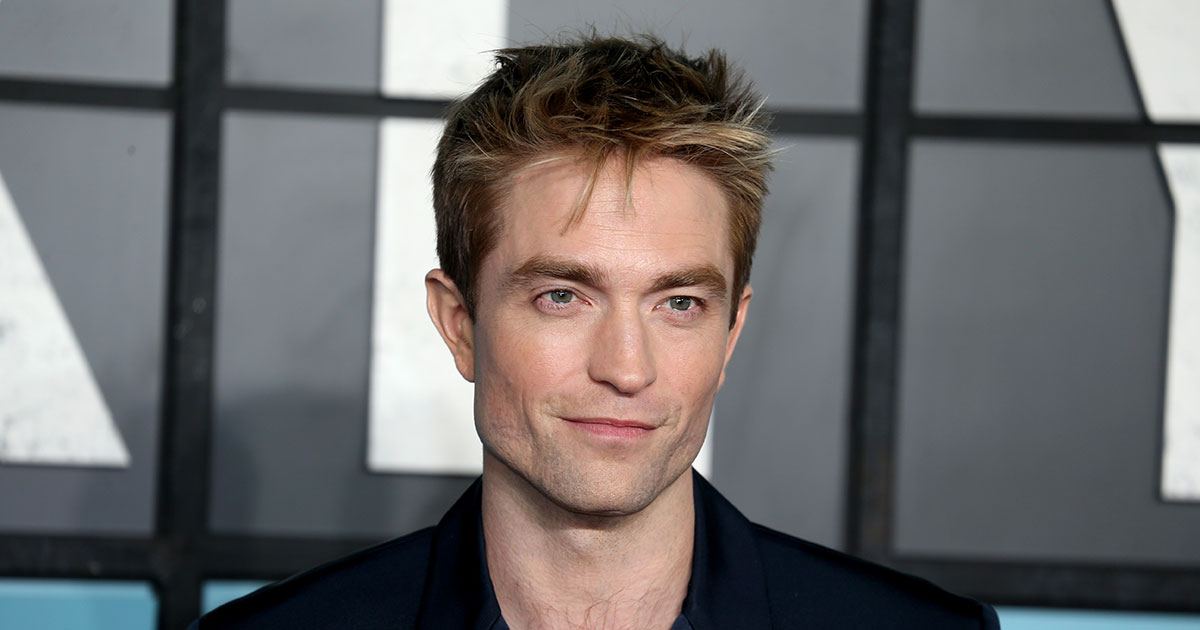
The studio announced the Twilight and The Batman alum as its choice to pick up the secret agent mantle, making the 40-year-old the latest in a list of leading men who have had the honor of playing the spy. Pattinson has spent the decade since Twilight doing something that most franchise actors don’t bother with: building a genuinely interesting body of work. Films like Good Time, The Lighthouse, The Batman, and his appearance in Christopher Nolan’s The Odyssey in 2026 mark a career defined by risk and range, not by playing it safe.
Pattinson said in a statement: “James Bond is one of the most legendary characters in cinema, and to be entrusted with 007 is the honor of a lifetime.” The Robert Pattinson James Bond era will begin with the 26th Bond film, directed by Denis Villeneuve, the filmmaker behind Arrival, Blade Runner 2049, and Dune. The combination of Villeneuve’s filmmaking precision and Pattinson’s established willingness to go dark and strange is, on paper, the most interesting pairing the franchise has seen in years. Producers Pascal and Heyman said: “James Bond is one of the most beloved, inspiring, iconic and yet enigmatic characters in literature and movies. The legacy of this character is in great hands with Robert Pattinson.”
The Weight of the Suit

What the history of Bond makes clear, if you read it as one long story rather than a series of separate eras, is that the franchise has never actually known what it was. It started as a Cold War thriller, became a comedy with car chases, turned briefly serious, went back to glossy action spectacle, then dismantled all of it in favor of emotional realism, and now starts over again with a 40-year-old actor whose most celebrated work involves psychological horror films and a brooding detective in a gothic Gotham.
Each Bond has been, more than anything else, a reflection of what the culture wanted from men at the time the films were made. Connery’s physical command. Moore’s detached wit. Craig’s willingness to bleed.
Pattinson inherits all of that, the archive of every version that came before, and what he does with it is the actual interesting question. The teaser tells you almost nothing, which is, historically, exactly the right amount. The suit still fits. The gun barrel is still there. The rest is a question that gets answered sometime in the next few years, in a cinema, in the dark, the way it always has been.
Disclaimer: This information is not intended to be a substitute for professional medical advice, diagnosis, or treatment and is for information only. Always seek the advice of your physician or another qualified health provider with any questions about your medical condition and/or current medication. Do not disregard professional medical advice or delay seeking advice or treatment because of something you have read here.
AI Disclaimer: This article was created with the assistance of AI tools and reviewed by a human editor.