

Most people with lounge access in their credit card benefits have never used it. Not because it’s complicated, but because the door into those lounges doesn’t announce itself, and nobody in the boarding gate chaos is handing out instructions. You could be sitting forty feet from a room with hot food, real armchairs, a full bar, and charging ports on every table, and you’d never know it was available to you unless you already knew to look.
That gap is not accidental, and it is not reserved for people in business class. It is the result of one thing nearly every regular traveler doesn’t think to check: whether the credit card sitting in their wallet already includes lounge access. Not just access to one lounge, not just the airline’s own club. Access to a global network that, depending on the program, spans more than 1,800 locations across dozens of countries. The airport lounge hack is less a trick than it is a feature that card issuers bury in the fine print, knowing most people will never bother to read it.
A lot of the confusion starts with the sheer number of programs running at the same time. Once you understand the three or four main networks and which cards plug into which ones, the whole picture clicks into place.
The Network Behind the Door
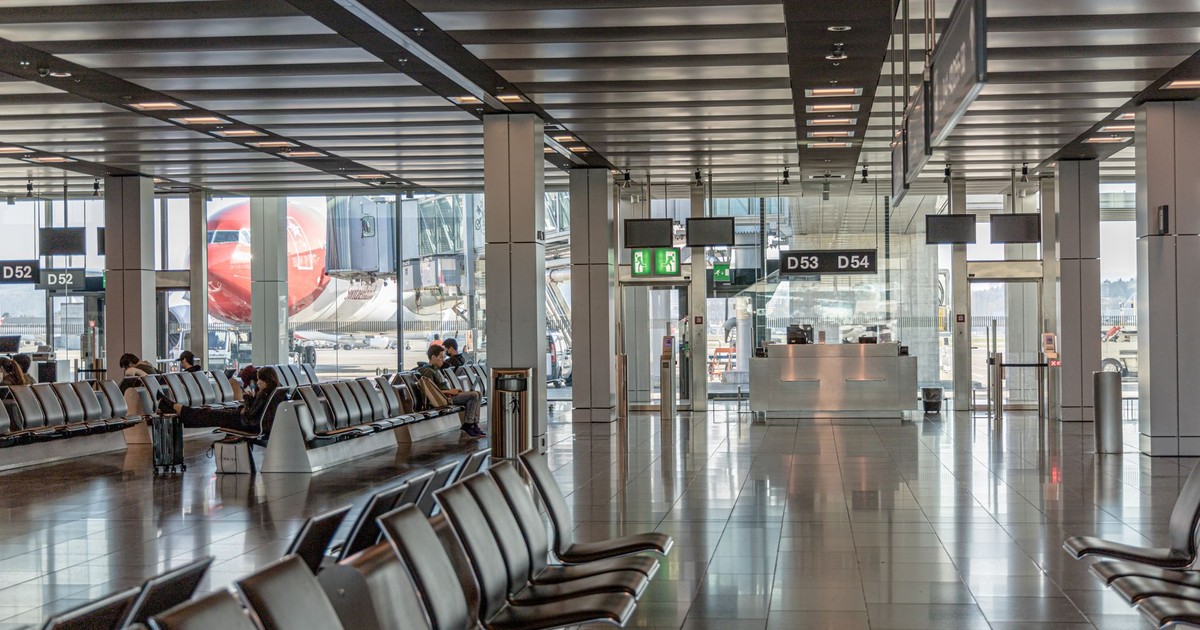
Priority Pass is a global airport lounge membership network with 1,800+ lounges in 600+ cities and 146 countries. It is the largest independent lounge access program in the world, not tied to a specific airline or airport operator. It is an independent membership scheme owned by Collinson Group that aggregates third-party lounges and partner restaurants into a single membership card. You walk up, you scan a card or a QR code in the app, and you are in, regardless of which airline you’re flying or what seat you booked.
Priority Pass and LoungeKey are both owned by the same company, Collinson. If a lounge accepts Priority Pass, it will almost certainly accept LoungeKey. Mastercard runs a parallel program through LoungeKey that works differently. According to the Mastercard Airport Experiences FAQ, Mastercard has partnered with LoungeKey to bring cardholders access to over 1,600 lounges across more than 400 airports worldwide in 120+ countries, regardless of their airline, frequent flyer membership, or class of ticket.
Then there is DragonPass, a China-based lounge program with more than 1,300 lounges, including some at railway stations in China. For travelers regularly routing through Dubai, Singapore, or Hong Kong, DragonPass and Priority Pass coverage often overlap, but the lounges that are available may differ terminal by terminal, which is worth checking before you arrive.
What these networks share is the core premise: your membership travels with you. The lounge in your home airport and the lounge in an airport you’ve never been to before are both accessible with the same card.
What You Get Inside

Most airport lounges include complimentary food and drinks as part of the experience, though the quality varies quite a bit by lounge, ranging from full hot meals and open bars to basic snacks and a coffee machine. The lounges at major international hubs – think Heathrow, Dubai, Singapore Changi – tend toward the more generous end of that spectrum. A domestic terminal lounge at a smaller regional airport might mean a platter of crackers and a coffee machine that’s been there since 2009. Still better than the terminal, but worth adjusting your expectations accordingly.
Beyond traditional lounges, Priority Pass also offers minisuites, spas, game rooms, nap pods, and other spaces. It also includes restaurants at more than 40 airports in the U.S. and at international locations. According to Upgraded Points, eligible Priority Pass members can get a food and beverage credit at participating restaurants, with the allowance typically hovering around $28 per guest towards the final bill. That means you can, in certain airports, bypass the lounge entirely and sit down at an actual restaurant, order an actual meal, and pay exactly nothing for it beyond what you’d pay for your card’s annual fee.
Mastercard’s newest addition takes this a step further. Mastercard is opening its own airport sit-down dining lounges featuring à-la-carte dining, chef-curated tasting menus with locally inspired cuisine, signature desserts and beverages, and comfortable seating for dining, working, and relaxing. The first of these opened in Hong Kong and São Paulo in 2026, accessible to holders of Mastercard’s World Legend cards, the top tier of the Mastercard product line.
The Credit Card Route: Which Cards Actually Work
Several major travel credit cards include Priority Pass or a comparable membership as a standard benefit, no extra application required. This is where most people discover the airport lounge hack that has been sitting in their wallet the whole time.
According to The Motley Fool’s 2026 lounge access guide, the Chase Sapphire Reserve provides access to 1,300+ Priority Pass lounges worldwide, plus the growing Chase Sapphire Lounge by The Club network, with two complimentary guests at both Priority Pass and Sapphire Lounges. The American Express Platinum Card has the broadest lounge footprint of any single card in the U.S. market. The American Express Global Lounge Collection provides complimentary access to more than 1,550 airport lounges across 140 countries as of July 2025.
The Capital One Venture X is a lower-annual-fee option that has historically been one of the most generous cards for lounge access, though its terms changed significantly in early 2026. According to The Points Mom, the Capital One Venture X Rewards Credit Card includes Priority Pass access for primary cardholders and authorized users, but starting February 1, 2026, authorized users no longer receive free lounge access unless added for $125 per year. If you added a family member to your Venture X before that date and assumed their access carried over, it did not.
Guest policies across all programs have become a pressure point. Card issuers spent years competing on generosity, and they are now walking some of that back. The list of credit cards offering restaurant access through Priority Pass continues to dwindle, though there are still cards that provide a membership covering food and drinks at eligible airport restaurants. Before your next trip, it is worth opening your card’s benefits page and reading the current terms rather than relying on what they said when you signed up.
The Mastercard Travel Pass: The Move Most People Miss

For people who already carry a premium Mastercard but have never activated their lounge benefit, the actual airport lounge hack is simpler than it sounds. From May 1, 2025, all Mastercard holders must register on the Mastercard Travel Pass app to access international and domestic lounges. Cardholders must spend at least USD $1 or equivalent on an international transaction within three months prior to lounge access, or pay USD $32 per visit if not eligible.
That threshold is not a typo. One dollar spent internationally – an online purchase from a foreign retailer, a small charge on a trip abroad – and the lounge access activates for three months. Lounge access varies by Mastercard card type: World Elite cardholders receive 14 visits annually, World cardholders receive 8, and Platinum cardholders receive 4. For someone who takes three or four trips a year and has a World Elite Mastercard from their bank, this benefit alone could be worth several hundred dollars annually, and most of them have never tapped it.
The catch is that you have to enroll, and you have to make that qualifying transaction. The access does not switch on automatically. After making a qualifying international transaction of at least USD $1, cardholders automatically receive three months of free lounge access from the date of that transaction. The card works. The enrollment does not happen on its own.
Beyond Priority Pass: eSIMs and Other Lesser-Known Routes
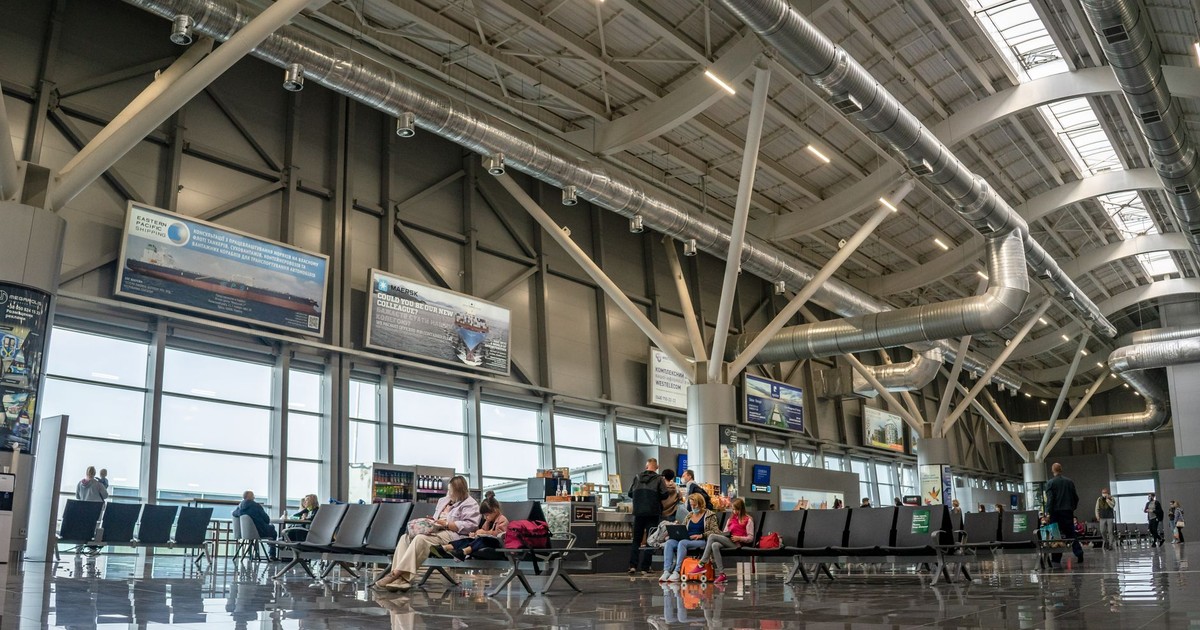
The credit card route is the most powerful one, but it isn’t the only airport lounge hack worth knowing. Some travel eSIMs not only help travelers avoid expensive roaming fees, but also give complimentary lounge access when traveling. For example, a Saily Ultra eSIM subscription includes lounge access bundled into the monthly fee, or a one-off lounge pass can be purchased through the Saily app for $40 USD, giving access to the DragonPass/Plaza Premium lounge network. For someone who travels occasionally and doesn’t want to commit to a premium credit card, this is a lower-stakes way to get inside.
Airport security tips matter at the entry point, but once you’re through the checkpoint, the focus moves entirely from what to avoid to what you’re actually allowed to use – and didn’t know you could.
Day passes are also an option at many lounges for travelers who don’t have membership access. Walk-in rates typically run between $30 and $100 USD depending on the lounge and airport, which starts to look reasonable on a long layover once you price a meal and a drink in the terminal. The math changes on a family of four, where the lounge suddenly requires either a generous guest policy or a second card.
The Fine Print That Actually Matters

Lounge crowding is real, and it has gotten worse. As premium credit cards have proliferated and the lounge access benefit has become more widely marketed, several popular lounges now place caps on capacity and will turn away members when they’re at limit. Some lounges have started requiring same-day boarding passes, time-limited entry windows, or pre-booking through an app. Qantas, for example, announced it is restricting access to its Club Lounge from July 1, 2026, due to overcrowding. The experience that used to mean slipping through a quiet door to a serene space sometimes now involves a wait at the lounge entrance, which is at least better than sitting on the terminal floor.
The restaurant benefit also has its own fine print. Participating restaurants come in and out of the Priority Pass program regularly. The restaurant that was included last time you flew through a particular airport may no longer be participating. Checking the Priority Pass app before you head to the lounge area rather than after you’ve been seated is the move.
Guest fees are the other variable. Most Priority Pass memberships charged through a credit card allow a set number of free guests, but guest access is paid separately on every plan, running $35 to $45 per guest per visit, unless your credit card terms provide guest credits. Taking three children through the lounge on a pay-per-guest basis can turn a free benefit into a significant charge. Know your guest policy before you walk up.
Before You Leave for the Airport
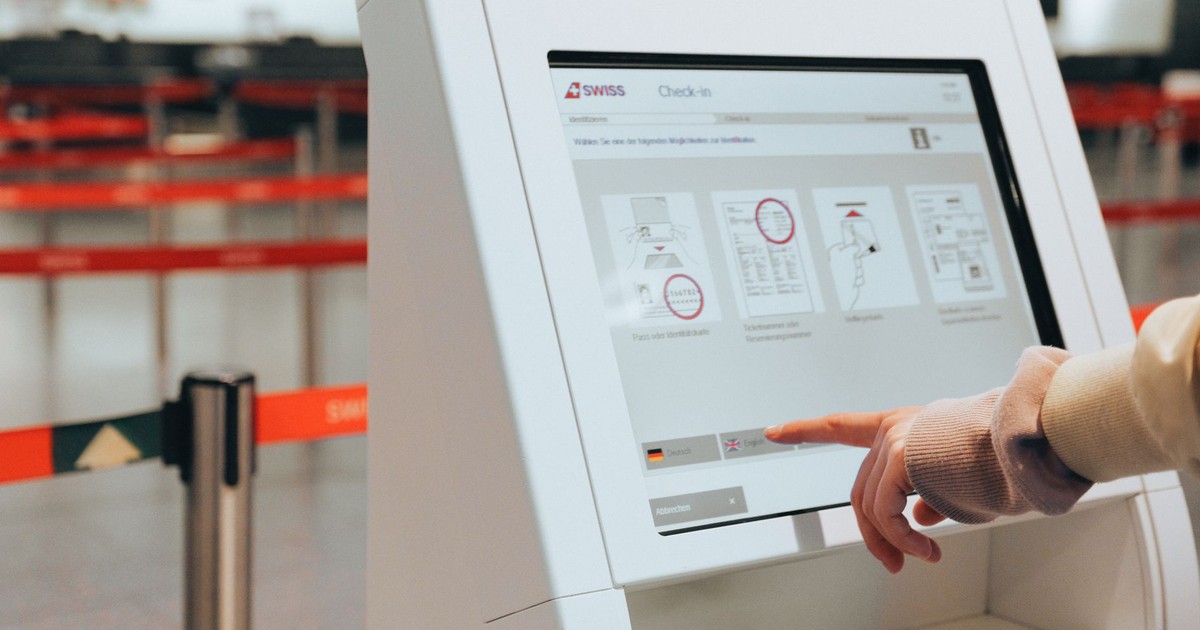
The single most useful thing you can do before your next flight is open your card’s benefits portal and look up what lounge access you actually have. Not what you think you have. What the current terms say you have, as of the last update, with your current card tier, and your current guest policy.
A lot of the frustration people report at lounge entrances comes from being told their access has changed, or that they need an app they’ve never downloaded, or that the guest they brought won’t be admitted for free. None of that has to happen if you spend fifteen minutes on the benefits page before leaving for the airport rather than at the front desk of the lounge.
The network of over 1,800 lounges is genuinely accessible to people who aren’t flying business class, don’t earn frequent flyer status, and aren’t particularly savvy about travel rewards. The access is there. It’s bundled into cards that millions of people carry. It requires one app download, sometimes one small transaction, and the willingness to walk through a door you’d previously assumed wasn’t for you. The benefits have been there the whole time. The only question is whether you check before your next departure or discover them somewhere between the gate and the terminal sandwich.
AI Disclaimer: This article was created with the assistance of AI tools and reviewed by a human editor.