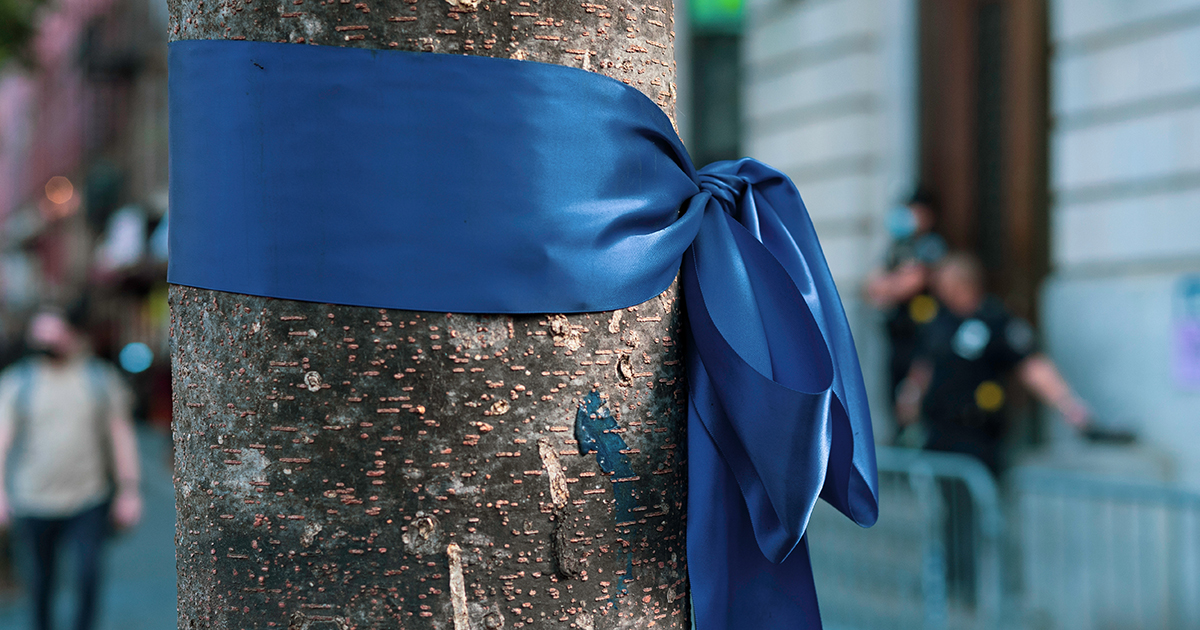

You notice them the same way you notice a yard sign for a cause you half-remember – there, at the edge of your awareness, tied to a tree on the corner, or looped around a mailbox post on the next street over. Blue ribbons on trees. They are deliberate. Someone tied them there with a purpose, and if you have found yourself wondering what that purpose is, you are not alone. The answer depends almost entirely on when you are seeing them, and it carries more weight than a strip of satin has any right to.
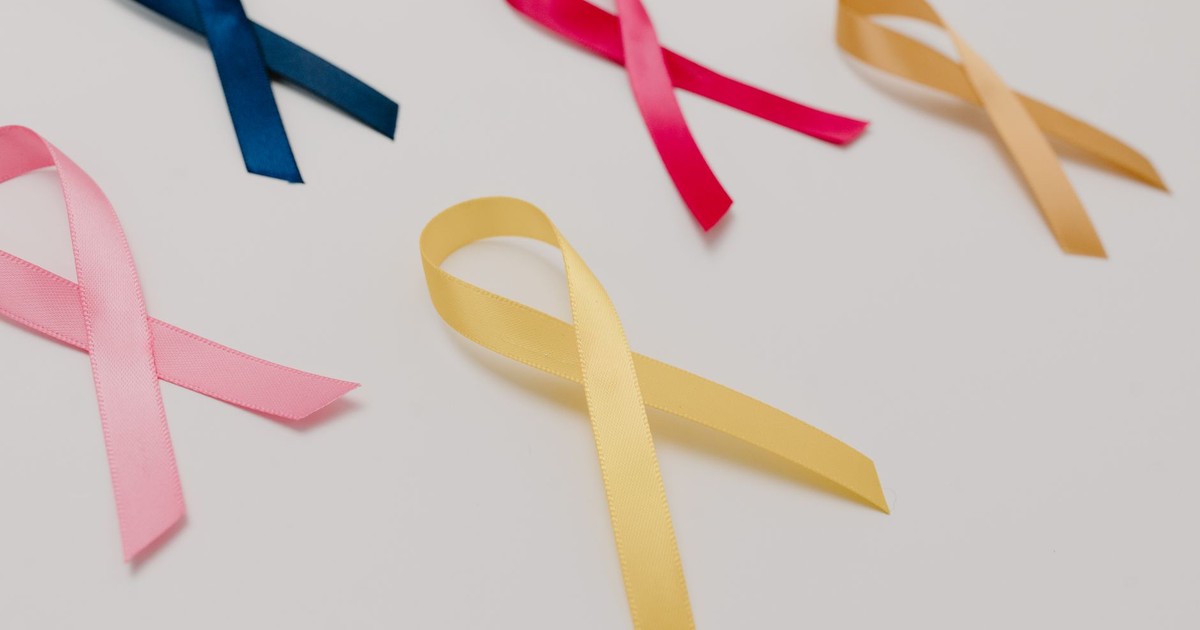
Ribbons as public symbols have been part of American life for decades – yellow ones for deployed soldiers, pink ones for breast cancer awareness, red ones for AIDS. Blue has accumulated its own layered history, attached to causes that could not be more different from each other in tone and context but are equally serious in what they are asking the community to hold. Spotting blue ribbons on trees in your neighborhood is not a random act of decoration. It is almost always a declaration.
The two most common meanings you will encounter are National Child Abuse Prevention Month and law enforcement appreciation. A third meaning, less tied to trees specifically but still worth knowing, connects the color blue to colorectal cancer awareness. Each has its own origin, its own season, and its own story.
The Story Behind the Blue Ribbon You See in April

National Child Abuse Prevention Month was first recognized in 1983, when President Ronald Reagan issued a presidential proclamation designating April as a time to raise awareness, educate communities, and promote prevention. That is the institutional origin story. The emotional one started six years later, in a driveway in Virginia.
According to the National Children’s Alliance, the Blue Ribbon Campaign to Prevent Child Abuse began in 1989 when a Virginia grandmother named Bonnie Finney tied a blue ribbon to the antenna of her car to honor her grandson, who died as a result of abuse. She wanted her community to know what had happened and to understand the tragedy of child abuse.
That is the kind of origin story that rewrites how you look at a piece of ribbon. It is not a logo designed by a committee. It did not come out of a nonprofit’s brand guidelines. It started with a grandmother who had just lost her grandchild to something preventable, who needed people in her neighborhood to know what had happened and to care. The ribbon was grief, made visible and tied to something that moved through the world.
By the following year, the blue ribbon had become the symbol of child abuse prevention in the state of Virginia, and stores, businesses, schools, churches, civic organizations, and social service agencies began participating in the campaign and displaying blue ribbons to support prevention efforts. What started as one woman’s act of remembrance became a national language.
Today, the campaign runs every April. Blue ribbons on trees serve as a visual reminder of the community’s responsibility to protect children. You will see them tied to trees in front yards, wrapped around lamp posts, and strung across fences. Communities organize ribbon-tying ceremonies, schools hold awareness events, and local organizations distribute ribbons for people to wear. More recently, the pinwheel has become an additional symbol for child abuse prevention – Prevent Child Abuse America introduced the Pinwheels for Prevention campaign in 2008. The blue ribbon, however, remains the original.
If you want to understand what you can do beyond noticing the ribbons, organizations like the Monique Burr Foundation maintain toolkits with lesson plans and resources for schools and communities during Child Abuse Prevention Month.
What It Means When They Appear in January

National Law Enforcement Appreciation Day is observed annually on January 9. According to holidaytoday.org, it serves as a national call to action for citizens to express their gratitude for the men and women who serve in various law enforcement capacities across the United States.
The holiday was established in 2015 by the organization Concerns of Police Survivors alongside several other partner groups. The creators intended to provide a specific time for the public to show support for officers following a period of heightened social tension and negative sentiment toward police forces.
Blue ribbons are among the most common visual markers of the day. Many people choose to wear blue clothing or tie a blue ribbon to their mailbox to show their solidarity with local agencies. Another common practice is participating in Project Blue Light, which involves placing a single blue light bulb in a front porch light or window – a visual signal to officers on patrol that their efforts are recognized and valued by the households they pass on duty.
The impulse behind both uses of the blue ribbon – the child abuse prevention campaign and the law enforcement appreciation gesture – is essentially the same: people reaching for a simple, visible way to say that something invisible matters. One grieves a child. The other acknowledges a profession whose daily weight most people do not see. Both ask the neighborhood to pay attention.
The same color, tied the same way, can carry two such different intentions. A blue ribbon on a tree in January is almost certainly about law enforcement. That same ribbon on that same tree in April is almost certainly about child abuse prevention. Same gesture, different month, different conversation entirely.
The Third Meaning: A Color That Also Belongs to March
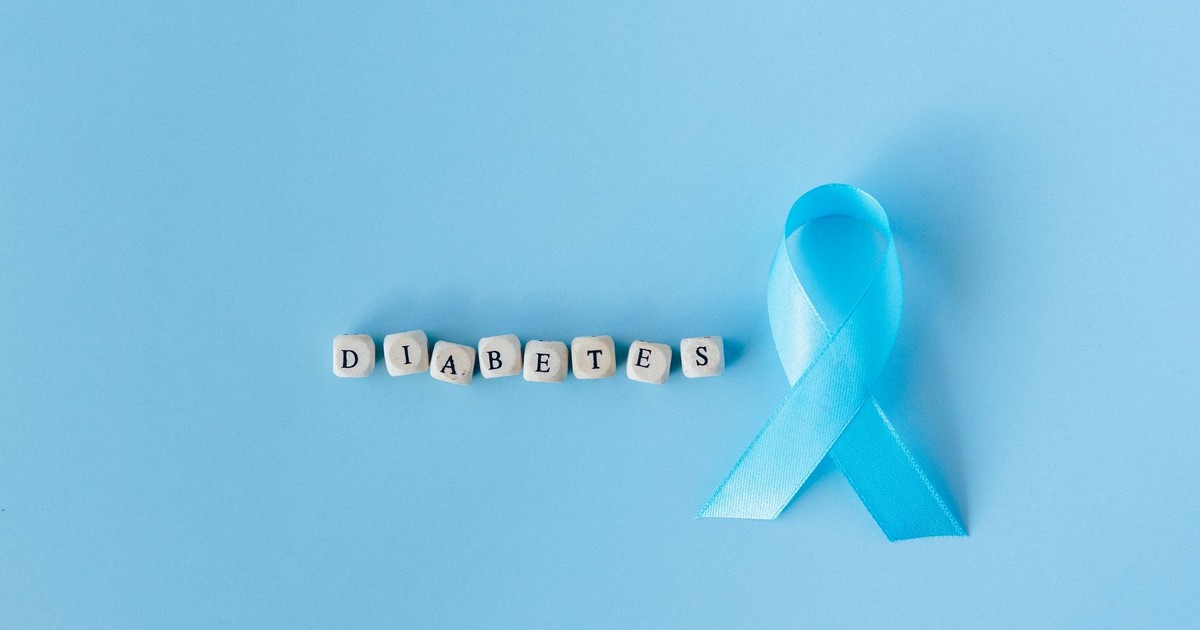
The blue ribbon’s reach does not stop at those two causes. According to Fundraising For A Cause, the dark blue ribbon represents awareness for colon cancer and colorectal cancer. By wearing one in March – Colon Cancer Awareness Month – people show support for individuals battling these diseases and raise awareness about the importance of early detection and prevention.
This version of the blue ribbon is more commonly worn as a pin or a looped ribbon than tied to trees, but you may encounter it in front of medical offices, schools, or community centers during March awareness campaigns. The adoption of the blue ribbon for colon cancer and colorectal cancer awareness was driven by patient advocacy groups, healthcare providers, and nonprofit organizations that recognized the need for a unifying symbol that could raise awareness, encourage early detection, and promote research.
If you see blue ribbons during that transitional stretch between late winter and early spring, you are potentially looking at a colon cancer awareness display rather than a child abuse prevention one – though the crossover is real, given that National Child Abuse Prevention Month begins right where Colon Cancer Awareness Month ends. The calendar is crowded in a way that reflects how many things need our attention at once.
Why It Matters to Know the Difference
Symbols work because enough people agree on what they mean. When that agreement is fuzzy, the symbol loses some of its power. A blue ribbon on a tree in your neighborhood means something specific to the person who tied it there. Knowing what it means means you can respond to it properly – you can pause in April and actually register that a neighbor is making a statement about child safety, or recognize in January that someone on your street is thanking the officers who patrol it.
The blue ribbon’s story is also a reminder of how quickly a private act of mourning can become a shared language. Bonnie Finney tied a ribbon to her car antenna in 1989 not because she was running a campaign, but because she did not know what else to do. She needed people to know. Today, the blue ribbon has become a national symbol.
The children and families at the center of those blue April displays are the same children who sometimes end up in foster care, in advocacy organizations’ case files, in hospital rooms. Stories like the foster child’s letter to his adoptive parents are a reminder of what the ribbons are pointing toward – real lives, not abstractions.
The Ribbon Is the Start of the Conversation, Not the End
The easiest thing to do when you see a blue ribbon on a tree is to note it and keep moving. The harder thing, and the thing the people who tied it there were hoping for, is to let it slow you down for a moment. To wonder what prompted it. To look up what April means in your county, what your local child advocacy center does, whether your police department has a way for residents to send notes of appreciation in January.
None of that requires becoming an activist or signing up for anything. It just requires the willingness to let a ribbon be more than decoration, which is exactly what Bonnie Finney was counting on when she tied one to her van and drove through her neighborhood in 1989. She was betting that people who noticed would care. Most of the time, when someone ties a blue ribbon where you can see it, that is still the bet they are making.
Disclaimer: This information is not intended to be a substitute for professional medical advice, diagnosis, or treatment and is for information only. Always seek the advice of your physician or another qualified health provider with any questions about your medical condition and/or current medication. Do not disregard professional medical advice or delay seeking advice or treatment because of something you have read here.
AI Disclaimer: This article was created with the assistance of AI tools and reviewed by a human editor.