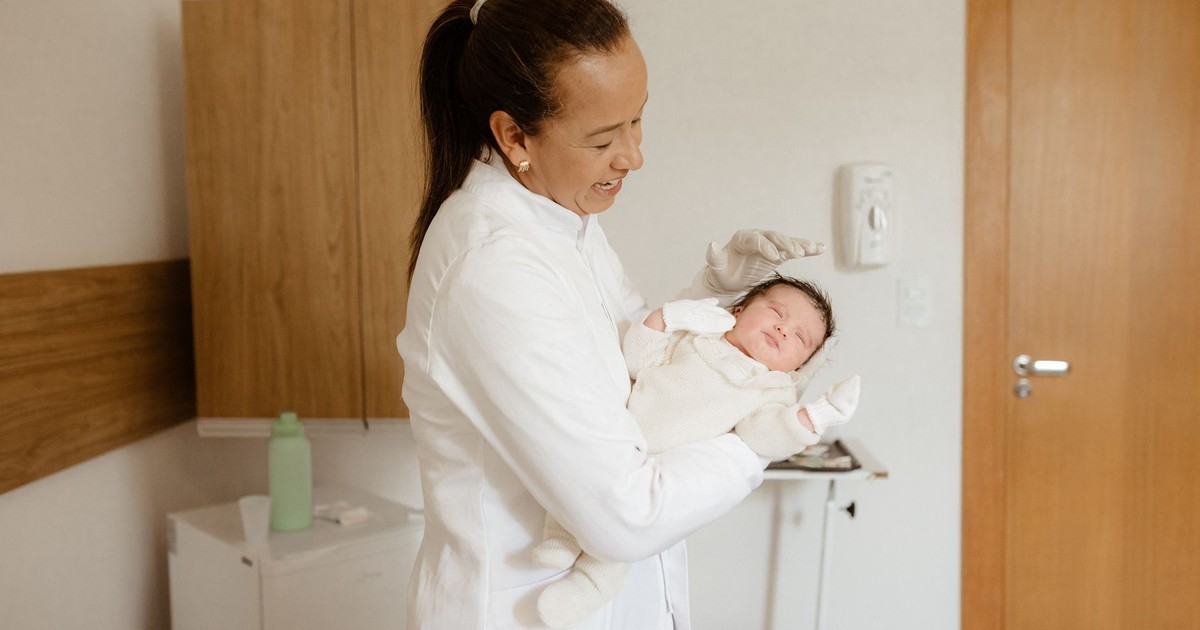

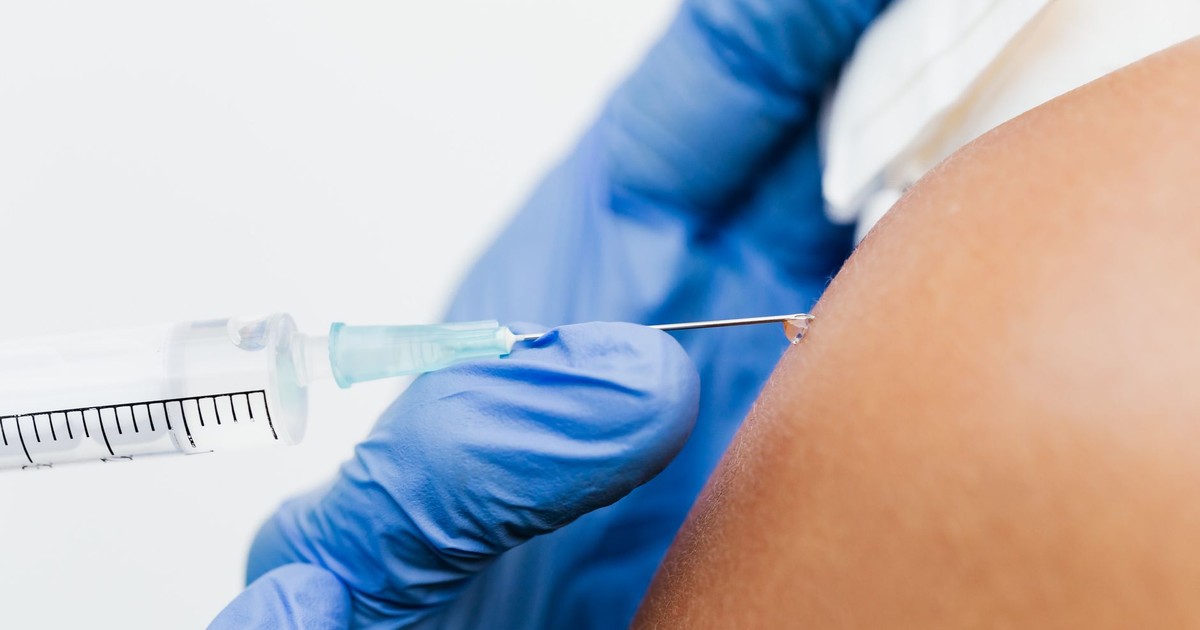
Babies are born without enough vitamin K, the nutrient that helps blood clot. Only small amounts pass to them through the placenta, breast milk has very little of it, and the good gut bacteria that make vitamin K in adults are not yet present in a newborn’s gut, according to the CDC. For more than 60 years, the fix has been a single shot into the thigh muscle, given soon after birth.
A growing number of parents are turning down that shot. This is the “alternative option” in our headline: skipping the newborn vitamin K shot. Two studies published on November 5, 2026, and reported by NBC News, are the first to show that bleeding in U.S. babies has risen along with these refusals.
One of the studies found that the rate of vitamin K deficiency bleeding nearly quadrupled between 2017 and 2025, based on records from about 11 million U.S. infants. According to one of its authors, the 2025 rate was about double what it had been just one year earlier.
Why Every Newborn Starts Life Deficient

Vitamin K turns on the proteins the body needs for blood clotting. Without enough of it, the blood cannot form a clot to stop bleeding when it needs to. Adults get vitamin K from food and from bacteria living in the gut. Newborns do not have either source working for them yet.
In 1961, the American Academy of Pediatrics recommended that every newborn get a vitamin K shot, as both the CDC and VCU note. That has been standard care in the United States ever since. The shot does not treat an illness. It makes up for a shortage that every baby is born with.
Vitamin K deficiency bleeding, or VKDB, can show up in three time windows, according to the CDC: within the first 24 hours of life, between 2 days and 1 week, or in a “late” form between 1 week and 6 months, most often at 2 to 8 weeks. The late form is especially frightening. The baby has gone home, seems healthy, and then bleeds, often inside the body and sometimes in the brain. The CDC says 30% to 60% of babies with late VKDB have bleeding in the brain, and in most cases there are no warning signs before a life-threatening event starts.
Read More: Newborn ‘Almost Bled to Death’ Following Circumcision, Parents Say
What the New Research Found
Two separate research teams published their findings on November 5, 2026, one in JAMA and one in JAMA Pediatrics. The first looked at records from more than 5.2 million infants, and the second at records from about 11 million. Both covered babies born between 2017 and 2025.
The JAMA study, led by Dr. Kristan Scott and colleagues at Children’s Hospital of Philadelphia (CHOP), looked at electronic health records from 5.2 million infants. The share of babies who did not get the shot rose from 3.1 percent in 2017 to 6.8 percent in 2025, up from 5.1 percent at the end of 2024. Babies who did not get the shot had a 47 percent higher risk of any recorded bleeding in their first six months. They also had more than twice the risk of bleeding in or around the brain in those months. Death during the birth hospital stay, with a bleeding diagnosis, was also more common among them. The authors estimated that for about every 114 newborns who skip the shot, one extra bleeding event would happen.
The VCU study in JAMA Pediatrics, led by Dr. Elizabeth Wolf and co-authored by epidemiologist Dr. Steven Woolf, covered records from about 11 million infants aged 6 months and younger. Over the study period, the rate of vitamin K deficiency bleeding nearly quadrupled, with 5,217 bleeding events in all. The share of newborns who got the shot fell from 97.7 percent in 2017 to 95 percent in 2025. “The rate in 2025 was approximately double what it was in 2024,” Woolf told Reuters, in a report published by NBC News.
The Reasons Parents Give, and What the Evidence Says

Parents who decline the shot have usually done some research, or believe they have. One common worry is benzyl alcohol, a preservative in the shot. According to the CDC, doctors in the 1980s found that very premature babies in intensive care could get sick from benzyl alcohol, because many of the medicines and fluids they needed contained it. The CDC says the small amount of benzyl alcohol in the vitamin K shot is not enough to be dangerous, even when given along with other medicines that also contain a little of it.
Some parents have heard that the shot might cause cancer. The CDC says this idea came from a small 1990 study in England, and that larger studies since then have found no evidence linking the vitamin K shot to childhood cancer. The CDC also says that only a single case of allergic reaction in an infant has been reported. And some parents mix up the vitamin K shot with a vaccine. It is not a vaccine. It is a vitamin given as a shot.
Health data company Truveta found that vitamin K refusals jumped by more than 57 percent from January through June 2026, based on records from more than 1 million births, according to an analysis done for Reuters.
What No One Is Tracking
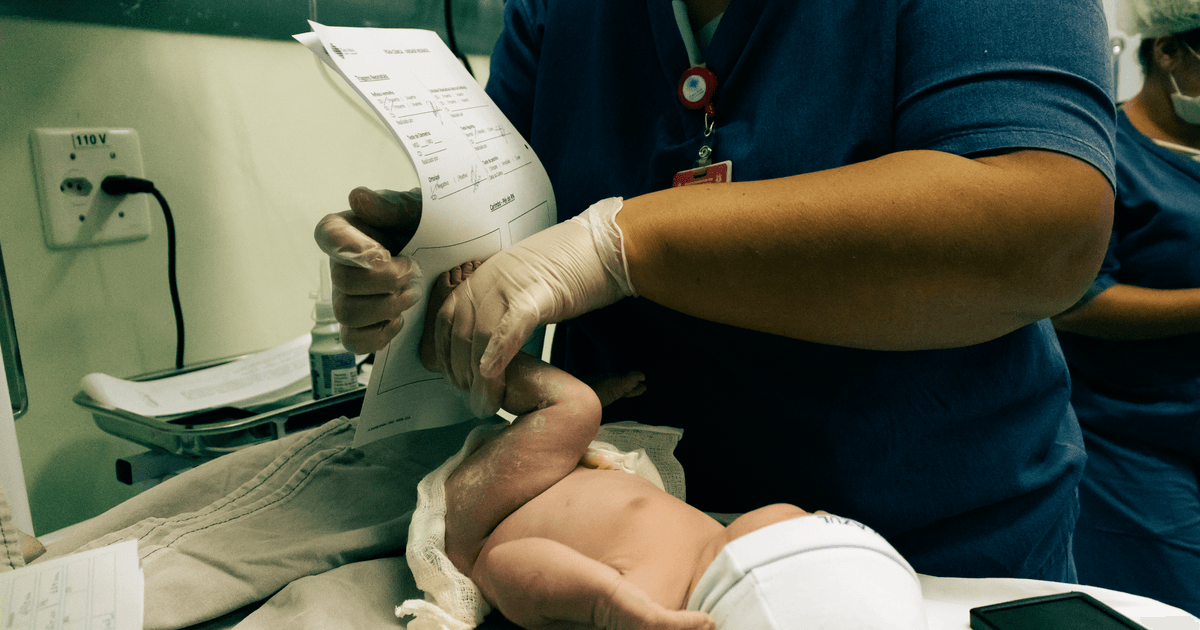
The United States does not have a national system for tracking vitamin K refusals or bleeding events. A Department of Health and Human Services spokesperson said the CDC still recommends the shot for newborns, but declined to say whether the agency would start tracking refusal rates or bleeding events. In June 2026, Representative Kim Schrier of Washington and Senator Angela Alsobrooks of Maryland called on the CDC to start tracking these bleeding events.
Without national tracking, the numbers researchers have published may miss some cases. The CHOP study used electronic health records from hospitals and clinics, and it looked at babies who did not have a documented shot. Babies born at home or in birth centers may be less likely to show up in those records.
What the Studies Do and Don’t Show
Rising refusals and rising bleeding rates have moved together across two large datasets over eight years. Researchers are careful to say this does not prove that skipping the shot caused every extra bleeding case. “While these studies do not prove causation, the fact that the rates of bleeding have increased so dramatically at the same time vitamin K refusals and deficiencies have risen is significant,” Woolf said, according to the Reuters report. The VCU team also noted that other causes seem unlikely, because the behaviors and illnesses that raise the risk of vitamin K deficiency stayed the same or went down during the study period.
The shot itself has a long safety record, and the CDC says many studies have shown it is safe for newborns. Many of the fears parents have come from warnings that apply to other situations, or from claims that larger studies did not back up. The risks of skipping it are now described in two major medical journals: a 47 percent higher risk of any bleeding in the first six months, more than twice the risk of bleeding in the brain, and about one extra bleeding event for every 114 babies who go without it.
If you are pregnant, or someone in your life is, and the vitamin K question comes up, bring it to your doctor or midwife. Ask what the shot contains, why it is given, and what the risks are of skipping it. The facts to weigh include a recommendation that dates back to 1961, two new studies covering millions of infants, and the serious harm that can happen when a baby’s blood cannot clot.
Editor’s note: Our headline says infant bleeding is rising as more parents skip the newborn vitamin K shot. The two studies found that the trends rose together. As the researchers said, the studies do not prove that refusals caused every additional bleeding case.
Disclaimer: The author is not a licensed medical professional. The information provided is for general informational and educational purposes only and is based on research from publicly available, reputable sources. It is not intended to constitute, and should not be relied upon as, medical advice, diagnosis, or treatment. Always consult a licensed physician or other qualified healthcare provider regarding any medical condition, symptoms, or medications. Do not disregard, avoid, or delay seeking professional medical advice or treatment because of information contained herein.
AI Disclaimer: This article was created with the assistance of AI tools and reviewed by a human editor.